
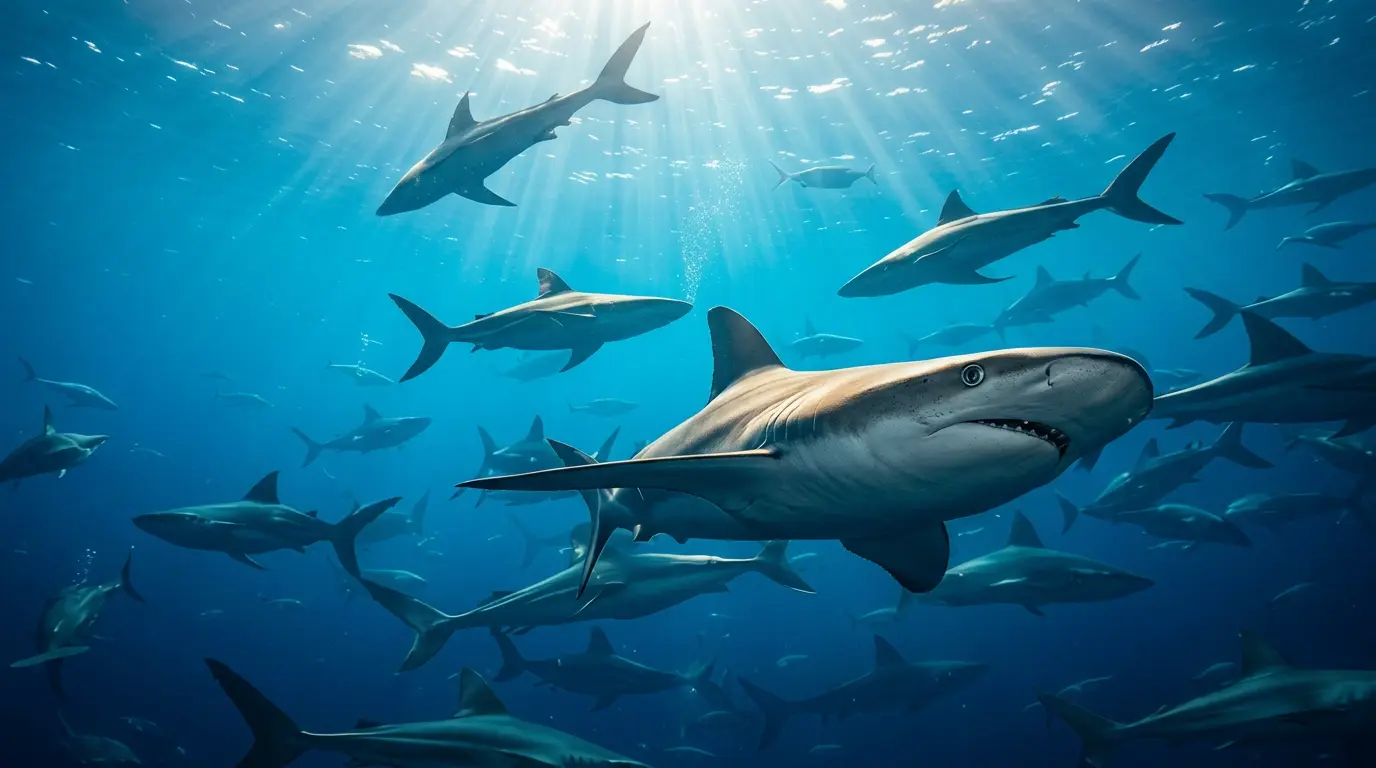
Apex Predators: Why This Encounter is Special
Sharks are one of the oldest and most successful predators on Earth, perfectly evolved for their marine environment. Diving with them is a powerful experience that connects you to the raw, untamed heart of the ocean. Observing their grace, power, and surprising intelligence firsthand is the best way to dispel the myth of the mindless man-eater.
Beyond the adrenaline rush, these encounters offer a glimpse into a critical part of the marine ecosystem. As apex predators, sharks maintain the health of coral reefs and other habitats by regulating prey populations. By participating in ethical shark tourism, you are supporting conservation efforts and giving these often-misunderstood animals a value that helps protect them.
Best Destinations & Seasons for Shark Dives
The world is dotted with legendary shark diving hotspots, many of which are remote and best reached by liveaboard. These vessels act as your base for exploring far-flung volcanic islands and offshore reef systems where large pelagic sharks congregate. Each destination offers a different cast of characters, from massive schools of hammerheads to solitary great whites.
Timing is everything. Shark movements are dictated by water temperatures, currents, and breeding or feeding patterns. Planning your trip during the peak season for your target species will dramatically increase your chances of having the dive of a lifetime.
- Bahamas: See tiger sharks at Tiger Beach (Jan-May), great hammerheads in Bimini (Dec-Mar), and oceanic whitetips at Cat Island (Apr-Jun).
- Galápagos, Ecuador: Witness schooling scalloped hammerheads at the legendary Darwin and Wolf islands, best from June to November.
- Cocos Island, Costa Rica: Dive into massive hammerhead aggregations in this remote Pacific paradise, with peak season from June to December.
- South Africa: Go cage diving with great whites in Gansbaai (Jun-Sep) or dive with tiger and blacktip sharks at Aliwal Shoal (Apr-Jun).
- Mexico: Visit Guadalupe Island for great whites (Jul-Nov) or the Socorro Islands for silky sharks, hammerheads, and whitetips (Nov-May).
- Fiji (Beqa Lagoon): Join the world-famous bull shark dive, with up to eight species present. The best season is April through October.
- Maldives: Encounter whale sharks in Hanifaru Bay (Jun-Nov) or dive with countless reef sharks, nurse sharks, and tigers year-round.
- Egypt (Red Sea): Spot oceanic whitetips and hammerheads at offshore reefs like the Brother Islands and Daedalus, especially from October to November.
Baited vs. Natural Encounters: A Diver's Choice
Shark encounters generally fall into two categories: natural or baited. Natural encounters, like those in the Galápagos and Cocos Island, involve diving in areas where sharks naturally aggregate, offering a view of their undisturbed behavior. These can be less predictable but incredibly rewarding when you find a massive school of hammerheads on a cleaning station.
Baited dives, common in Fiji and the Bahamas, use chum or bait boxes to attract sharks to a specific area. This offers extremely reliable, close-up encounters perfect for photography. The ethical debate centers on whether this practice alters natural behavior. Responsible operators use minimal bait, never hand-feed, and follow strict safety protocols to ensure the interaction remains safe and non-disruptive.
Ethics & How to Spot a Responsible Operator
With the rise of shark tourism, choosing an operator committed to conservation and safety is paramount. A good operator doesn't just show you sharks; they educate you about them and contribute to their survival. Look for dive centers that partner with research organizations or have a strong conservation message.
Safety protocols are a clear indicator of professionalism. This includes thorough briefings, experienced shark-savvy divemasters, and clear rules of conduct in the water. Never dive with an operator that encourages touching sharks or takes unnecessary risks for a photo opportunity. Your safety, and the shark's welfare, must always come first.
- Uses excessive bait or hand-feeds sharks, making them aggressive.
- Allows or encourages divers to touch, ride, or handle the animals.
- Lacks experienced divemasters with specific shark expertise.
- Does not provide a thorough safety and procedural briefing.
- Shows no connection to or support for local conservation initiatives.
- Overcrowds dive sites, stressing animals and compromising safety.
- Guarantees specific behaviors or interactions.
- Lacks emergency equipment and plans for a worst-case scenario.
Costs, Certification & Gear
Dedicated shark diving trips, particularly to remote liveaboard destinations like Cocos, Galápagos, or Socorro, represent a significant financial commitment. A week-long trip can cost between $4,000 and $8,000 USD. This price reflects the complex logistics, vessel quality, and exclusivity of these world-class dive sites.
These are not beginner dives. Most operators require an Advanced Open Water (AOWD) certification with at least 30-50 logged dives. Due to deep profiles and the need for maximum bottom time, a Nitrox certification is often recommended or even mandatory. A personal dive computer, safety sausage (SMB), and reef hook are essential pieces of gear for these challenging, current-swept environments.
How to Pick the Right Trip for You
Your ideal trip depends on your experience level and desired encounter. Are you an advanced diver ready for the currents of the Eastern Pacific to see schools of hammerheads? Cocos or Galápagos are for you. Do you want reliable, close-up photo opportunities with tiger sharks or bull sharks? Look to the Bahamas or Fiji. For the iconic great white, it's a cage dive in South Africa or Guadalupe.
Assess your dive skills honestly. Many of these trips involve strong currents, deep diving, and open ocean conditions. Choose a destination that matches your comfort and certification level. Whether you choose a liveaboard for maximum dive time or a land-based resort, you are embarking on one of diving's most rewarding adventures.
Where to see them
Top destinations for this encounter — explore trips, seasons and dive sites.

Galápagos
Darwin's Living Laboratory
Explore destination
Bahamas
Crystal waters, legendary shark encounters, and the world's deepest blue hole
Explore destination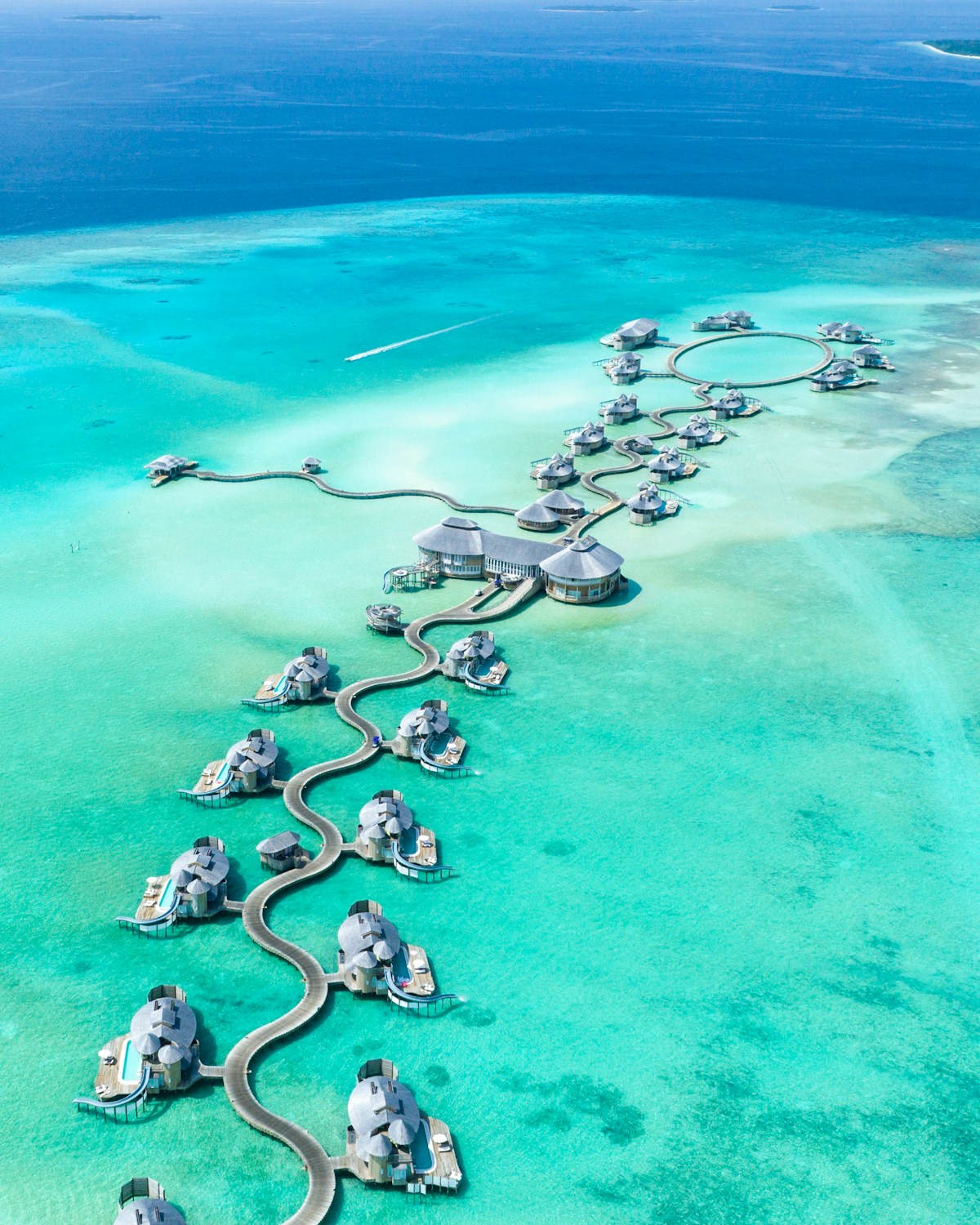
Maldives
Pristine atolls, manta rays, and world-class reef diving in crystal-clear waters
Explore destination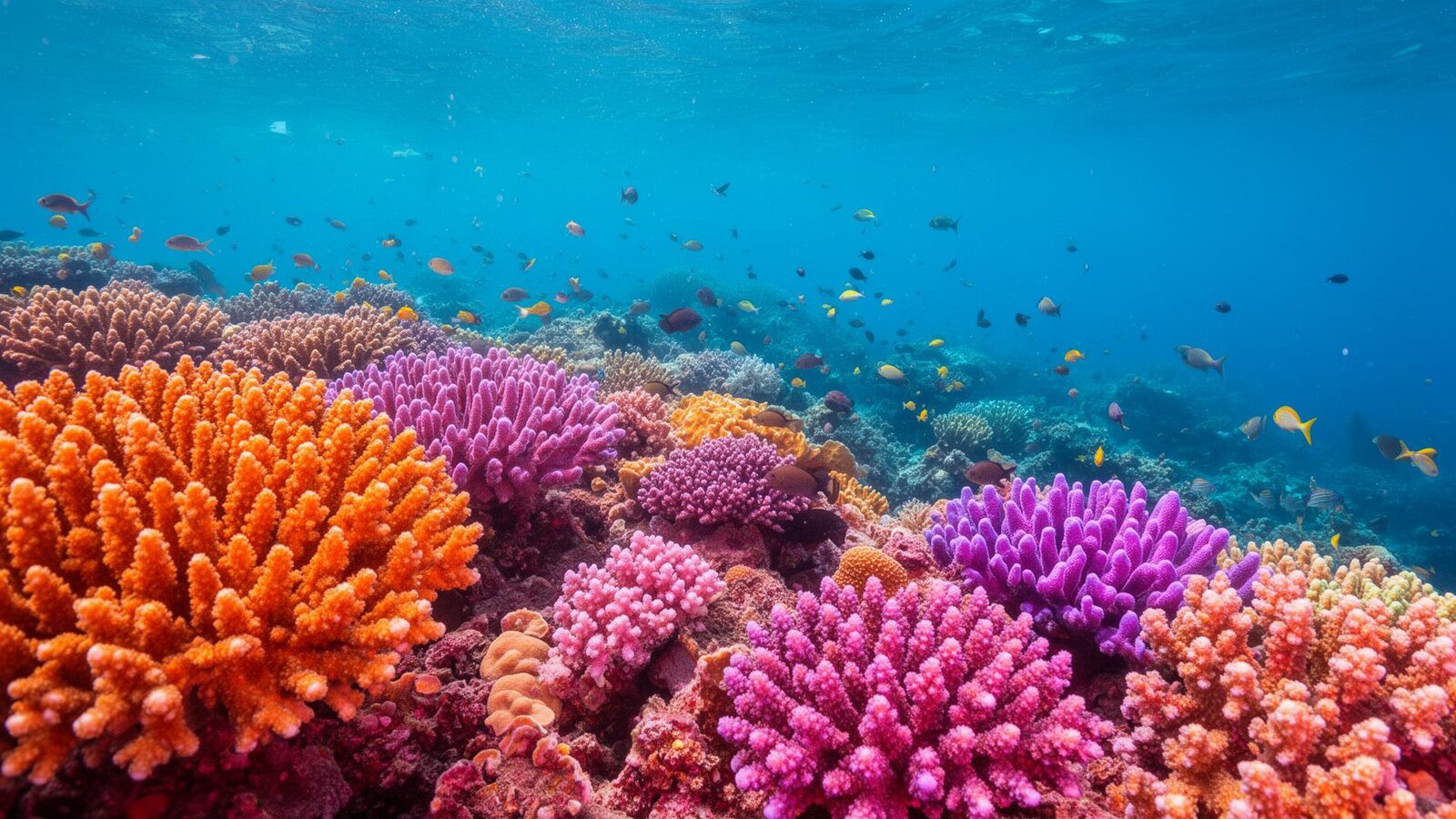
Egypt
Legendary wrecks, pristine reefs, and world-class shark encounters in the Red Sea
Explore destination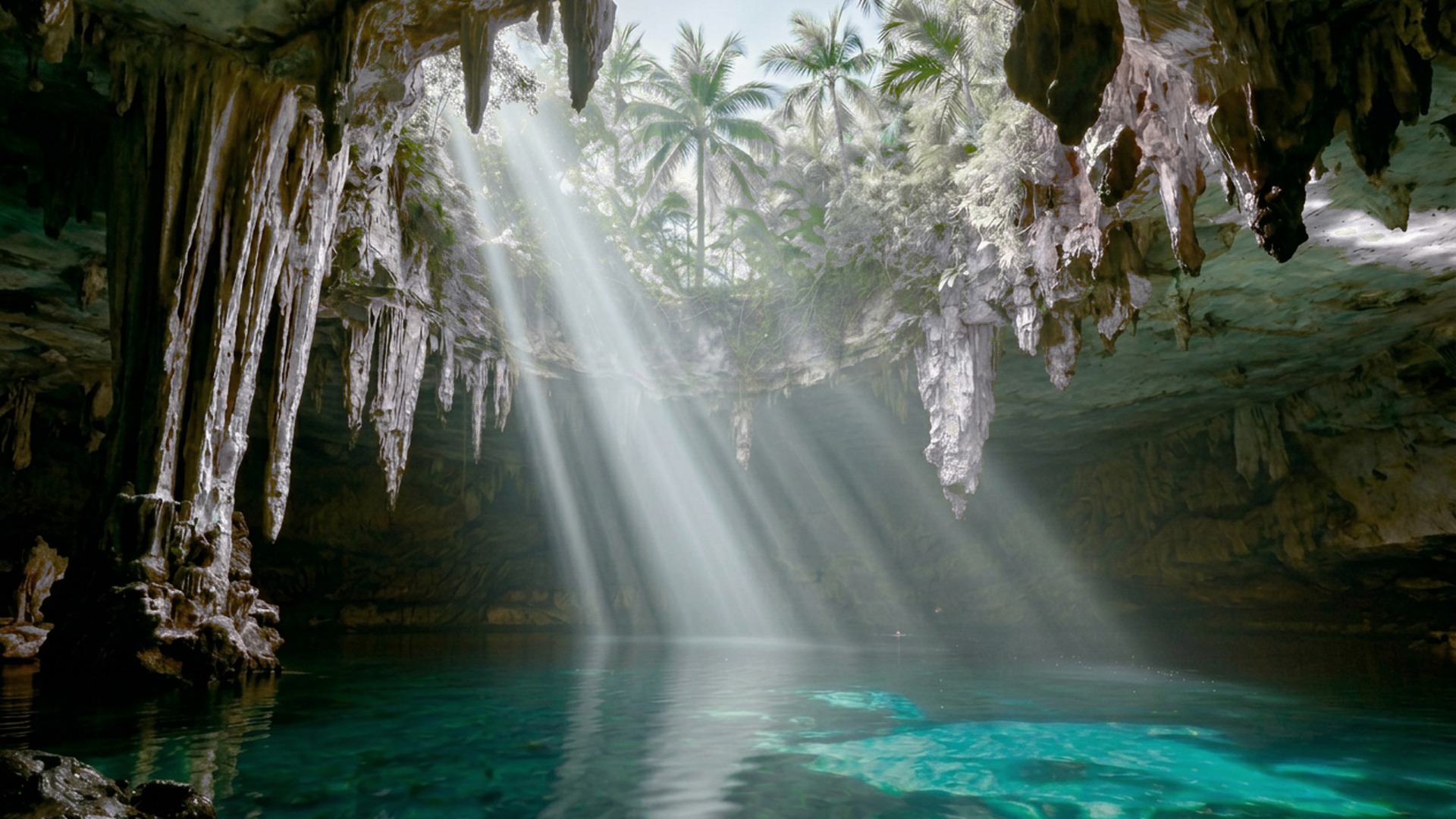
Mexico
Bull sharks, cenotes, and the world's best whale shark encounters
Explore destination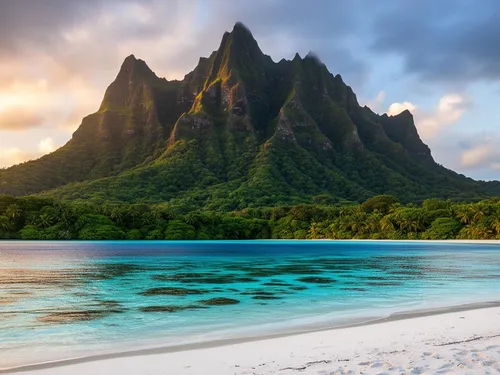
French Polynesia
Where Ocean Meets Paradise
Explore destination
Costa Rica
Remote expedition diving with massive hammerhead schools at Cocos Island
Explore destinationFrequently Asked Questions
How much does a shark diving trip cost?
It depends on remoteness. A week-long liveaboard to premier spots like the Galápagos or Cocos Island can range from $4,000 to $8,000 USD. More accessible locations like the Bahamas or Fiji offer land-based and liveaboard options that can be more budget-friendly.
What is the best time of year for shark diving?
Peak season varies by species. For schooling hammerheads in the Galápagos and Cocos, June to November is best. For great whites in Guadalupe, go from July to November. For reliable tiger shark encounters in the Bahamas, January to May is prime. Always research your target species first!
Is diving with sharks dangerous?
With professional operators, shark diving is statistically very safe. These are highly structured dives with strict protocols and expert guides. By following instructions and treating the animals with respect, you can safely witness these incredible predators in their natural habitat.
What certifications do I need to go shark diving?
Most premier shark destinations require at least an Advanced Open Water (AOWD) certification and 30-50+ logged dives. Given the dive profiles, a Nitrox certification is also highly recommended or sometimes mandatory. Some great white cage dives, however, require no certification at all.
Is there a good shark dive for beginners?
While many top sites are for advanced divers, some options exist. Diving with numerous but smaller reef sharks in the Maldives or some parts of the Caribbean can be less demanding. Non-certified divers can get a huge thrill from cage diving with great whites in South Africa or Mexico.
What's the best gear for photographing sharks underwater?
A wide-angle or fisheye lens is crucial for capturing large sharks or entire schools. Fast autofocus and good low-light performance are also huge assets. Most importantly, always prioritize your dive awareness and safety over getting the perfect shot. Never lose track of your surroundings or your guide.
Related Searches
Popular searches related to this guide