Quick comparison: where to swim with mantas
The Maldives and Komodo are the two most reliable manta encounters on the planet; Socorro is the bucket-list destination for the giant oceanic species.
- Maldives (Baa Atoll, Hanifaru Bay) — May–Nov · UNESCO-protected reef manta feeding aggregation, snorkel only, ~$120–$250/day.
- Indonesia (Komodo, Nusa Penida, Raja Ampat) — year-round · reef mantas on cleaning stations, dive or snorkel, liveaboards from ~$250/night.
- Mexico (Socorro / Revillagigedo) — Nov–May · giant oceanic mantas with 6–7m wingspans, dive-only, liveaboard-only, ~$4,500–$6,000/week.
- Ecuador (Isla de la Plata, Machalilla) — Jun–Oct · the world's largest oceanic mantas (up to 8m), day-boat diving from Puerto López.
- Hawaii (Kona) — year-round · famous night dive where lights attract plankton and mantas, ~$120/dive.
- Micronesia (Yap) — Dec–Apr · reliable reef manta cleaning stations in Mil Channel and Goofnuw Channel.
Maldives — Baa Atoll & Hanifaru Bay (May to November)
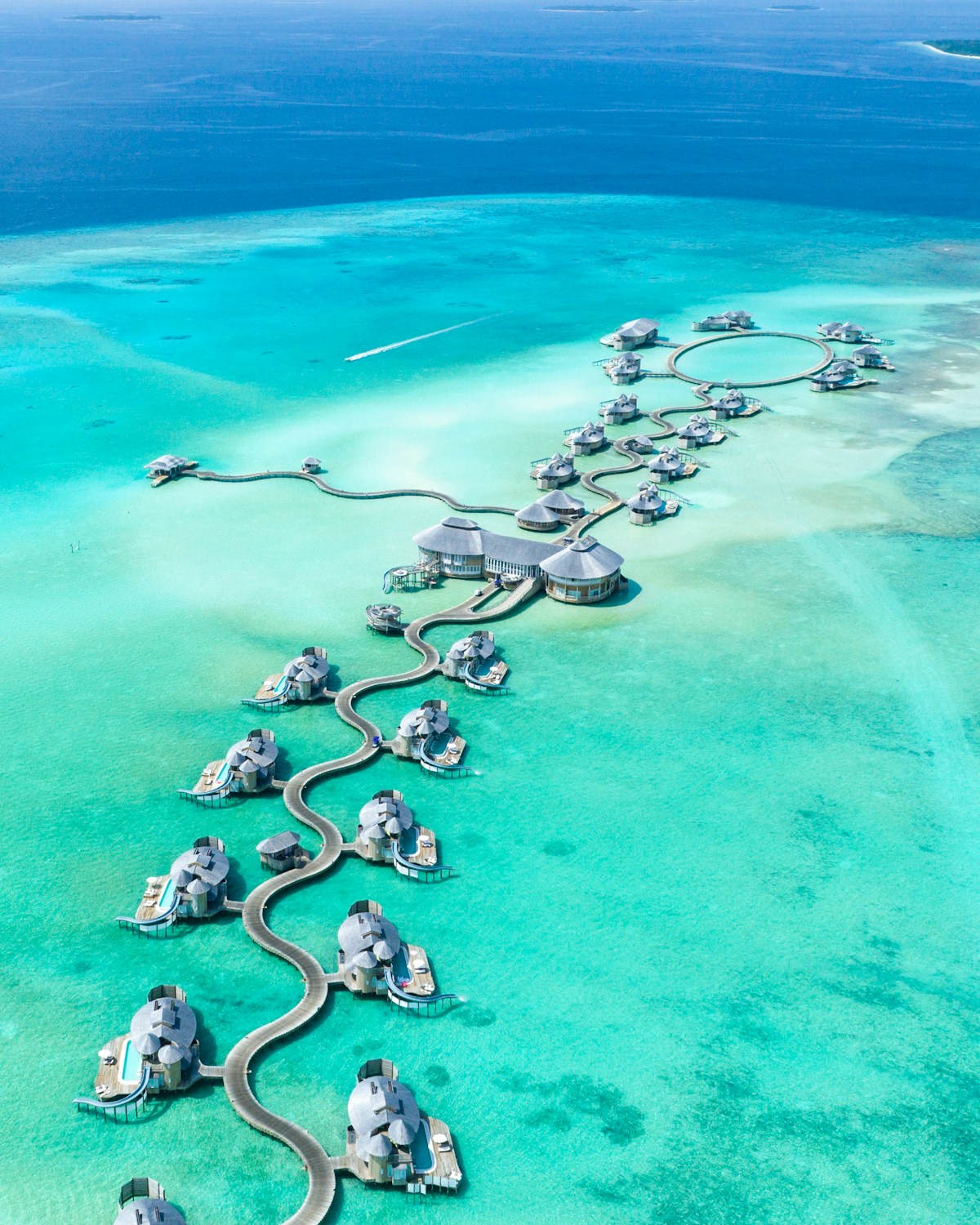
Between May and November, the southwest monsoon pushes plankton-rich water into Hanifaru Bay in Baa Atoll, triggering the largest reef manta feeding aggregation on Earth — up to 200 animals in a single bay. Hanifaru is a UNESCO Biosphere Reserve and strictly snorkel-only, with permits capped and enforced. Peak months are August and September on the new and full moon. Nearby cleaning stations in Baa, Ari and North Male Atolls run year-round. Most divers book a liveaboard that combines Central Atolls with Hanifaru day excursions.
Indonesia — Komodo, Nusa Penida & Raja Ampat (year-round)
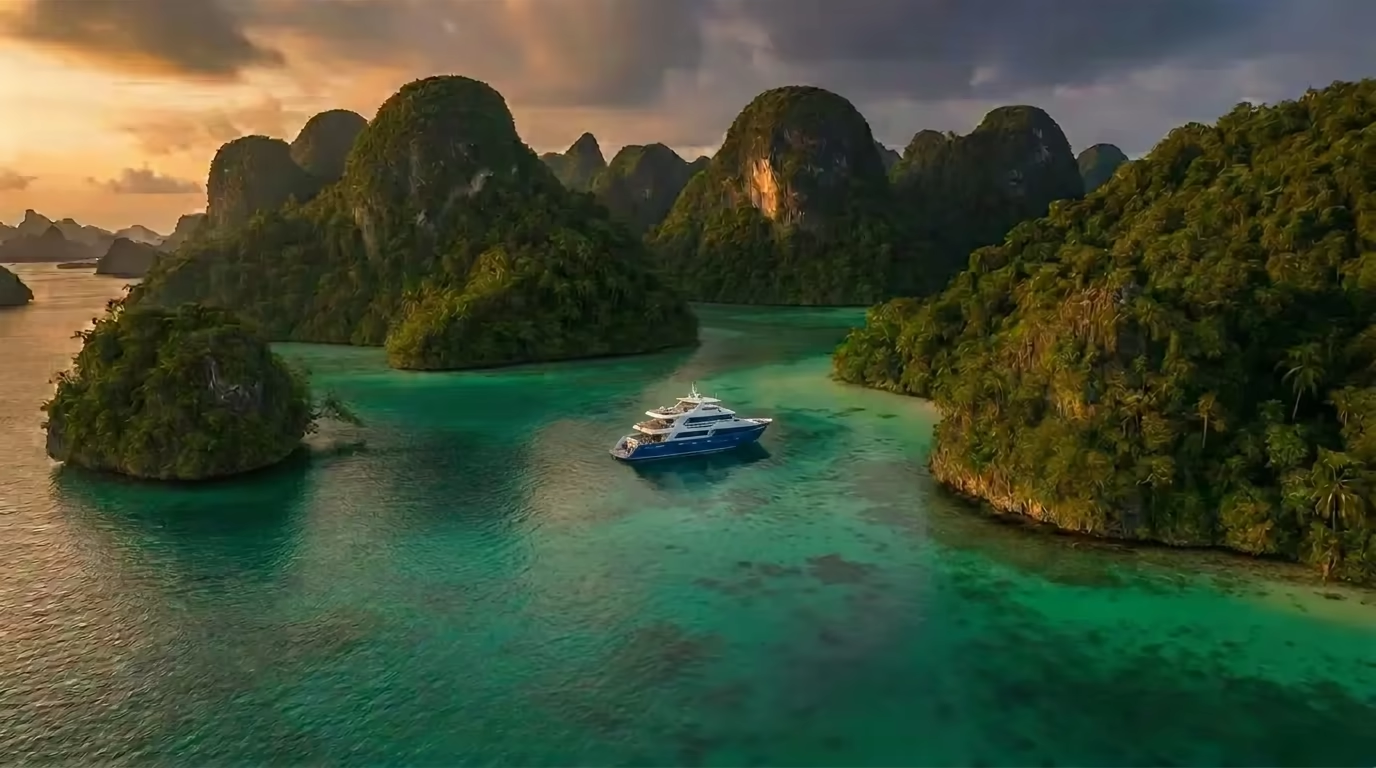
Indonesia offers the most diverse manta diving on Earth. In Komodo National Park, Manta Point (Karang Makassar) and Mawan are shallow cleaning stations with reef mantas on almost every dive, best from December to March. Nusa Penida off Bali has resident reef mantas year-round at Manta Point and Manta Bay — a rare place to see them from shore-accessible day boats. Raja Ampat's Manta Sandy and Blue Magic are the most reliable manta cleaning stations in the archipelago, peak season October to April. All three destinations feature heavily on Indonesian liveaboard itineraries.
Mexico — Socorro & Revillagigedo (November to May)
The Revillagigedo Archipelago 400 km south-west of Cabo San Lucas is the only place on the planet where giant oceanic mantas (Mobula birostris) reliably interact with divers. They are curious, unafraid, and often hover directly over the bubble stream for minutes at a time. Wingspans of 6–7 metres are routine, black morphs are common, and encounters happen on almost every dive at El Boiler and The Canyon around San Benedicto. Access is liveaboard-only (7–10 nights out of Cabo), $4,500–$6,000 per person. November–May, peak February–April.
Ecuador — Isla de la Plata & Machalilla (June to October)
Off Puerto López on the central Ecuadorian coast, the Machalilla Marine Park hosts the largest known aggregation of oceanic manta rays on Earth — individuals up to 8 metres across. Diving is done from day boats to Isla de la Plata, La Cabeza del Cantagallo and Bajo Cope. Visibility is modest (10–15 m) and the water is cool (18–22 °C, 5 mm wetsuit) but sightings are near-guaranteed from June to October, peak August–September. A far cheaper alternative to Socorro if you want the giant oceanic species.
Hawaii — Kona night dive (year-round)
The Kona manta night dive off the Big Island is the most popular manta encounter in the world — dive operators shine bright lights into the water column, plankton concentrates around the beam, and resident reef mantas (Mobula alfredi) come in to feed centimetres from your face. It runs year-round with two sites (Manta Village and Manta Heaven) and both scuba and snorkel options at ~$120. Numbers vary from 0 to 20 animals; the Manta Pacific Research Foundation reports 60–80% success. Ethical debate exists over light pollution but the operation is long-established and mantas are unfed.
How to choose an ethical operator
Five rules: 1) No touching, no chasing — a fin brush strips the manta's protective mucus and can cause infection. 2) Approach parallel and stay low; never swim over a manta on a cleaning station (they will leave). 3) Maintain a 3 m minimum distance and let the animal come to you — curious mantas will often approach within centimetres on their own terms. 4) No flash photography on cleaning stations; strobes fired at close range disturb feeding and cleaning behaviour. 5) Operators should contribute photo-ID data to research groups (Manta Trust, MantaMatcher, Marine Megafauna Foundation). If the operator can't answer these questions, walk away.
What to bring
Mask + snorkel + long-blade fins for Hanifaru (snorkel-only). 3 mm wetsuit in the Maldives and Indonesia, 5 mm plus hood in Socorro (water is 21–24 °C and there is current), full 7 mm in Ecuador. Reef-safe mineral sunscreen (oxybenzone and octinoxate are banned in Hawaii, Mexico and Palau, and unhealthy for the animals everywhere). Underwater camera with a wide lens — 16 mm full-frame or wider is ideal; mantas fill the frame fast at cleaning stations. Neutral-buoyancy skills before Socorro — the currents are strong and reef contact is not an option. Sea-sickness tablets for the crossing to Revillagigedo (24 hours of open Pacific).
Where to see them
Top destinations for this encounter — explore trips, seasons and dive sites.
Maldives
Pristine atolls, manta rays, and world-class reef diving in crystal-clear waters
Explore destination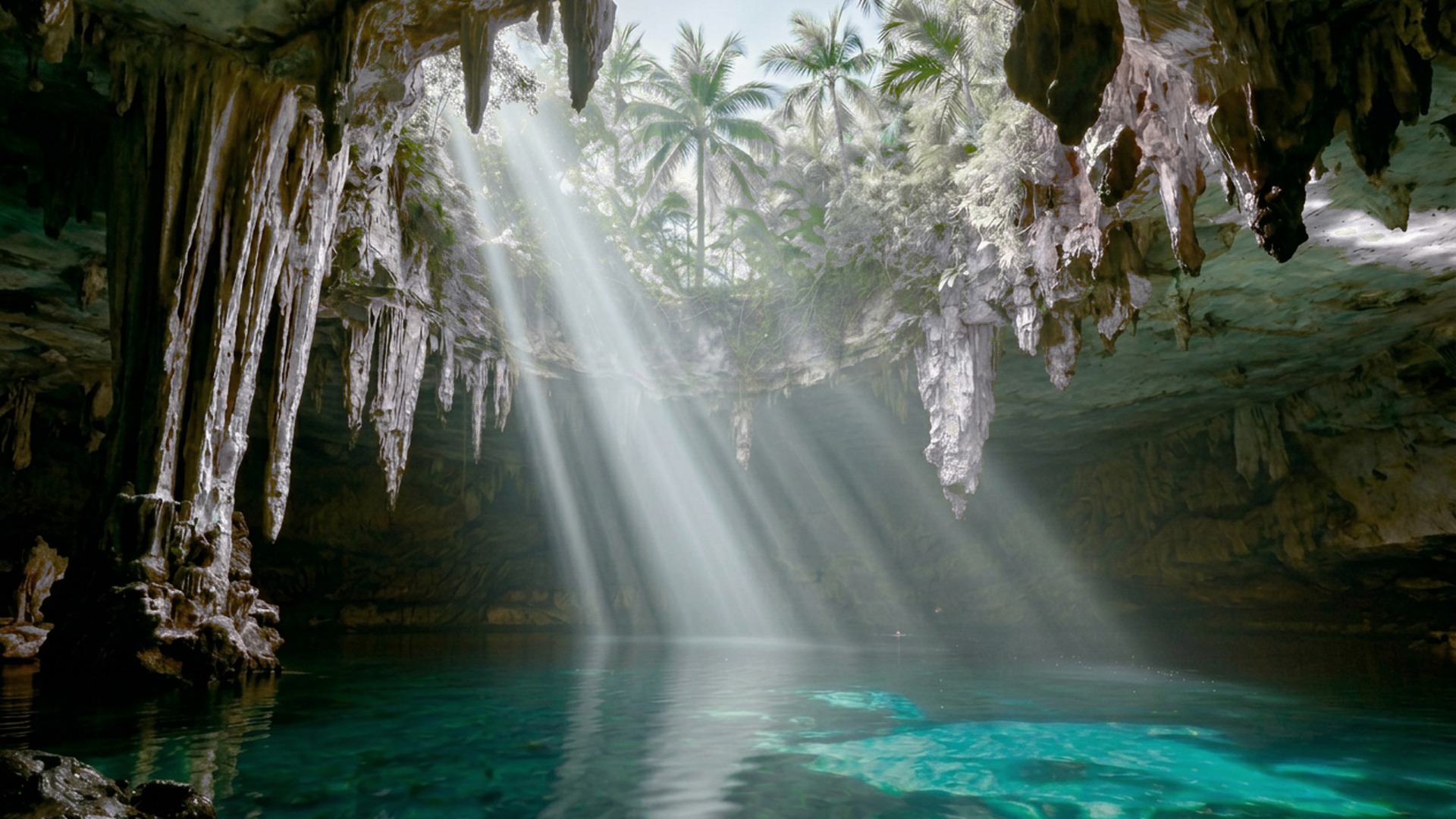
Mexico
Bull sharks, cenotes, and the world's best whale shark encounters
Explore destination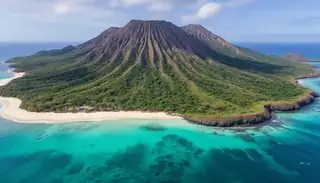
Komodo
Dragons Above, Mantas Below
Explore destination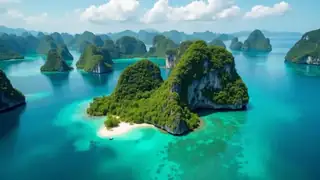
Raja Ampat
The Crown Jewel of Marine Biodiversity
Explore destination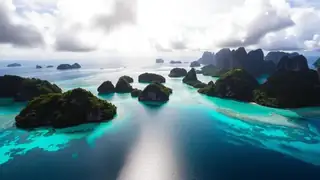
Indonesia
The Heart of the Coral Triangle — 17,000 Islands of Underwater Paradise
Explore destination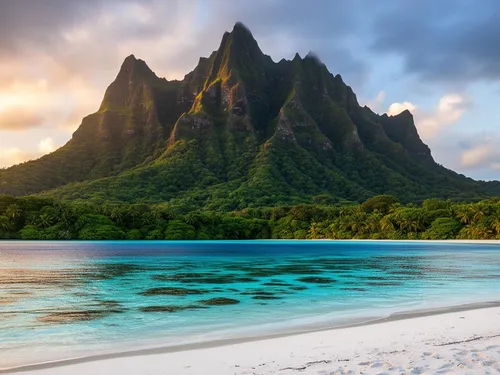
French Polynesia
Where Ocean Meets Paradise
Explore destination
Micronesia
Legendary wrecks, manta encounters, and pristine Pacific island culture
Explore destination
Fiji
Soft Coral Capital of the World
Explore destination
Thailand
Tropical Diving, Legendary Hospitality
Explore destinationFrequently Asked Questions
Is it safe to swim with manta rays?
Yes. Mantas are filter feeders with no barb, no teeth for biting and no interest in humans; there has never been a fatal incident. The practical risks are getting brushed by a wingtip on a busy cleaning station, boat propellers on surface swims, and sunburn during long snorkel sessions.
Do you need to be a certified diver?
It depends on the destination. Hanifaru Bay (Maldives), Nusa Penida and Hawaii offer world-class snorkel encounters that require no certification. Socorro, Komodo and Raja Ampat are advanced dive-only destinations. Ecuador is Open Water level and up.
When is the best month overall?
August–September at Hanifaru Bay (Maldives) delivers the largest feeding aggregation anywhere on Earth. February–April at Socorro is the most reliable window for giant oceanic mantas. December–March in Komodo is the peak for reef mantas in Indonesia.
What is the difference between reef and oceanic mantas?
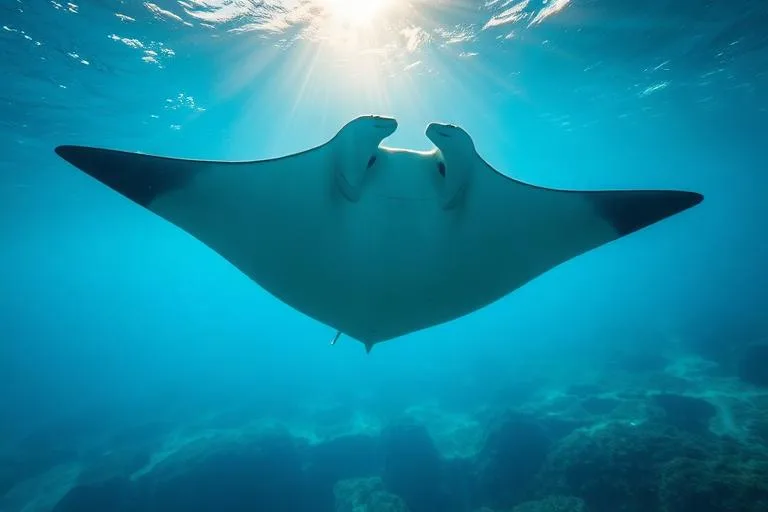
Reef mantas (Mobula alfredi) grow to about 4 m wingspan, live near shorelines and use cleaning stations. Most encounters worldwide — Maldives, Indonesia, Hawaii, Yap — are reef mantas. Oceanic mantas (Mobula birostris) grow to 7–8 m, are more pelagic and darker, and the reliable places to see them are Socorro, Ecuador and occasionally the Azores.
Are manta rays endangered?
Yes. The IUCN lists both species as Vulnerable, with populations declining from targeted fisheries (for gill plates used in traditional Chinese medicine), bycatch and boat strikes. Well-managed tourism at sites like Hanifaru, Komodo and Socorro is one of the strongest economic arguments for protecting them.
Related Searches
Popular searches related to this guide