Bluerides – Blue Rides - Book Liveaboards worldwideOCEAN ADVENTURES
River CruisesRiversNature & WildlifeOur Promise
River CruisesRiversNature & WildlifeOur PromiseSign In

River destinations

  • River destinations
  • Amazon
  • Danube
  • Rhine
  • Mekong
  • Nile

Ships & departures

  • River Cruise Search
  • Deals

Nature & Wildlife

  • Nature & Wildlife

Travel support

  • Our Promise
  • Contact

Contact

Get in Touch

Get in touch anytime, we're happy to help you find the right trip or sort out any question.

EmailWrite us, we usually reply within a few hours.
contact@bluerides.com
WhatsAppChat with us on WhatsApp, Mon–Fri 10:00–16:00 (CET).
Start WhatsApp Chat
PhoneCall us, we're happy to help.
Free call, Mon–Fri 10 AM – 8 PM (CET).
Europe+49 800 1144 990USA+1 888 557 7735UK+44 800 707 4152Australia+61 2 8599 6113Canada+1 888 557 7735
Which river journey is yours?Answer 8 quick questions and find the river cruise that fits you.
8 questions, 1 minute·Plus Gift
Secure Payment MethodsYour payments are fully secured with AES-256 encryption.
Powered byStripeWiseAMEXPayGoogle PaySEPABank
Imprint·Terms & Conditions·Privacy Policy·About·Contact·Liability Waiver·Affiliate Program·Cruise·Blog·
Visit us here

© 2026 Blue Rides. All rights reserved.

Bluerides – Blue Rides - Book Liveaboards worldwideOCEAN ADVENTURES
River CruisesRiversNature & WildlifeOur Promise
River CruisesRiversNature & WildlifeOur PromiseSign In
Watercock in wetland habitat — Mekong, River Cruises wildlifeAI-modified
Home›River Cruises›River Wildlife›Watercock

WatercockGallicrex cinereaWhere and when to see them

Previous speciesTurkey VultureNext speciesWattled Jacana

Watercock at a glance

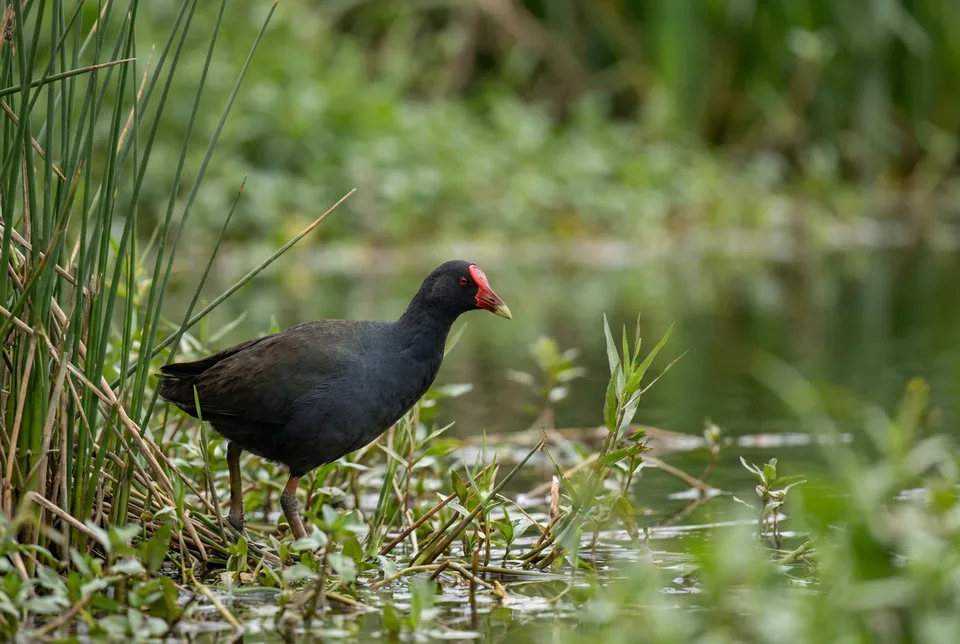
The Watercock is a large Asian rail, not a duck or a small heron. Its name suits the conspicuous breeding male, whose dark plumage and enlarged frontal ornament look very different from the smaller brown female. Thai National Parks describes a laterally flattened body, long toes and a short tail, features associated with moving through dense wetland cover. The Mekong record is specifically for Tra Su flooded forest near Chau Doc. It supports including the species in a specialist excursion profile, not promising that cruise passengers will see one from the open main channel. Species reference: https://www.thainationalparks.com/species/watercock
Behaviour & reproduction

Size
Male approximately 43 cm (16.9 in); female approximately 36 cm (14.2 in).
Weight
Male 476–650 g (16.8–22.9 oz); female 298–434 g (10.5–15.3 oz).
Lifespan
Species-specific lifespan not verified.
Status
Least Concern; BirdLife reports a decreasing population trend.

Watercocks usually keep within vegetation and can be difficult to see even when present. The retrieved account describes loud gulping calls, especially around dawn and dusk, and occasional appearances in the open. Feeding birds probe mud or shallow water and also pick up items by sight. A heard bird need not emerge while a boat passes, and a brief glimpse of a brown rail may not be identifiable. Listening quietly is more appropriate than entering cover or using repeated playback to force a response.

Top wildlife locations

Mekong river landscape — River Cruises wildlife habitatAI-modified

Mekong

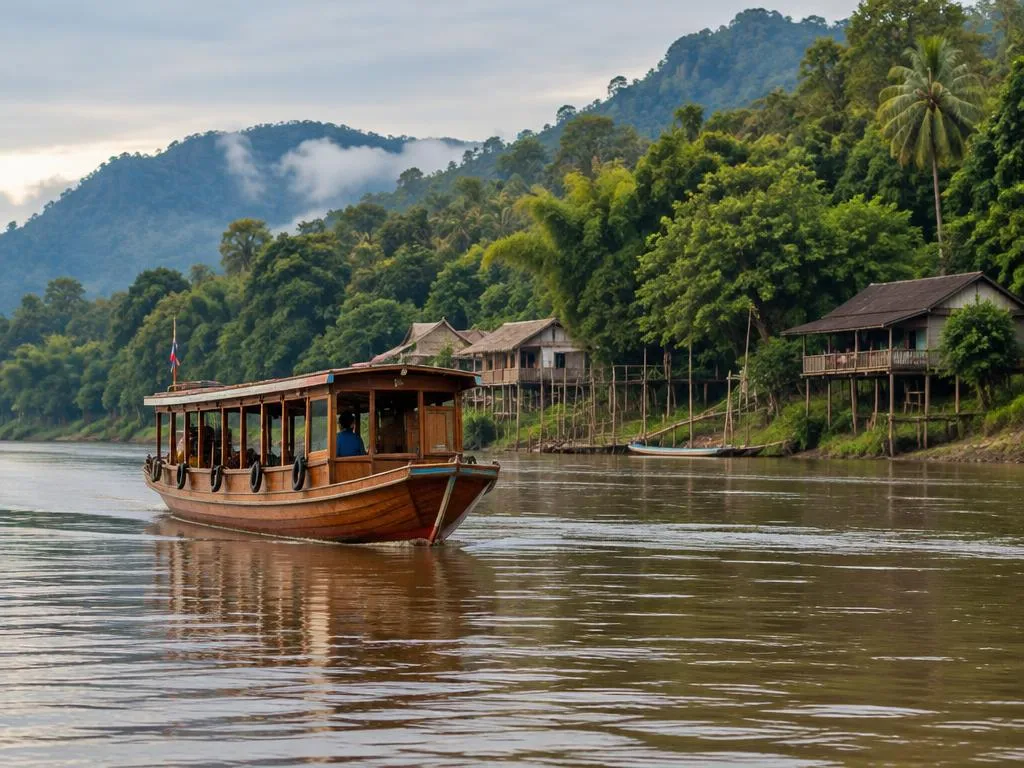
Vietnam Mekong delta: Tra Su flooded forest, optional shore excursion from Chau Doc (not main-channel deck wildlife) Official 2016 BirdLife/IEBR survey checklist, not a current abundance claim. Boat/boardwalk/tower viewing; crakes, Watercock and coucals elusive. Migrant kingfishers, pond herons and waders seasonal.
Explore river cruises

Destinations describe the species' habitat, not guaranteed cruise stops. Some animals require an optional inland excursion or are found in restricted reserves.

Fun facts about the Watercock

  • It is the only species in Gallicrex.
  • Males are larger than females.
  • Breeding males develop an enlarged frontal ornament.
  • Females have brown marked plumage.
  • Its body is laterally compressed.
  • It has long toes and a short tail.
  • Its call is described as loud and gulping.
  • Its food includes insects, small fish and seeds.

Best time to see the Watercock

Tra Su’s survey listing is occurrence evidence, not a recurring observation calendar. Species accounts from Thailand or other Asian populations cannot determine the best months at this Vietnamese site. The location months therefore remain empty. Dawn and dusk calling are daily behavioural observations rather than annual season evidence. Ask a local guide about recent calls, water levels and access, without turning a report of current activity into a guaranteed seasonal promise. A breeding male’s conspicuous appearance elsewhere does not justify assigning local numerical months.

Watercock: season matrix by destination

Highlighted months reflect the stated local evidence, not guaranteed encounters. Neutral months mean no verified monthly viewing window, not absence. Observation records and recommended viewing windows are distinct.

Mekong

A recurring numerical observation calendar for this exact reach was not verified. The cited source supports occurrence only; survey, breeding and individual trip dates are not converted into months.

JanFebMarAprMayJunJulAugSepOctNovDec
Explore river cruises

Where the Watercock lives

Swamps and densely vegetated wet ground are the relevant broad habitats. Long toes and a narrow body help a Watercock negotiate places where movement is hidden by stems and leaves. At Tra Su, the registered setting is a flooded-forest shore excursion, with boat, boardwalk or tower viewing subject to local access rules. The official survey establishes occurrence at the site, but it does not identify every reed patch as occupied. Forest waterways and vegetated margins must be assessed on the ground by a guide rather than inferred from the Mekong’s regional extent.

What the Watercock eats

The retrieved species account lists insects, small fish and seeds. Food is obtained by probing mud or shallow water and by visually selecting items on the ground. This mixture distinguishes the bird from a specialist fish-catching heron and from a duck gathering submerged vegetation. No Tra Su food study, prey frequency table or seasonal feeding schedule was verified. A visitor may see only a bird walking through cover; lack of a visible feeding event does not mean the margin is unimportant habitat.

Species at a glance

Common name
Watercock
Scientific name
Gallicrex cinerea
Animal group
Birds
Size
Male approximately 43 cm (16.9 in); female approximately 36 cm (14.2 in).
Weight
Male 476–650 g (16.8–22.9 oz); female 298–434 g (10.5–15.3 oz).
Lifespan
Species-specific lifespan not verified.
Status
Least Concern; BirdLife reports a decreasing population trend.
Identification
Breeding males are mainly black-grey with red legs and bill, an extended frontal shield and a hornlike projection. Females are smaller and brown, with darker streaking and barring, a yellow bill and greenish legs. Young males are initially buff and darken as they mature, so not every male has the striking adult breeding appearance. Long toes, a short tail and rail proportions are useful supporting characters. These differences make sex and age important; a brief sighting should be checked against other rails rather than identified by size alone.

Watercock: frequently asked questions

Where can I see the Watercock?
Mekong. Allow the guide to stop at vegetated margins and listen before scanning for movement at stem level. A distant tower can show the wetland setting but may be inadequate for identifying a concealed rail. From a boat or boardwalk, watch natural gaps rather than trying to open a view through plants. Do not enter reedbeds, chase a bird or request repeated call playback. If only an indistinct brown rail is seen, retain an uncertain identification instead of choosing Watercock because it appears on the checklist.
When is the best time to see the Watercock?
Tra Su’s survey listing is occurrence evidence, not a recurring observation calendar. Species accounts from Thailand or other Asian populations cannot determine the best months at this Vietnamese site. The location months therefore remain empty. Dawn and dusk calling are daily behavioural observations rather than annual season evidence. Ask a local guide about recent calls, water levels and access, without turning a report of current activity into a guaranteed seasonal promise. A breeding male’s conspicuous appearance elsewhere does not justify assigning local numerical months.
How big does the Watercock get?
Male approximately 43 cm (16.9 in); female approximately 36 cm (14.2 in).. Adult weight: Male 476–650 g (16.8–22.9 oz); female 298–434 g (10.5–15.3 oz).. Size varies with age, sex and population.
How should I behave around the Watercock?
Allow the guide to stop at vegetated margins and listen before scanning for movement at stem level. A distant tower can show the wetland setting but may be inadequate for identifying a concealed rail. From a boat or boardwalk, watch natural gaps rather than trying to open a view through plants. Do not enter reedbeds, chase a bird or request repeated call playback. If only an indistinct brown rail is seen, retain an uncertain identification instead of choosing Watercock because it appears on the checklist.
What does the Watercock eat?
The retrieved species account lists insects, small fish and seeds. Food is obtained by probing mud or shallow water and by visually selecting items on the ground. This mixture distinguishes the bird from a specialist fish-catching heron and from a duck gathering submerged vegetation. No Tra Su food study, prey frequency table or seasonal feeding schedule was verified. A visitor may see only a bird walking through cover; lack of a visible feeding event does not mean the margin is unimportant habitat.
Are wildlife sightings guaranteed on a river cruise?
No. Animals move freely and routes, weather, access restrictions and local conditions influence every outing. Confirm the actual itinerary and shore program before booking.

Compare wildlife in the same destinations

Explore other birds recorded in these destinations. Similar surroundings do not mean the animals share the same habits or viewing season.

Species comparison by animal group and destination
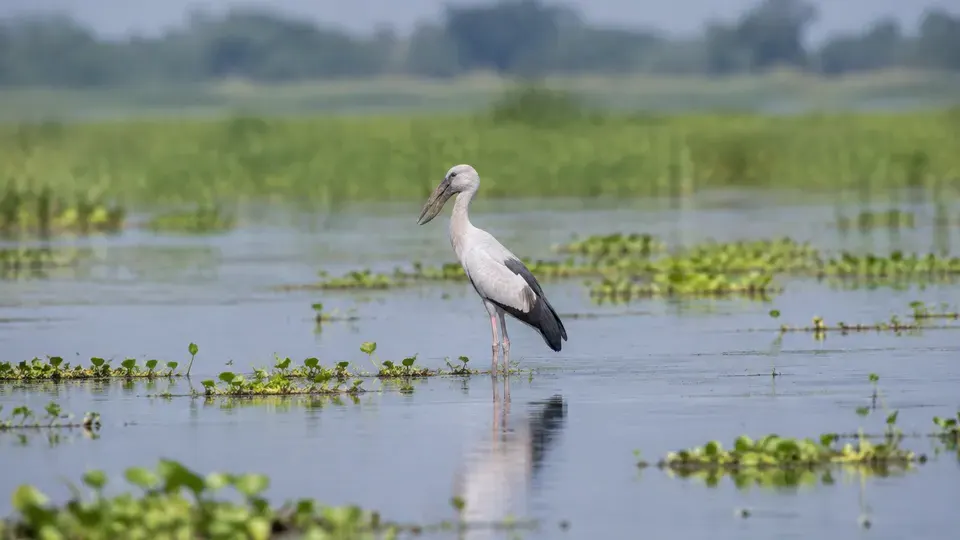
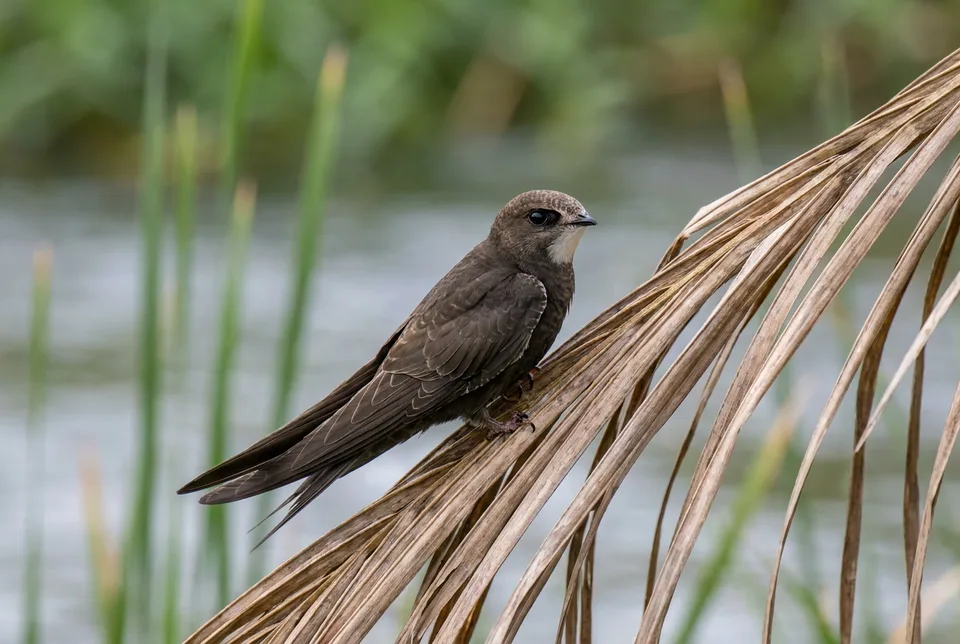
Watercock in wetland habitat — Mekong, River Cruises wildlifeAI-modifiedWatercockAsian openbill in wetland habitat — Mekong, River Cruises wildlifeAI-modifiedAsian OpenbillAsian Palm Swift in wetland habitat — Mekong, River Cruises wildlifeAI-modifiedAsian Palm Swift
Animal groupBirdsAnimal groupBirdsAnimal groupBirds
DestinationsMekongDestinationsMekongDestinationsMekong
Scientific name
Gallicrex cinerea
Scientific name
Scientific name
Previous speciesTurkey VultureNext speciesWattled Jacana
All river wildlife
On this page
  • 01About
  • 02Behaviour & reproduction
  • 03Top wildlife locations
  • 04Fun facts
  • 05Best season
  • 06Season matrix by destination
  • 07Habitat
  • 08Diet
  • 09Species at a glance
  • 10Questions & answers
  • 11Compare

Find your river cruise

AI-modified
Plan your trip

Find your next river journey

Compare destinations, shore programs and dates with the animals and habitats you would love to see.

  • Daily shore excursions
  • Responsible wildlife watching
  • Boutique river ships
Explore river cruises