Bluerides – Blue Rides - Book Liveaboards worldwideOCEAN ADVENTURES
River CruisesRiversNature & WildlifeOur Promise
River CruisesRiversNature & WildlifeOur PromiseSign In

River destinations

  • River destinations
  • Amazon
  • Danube
  • Rhine
  • Mekong
  • Nile

Ships & departures

  • River Cruise Search
  • Deals

Nature & Wildlife

  • Nature & Wildlife

Travel support

  • Our Promise
  • Contact

Contact

Get in Touch

Get in touch anytime, we're happy to help you find the right trip or sort out any question.

EmailWrite us, we usually reply within a few hours.
contact@bluerides.com
WhatsAppChat with us on WhatsApp, Mon–Fri 10:00–16:00 (CET).
Start WhatsApp Chat
PhoneCall us, we're happy to help.
Free call, Mon–Fri 10 AM – 8 PM (CET).
Europe+49 800 1144 990USA+1 888 557 7735UK+44 800 707 4152Australia+61 2 8599 6113Canada+1 888 557 7735
Which river journey is yours?Answer 8 quick questions and find the river cruise that fits you.
8 questions, 1 minute·Plus Gift
Secure Payment MethodsYour payments are fully secured with AES-256 encryption.
Powered byStripeWiseAMEXPayGoogle PaySEPABank
Imprint·Terms & Conditions·Privacy Policy·About·Contact·Liability Waiver·Affiliate Program·Cruise·Blog·
Visit us here

© 2026 Blue Rides. All rights reserved.

Bluerides – Blue Rides - Book Liveaboards worldwideOCEAN ADVENTURES
River CruisesRiversNature & WildlifeOur Promise
River CruisesRiversNature & WildlifeOur PromiseSign In
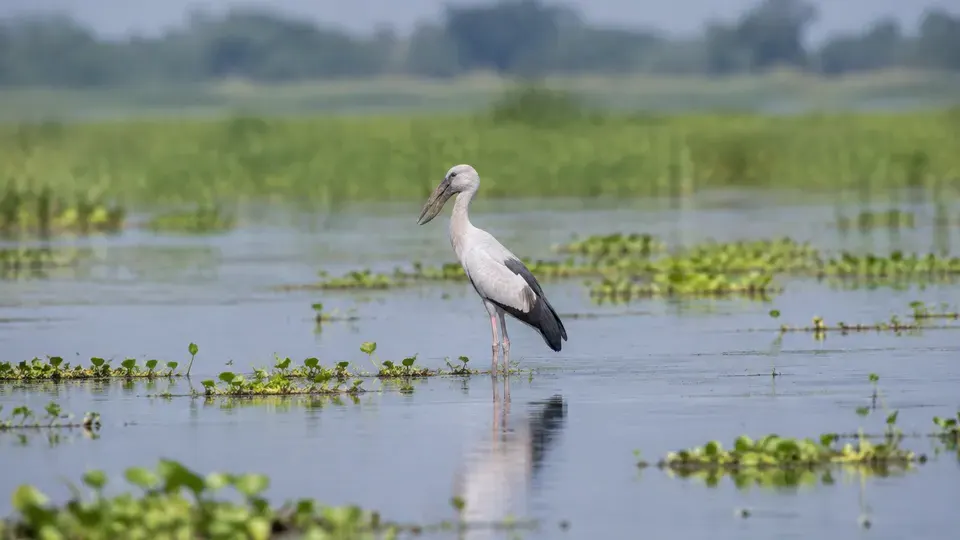
Asian openbill in wetland habitat — Mekong, River Cruises wildlifeAI-modified
Home›River Cruises›River Wildlife›Asian Openbill

Asian OpenbillAnastomus oscitansWhere and when to see them

Previous speciesAsh-breasted AntbirdNext speciesAsian Palm Swift

Asian Openbill at a glance

The Asian Openbill is a relatively small stork with a pale greyish or white body, black wings and tail, and an unusually shaped bill. Its scientific name is Anastomus oscitans. The visible gap between the adult bill's mandibles gives the bird its familiar English name, while pinkish legs offer another useful clue. The River registry connects this species specifically with Prek Toal on Cambodia's Tonle Sap, as an optional dedicated wetland excursion via Siem Reap rather than Phnom Penh cruising. The local checklist dated 27 December 2018 lists Asian Openbill with its scientific name and resident code. That confirms a documented association, not a month-by-month sighting forecast. BirdLife DataZone reports Least Concern in its 2025 assessment, but a global category does not guarantee local abundance or access. Keep the species' broad wetland ecology separate from the limited itinerary evidence: neither the name Mekong nor suitable habitat proves its presence at another stop.

Behaviour & reproduction

Size
About 81 cm (31.9 in) average length in Animal Diversity Web
Weight
Species-specific weight not verified
Lifespan
Species-specific lifespan not verified
Status
See sourced assessment

Asian Openbills often make their presence obvious in the air: eBird describes frequent soaring, sometimes in large, dense flocks. Their extended necks provide a useful contrast with the retracted-neck flight of herons and egrets. On the ground they wade slowly through shallow water, and the Animal Diversity Web account describes feeding alone as well as gathering where food is plentiful. These are different social settings, so a solitary feeding bird is not inconsistent with a flocking species. The same biology account describes tree nesting and parents alternating incubation and foraging, linking feeding opportunities with the demands of raising young. None of these general behaviours establishes a local Prek Toal breeding timetable. Watch birds without trying to provoke flight to obtain the classic flock photograph. A naturally soaring flock gives identification clues without disturbance, while a quiet feeding individual may provide a better view of the bill shape and careful searching movements.

Top wildlife locations

Mekong river landscape — River Cruises wildlife habitatAI-modified

Mekong

Cambodia: Prek Toal, Tonle Sap OPTIONAL dedicated wetland excursion via Siem Reap; not Phnom Penh cruising. The 27 December 2018 Prek Toal colony checklist explicitly lists this species. This association is not extended to Tra Su or any other cruise stop. Current access and sightings require confirmation with a local guide.
Explore river cruises

Destinations describe the species' habitat, not guaranteed cruise stops. Some animals require an optional inland excursion or are found in restricted reserves.

Fun facts about the Asian Openbill

  • Its common name refers to the distinctive gap in the bill.
  • The black wings and tail may show a slight gloss.
  • The legs are pinkish.
  • It often soars in dense flocks.
  • It flies with its neck extended, unlike typical herons.
  • Snails are an important component of its diet.
  • Its feeding account includes both touch and sight in locating prey.
  • It may feed alone or gather where food is abundant.
  • The biology account describes parents alternating incubation and foraging.

Best time to see the Asian Openbill

The monthly display is intentionally left empty because the available sources do not establish a recurring Asian Openbill viewing interval specifically for Prek Toal. The 2018 colony checklist marks the species with a resident code, but that is not a record of reliable visitor visibility in every month. The local tour page includes Asian Openbill among its key species and calls the colony busiest between December and April. That statement covers the colony as a whole, not a verified openbill-only season, so it is not used to highlight calendar months. Nor can a general statement about wetland residency settle the effects of water levels, route access or changing feeding locations. Ask the operator when openbills were last seen on the intended excursion and whether current conditions allow the usual reserve route. Retaining unknown months is more honest than borrowing dates from another species, another Cambodian wetland or a broad dry-season tourism description.

Asian Openbill: season matrix by destination

Highlighted months reflect the stated local evidence, not guaranteed encounters. Neutral months mean no verified monthly viewing window, not absence. Observation records and recommended viewing windows are distinct.

Mekong

No recurring species-specific Prek Toal monthly viewing window established. Colony-wide dry-season timing is not adopted as a species calendar.

JanFebMarAprMayJunJulAugSepOctNovDec
Explore river cruises

Where the Asian Openbill lives

Shallow marshes, flooded agricultural fields and lakes are the principal habitat examples in eBird's Asian Openbill identification account. Animal Diversity Web also describes flooded fields, estuarine marshes and brackish lakes, demonstrating that the species' ecological range is broader than one freshwater reserve. Those general habitat records should not be converted into additional River destinations. Here the verified association remains Prek Toal, where the excursion source describes seasonally flooded forest and scrub around Tonle Sap. Feeding habitat and nesting substrate are related but not identical: open shallow water can support searching birds, while the biology account places nests on tree branches above ground. Lake level, vegetation and legal boat access therefore influence what a visitor can actually inspect. A broad expanse of open water is not itself evidence of a visible colony. Ask the operator which protected wetland route is included and whether recent observations support looking for openbills there during the planned visit.

What the Asian Openbill eats

Asian Openbills are animal-eating wetland birds with a diet strongly associated with snails. Animal Diversity Web lists golden apple snails and other aquatic invertebrates, including molluscs, crabs and worms, among their foods. Its account also includes frogs, reptiles, insects and fish, so describing the species as eating only snails would be too restrictive. Birds locate prey using touch and sight while wading, and the pointed lower mandible is used in handling hard-shelled prey and extracting flesh. That account supplies species-level feeding context, not measurements of what Prek Toal birds eat on a particular day. Water depth and prey availability can affect where feeding birds gather, which helps explain why a flock may not remain beside the visitor route. Watch for natural searching and handling movements through binoculars. Never provide snails or other food, collect animals for demonstrations, or ask a guide to manipulate the wetland to make captures easier to photograph.

Species at a glance

Common name
Asian Openbill
Scientific name
Anastomus oscitans
Animal group
Birds
Size
About 81 cm (31.9 in) average length in Animal Diversity Web
Weight
Species-specific weight not verified; family-level ranges are not substituted
Lifespan
Species-specific lifespan not verified
Status
Least Concern in BirdLife DataZone, assessment year 2025. This is global status, not a statement about numbers at Prek Toal.
Identification
The adult Asian Openbill combines a greyish-to-white body with black wings and tail that can show a slight gloss. Its dull greyish-yellow bill has the distinctive gap that supplies the common name, and its legs are pinkish. eBird calls it a relatively small stork, while Animal Diversity Web gives an average length of about eighty-one centimetres; those descriptions are compatible rather than competing measurements. Flying birds frequently soar and keep the neck extended, unlike typical herons and egrets in flight. At long range, black-and-white plumage alone is insufficient because other waterbirds can produce a similar impression. Wait for a change in angle, check the bill when possible and compare the flight posture with a guide's assessment. The bill gap should be treated as one strong feature within a combination, not a reason to approach a resting bird. Species-specific weight and lifespan are not verified here, and a general stork-family mass range is deliberately not substituted.

Asian Openbill: frequently asked questions

Where can I see the Asian Openbill?
Mekong. Look for Asian Openbills both in the sky and in shallow feeding habitat during a guided Prek Toal excursion. In a soaring flock, note the outstretched necks and black flight feathers against the paler body. On a perched or feeding bird, concentrate on the bill gap, pinkish legs and black wings and tail. Distance and glare may hide the gap, so combine several features rather than forcing an identification from one silhouette. The registered trip is optional via Siem Reap and Tonle Sap; ordinary Phnom Penh cruising is not equivalent access. Stay on the authorised boat route and let the guide decide where stopping is appropriate. WCS's account of ranger protection at the colony explains why nest areas require particular care, even when birds seem accustomed to boats. Keep noise low, never feed or flush birds, and do not demand a flight photograph. A checklist record establishes historical presence, not a promise that your boat will encounter a large flock.
When is the best time to see the Asian Openbill?
The monthly display is intentionally left empty because the available sources do not establish a recurring Asian Openbill viewing interval specifically for Prek Toal. The 2018 colony checklist marks the species with a resident code, but that is not a record of reliable visitor visibility in every month. The local tour page includes Asian Openbill among its key species and calls the colony busiest between December and April. That statement covers the colony as a whole, not a verified openbill-only season, so it is not used to highlight calendar months. Nor can a general statement about wetland residency settle the effects of water levels, route access or changing feeding locations. Ask the operator when openbills were last seen on the intended excursion and whether current conditions allow the usual reserve route. Retaining unknown months is more honest than borrowing dates from another species, another Cambodian wetland or a broad dry-season tourism description.
How big does the Asian Openbill get?
About 81 cm (31.9 in) average length in Animal Diversity Web. Adult weight: Species-specific weight not verified; family-level ranges are not substituted. Size varies with age, sex and population.
How should I behave around the Asian Openbill?
Look for Asian Openbills both in the sky and in shallow feeding habitat during a guided Prek Toal excursion. In a soaring flock, note the outstretched necks and black flight feathers against the paler body. On a perched or feeding bird, concentrate on the bill gap, pinkish legs and black wings and tail. Distance and glare may hide the gap, so combine several features rather than forcing an identification from one silhouette. The registered trip is optional via Siem Reap and Tonle Sap; ordinary Phnom Penh cruising is not equivalent access. Stay on the authorised boat route and let the guide decide where stopping is appropriate. WCS's account of ranger protection at the colony explains why nest areas require particular care, even when birds seem accustomed to boats. Keep noise low, never feed or flush birds, and do not demand a flight photograph. A checklist record establishes historical presence, not a promise that your boat will encounter a large flock.
What does the Asian Openbill eat?
Asian Openbills are animal-eating wetland birds with a diet strongly associated with snails. Animal Diversity Web lists golden apple snails and other aquatic invertebrates, including molluscs, crabs and worms, among their foods. Its account also includes frogs, reptiles, insects and fish, so describing the species as eating only snails would be too restrictive. Birds locate prey using touch and sight while wading, and the pointed lower mandible is used in handling hard-shelled prey and extracting flesh. That account supplies species-level feeding context, not measurements of what Prek Toal birds eat on a particular day. Water depth and prey availability can affect where feeding birds gather, which helps explain why a flock may not remain beside the visitor route. Watch for natural searching and handling movements through binoculars. Never provide snails or other food, collect animals for demonstrations, or ask a guide to manipulate the wetland to make captures easier to photograph.
Are wildlife sightings guaranteed on a river cruise?
No. Animals move freely and routes, weather, access restrictions and local conditions influence every outing. Confirm the actual itinerary and shore program before booking.

Compare wildlife in the same destinations

Explore other birds recorded in these destinations. Similar surroundings do not mean the animals share the same habits or viewing season.

Species comparison by animal group and destination
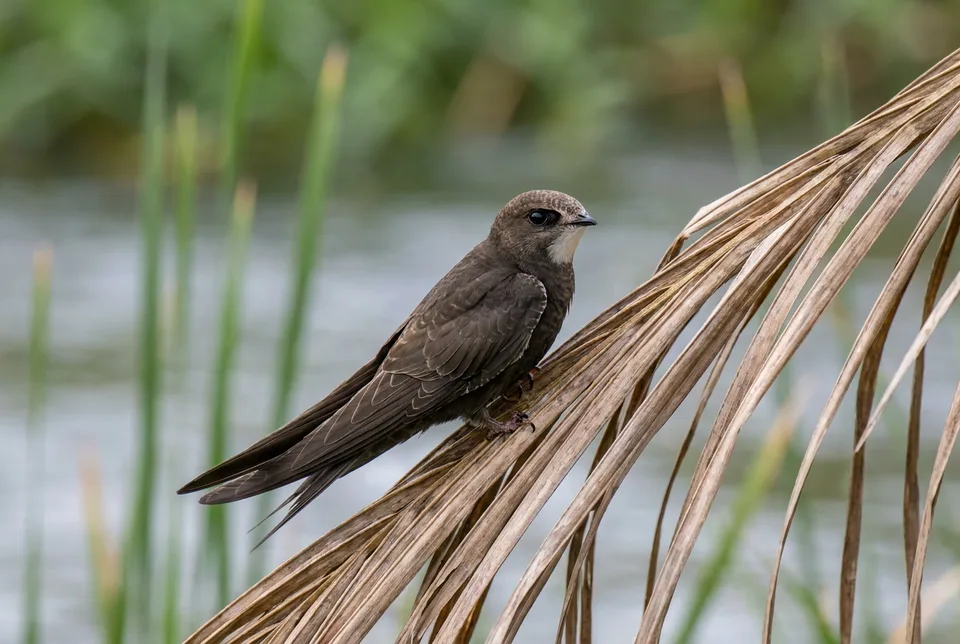
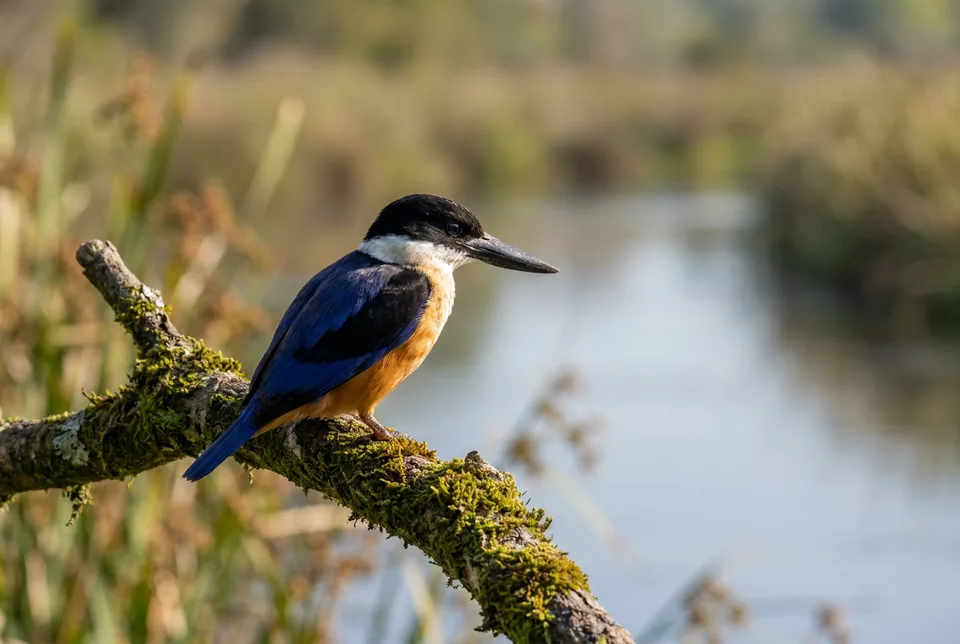
Asian openbill in wetland habitat — Mekong, River Cruises wildlifeAI-modifiedAsian OpenbillAsian Palm Swift in wetland habitat — Mekong, River Cruises wildlifeAI-modifiedAsian Palm SwiftBlack-capped Kingfisher in wetland habitat — Mekong, River Cruises wildlifeAI-modifiedBlack-capped Kingfisher
Animal groupBirdsAnimal groupBirdsAnimal groupBirds
DestinationsMekongDestinationsMekongDestinationsMekong
Scientific name
Anastomus oscitans
Scientific name
Scientific name
Previous speciesAsh-breasted AntbirdNext speciesAsian Palm Swift
All river wildlife
On this page
  • 01About
  • 02Behaviour & reproduction
  • 03Top wildlife locations
  • 04Fun facts
  • 05Best season
  • 06Season matrix by destination
  • 07Habitat
  • 08Diet
  • 09Species at a glance
  • 10Questions & answers
  • 11Compare

Find your river cruise

AI-modified
Plan your trip

Find your next river journey

Compare destinations, shore programs and dates with the animals and habitats you would love to see.

  • Daily shore excursions
  • Responsible wildlife watching
  • Boutique river ships
Explore river cruises