Nile river cruise scenery
Egypt · Luxor to Aswan

Nile River Cruises

Temples, tombs and life along the river

River ships & dahabiyas

From 10 to 150 guests

Best Oct–Apr

Mild days, cool evenings

Guided temple visits

On your confirmed itinerary

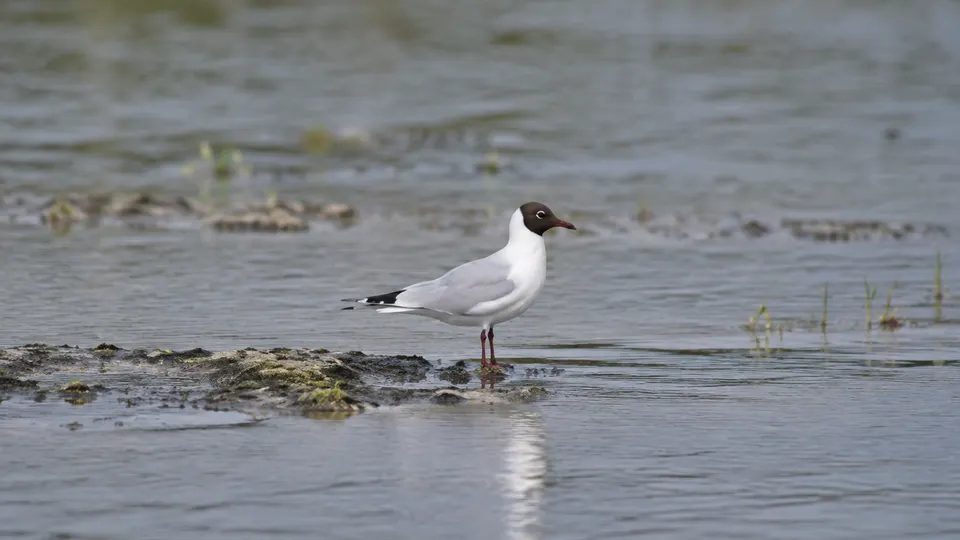
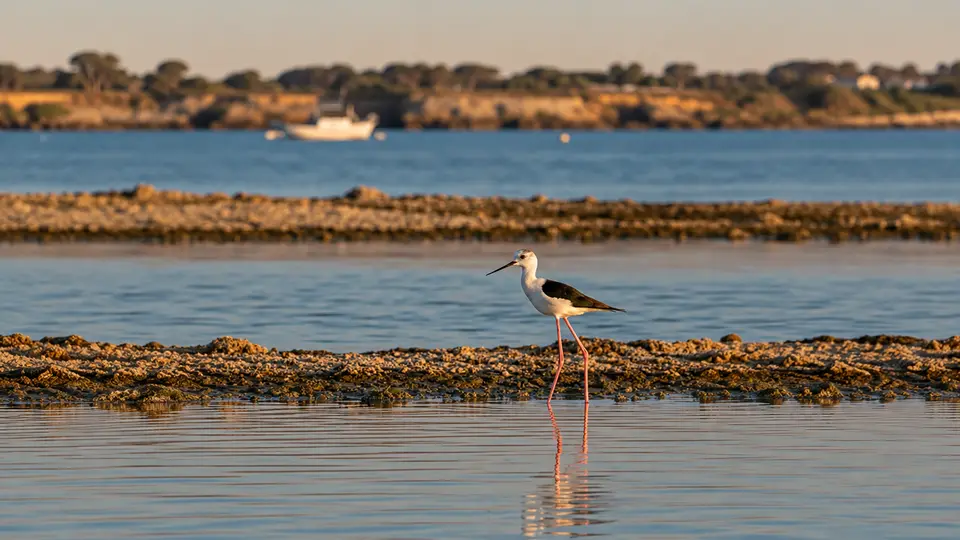
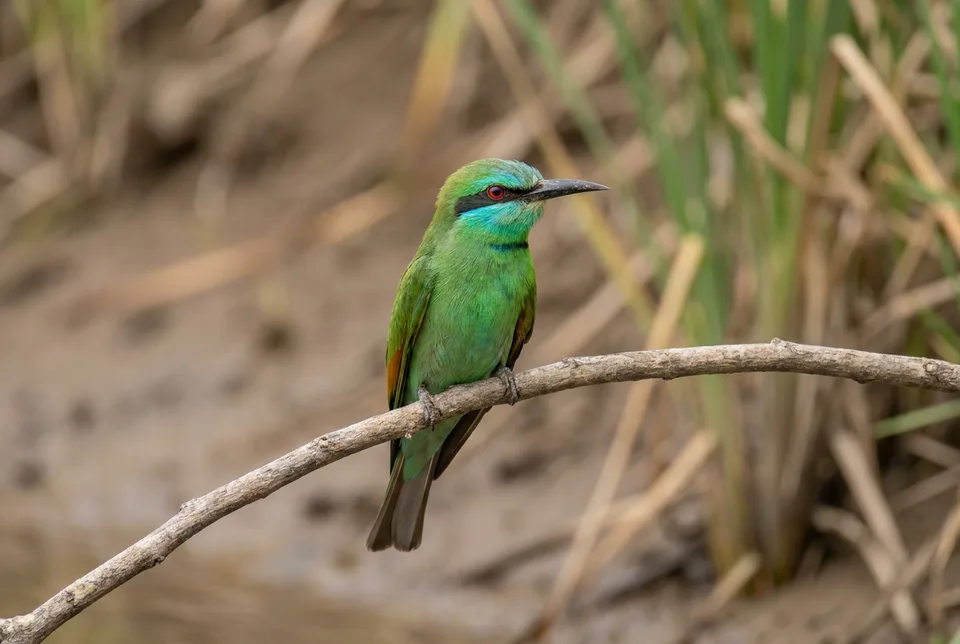
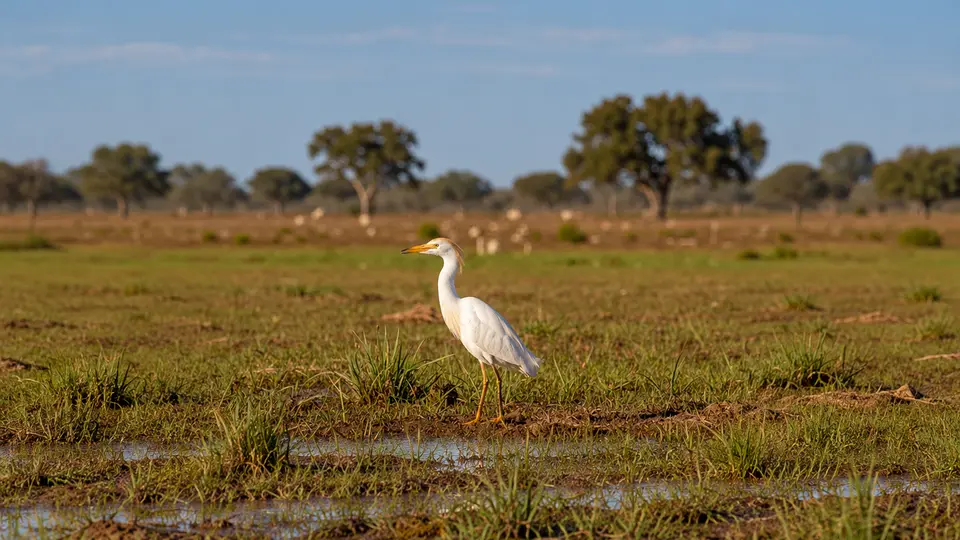
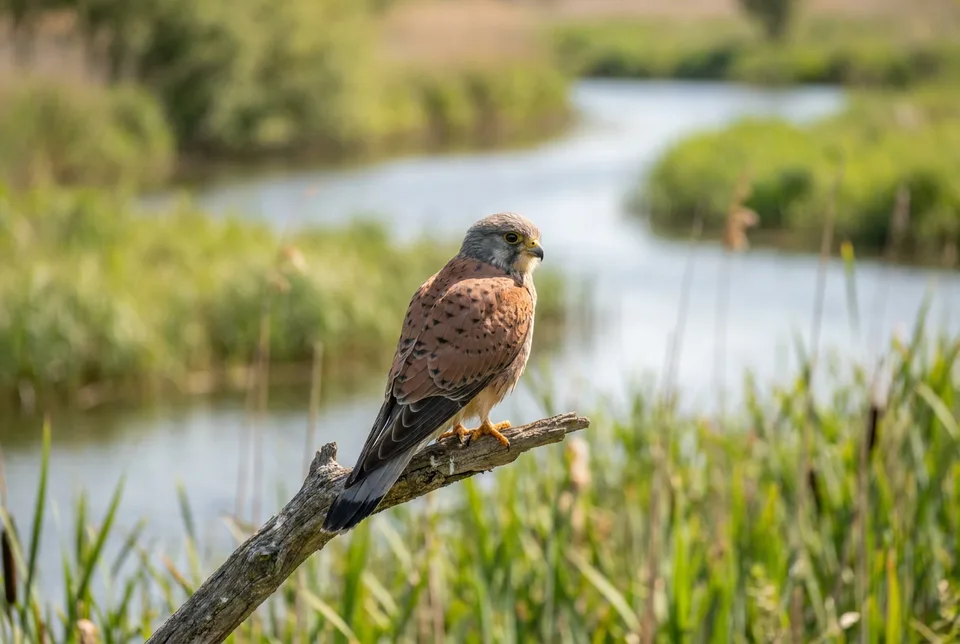
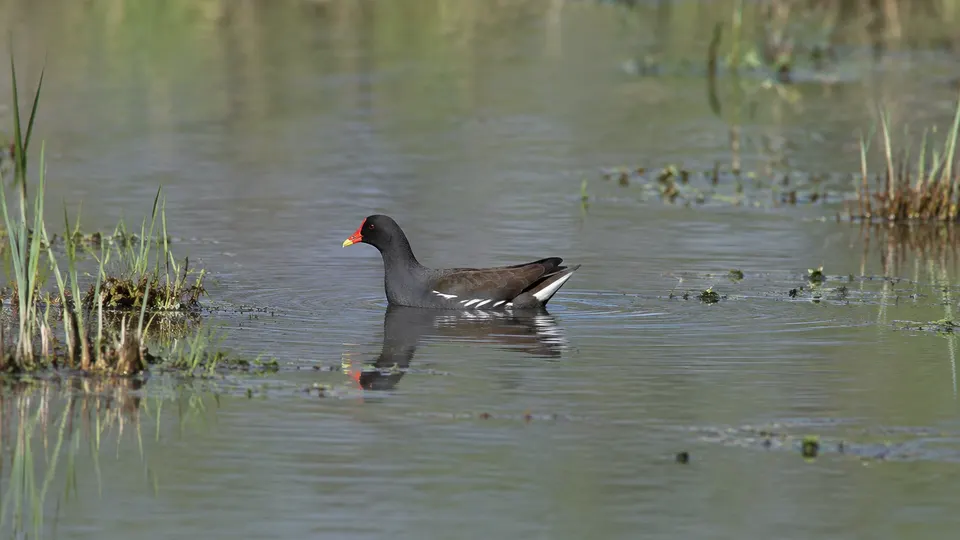
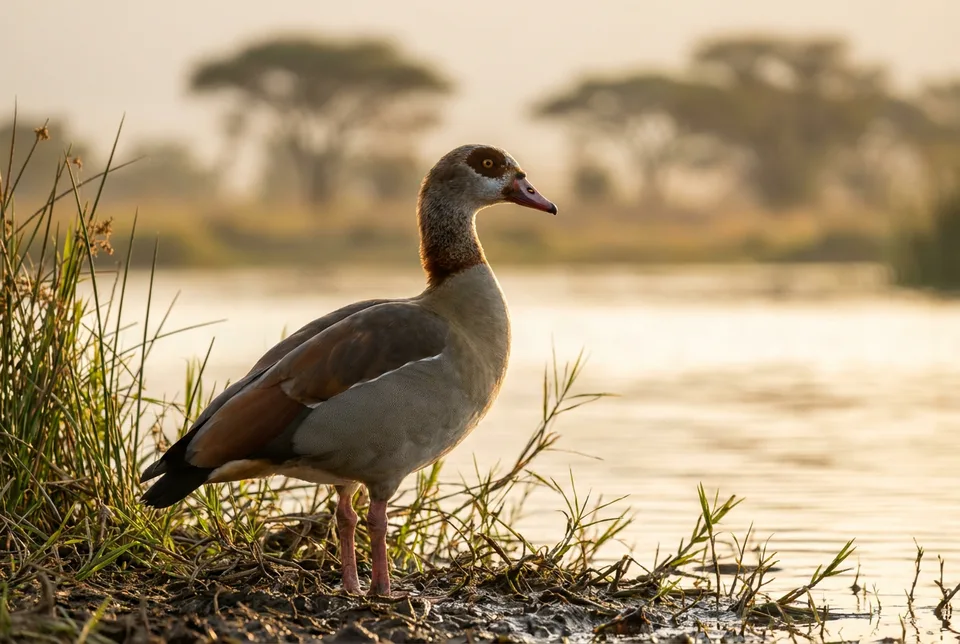
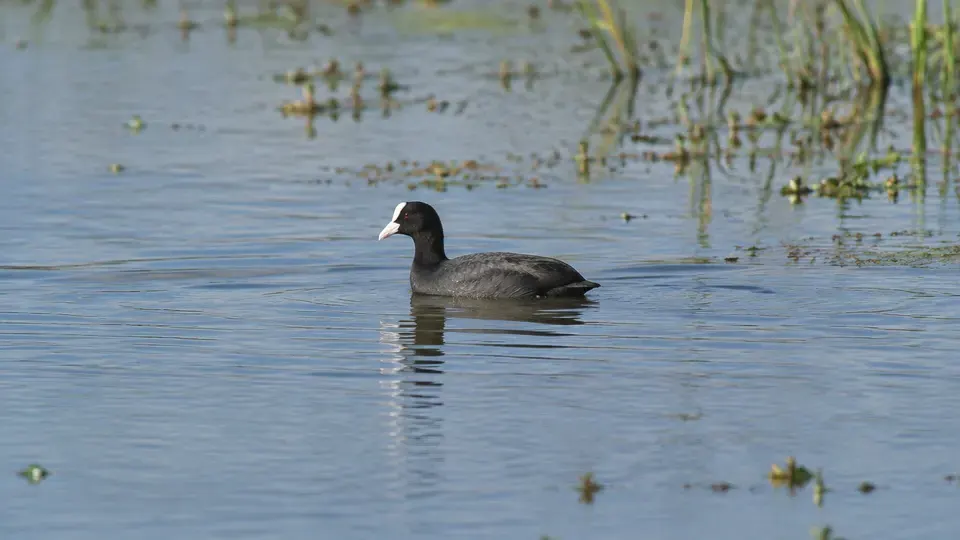
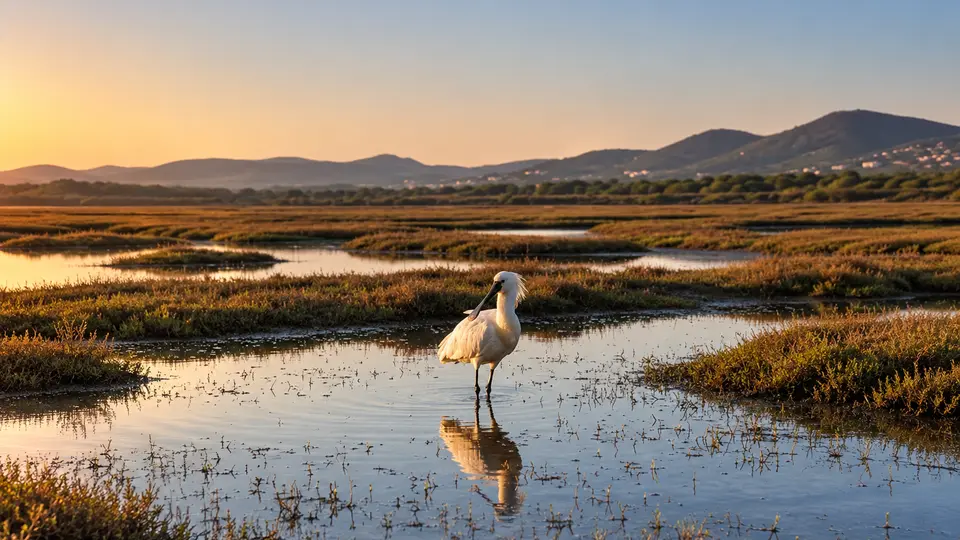
Birdlife on the banks

Herons, egrets & kingfishers

A river like no other

The river is the journey

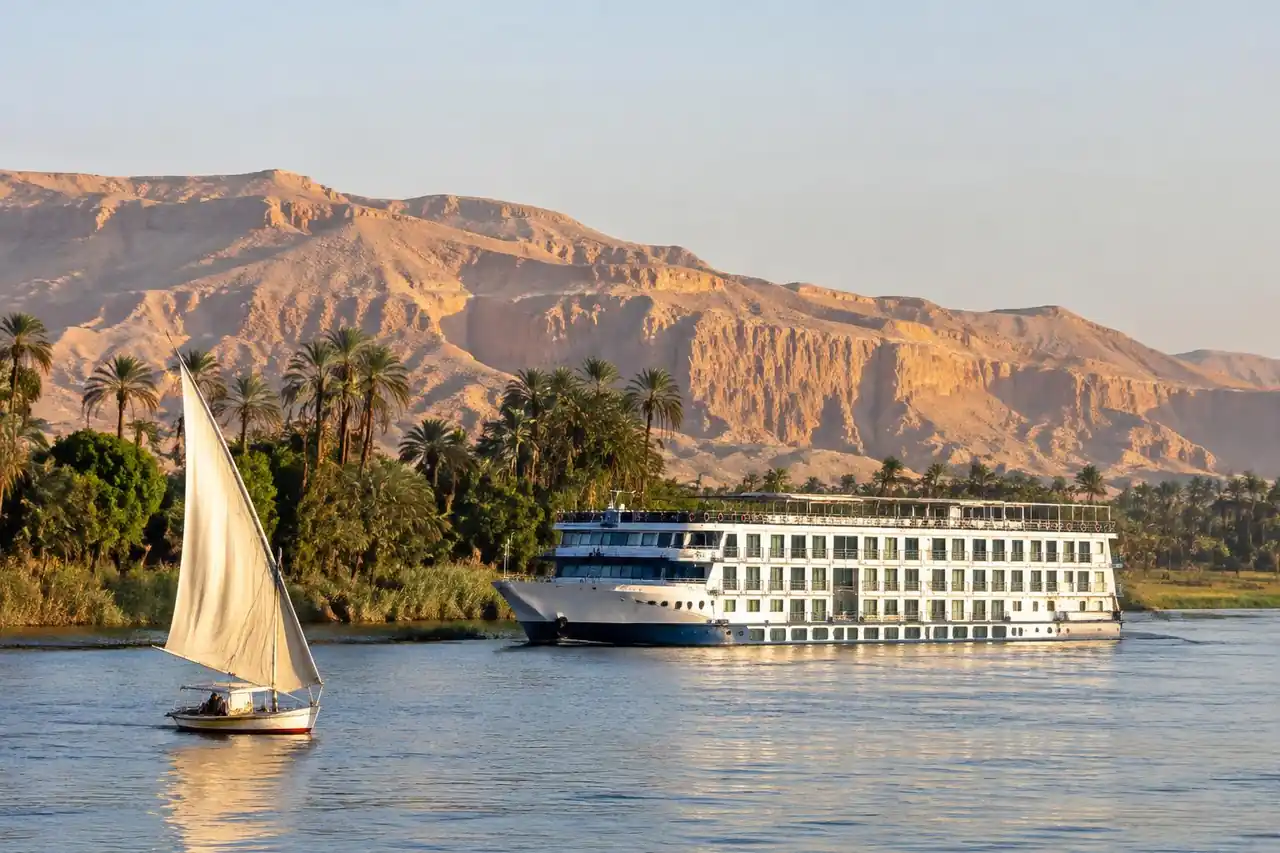
A Nile cruise follows the lifeline of ancient Egypt. Between Luxor and Aswan your ship links temples, tombs and riverside villages, while a guide explains the history behind each stop.
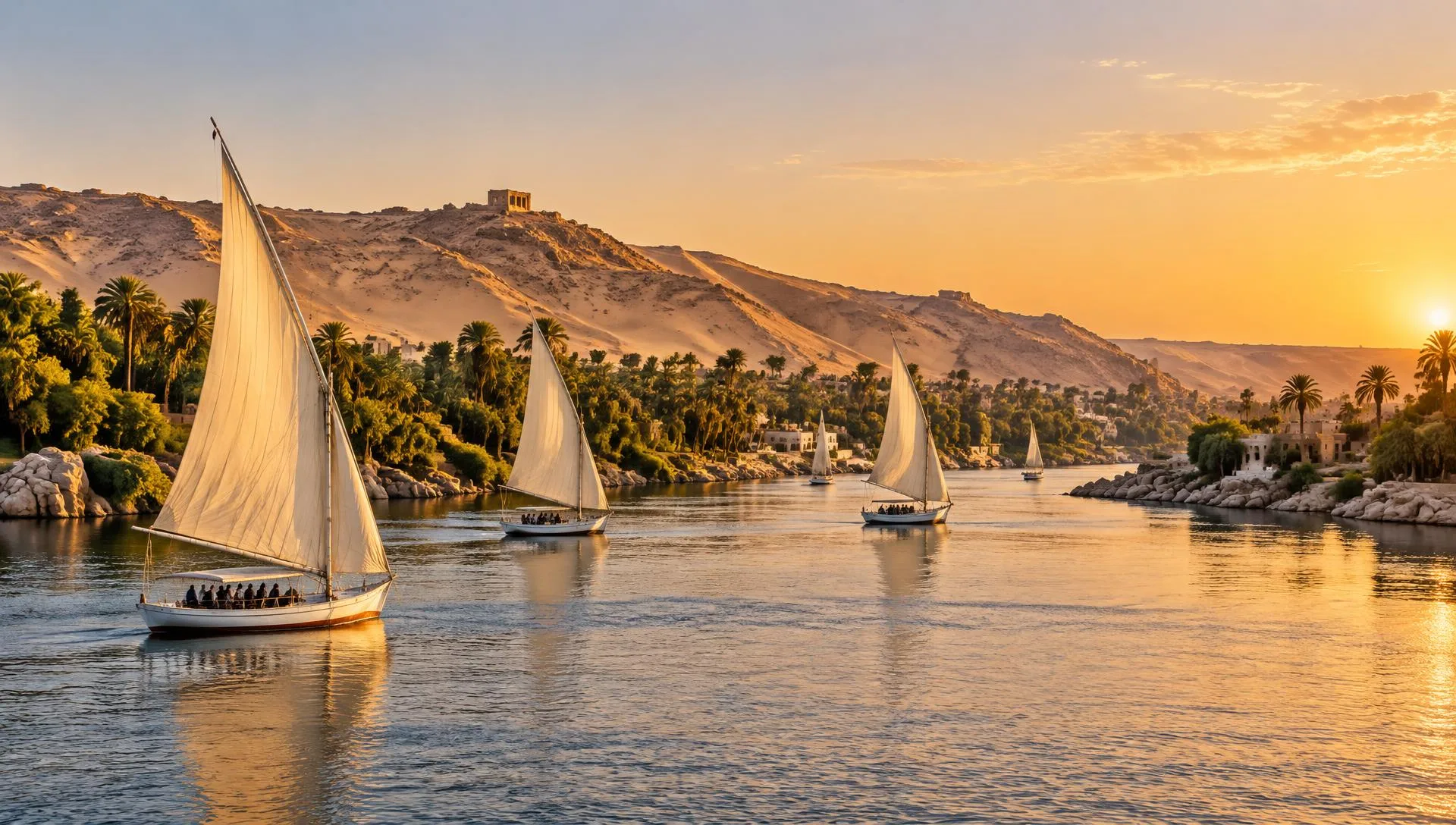
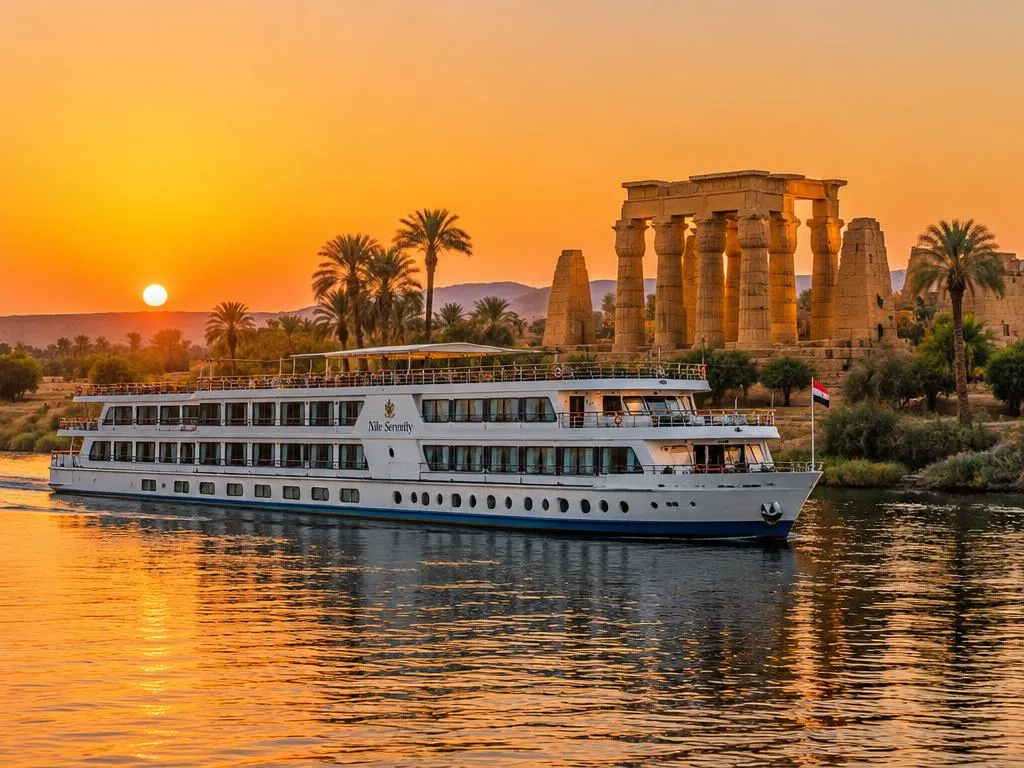
Nile cruise ship and felucca beside palm-lined banks and desert cliffs in Egypt

Most journeys sail the 200 or so kilometres of Upper Egypt between Luxor and Aswan, usually over three to seven nights. Days start early to visit the sites before the heat, then the ship sails on through a narrow green valley framed by desert cliffs.

Choose by ship style and program, not just by route name. Large river ships offer more facilities and set daily schedules; small sailing dahabiyas carry a handful of guests and can moor at quieter islands. Check which sites, entrance fees and transfers are included in your day-by-day program.

When to go

Best time to travel: seasons & weather

Upper Egypt is dry all year, so temperature decides the best time to travel. Luxor and Aswan sit in the desert, and summer midday heat can make temple visits demanding.

Cool season · Oct–Apr

Warm, sunny days and cool nights. The most comfortable months for walking at temples and tombs; December to February are the busiest and evenings can feel chilly on deck.
Hot season · May–Sep

Daytime highs often reach 38–41°C. Sightseeing shifts to early mornings and evenings; fewer ships sail and sites are quieter.

Travel comfort · Avg. high

Jan

Ideal

22°

Feb

Ideal

25°

Mar

Ideal

29°

Apr

Ideal

34°

May

Hot

39°

Jun

Very hot

41°

Jul

Very hot

41°

Aug

Very hot

41°

Sep

Hot

39°

Oct

Ideal

35°

Nov

Ideal

29°

Dec

Ideal

24°

Typical planning pattern only. Rain is extremely rare; heat, wind and sand can vary year to year.

Day & night temperatures in Luxor

Daytime highNight low
0°C13°C25°C38°C50°CJanFebMarAprMayJunJulAugSepOctNovDec
Monthly averages 2015–2024, ERA5 reanalysis (Open-Meteo). Aswan is usually one or two degrees warmer.

Nature along the banks

Wildlife along the river

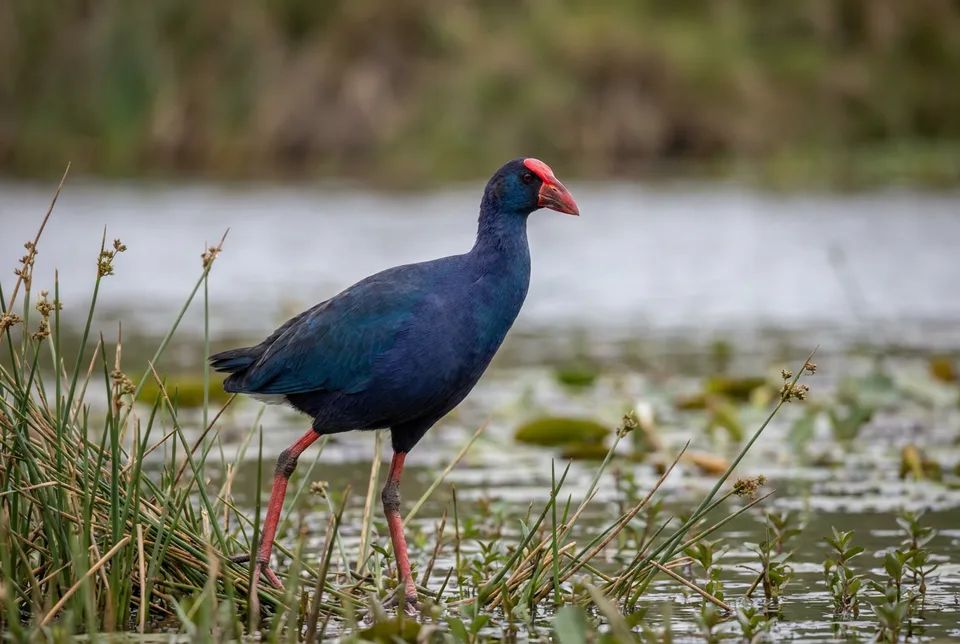
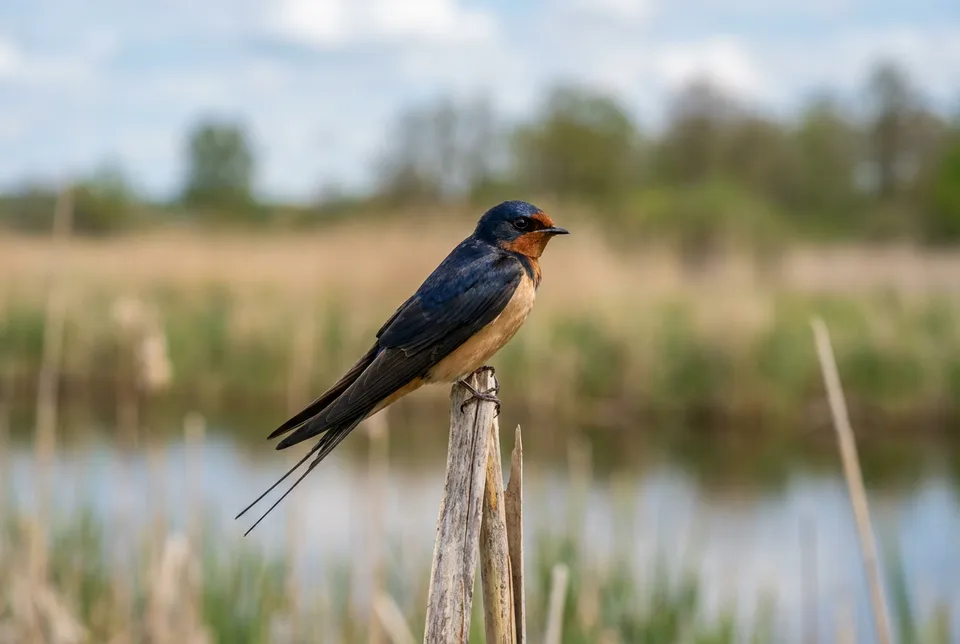
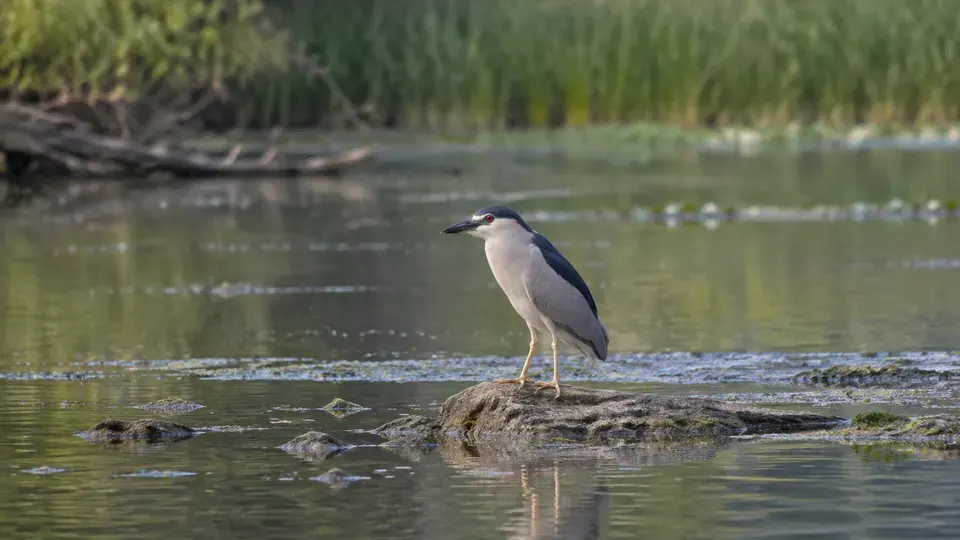
The Nile valley is a green ribbon through the desert, and its reed beds, sandbanks and islands attract water birds. Most sightings happen from the sun deck or during a felucca ride near Aswan.
Explore all Nile wildlife

Wildlife is wild: sightings depend on the stretch of river, season and time of day.

Every stop tells a story
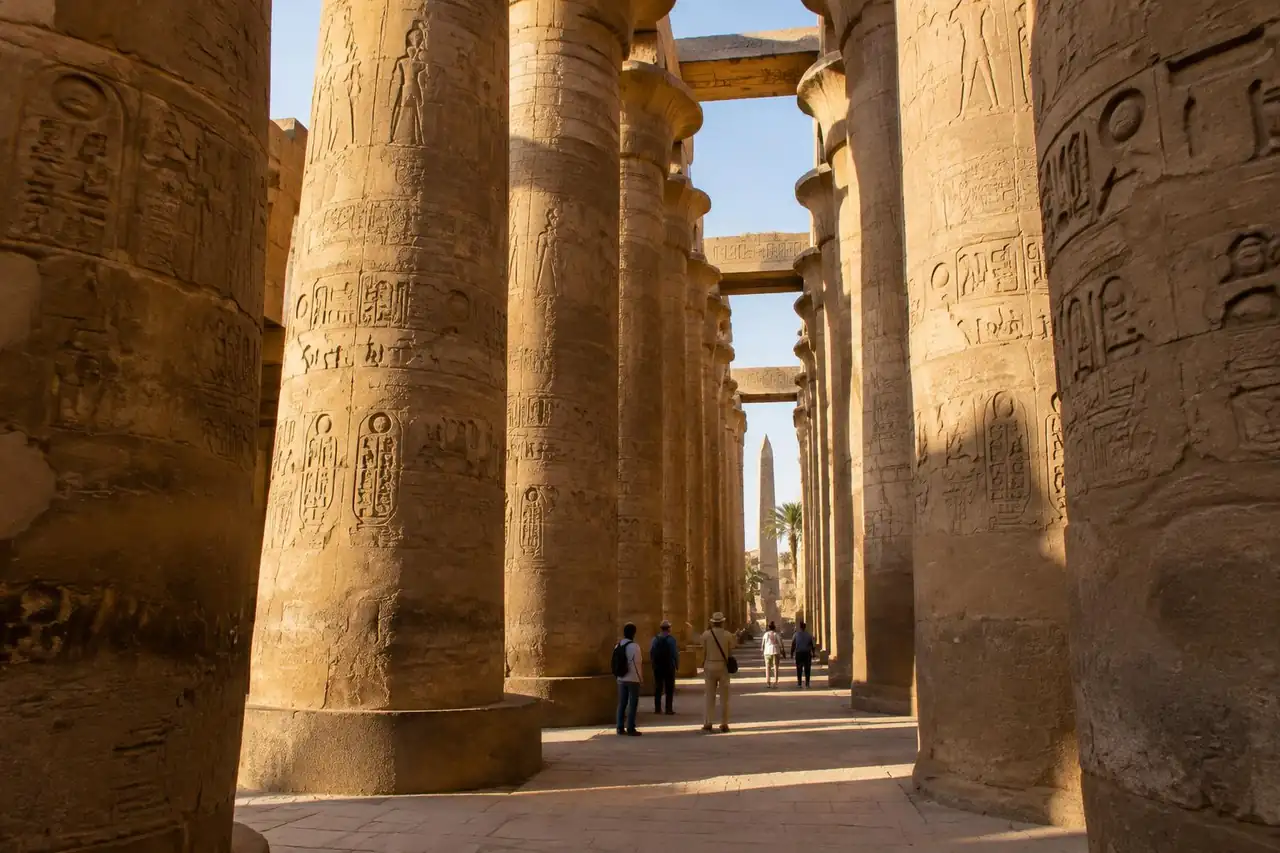
Shore excursions worth planning around

Examples of places and experiences, not a promised itinerary. Look for the actual site names, entrance fees and transfers in your ship's day-by-day program.
Karnak Temple

Luxor East Bank

Karnak Temple

A vast temple complex built over two thousand years, famous for the forest of columns in its Great Hypostyle Hall.
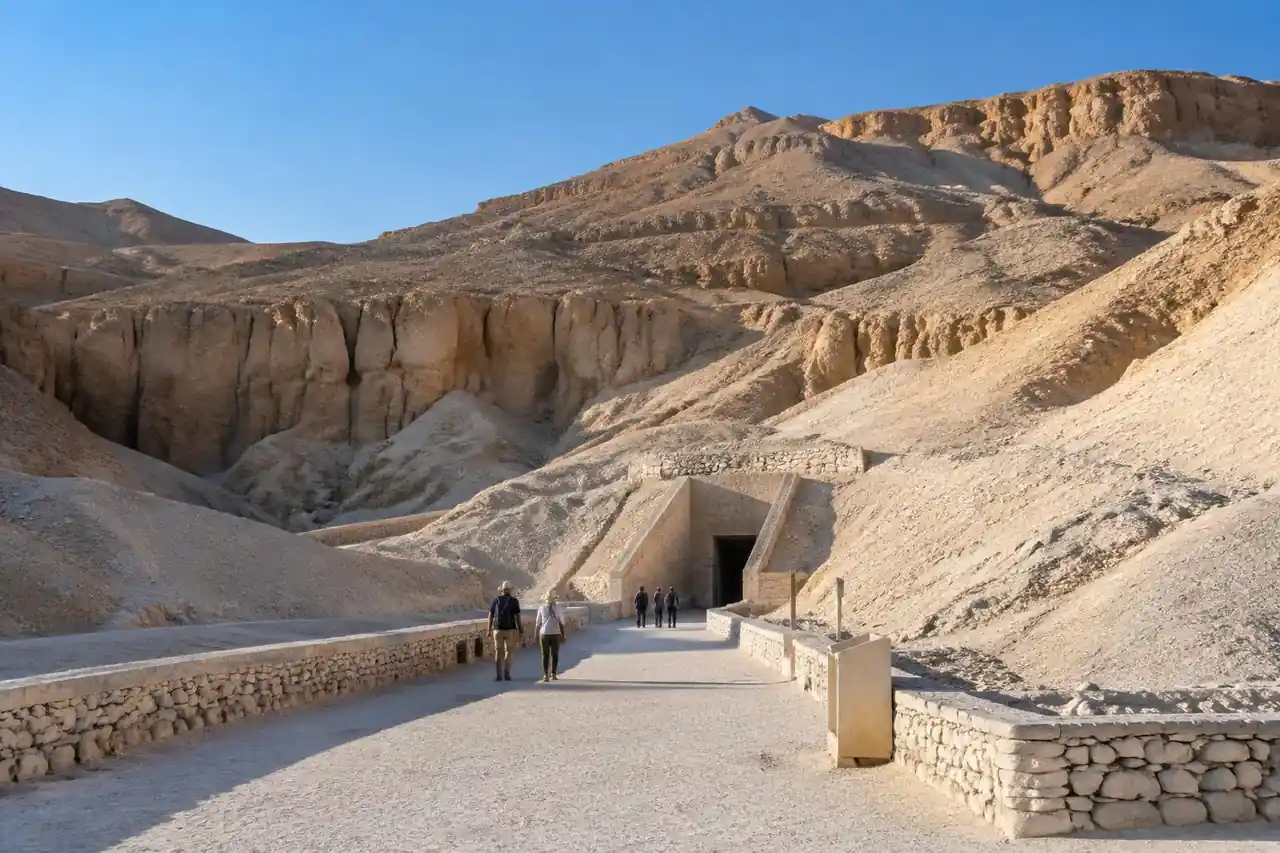
Valley of the Kings

Luxor West Bank

Valley of the Kings

Royal tombs cut into the desert hills, their corridors decorated with painted texts. Entry tickets cover a set number of tombs.
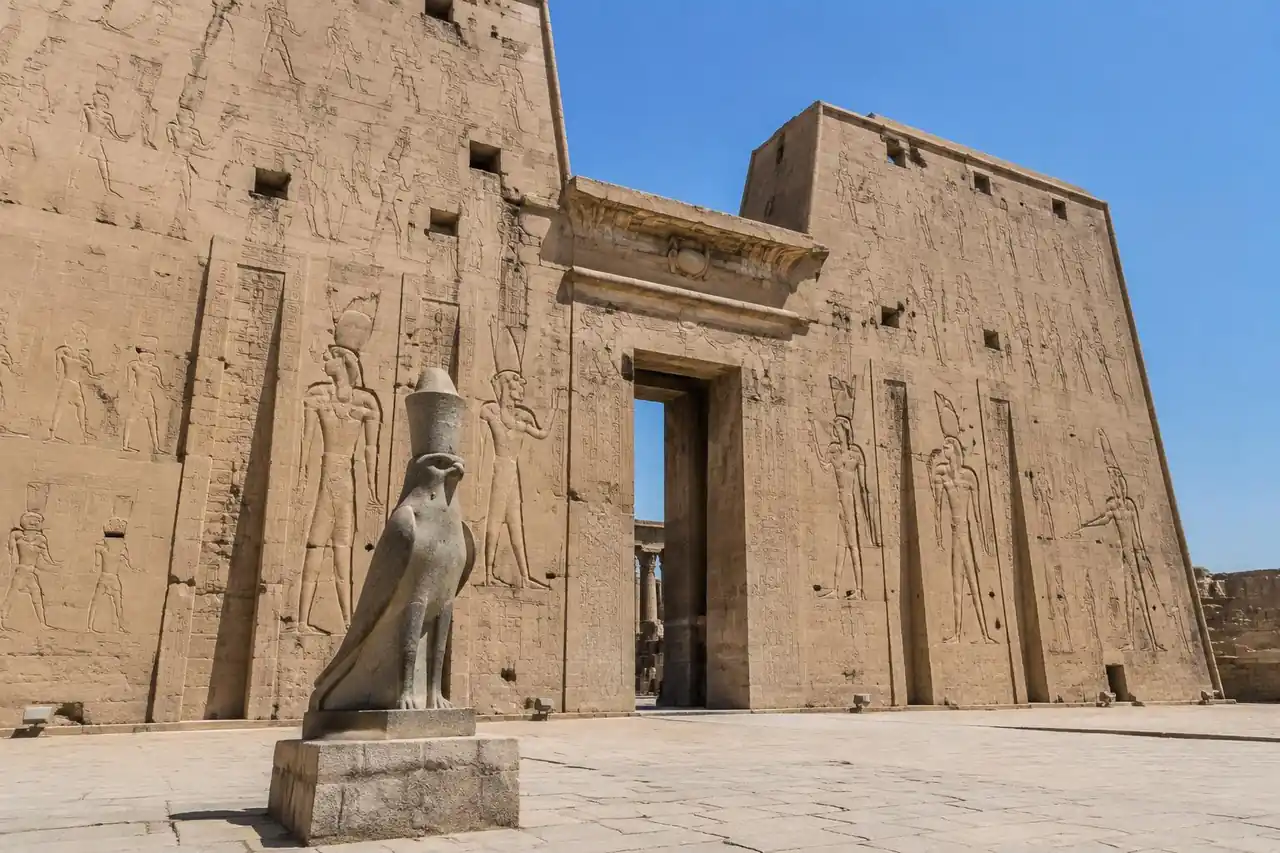
Temple of Horus at Edfu

Between Luxor & Aswan

Temple of Horus at Edfu

One of the best-preserved temples in Egypt, with towering gateway walls and a granite falcon of the god Horus.
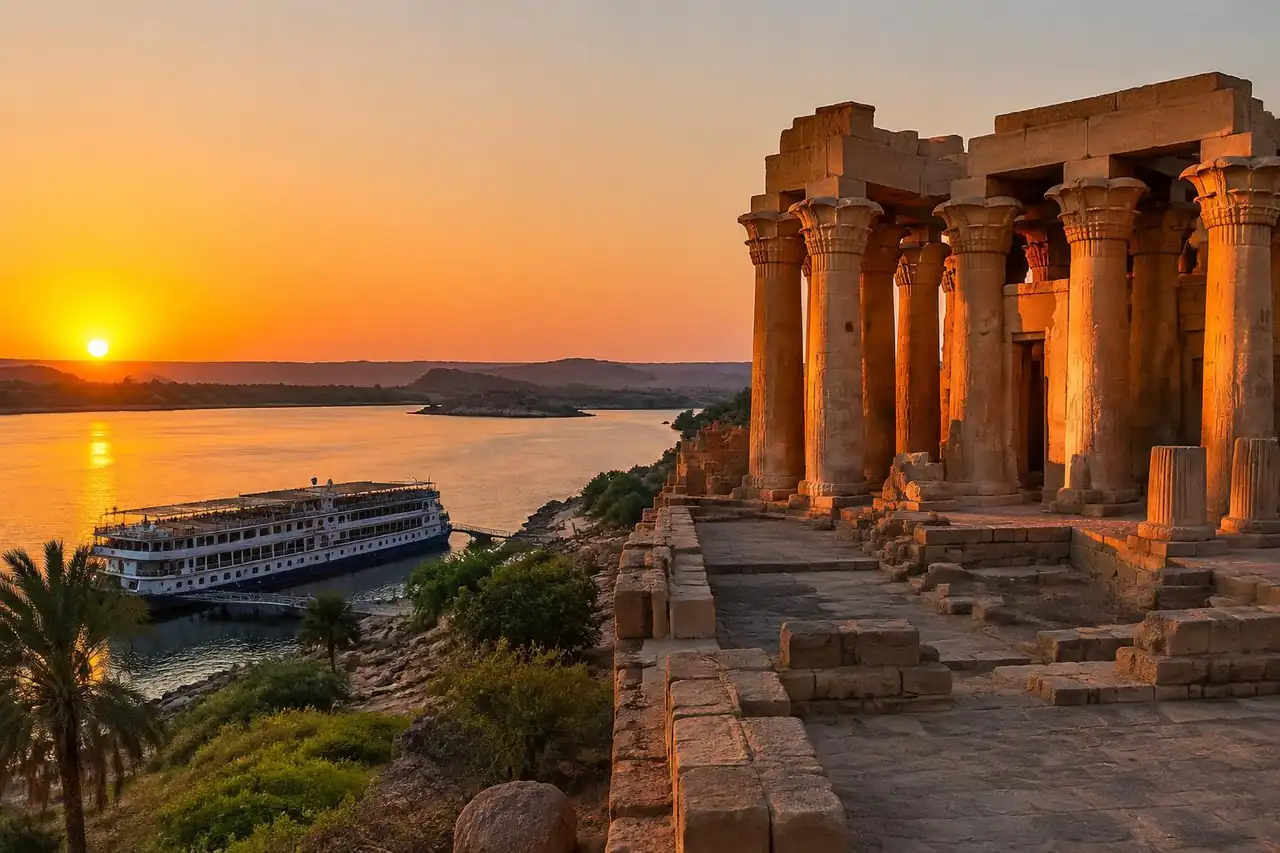
Kom Ombo

On the riverbank

Kom Ombo

A double temple dedicated to Sobek and Haroeris, set right on a bend of the river; ships often visit it at sunset.
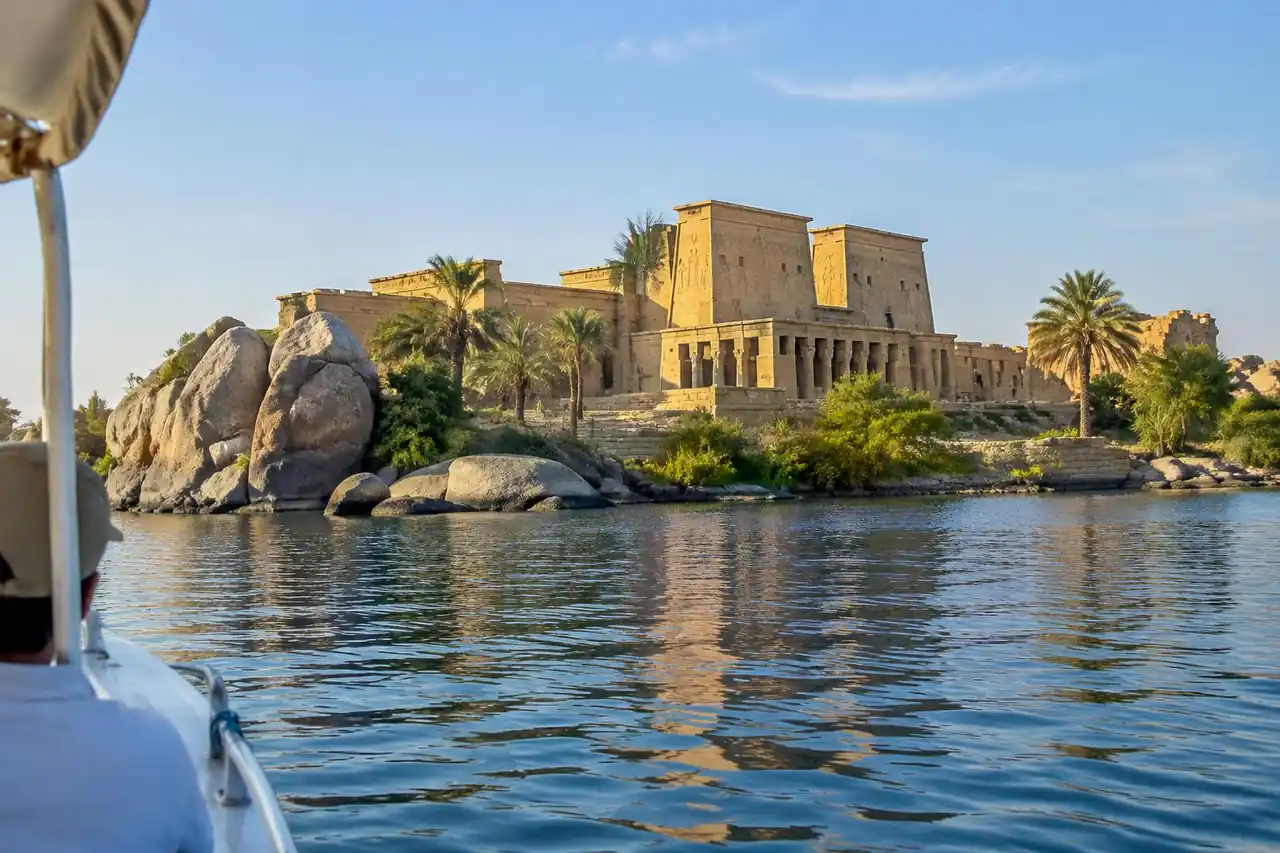
Philae Temple

Aswan

Philae Temple

The temple of Isis on Agilkia Island, moved stone by stone after the Aswan dams. Reached by a short motorboat ride.
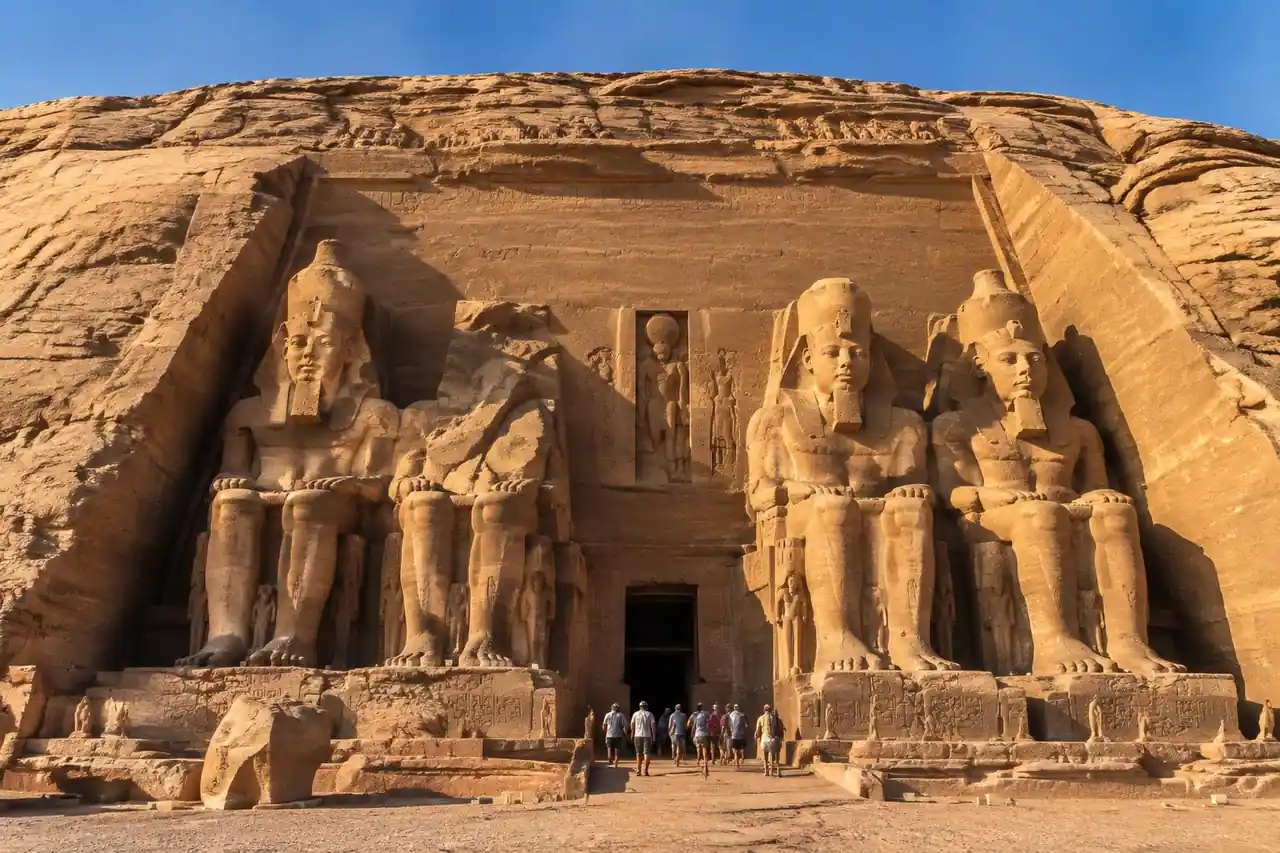
Abu Simbel

Optional excursion

Abu Simbel

The colossal temples of Ramesses II near the Sudanese border, around three hours by road from Aswan or reached by a short flight.

Ancient temples

Luxor, Edfu, Kom Ombo and Philae show how temple building and religious life changed over centuries.

Life along the river

Farmland, mud-brick villages and palm groves line the banks; Nubian villages near Aswan add their own culture.

Days on the water

Sailing hours are for the sun deck, afternoon tea and watching the riverbank pass by.

Choose the stretch before the cabin

Which Nile route is right for you?

Route names vary between operators. Compare the actual moorings, sites and sailing time, not just the start and end town.
Classic Luxor–Aswan

Classic Luxor–Aswan

Three to four nights between Luxor and Aswan, or a seven-night round trip, calling at Edfu and Kom Ombo. The most common choice for a first visit.
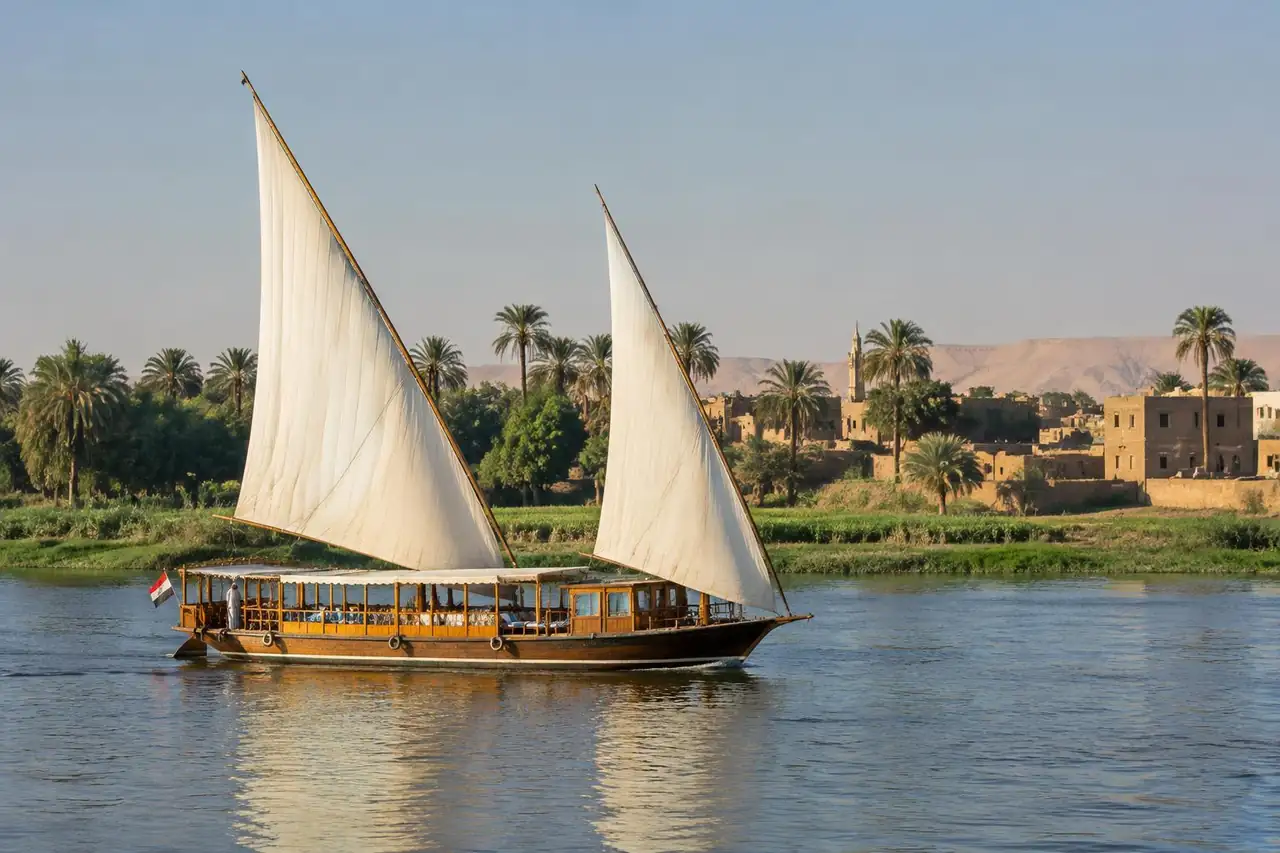
Dahabiya sailing

Dahabiya sailing

Small sailing boats with a few cabins move at the pace of the wind and moor at quieter islands and villages along the same stretch.
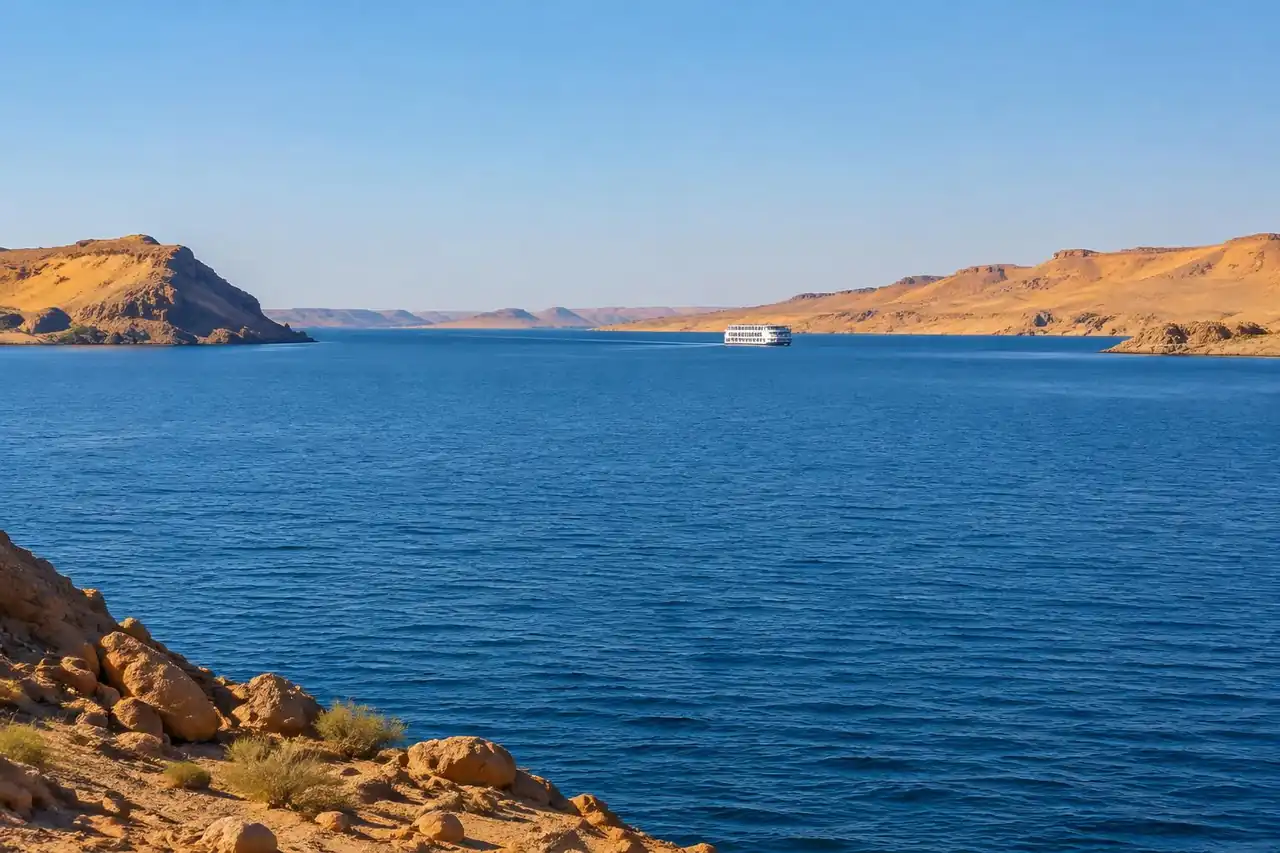
Lake Nasser

Lake Nasser

A separate cruise region south of the Aswan High Dam, between Aswan and Abu Simbel, with remote Nubian temples and very few ships.

View Nile cruise departures

Your floating hotel

Nile river ships

Explore the river ships and dahabiyas in our collection. Compare cabins, guest numbers and day-by-day routes before choosing your dates.

Loading river ships…

Flights & arrival

How to get to the Nile

Most Nile cruises start or end in Luxor or Aswan. International travellers usually connect through Cairo, though some airlines fly directly to Luxor.
LXR

Flight gateway

Luxor International Airport

About 20 minutes by road to the riverside moorings in Luxor; the main gateway for northbound and southbound cruises.

ASW

Flight gateway

Aswan International Airport

Roughly 30 minutes to the Aswan corniche; ideal when your cruise starts or ends in Aswan.

CAI

Flight gateway

Cairo International Airport

Main international hub. Connect by a one-hour domestic flight, or by overnight sleeper train to Luxor or Aswan.

HRG

Flight gateway

Hurghada International Airport

Red Sea airport with many seasonal flights from Europe; around four hours by road to Luxor.

Connections & transfers

Before embarkation

Arrive in Luxor or Aswan at least one day before embarkation, especially when connecting through Cairo.

Transfers

Ask whether airport transfers to the ship are included and where the ship is moored on the day.

Arrive early, protect your departure

Domestic flights within Egypt can change schedules at short notice. Plan an overnight stay before the cruise rather than a same-day connection.

Before you set sail
A little preparation makes a big difference

Pack for the shore days

  • Comfortable closed walking shoes for uneven temple floors and tomb steps
  • Sun hat, sunglasses and high-protection sunscreen
  • Light, loose clothing that covers shoulders and knees for mosque and village visits
  • A warm layer for cool evenings on deck from December to February
  • Small cash in Egyptian pounds for tips and personal purchases

Respect the destination

  • Follow your guide and site rules; flash photography is not allowed in many tombs
  • Do not touch painted walls or climb on monuments
  • Ask before photographing people, especially in villages
  • Dress modestly away from the ship and respect local customs
  • Drink bottled or treated water and carry it on every excursion
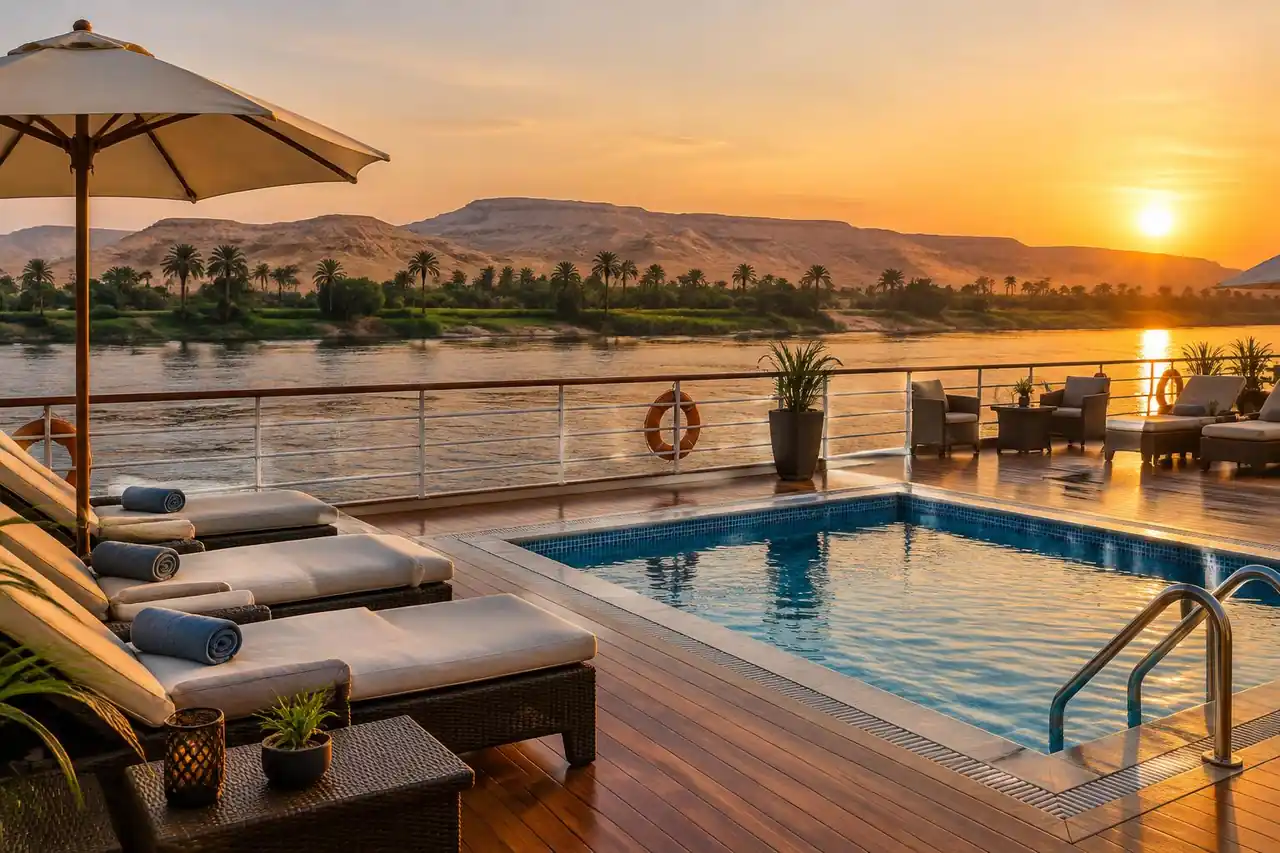
the sun deck of a Nile river ship

Some sites involve long walks in the heat, steep tomb passages and steps to board small boats. Discuss mobility, health and dietary needs before you choose a ship, and make sure your travel insurance covers your trip.

Good to know

Nile river cruise questions

When is the best time for a Nile cruise?
Cool season · Oct–Apr: Warm, sunny days and cool nights. The most comfortable months for walking at temples and tombs; December to February are the busiest and evenings can feel chilly on deck. Hot season · May–Sep: Daytime highs often reach 38–41°C. Sightseeing shifts to early mornings and evenings; fewer ships sail and sites are quieter.
Which Nile route should I choose?
Classic Luxor–Aswan: Three to four nights between Luxor and Aswan, or a seven-night round trip, calling at Edfu and Kom Ombo. The most common choice for a first visit. Dahabiya sailing: Small sailing boats with a few cabins move at the pace of the wind and moor at quieter islands and villages along the same stretch. Lake Nasser: A separate cruise region south of the Aswan High Dam, between Aswan and Abu Simbel, with remote Nubian temples and very few ships.
Are entrance fees and excursions included?
It depends on the ship and fare. Check the day-by-day program for sites such as Karnak Temple and Valley of the Kings; entrance tickets, guides, optional excursions like Abu Simbel and tips may be extra.
What wildlife can I see on the Nile?
Common sightings include African Swamphen, Barn Swallow, Black-crowned Night Heron, Black-Headed Gull. Birds are easiest to spot from the deck or a small boat; sightings are never guaranteed.
How physically demanding is the trip?
Expect walking on uneven ground, steps and sand, often in strong sun. Some tombs have steep, narrow passages. Ask about walking distances and assistance before booking.
Can the itinerary change?
Yes. Water levels, lock and bridge schedules, site opening hours and local authority rules can change mooring times and the order of visits.
What entry documents do I need for Nile cruises?
Most visitors need a visa for Egypt. Many nationalities can apply online for an e-visa or buy a visa on arrival at major airports; rules depend on your nationality and can change. Check the official Egyptian e-visa portal before travelling.Official entry guidance
When should I arrive before the cruise?
Domestic flights within Egypt can change schedules at short notice. Plan an overnight stay before the cruise rather than a same-day connection.
Plan your trip

Your Nile journey starts here

Find the ship, route and travel dates that suit you.

  • River ships & dahabiyas
  • Guided shore visits
  • Routes for your travel season

Newsletter

Take Blue Rides with you

River cruise offers, last-minute deals and trip inspiration.

Free, unsubscribe anytime. Details: Privacy Policy

Partner with Blue Rides

Affiliate Program

Recommend river cruises and earn commission on every confirmed booking.

Share. Track. Earn.