Bluerides – Blue Rides - Book Liveaboards worldwideOCEAN ADVENTURES
River CruisesRiversNature & WildlifeOur Promise
River CruisesRiversNature & WildlifeOur PromiseSign In

River destinations

  • River destinations
  • Amazon
  • Danube
  • Rhine
  • Mekong
  • Nile

Ships & departures

  • River Cruise Search
  • Deals

Nature & Wildlife

  • Nature & Wildlife

Travel support

  • Our Promise
  • Contact

Contact

Get in Touch

Get in touch anytime, we're happy to help you find the right trip or sort out any question.

EmailWrite us, we usually reply within a few hours.
contact@bluerides.com
WhatsAppChat with us on WhatsApp, Mon–Fri 10:00–16:00 (CET).
Start WhatsApp Chat
PhoneCall us, we're happy to help.
Free call, Mon–Fri 10 AM – 8 PM (CET).
Europe+49 800 1144 990USA+1 888 557 7735UK+44 800 707 4152Australia+61 2 8599 6113Canada+1 888 557 7735
Which river journey is yours?Answer 8 quick questions and find the river cruise that fits you.
8 questions, 1 minute·Plus Gift
Secure Payment MethodsYour payments are fully secured with AES-256 encryption.
Powered byStripeWiseAMEXPayGoogle PaySEPABank
Imprint·Terms & Conditions·Privacy Policy·About·Contact·Liability Waiver·Affiliate Program·Cruise·Blog·
Visit us here

© 2026 Blue Rides. All rights reserved.

Bluerides – Blue Rides - Book Liveaboards worldwideOCEAN ADVENTURES
River CruisesRiversNature & WildlifeOur Promise
River CruisesRiversNature & WildlifeOur PromiseSign In
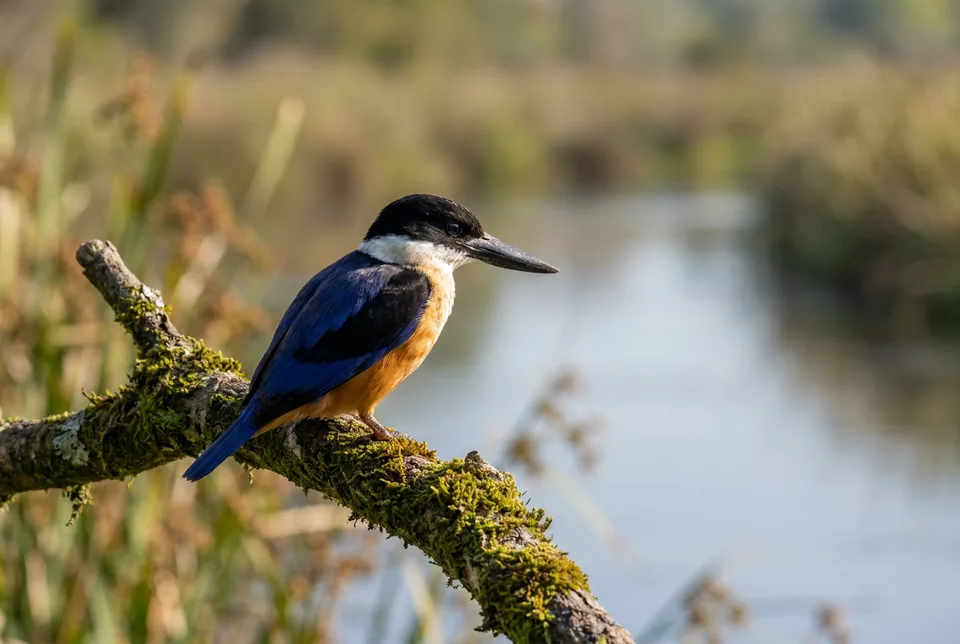
Black-capped Kingfisher in wetland habitat — Mekong, River Cruises wildlifeAI-modified
Home›River Cruises›River Wildlife›Black-capped Kingfisher

Black-capped KingfisherHalcyon pileataWhere and when to see them

Previous speciesBlack-bellied Whistling DuckNext speciesBlack-collared Hawk

Black-capped Kingfisher at a glance

The Black-capped Kingfisher is a striking Asian kingfisher with a black head, white collar, strong red bill and deep blue upperparts. Despite the familiar family name, its food is not restricted to fish. The Birds of Singapore account includes lizards, frogs and large insects, illustrating its use of both aquatic and terrestrial prey. BirdLife classifies Halcyon pileata as Vulnerable in the 2022 assessment read, citing rapid decline associated particularly with intensive management of river margins. The River registry places it at Tra Su flooded forest in Vietnam's Mekong Delta, reached as an optional shore excursion from Chau Doc. That is not a claim of regular main-channel deck viewing. The registry attributes the local record to a BirdLife/IEBR checklist published in 2016. This historical checklist association must remain separate from current abundance, an exact seasonal forecast or the assumption that every visitor boat will encounter the species.
Behaviour & reproduction

Size
29–31.5 cm (11.4–12.4 in), Birds of Singapore account
Weight
Not verified in the sources read
Lifespan
Not verified in the sources read
Status
See sourced assessment

Black-capped Kingfishers use watchful perching and directed attacks on prey, with a substantial bill suited to taking a variety of animals. A stationary bird may remain conspicuous on an open branch, yet become difficult to relocate after a short flight into cover. The Birds of Singapore account describes a diet of fish, lizards, frogs and large insects, so feeding should not automatically be expected over open water. The species is migratory across much of its range, with northern breeding populations moving toward the Indian subcontinent and Southeast Asia. That broad movement pattern provides biological context but not exact dates for Tra Su. On an excursion, allow the guide to search existing perches without using playback or approaching repeatedly. A bird that changes perch because of the boat has not provided a neutral demonstration of normal behaviour. Watch patiently and accept a distant view where that permits the bird to continue hunting.

Top wildlife locations

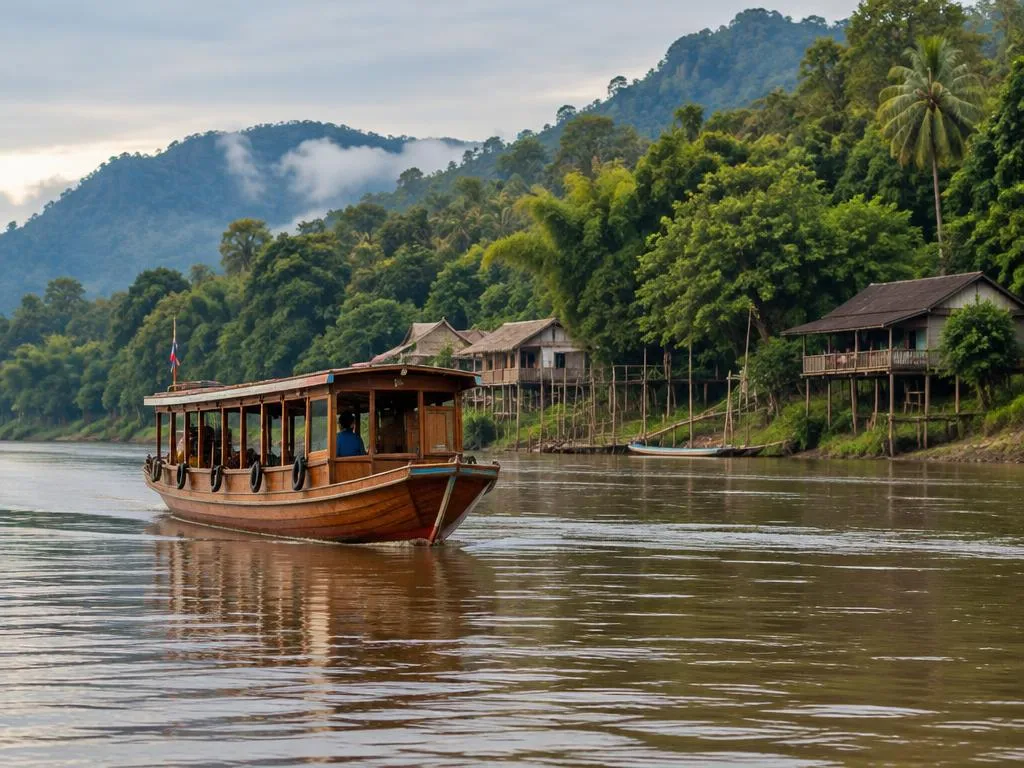
Mekong river landscape — River Cruises wildlife habitatAI-modified

Mekong

Vietnam Mekong delta: Tra Su flooded forest, optional shore excursion from Chau Doc, not main-channel deck wildlife. Registry attribution: historical BirdLife/IEBR checklist published in 2016.
Explore river cruises

Destinations describe the species' habitat, not guaranteed cruise stops. Some animals require an optional inland excursion or are found in restricted reserves.

Fun facts about the Black-capped Kingfisher

  • Its scientific name is Halcyon pileata.
  • Adults have a black crown.
  • The collar is white.
  • The bill is thick and red.
  • A white wing patch shows in flight.
  • Males and females have similar plumage.
  • Its food includes lizards and frogs.
  • Birds of the World treats it as monotypic.
  • BirdLife's 2022 assessment lists it as Vulnerable.

Best time to see the Black-capped Kingfisher

The Mekong location retains an empty month array. The registry identifies a historical BirdLife/IEBR checklist for Tra Su, published in 2016, rather than an exact local monthly viewing calendar. The Birds of Singapore account describes the species as an uncommon migrant there and outlines broad migration between northern breeding areas and southern wintering regions. Singapore status and range-wide migration cannot establish the correct months for a flooded forest in Vietnam. Likewise, a general dry-season travel recommendation or the seasonal behaviour of other kingfishers must not be substituted for species-specific evidence. Ask a local guide for recent dated records at Tra Su and confirm whether the planned boat, boardwalk or tower visit reaches suitable habitat. Treat any recommendation as current local advice rather than a guaranteed recurring season unless the supporting records are explicit. A historical checklist establishes a reason to look, not a promise of a sighting.

Black-capped Kingfisher: season matrix by destination

Highlighted months reflect the stated local evidence, not guaranteed encounters. Neutral months mean no verified monthly viewing window, not absence. Observation records and recommended viewing windows are distinct.

Mekong

No exact Tra Su species-specific monthly season was established; Singapore migrant status is not transferred.

JanFebMarAprMayJunJulAugSepOctNovDec
Explore river cruises

Where the Black-capped Kingfisher lives

The Birds of Singapore account includes mangroves, coastal and inland wetlands, gardens and wooded areas. This breadth helps explain why a flooded forest can offer suitable habitat without implying that the species occupies every patch of dense trees. The registered River location is Tra Su in the Vietnamese Mekong Delta, visited from Chau Doc as an optional shore programme. It is distinct from the open main channel followed by a large cruise vessel. Perches, feeding opportunities and the structure of wetland edges are more informative than the river name alone. BirdLife identifies intensive riparian management as an important concern in the species' decline, emphasising that apparently tidy or heavily modified banks may not replace more structurally varied habitat. Follow current reserve routes and restrictions, and do not enter flooded vegetation to obtain a closer view. A historical species list should guide habitat awareness, not be presented as a current map of occupied perches.

What the Black-capped Kingfisher eats

Black-capped Kingfishers eat fish as well as lizards, frogs and large insects, according to the Birds of Singapore account. The species therefore should not be described as an exclusively aquatic fishing specialist. Feeding opportunities can occur along wetland edges and in wooded surroundings as well as above water. The strong bill and watchful perch-hunting style allow capture of a range of prey, but a distant observer may not be able to identify an item accurately. No quantified diet was read for Tra Su, and the registry's local checklist does not establish the proportions of different foods there. Do not transfer observations from Singapore into a claimed Vietnamese feeding study. Visitors should avoid offering fish or insects to draw the bird toward a boat or boardwalk. Observe natural movements from existing routes and distinguish an actual visible capture from a bird merely looking down from a perch.

Species at a glance

Common name
Black-capped Kingfisher
Scientific name
Halcyon pileata
Animal group
Birds
Size
29–31.5 cm (11.4–12.4 in), Birds of Singapore account
Weight
Not verified in the sources read
Lifespan
Not verified in the sources read
Status
Vulnerable, BirdLife species factsheet; assessment year 2022
Identification
Adults combine a black crown and sides of the head, a white collar and throat, deep blue upperparts and a thick red bill. The remaining underparts are dull rufous in the Birds of Singapore description. A large white patch in the primaries becomes visible in flight. Sexes are alike in plumage, while juveniles have duller blue upperparts and dark markings on the throat and breast sides. The same account distinguishes White-throated Kingfisher by that species' chestnut rather than black crown and rufous rather than white collar. These comparisons are more reliable than identifying any large red-billed kingfisher as Black-capped. Shade, distance and partial views can hide the collar, so wait for a natural change in posture. The exact registry taxon is Halcyon pileata, which Birds of the World treats as monotypic. Identification and conservation status should both follow that species rather than an unspecified kingfisher group.

Black-capped Kingfisher: frequently asked questions

Where can I see the Black-capped Kingfisher?
Mekong. Scan exposed branches beside wetland openings and wooded edges, using binoculars to resolve the head pattern before moving closer. The red bill and white collar can stand out, but the dark head may disappear against shaded vegetation. A natural flight can reveal a conspicuous white wing patch, although birds should never be flushed to obtain it. At Tra Su, follow the reserve's authorised boat, boardwalk and tower arrangements and allow the guide to maintain appropriate distance. The excursion is optional from Chau Doc, so confirm it separately from the main Mekong sailing programme. Avoid playback, baiting and repeated close passes to the same perch. Other kingfishers are included in the historical local assemblage, making comparison essential. Record the actual place, date and diagnostic features of any sighting. Do not describe a single observation as evidence of abundance or infer a complete seasonal pattern from a brief visit.
When is the best time to see the Black-capped Kingfisher?
The Mekong location retains an empty month array. The registry identifies a historical BirdLife/IEBR checklist for Tra Su, published in 2016, rather than an exact local monthly viewing calendar. The Birds of Singapore account describes the species as an uncommon migrant there and outlines broad migration between northern breeding areas and southern wintering regions. Singapore status and range-wide migration cannot establish the correct months for a flooded forest in Vietnam. Likewise, a general dry-season travel recommendation or the seasonal behaviour of other kingfishers must not be substituted for species-specific evidence. Ask a local guide for recent dated records at Tra Su and confirm whether the planned boat, boardwalk or tower visit reaches suitable habitat. Treat any recommendation as current local advice rather than a guaranteed recurring season unless the supporting records are explicit. A historical checklist establishes a reason to look, not a promise of a sighting.
How big does the Black-capped Kingfisher get?
29–31.5 cm (11.4–12.4 in), Birds of Singapore account. Adult weight: Not verified in the sources read. Size varies with age, sex and population.
How should I behave around the Black-capped Kingfisher?
Scan exposed branches beside wetland openings and wooded edges, using binoculars to resolve the head pattern before moving closer. The red bill and white collar can stand out, but the dark head may disappear against shaded vegetation. A natural flight can reveal a conspicuous white wing patch, although birds should never be flushed to obtain it. At Tra Su, follow the reserve's authorised boat, boardwalk and tower arrangements and allow the guide to maintain appropriate distance. The excursion is optional from Chau Doc, so confirm it separately from the main Mekong sailing programme. Avoid playback, baiting and repeated close passes to the same perch. Other kingfishers are included in the historical local assemblage, making comparison essential. Record the actual place, date and diagnostic features of any sighting. Do not describe a single observation as evidence of abundance or infer a complete seasonal pattern from a brief visit.
What does the Black-capped Kingfisher eat?
Black-capped Kingfishers eat fish as well as lizards, frogs and large insects, according to the Birds of Singapore account. The species therefore should not be described as an exclusively aquatic fishing specialist. Feeding opportunities can occur along wetland edges and in wooded surroundings as well as above water. The strong bill and watchful perch-hunting style allow capture of a range of prey, but a distant observer may not be able to identify an item accurately. No quantified diet was read for Tra Su, and the registry's local checklist does not establish the proportions of different foods there. Do not transfer observations from Singapore into a claimed Vietnamese feeding study. Visitors should avoid offering fish or insects to draw the bird toward a boat or boardwalk. Observe natural movements from existing routes and distinguish an actual visible capture from a bird merely looking down from a perch.
Are wildlife sightings guaranteed on a river cruise?
No. Animals move freely and routes, weather, access restrictions and local conditions influence every outing. Confirm the actual itinerary and shore program before booking.

Compare wildlife in the same destinations

Explore other birds recorded in these destinations. Similar surroundings do not mean the animals share the same habits or viewing season.

Species comparison by animal group and destination
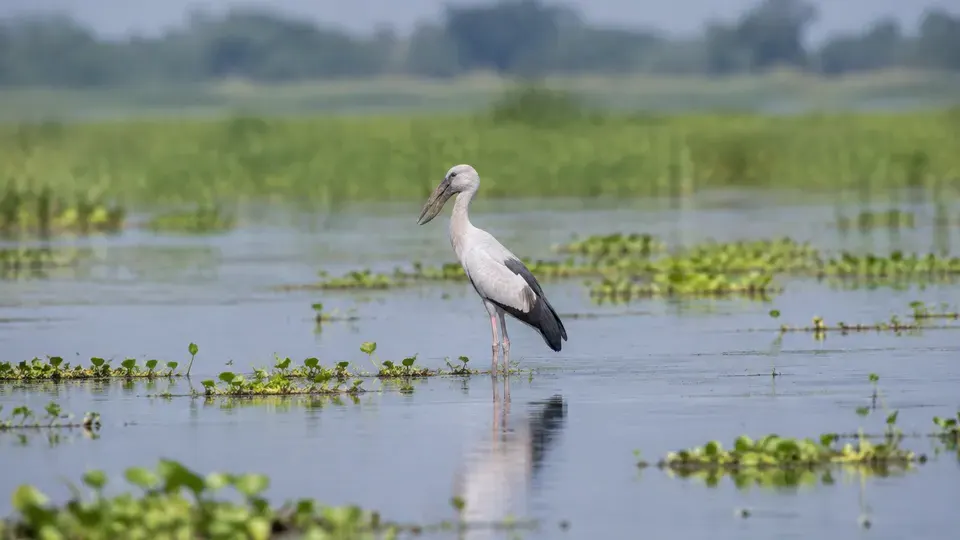
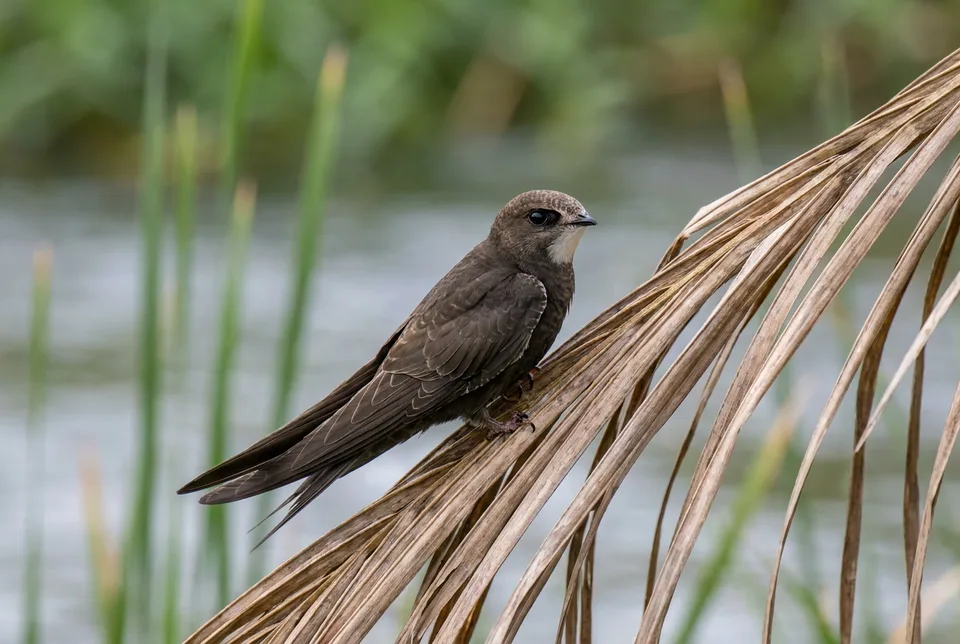
Black-capped Kingfisher in wetland habitat — Mekong, River Cruises wildlifeAI-modifiedBlack-capped KingfisherAsian openbill in wetland habitat — Mekong, River Cruises wildlifeAI-modifiedAsian OpenbillAsian Palm Swift in wetland habitat — Mekong, River Cruises wildlifeAI-modifiedAsian Palm Swift
Animal groupBirdsAnimal groupBirdsAnimal groupBirds
DestinationsMekongDestinationsMekongDestinationsMekong
Scientific name
Halcyon pileata
Scientific name
Scientific name
Previous speciesBlack-bellied Whistling DuckNext speciesBlack-collared Hawk
All river wildlife
On this page
  • 01About
  • 02Behaviour & reproduction
  • 03Top wildlife locations
  • 04Fun facts
  • 05Best season
  • 06Season matrix by destination
  • 07Habitat
  • 08Diet
  • 09Species at a glance
  • 10Questions & answers
  • 11Compare

Find your river cruise

AI-modified
Plan your trip

Find your next river journey

Compare destinations, shore programs and dates with the animals and habitats you would love to see.

  • Daily shore excursions
  • Responsible wildlife watching
  • Boutique river ships
Explore river cruises