Bluerides – Blue Rides - Book Liveaboards worldwideOCEAN ADVENTURES
River CruisesRiversNature & WildlifeOur Promise
River CruisesRiversNature & WildlifeOur PromiseSign In

River destinations

  • River destinations
  • Amazon
  • Danube
  • Rhine
  • Mekong
  • Nile

Ships & departures

  • River Cruise Search
  • Deals

Nature & Wildlife

  • Nature & Wildlife

Travel support

  • Our Promise
  • Contact

Contact

Get in Touch

Get in touch anytime, we're happy to help you find the right trip or sort out any question.

EmailWrite us, we usually reply within a few hours.
contact@bluerides.com
WhatsAppChat with us on WhatsApp, Mon–Fri 10:00–16:00 (CET).
Start WhatsApp Chat
PhoneCall us, we're happy to help.
Free call, Mon–Fri 10 AM – 8 PM (CET).
Europe+49 800 1144 990USA+1 888 557 7735UK+44 800 707 4152Australia+61 2 8599 6113Canada+1 888 557 7735
Which river journey is yours?Answer 8 quick questions and find the river cruise that fits you.
8 questions, 1 minute·Plus Gift
Secure Payment MethodsYour payments are fully secured with AES-256 encryption.
Powered byStripeWiseAMEXPayGoogle PaySEPABank
Imprint·Terms & Conditions·Privacy Policy·About·Contact·Liability Waiver·Affiliate Program·Cruise·Blog·
Visit us here

© 2026 Blue Rides. All rights reserved.

Bluerides – Blue Rides - Book Liveaboards worldwideOCEAN ADVENTURES
River CruisesRiversNature & WildlifeOur Promise
River CruisesRiversNature & WildlifeOur PromiseSign In
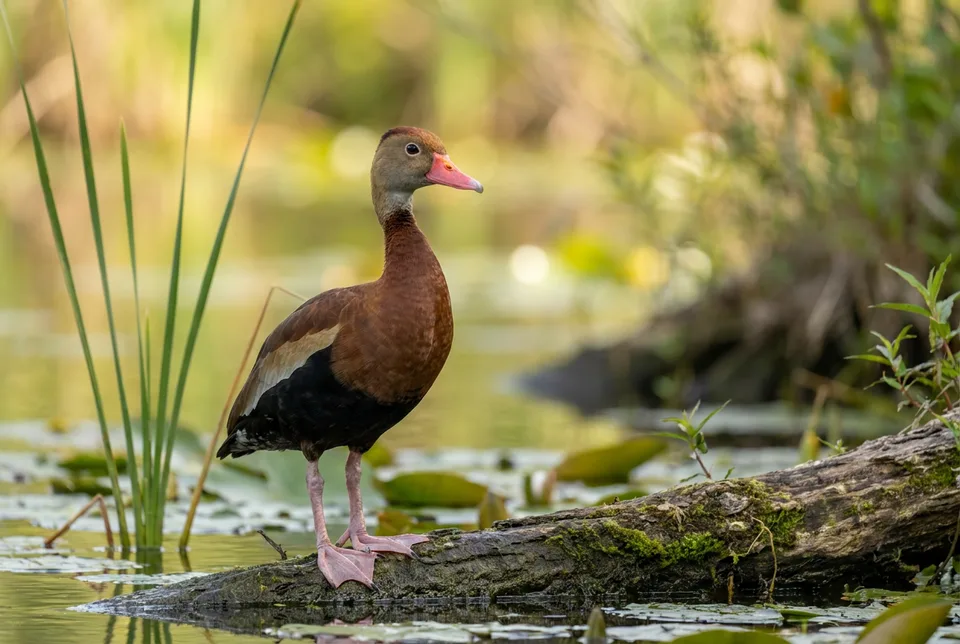
Black-bellied Whistling Duck in wetland habitat — Mississippi, River Cruises wildlifeAI-modified
Home›River Cruises›River Wildlife›Black-bellied Whistling Duck

Black-bellied Whistling DuckDendrocygna autumnalisWhere and when to see them

Previous speciesBlack TernNext speciesBlack-capped Kingfisher

Black-bellied Whistling Duck at a glance

The Black-bellied Whistling Duck is a long-legged duck with an upright stance, conspicuous dark belly and a strong association with shallow feeding waters and nearby trees. Its ecology differs from the stereotypical image of a duck nesting in a grass-lined bowl beside a pond. Cornell describes frequent use of tree hollows and nest boxes, as well as occasional ground nests. The River registry places the species at St. Catherine Creek National Wildlife Refuge near Natchez on the Lower Mississippi. This is an optional refuge shore excursion, not a promise of birds beside the main navigation channel. The registry's linked Avibase checklist could not be independently opened during this research because access was forbidden. Its local association is retained with that limitation made explicit. Cornell's species account provides substantial biological context, but it cannot independently establish abundance, seasonal presence or an exact viewing location at St. Catherine Creek.
Behaviour & reproduction

Size
Not verified in the sources read
Weight
Not verified in the sources read
Lifespan
Not verified in the sources read
Status
See sourced assessment

Black-bellied Whistling Ducks often gather socially and use trees as well as ground and water. Cornell describes feeding trips that begin as birds leave roosts around sunset, with much foraging taking place at night. A daytime group may therefore be resting rather than demonstrating the full range of feeding activity. Nest-site selection involves both sexes, and tree cavities or nest boxes can be used without construction of an elaborate nest. Eggs may be laid directly on accumulated debris. Ground nests, where used, are more like scrapes or shallow bowls sheltered by vegetation. These behaviours should not be converted into assumptions about an accessible nest at the registered refuge. Watch resting groups without making them stand or fly for photographs. Do not approach cavities, place food beside a viewpoint or use calls to provoke a response. The opportunity to observe normal social behaviour depends on leaving adequate space.

Top wildlife locations

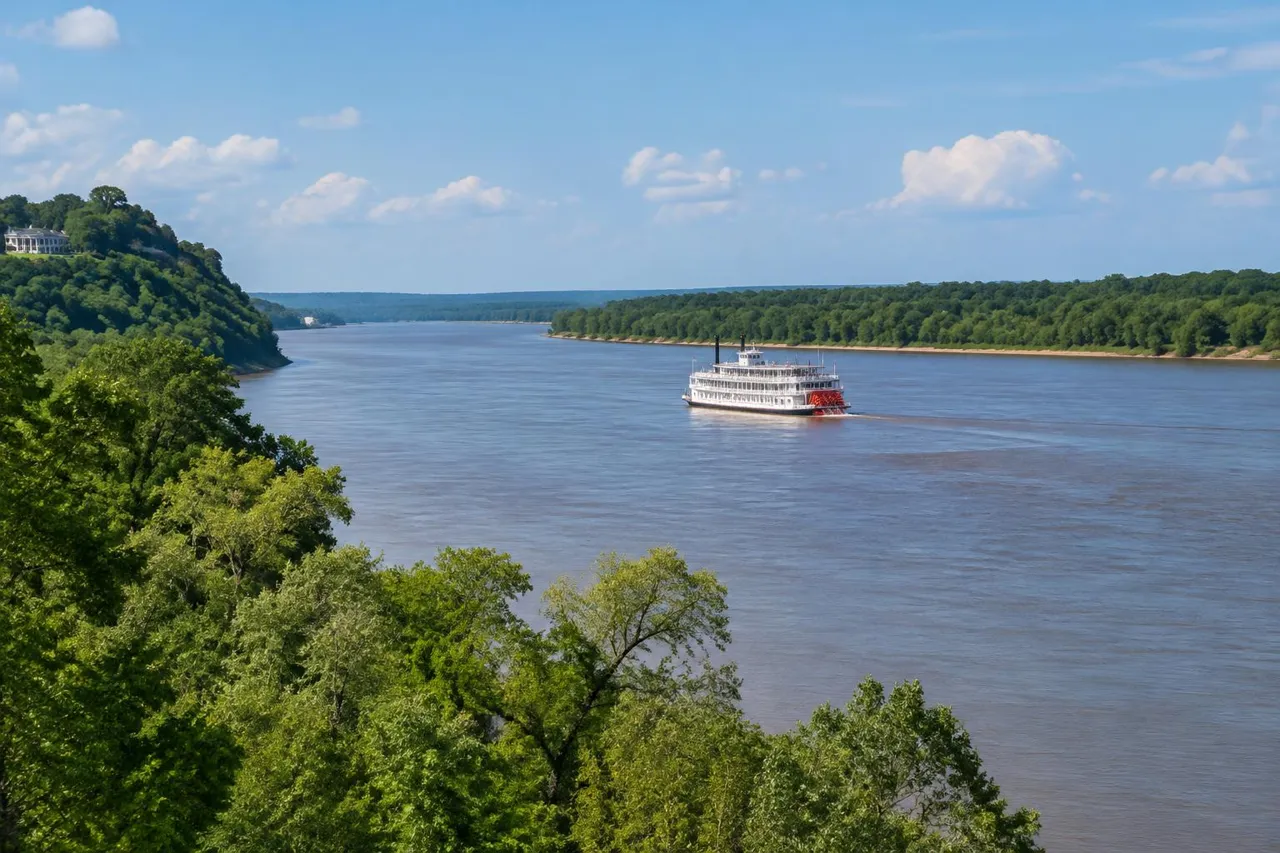
Mississippi river landscape — River Cruises wildlife habitatAI-modified

Mississippi

Lower Mississippi — St. Catherine Creek NWR, near Natchez MS. Optional refuge shore excursion, not main-channel deck viewing. The linked local checklist returned forbidden access and was not independently verified.
Explore river cruises

Destinations describe the species' habitat, not guaranteed cruise stops. Some animals require an optional inland excursion or are found in restricted reserves.

Fun facts about the Black-bellied Whistling Duck

  • Its scientific name is Dendrocygna autumnalis.
  • It often nests in tree cavities.
  • It also uses nest boxes.
  • Some birds nest on the ground.
  • Both sexes help select the nest site.
  • Cavity nests may contain little added material.
  • Its diet is mainly plant-based.
  • Much feeding occurs at night.
  • Cornell reports clutches of 9–18 eggs.

Best time to see the Black-bellied Whistling Duck

The Lower Mississippi entry retains an empty month array. The registry identifies a local checklist for St. Catherine Creek National Wildlife Refuge, but access to the original page was forbidden during this research. No independently read species-specific monthly proof was therefore available for that reach. General statements about southern distribution, northward expansion or refuge waterfowl seasons would not establish the correct dates. The registry also mentions other ducks and geese, whose cooler-season patterns must not be transferred to whistling ducks. Before planning a dedicated excursion, seek recent dated observations from the refuge and ask whether birds are using areas accessible to visitors. Confirm that the cruise programme includes a shore visit near Natchez rather than assuming a main-channel passage provides the same opportunity. A tour operating season is not an animal viewing season, and an undated checklist does not justify a recurring monthly promise.

Black-bellied Whistling Duck: season matrix by destination

Highlighted months reflect the stated local evidence, not guaranteed encounters. Neutral months mean no verified monthly viewing window, not absence. Observation records and recommended viewing windows are distinct.

Mississippi

No exact local species-specific monthly evidence was independently read.

JanFebMarAprMayJunJulAugSepOctNovDec
Explore river cruises

Where the Black-bellied Whistling Duck lives

Cornell describes feeding in fields, lawns and shallow freshwater ponds, often with aquatic vegetation. Trees or thickets provide important nesting and resting context, while tropical populations also use mangroves, rivers and lagoons. The combination is broader than open water alone. At St. Catherine Creek National Wildlife Refuge, the registry directs visitors toward a shore excursion and wetland pools rather than dependable deck observation on the Lower Mississippi. The linked local checklist was inaccessible during this research, so the precise current distribution within the refuge remains unverified. Confirm which public observation areas are open and whether recent records concern those areas. Do not infer that every refuge pool offers the same habitat or that a cavity-bearing tree is occupied. Respect closures and avoid entering vegetated margins to search for nests. The bird's use of agricultural or artificial habitats does not remove the need for suitable cover and undisturbed resting space.

What the Black-bellied Whistling Duck eats

Plant material makes up most of the diet described by Cornell. Foods include seeds and other material from grasses, sedges and numerous wetland or field plants, together with agricultural crops such as rice, millet, sorghum, corn and wheat. Smaller quantities of animal food, including snails, insects and spiders, are also eaten. Birds can feed in fields or dabble in shallow ponds, often during nocturnal foraging trips. This explains why a daytime observation may show resting birds rather than active feeding. The species account does not quantify the food used at St. Catherine Creek, and the inaccessible local checklist cannot supply that detail. Visitors should not scatter grain or bread to bring ducks close to a path. Artificial feeding changes behaviour and can concentrate birds in unsuitable places. Watch natural dabbling or field feeding from permitted viewpoints and avoid identifying a food item merely from a head-down posture.

Species at a glance

Common name
Black-bellied Whistling Duck
Scientific name
Dendrocygna autumnalis
Animal group
Birds
Size
Not verified in the sources read
Weight
Not verified in the sources read
Lifespan
Not verified in the sources read
Status
Cornell describes conservation concern as low; a formal current global assessment was not independently verified.
Identification
Black-bellied Whistling Ducks have a distinctive combination of long legs, an upright stance, chestnut-brown body, greyish face and neck, dark belly and pinkish-red bill. Their proportions can look less compact than those of many familiar dabbling ducks. In flight, the contrasting wing pattern can provide additional evidence, but a bird should not be forced to fly for identification. Young birds may have duller bare-part colours, so the adult bill colour is not an absolute requirement. Compare the entire pattern with other whistling ducks rather than relying on posture or a whistling call alone. The exact registry taxon is Dendrocygna autumnalis. Cornell's detailed life-history account supports understanding its behaviour, while the St. Catherine Creek association remains a registry record whose linked checklist was inaccessible during this research. A confident local sighting still requires visible diagnostic features, not merely the expectation that the species occurs somewhere in the refuge.

Black-bellied Whistling Duck: frequently asked questions

Where can I see the Black-bellied Whistling Duck?
Mississippi. At an authorised refuge viewpoint, scan shallow pools, vegetated margins and nearby resting areas. Look for upright, long-legged ducks rather than only birds floating low in open water. A resting group may be easier to find than an actively feeding bird during daylight. Binoculars can reveal the dark belly, pinkish-red bill and contrasting face without requiring a close approach. Keep groups and dogs away from resting birds and do not enter cover to inspect a possible ground nest. Tree cavities and nest boxes should also be viewed from a distance. The registered site is St. Catherine Creek near Natchez, requiring an optional shore excursion, not a guaranteed sighting from a Lower Mississippi cruise deck. Because the original local checklist could not be independently reread, a new observation should be documented with its actual place, date and identification features. Do not represent the retained registry entry as evidence of current abundance.
When is the best time to see the Black-bellied Whistling Duck?
The Lower Mississippi entry retains an empty month array. The registry identifies a local checklist for St. Catherine Creek National Wildlife Refuge, but access to the original page was forbidden during this research. No independently read species-specific monthly proof was therefore available for that reach. General statements about southern distribution, northward expansion or refuge waterfowl seasons would not establish the correct dates. The registry also mentions other ducks and geese, whose cooler-season patterns must not be transferred to whistling ducks. Before planning a dedicated excursion, seek recent dated observations from the refuge and ask whether birds are using areas accessible to visitors. Confirm that the cruise programme includes a shore visit near Natchez rather than assuming a main-channel passage provides the same opportunity. A tour operating season is not an animal viewing season, and an undated checklist does not justify a recurring monthly promise.
How big does the Black-bellied Whistling Duck get?
Not verified in the sources read. Adult weight: Not verified in the sources read. Size varies with age, sex and population.
How should I behave around the Black-bellied Whistling Duck?
At an authorised refuge viewpoint, scan shallow pools, vegetated margins and nearby resting areas. Look for upright, long-legged ducks rather than only birds floating low in open water. A resting group may be easier to find than an actively feeding bird during daylight. Binoculars can reveal the dark belly, pinkish-red bill and contrasting face without requiring a close approach. Keep groups and dogs away from resting birds and do not enter cover to inspect a possible ground nest. Tree cavities and nest boxes should also be viewed from a distance. The registered site is St. Catherine Creek near Natchez, requiring an optional shore excursion, not a guaranteed sighting from a Lower Mississippi cruise deck. Because the original local checklist could not be independently reread, a new observation should be documented with its actual place, date and identification features. Do not represent the retained registry entry as evidence of current abundance.
What does the Black-bellied Whistling Duck eat?
Plant material makes up most of the diet described by Cornell. Foods include seeds and other material from grasses, sedges and numerous wetland or field plants, together with agricultural crops such as rice, millet, sorghum, corn and wheat. Smaller quantities of animal food, including snails, insects and spiders, are also eaten. Birds can feed in fields or dabble in shallow ponds, often during nocturnal foraging trips. This explains why a daytime observation may show resting birds rather than active feeding. The species account does not quantify the food used at St. Catherine Creek, and the inaccessible local checklist cannot supply that detail. Visitors should not scatter grain or bread to bring ducks close to a path. Artificial feeding changes behaviour and can concentrate birds in unsuitable places. Watch natural dabbling or field feeding from permitted viewpoints and avoid identifying a food item merely from a head-down posture.
Are wildlife sightings guaranteed on a river cruise?
No. Animals move freely and routes, weather, access restrictions and local conditions influence every outing. Confirm the actual itinerary and shore program before booking.

Compare wildlife in the same destinations

Explore other birds recorded in these destinations. Similar surroundings do not mean the animals share the same habits or viewing season.

Species comparison by animal group and destination
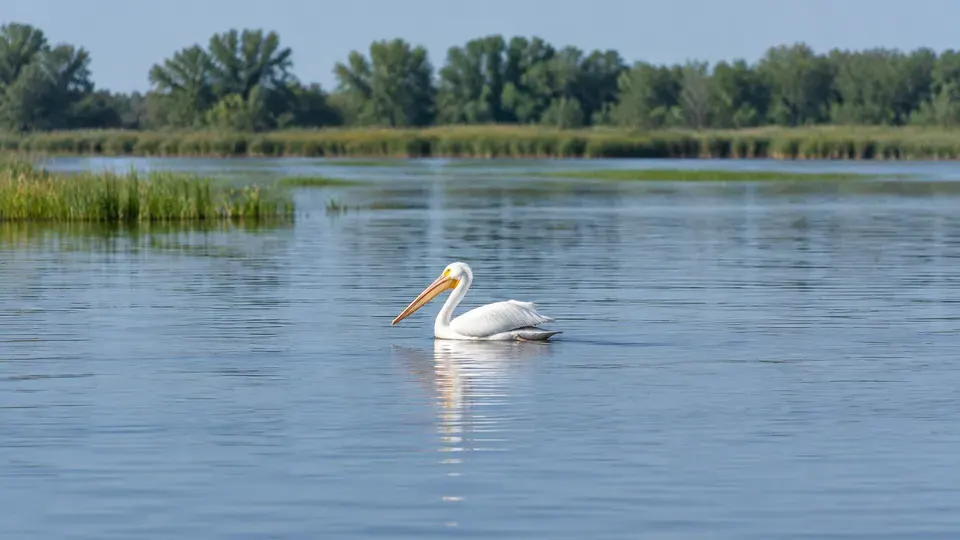
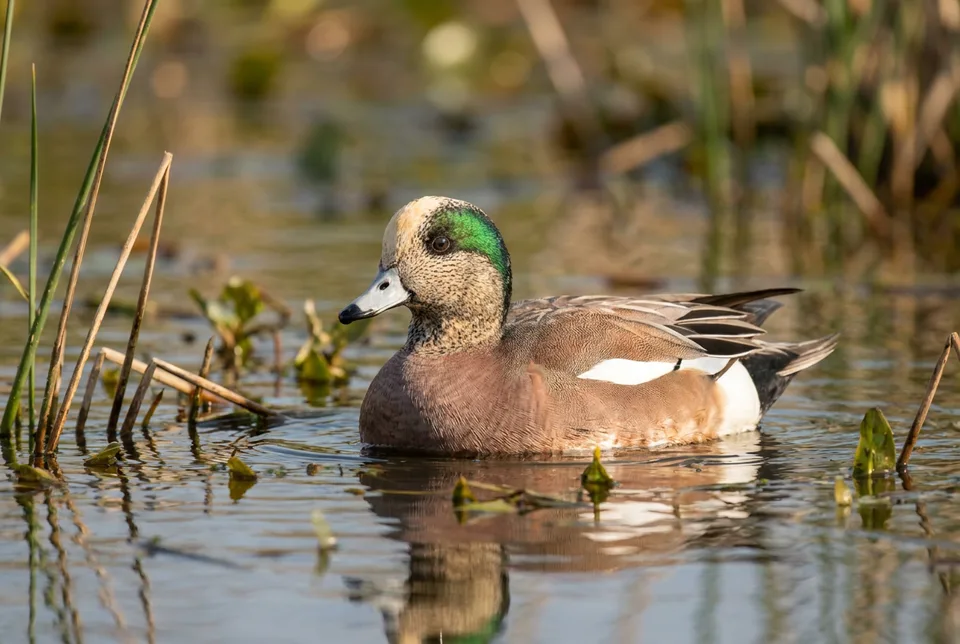
Black-bellied Whistling Duck in wetland habitat — Mississippi, River Cruises wildlifeAI-modifiedBlack-bellied Whistling DuckAmerican white pelican in wetland habitat — Columbia, Mississippi, River Cruises wildlifeAI-modifiedAmerican White PelicanAmerican Wigeon in wetland habitat — Columbia, Mississippi, River Cruises wildlifeAI-modifiedAmerican Wigeon
Animal groupBirdsAnimal groupBirdsAnimal groupBirds
DestinationsMississippiDestinationsColumbia, MississippiDestinationsColumbia, Mississippi
Scientific name
Dendrocygna autumnalis
Scientific name
Scientific name
Previous speciesBlack TernNext speciesBlack-capped Kingfisher
All river wildlife
On this page
  • 01About
  • 02Behaviour & reproduction
  • 03Top wildlife locations
  • 04Fun facts
  • 05Best season
  • 06Season matrix by destination
  • 07Habitat
  • 08Diet
  • 09Species at a glance
  • 10Questions & answers
  • 11Compare

Find your river cruise

AI-modified
Plan your trip

Find your next river journey

Compare destinations, shore programs and dates with the animals and habitats you would love to see.

  • Daily shore excursions
  • Responsible wildlife watching
  • Boutique river ships
Explore river cruises