Bluerides – Blue Rides - Book Liveaboards worldwideOCEAN ADVENTURES
River CruisesRiversNature & WildlifeOur Promise
River CruisesRiversNature & WildlifeOur PromiseSign In

River destinations

  • River destinations
  • Amazon
  • Danube
  • Rhine
  • Mekong
  • Nile

Ships & departures

  • River Cruise Search
  • Deals

Nature & Wildlife

  • Nature & Wildlife

Travel support

  • Our Promise
  • Contact

Contact

Get in Touch

Get in touch anytime, we're happy to help you find the right trip or sort out any question.

EmailWrite us, we usually reply within a few hours.
contact@bluerides.com
WhatsAppChat with us on WhatsApp, Mon–Fri 10:00–16:00 (CET).
Start WhatsApp Chat
PhoneCall us, we're happy to help.
Free call, Mon–Fri 10 AM – 8 PM (CET).
Europe+49 800 1144 990USA+1 888 557 7735UK+44 800 707 4152Australia+61 2 8599 6113Canada+1 888 557 7735
Which river journey is yours?Answer 8 quick questions and find the river cruise that fits you.
8 questions, 1 minute·Plus Gift
Secure Payment MethodsYour payments are fully secured with AES-256 encryption.
Powered byStripeWiseAMEXPayGoogle PaySEPABank
Imprint·Terms & Conditions·Privacy Policy·About·Contact·Liability Waiver·Affiliate Program·Cruise·Blog·
Visit us here

© 2026 Blue Rides. All rights reserved.

Bluerides – Blue Rides - Book Liveaboards worldwideOCEAN ADVENTURES
River CruisesRiversNature & WildlifeOur Promise
River CruisesRiversNature & WildlifeOur PromiseSign In
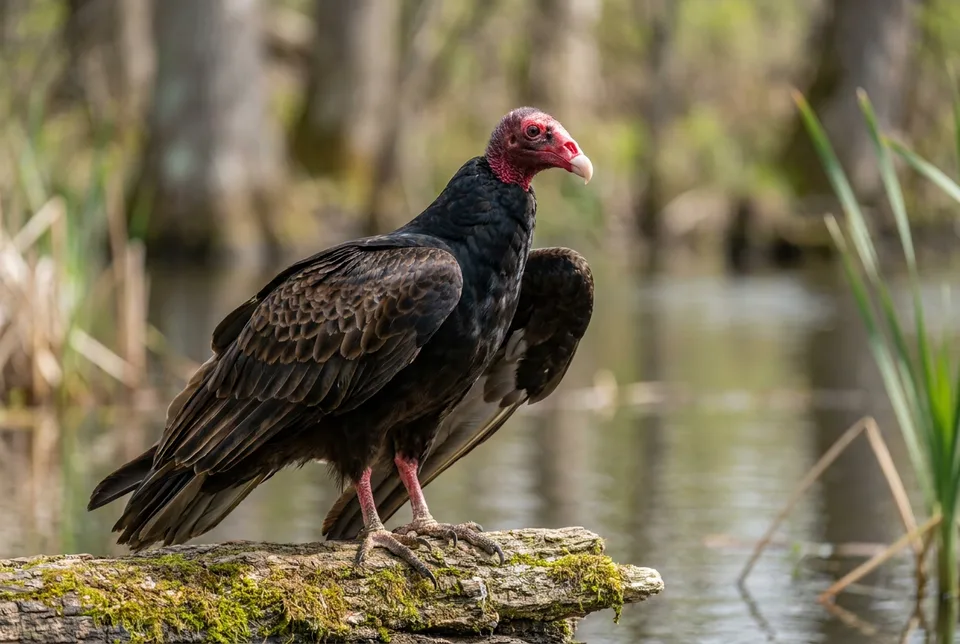
Turkey Vulture in wetland habitat — Mississippi, River Cruises wildlifeAI-modified
Home›River Cruises›River Wildlife›Turkey Vulture

Turkey VultureCathartes auraWhere and when to see them

Previous speciesTundra SwanNext speciesWatercock

Turkey Vulture at a glance

Turkey Vultures are scavenging birds that turn a river landscape into an aerial search area. Cornell describes them finding carrion largely through an excellent sense of smell, an unusual ability among familiar soaring birds. Their Upper Mississippi association is particularly appropriate for visitors watching the bluff country: the refuge explicitly describes vultures riding air currents around the river bluffs. This is an opportunity to study flight rather than to expect a bird fishing in the channel. A distant circling silhouette can be informative, but details of the wings and flight posture are needed before identification is secure. Species reference: https://www.allaboutbirds.org/guide/Turkey_Vulture/lifehistory
Behaviour & reproduction

Size
Species-specific length not verified.
Weight
Species-specific weight not verified.
Lifespan
Species-specific lifespan not verified.
Status
Cornell conservation descriptor: Low Concern; formal global category not verified.

Soaring allows Turkey Vultures to search broad areas while limiting continuous flapping. Along the Upper Mississippi, the bluff air currents highlighted by the refuge provide the local observation context. Cornell reports communal night roosting in high, secluded places and nesting in sheltered cavities, crevices and similar sites. They do not construct an elaborate conventional nest; a site may be little more than a cleared or scraped space. Feeding near people does not mean nesting birds tolerate close approach, and a quiet cavity or abandoned structure should never be investigated merely because vultures have been seen nearby.

Top wildlife locations

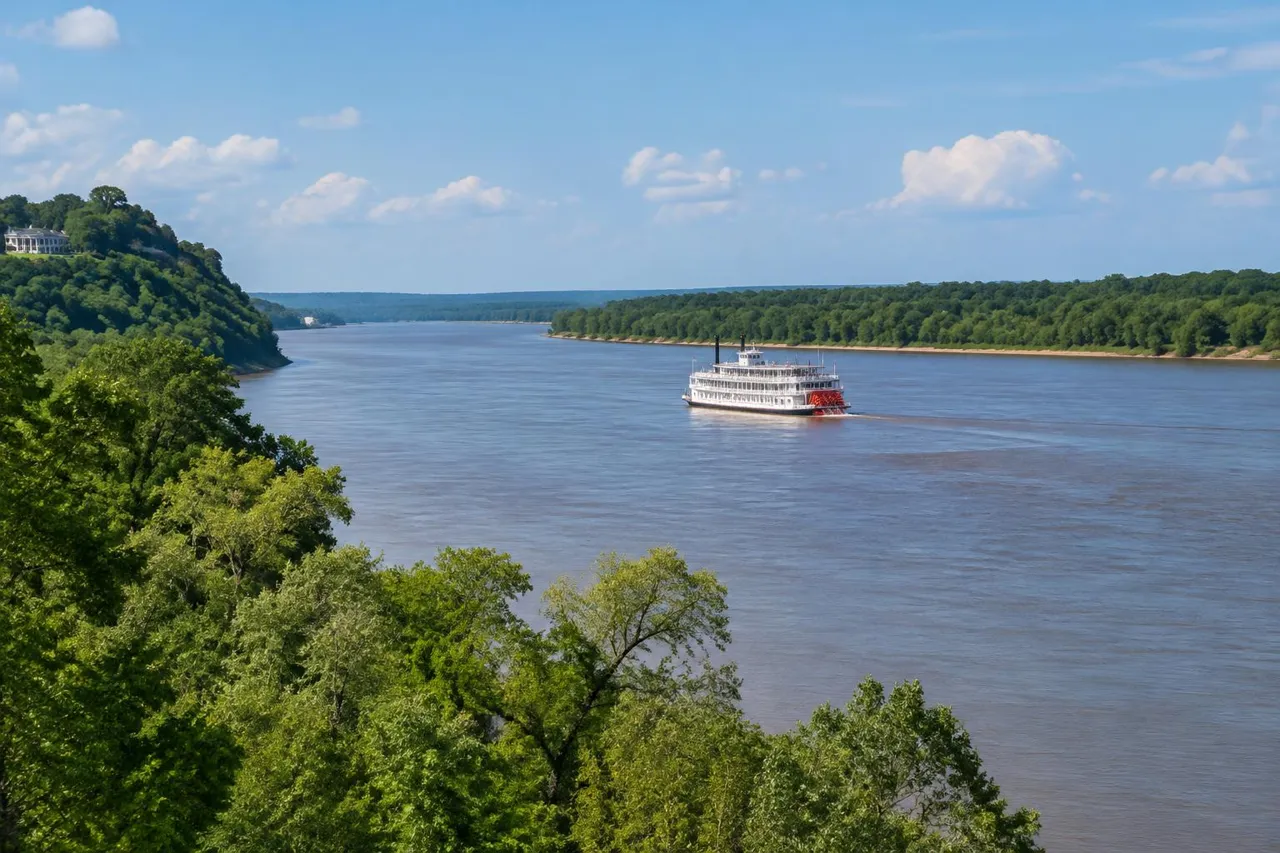
Mississippi river landscape — River Cruises wildlife habitatAI-modified

Mississippi

Upper Mississippi — Upper Mississippi River NWR, Wabasha MN–Rock Island IL Deck/riverbank scanning; optional refuge overlooks or backwater outing for closer views. Warm-season bluff soaring.
Explore river cruises

Destinations describe the species' habitat, not guaranteed cruise stops. Some animals require an optional inland excursion or are found in restricted reserves.

Fun facts about the Turkey Vulture

  • Carrion is its principal food.
  • It locates food largely by smell.
  • It almost never attacks living prey.
  • It can roost communally.
  • It uses sheltered cavities and crevices for nesting.
  • It does not build a full conventional nest.
  • The refuge describes it riding air currents around Mississippi bluffs.

Best time to see the Turkey Vulture

The registry describes warm-season bluff soaring, and the refuge supplies direct local evidence of birds using bluff air currents. Neither statement establishes a complete numerical local occurrence calendar. Months remain empty rather than borrowing dates from another state or converting the refuge’s broad seasonal headings into a species-specific range. For a practical visit, choose a safe overlook with a wide view of the bluffs and ask refuge staff about current activity. A day without visible soaring birds does not establish that the species is absent from the whole reach.

Turkey Vulture: season matrix by destination

Highlighted months reflect the stated local evidence, not guaranteed encounters. Neutral months mean no verified monthly viewing window, not absence. Observation records and recommended viewing windows are distinct.

Mississippi

A recurring numerical observation calendar for this exact reach was not verified. The cited source supports occurrence only; survey, breeding and individual trip dates are not converted into months.

JanFebMarAprMayJunJulAugSepOctNovDec
Explore river cruises

Where the Turkey Vulture lives

Cornell lists mixed farmland, forest and rangeland among the open landscapes searched by Turkey Vultures. Trees, rocks and other high sheltered places can serve as night roosts. On the registered Upper Mississippi reach, look across the interface of bluffs, wooded slopes and open river scenery between Wabasha and Rock Island. The bird’s relationship to the river is therefore not restricted to water: rising air and adjacent terrestrial feeding areas can be more important to a visible soaring bird than the channel beneath it.

What the Turkey Vulture eats

Carrion is the principal food. Cornell says mammals form most meals, with reptiles, birds, amphibians, fish and even invertebrates also taken. Turkey Vultures prefer relatively fresh dead animals and locate food largely by smell; they almost never attack living prey. Their feeding can involve selecting softer tissues when a carcass is difficult to open. No Upper Mississippi dietary percentages were verified. A vulture over the river is not necessarily tracking a fish or searching the exact patch of water below its flight path.

Species at a glance

Common name
Turkey Vulture
Scientific name
Cathartes aura
Animal group
Birds
Size
Species-specific length not verified.
Weight
Species-specific weight not verified.
Lifespan
Species-specific lifespan not verified.
Status
Cornell conservation descriptor: Low Concern; formal global category not verified.
Identification
Turkey Vultures have long broad wings, a small head and a relatively long tail. In flight they often hold their wings slightly raised and make rocking adjustments. The underside shows a contrast between darker leading portions and paler flight feathers. Adults have a bare red head, but at cruise-viewing distances it may look dark or be invisible. Do not rely solely on head colour, especially with young birds. Compare the whole wing pattern and tail shape with other large soaring birds before recording a confident identification.

Turkey Vulture: frequently asked questions

Where can I see the Turkey Vulture?
Mississippi. From a deck or designated overlook, scan the skyline above bluff edges and follow individual birds long enough to see their flight style. Binoculars help distinguish a vulture from an eagle without moving toward a roost. Avoid stopping vehicles dangerously beside a carcass, and never place food to attract a closer flight. If birds are gathered in trees, stay well back and do not trigger a departure. The registered reach is long, so refuge access points provide a more realistic plan than assuming the same viewing conditions at every cruise stop.
When is the best time to see the Turkey Vulture?
The registry describes warm-season bluff soaring, and the refuge supplies direct local evidence of birds using bluff air currents. Neither statement establishes a complete numerical local occurrence calendar. Months remain empty rather than borrowing dates from another state or converting the refuge’s broad seasonal headings into a species-specific range. For a practical visit, choose a safe overlook with a wide view of the bluffs and ask refuge staff about current activity. A day without visible soaring birds does not establish that the species is absent from the whole reach.
How big does the Turkey Vulture get?
Species-specific length not verified.. Adult weight: Species-specific weight not verified.. Size varies with age, sex and population.
How should I behave around the Turkey Vulture?
From a deck or designated overlook, scan the skyline above bluff edges and follow individual birds long enough to see their flight style. Binoculars help distinguish a vulture from an eagle without moving toward a roost. Avoid stopping vehicles dangerously beside a carcass, and never place food to attract a closer flight. If birds are gathered in trees, stay well back and do not trigger a departure. The registered reach is long, so refuge access points provide a more realistic plan than assuming the same viewing conditions at every cruise stop.
What does the Turkey Vulture eat?
Carrion is the principal food. Cornell says mammals form most meals, with reptiles, birds, amphibians, fish and even invertebrates also taken. Turkey Vultures prefer relatively fresh dead animals and locate food largely by smell; they almost never attack living prey. Their feeding can involve selecting softer tissues when a carcass is difficult to open. No Upper Mississippi dietary percentages were verified. A vulture over the river is not necessarily tracking a fish or searching the exact patch of water below its flight path.
Are wildlife sightings guaranteed on a river cruise?
No. Animals move freely and routes, weather, access restrictions and local conditions influence every outing. Confirm the actual itinerary and shore program before booking.

Compare wildlife in the same destinations

Explore other birds recorded in these destinations. Similar surroundings do not mean the animals share the same habits or viewing season.

Species comparison by animal group and destination
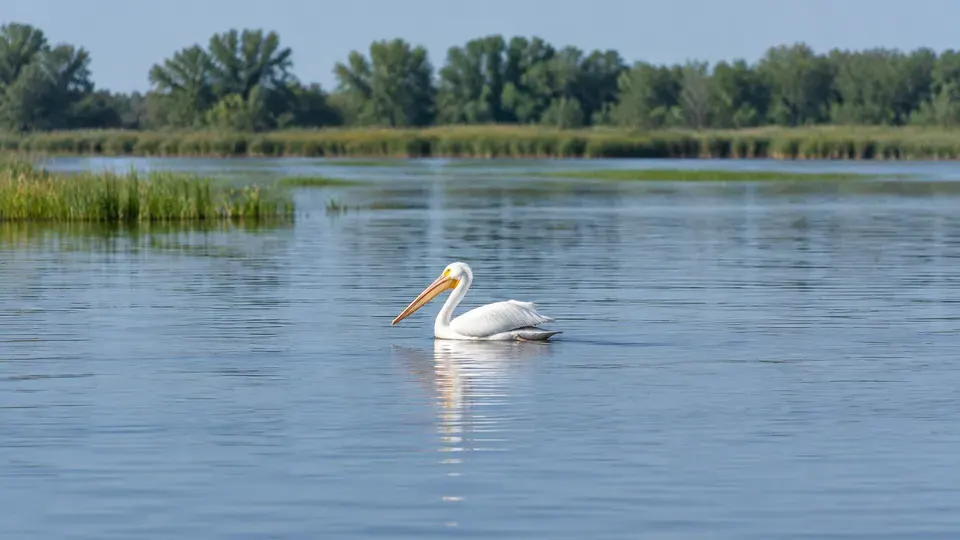
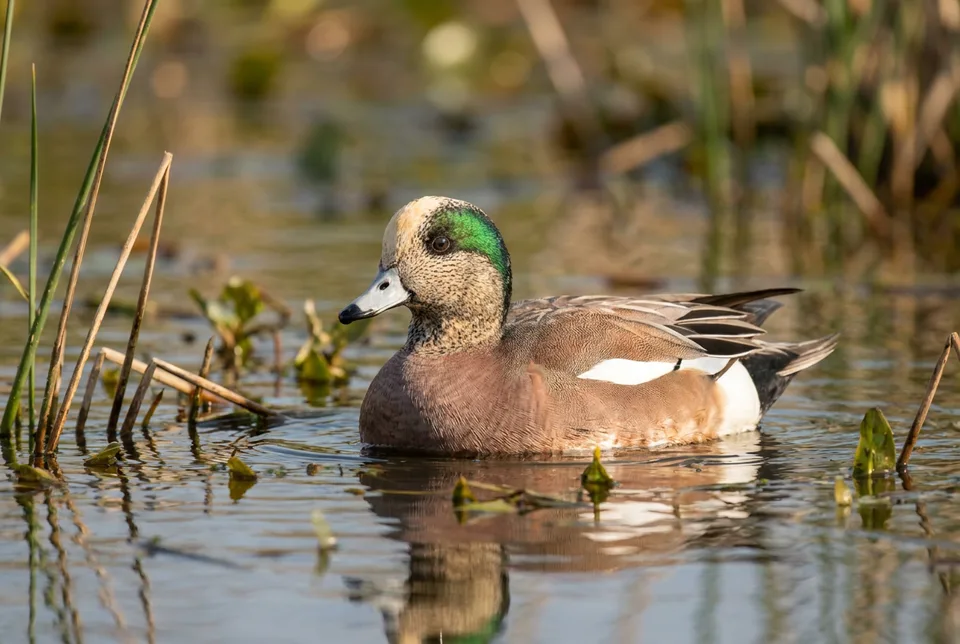
Turkey Vulture in wetland habitat — Mississippi, River Cruises wildlifeAI-modifiedTurkey VultureAmerican white pelican in wetland habitat — Columbia, Mississippi, River Cruises wildlifeAI-modifiedAmerican White PelicanAmerican Wigeon in wetland habitat — Columbia, Mississippi, River Cruises wildlifeAI-modifiedAmerican Wigeon
Animal groupBirdsAnimal groupBirdsAnimal groupBirds
DestinationsMississippiDestinationsColumbia, MississippiDestinationsColumbia, Mississippi
Scientific name
Cathartes aura
Scientific name
Scientific name
Previous speciesTundra SwanNext speciesWatercock
All river wildlife
On this page
  • 01About
  • 02Behaviour & reproduction
  • 03Top wildlife locations
  • 04Fun facts
  • 05Best season
  • 06Season matrix by destination
  • 07Habitat
  • 08Diet
  • 09Species at a glance
  • 10Questions & answers
  • 11Compare

Find your river cruise

AI-modified
Plan your trip

Find your next river journey

Compare destinations, shore programs and dates with the animals and habitats you would love to see.

  • Daily shore excursions
  • Responsible wildlife watching
  • Boutique river ships
Explore river cruises