Bluerides – Blue Rides - Book Liveaboards worldwideOCEAN ADVENTURES
River CruisesRiversNature & WildlifeOur Promise
River CruisesRiversNature & WildlifeOur PromiseSign In

River destinations

  • River destinations
  • Amazon
  • Danube
  • Rhine
  • Mekong
  • Nile

Ships & departures

  • River Cruise Search
  • Deals

Nature & Wildlife

  • Nature & Wildlife

Travel support

  • Our Promise
  • Contact

Contact

Get in Touch

Get in touch anytime, we're happy to help you find the right trip or sort out any question.

EmailWrite us, we usually reply within a few hours.
contact@bluerides.com
WhatsAppChat with us on WhatsApp, Mon–Fri 10:00–16:00 (CET).
Start WhatsApp Chat
PhoneCall us, we're happy to help.
Free call, Mon–Fri 10 AM – 8 PM (CET).
Europe+49 800 1144 990USA+1 888 557 7735UK+44 800 707 4152Australia+61 2 8599 6113Canada+1 888 557 7735
Which river journey is yours?Answer 8 quick questions and find the river cruise that fits you.
8 questions, 1 minute·Plus Gift
Secure Payment MethodsYour payments are fully secured with AES-256 encryption.
Powered byStripeWiseAMEXPayGoogle PaySEPABank
Imprint·Terms & Conditions·Privacy Policy·About·Contact·Liability Waiver·Affiliate Program·Cruise·
Visit us here

© 2026 Blue Rides. All rights reserved.·

Bluerides – Blue Rides - Book Liveaboards worldwideOCEAN ADVENTURES
River CruisesRiversNature & WildlifeOur Promise
River CruisesRiversNature & WildlifeOur PromiseSign In
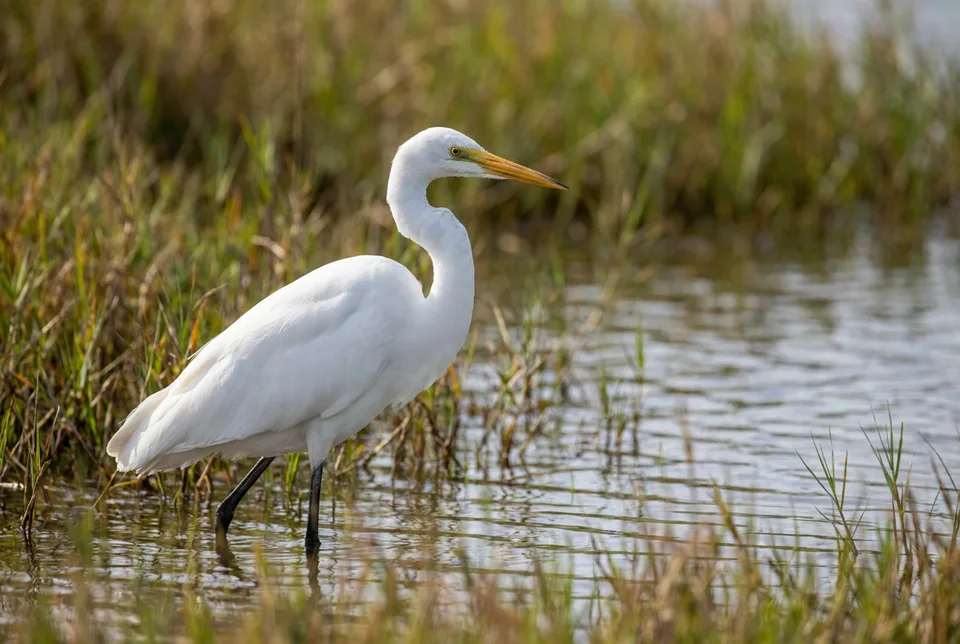
Medium Egret in wetland habitat — Mekong, River Cruises wildlife
Home›River Cruises›River Wildlife›Medium Egret

Medium EgretArdea intermediaWhere and when to see them

Previous speciesMediterranean GullNext speciesMule Deer

Medium Egret at a glance

Medium Egret is the name used here for Ardea intermedia, a white heron that older sources often call Intermediate Egret. The naming matters because historical accounts can cover a broader taxonomic treatment than a modern Asian species profile. eBird uses Medium Egret for the bird described here, while the Tra Su forestry checklist uses Intermediate Egret. The registered location is Tra Su flooded forest in Vietnam's Mekong Delta, reached on an optional excursion from Chau Doc. The checklist establishes a historical local record, not a present-day abundance claim. BirdLife's 2020 Intermediate Egret assessment lists Least Concern, but its scope should be retained when quoting that status. A distant white egret should not be given this name merely because it looks medium-sized among neighbouring birds. Source: https://ebird.org/species/integr1

Behaviour & reproduction

Size
Body length not verified for the current species treatment.
Weight
Body mass not verified for the current species treatment.
Lifespan
Species-specific lifespan not verified.
Status
Least Concern in BirdLife’s 2020 Intermediate Egret assessment; that source uses a broader historical treatment.

eBird describes a bird that associates with many kinds of water body and wet fields, often alongside other egrets. Mixed gatherings can provide useful size comparisons, but differences in distance and posture can be deceptive. A standing bird may shorten its neck considerably, while a feeding bird can extend it and appear much larger. Watch the same individual through several postures before deciding which structural features are consistent. The Tra Su checklist does not provide a behavioural study, nest calendar or mapped roost for this species. Consequently, no specific daily arrival time or colonial behaviour at a particular tree is promised here. Remain still during natural feeding or resting activity and let the bird supply the necessary views without asking a boat operator to flush the group.

Top wildlife locations

Mekong river landscape — River Cruises wildlife habitat

Mekong

Vietnam Mekong delta: Tra Su flooded forest, optional shore excursion from Chau Doc (not main-channel deck wildlife) Viewing context: Official 2016 BirdLife/IEBR survey checklist, not a current abundance claim. Boat/boardwalk/tower viewing; crakes, Watercock and coucals elusive. Migrant kingfishers, pond herons and waders seasonal.
Explore river cruises

Destinations describe the species' habitat, not guaranteed cruise stops. Some animals require an optional inland excursion or are found in restricted reserves.

Fun facts about the Medium Egret

  • Older sources often call it Intermediate Egret.
  • The scientific name here is Ardea intermedia.
  • It is smaller than Great Egret.
  • The head is relatively rounded.
  • It can gather with other egrets.
  • Wet fields are among its habitats.
  • Tra Su’s historical checklist uses the older English name.

Best time to see the Medium Egret

The forestry authority's Tra Su checklist was published in April 2016 and names Intermediate Egret. A publication date is not an annual occurrence window, and the checklist does not give a recurring monthly pattern. BirdLife's broad migration classification under the older assessment is also insufficient to assign months to this particular forest. The Mekong location therefore has an empty months array. Ask local staff about current birds and authorised routes rather than relying on a generic delta wet-season or dry-season recommendation. Climate and water level may influence visitor experience, but neither establishes a species-specific recurring schedule without supporting local evidence. A dated photograph from Tra Su would add an occurrence record; it would still not justify treating that month as a reliable annual peak.

Medium Egret: season matrix by destination

Highlighted months reflect the stated local evidence, not guaranteed encounters. Neutral months mean no verified monthly viewing window, not absence. Observation records and recommended viewing windows are distinct.

Mekong

The official Tra Su checklist documents historical occurrence, not monthly recurrence. Its April 2016 publication date does not establish an April viewing season.

JanFebMarAprMayJunJulAugSepOctNovDec
Explore river cruises

Where the Medium Egret lives

Water bodies and wet fields are the broad environments named in eBird's identification account. The cruise-linked habitat is more specific: a flooded forest with visitor routes through the Tra Su wetland, rather than the open Mekong navigation channel. A white bird may stand at a water margin or appear among mixed herons, but the official checklist does not identify which pool or tree is currently used. No numerical water-depth preference or local habitat selection study was verified. Avoid applying measurements from older Australian Intermediate Egret accounts without checking their taxonomic scope. Boat, boardwalk and tower visits offer different perspectives on the wetland, and none guarantees diagnostic views. Maintain the distinction between a documented forest occurrence and a general claim for all Vietnamese rice fields or delta channels.

What the Medium Egret eats

A species-specific diet account clearly matching the modern Medium Egret treatment was not verified in the retrieved sources. Older Intermediate Egret material can include populations now treated differently, so its prey lists and measurements should not be silently imported. No Tra Su feeding study or quantified local menu was available for this profile. A bird standing in shallow water may be searching for prey, but the prey's identity requires actual observation or a suitable reference. White egrets feeding together do not necessarily have identical diets, and a mixed flock is not evidence for any particular proportion of fish or insects. For visitors, patient watching of natural searching and striking is sufficient. Do not bait the water, move vegetation or disturb a feeding area to make an item visible.

Species at a glance

Common name
Medium Egret
Scientific name
Ardea intermedia
Animal group
Birds
Size
Body length not verified for the current species treatment.
Weight
Body mass not verified for the current species treatment.
Lifespan
Species-specific lifespan not verified.
Status
Least Concern in BirdLife’s 2020 Intermediate Egret assessment; that source uses a broader historical treatment.
Identification
eBird characterises Medium Egret as stockier than Great Egret, larger than Little and Eastern Cattle Egrets, and intermediate in several proportions. Its bill is shorter than Great Egret's but longer than Eastern Cattle Egret's, while the head is relatively rounded and the legs shorter than those of Great Egret. A yellow bill is described in the identification account, but bare-part colour alone should not decide an identification because age, condition and season can affect appearance. Use the complete structural combination and compare with local alternatives. A hunched Great Egret can look misleadingly compact, and perspective can distort relative size. The historical checklist's Intermediate Egret name should be linked through the scientific name and regional context, not treated as an unrelated extra species.

Medium Egret: frequently asked questions

Where can I see the Medium Egret?
Mekong. Use a quiet boat or boardwalk viewpoint at Tra Su and look for a clear side view of the head, neck and legs. Compare birds at similar distances rather than judging size across different parts of a mixed flock. A telescope from a tower can help, but atmospheric glare and intervening branches may remove the details needed for identification. Photograph the profile if possible and check the image later with a regional guide. Avoid approaching a resting group or making birds fly just to expose their proportions. This species is linked to an optional shore excursion from Chau Doc, not promised from the main cruise vessel. When diagnostic features remain hidden, a record of unidentified white egret is more accurate than selecting Medium Egret by elimination.
When is the best time to see the Medium Egret?
The forestry authority's Tra Su checklist was published in April 2016 and names Intermediate Egret. A publication date is not an annual occurrence window, and the checklist does not give a recurring monthly pattern. BirdLife's broad migration classification under the older assessment is also insufficient to assign months to this particular forest. The Mekong location therefore has an empty months array. Ask local staff about current birds and authorised routes rather than relying on a generic delta wet-season or dry-season recommendation. Climate and water level may influence visitor experience, but neither establishes a species-specific recurring schedule without supporting local evidence. A dated photograph from Tra Su would add an occurrence record; it would still not justify treating that month as a reliable annual peak.
How big does the Medium Egret get?
Body length not verified for the current species treatment.. Adult weight: Body mass not verified for the current species treatment.. Size varies with age, sex and population.
How should I behave around the Medium Egret?
Use a quiet boat or boardwalk viewpoint at Tra Su and look for a clear side view of the head, neck and legs. Compare birds at similar distances rather than judging size across different parts of a mixed flock. A telescope from a tower can help, but atmospheric glare and intervening branches may remove the details needed for identification. Photograph the profile if possible and check the image later with a regional guide. Avoid approaching a resting group or making birds fly just to expose their proportions. This species is linked to an optional shore excursion from Chau Doc, not promised from the main cruise vessel. When diagnostic features remain hidden, a record of unidentified white egret is more accurate than selecting Medium Egret by elimination.
What does the Medium Egret eat?
A species-specific diet account clearly matching the modern Medium Egret treatment was not verified in the retrieved sources. Older Intermediate Egret material can include populations now treated differently, so its prey lists and measurements should not be silently imported. No Tra Su feeding study or quantified local menu was available for this profile. A bird standing in shallow water may be searching for prey, but the prey's identity requires actual observation or a suitable reference. White egrets feeding together do not necessarily have identical diets, and a mixed flock is not evidence for any particular proportion of fish or insects. For visitors, patient watching of natural searching and striking is sufficient. Do not bait the water, move vegetation or disturb a feeding area to make an item visible.
Are wildlife sightings guaranteed on a river cruise?
No. Animals move freely and routes, weather, access restrictions and local conditions influence every outing. Confirm the actual itinerary and shore program before booking.

Compare wildlife in the same destinations

Explore other birds recorded in these destinations. Similar surroundings do not mean the animals share the same habits or viewing season.

Species comparison by animal group and destination
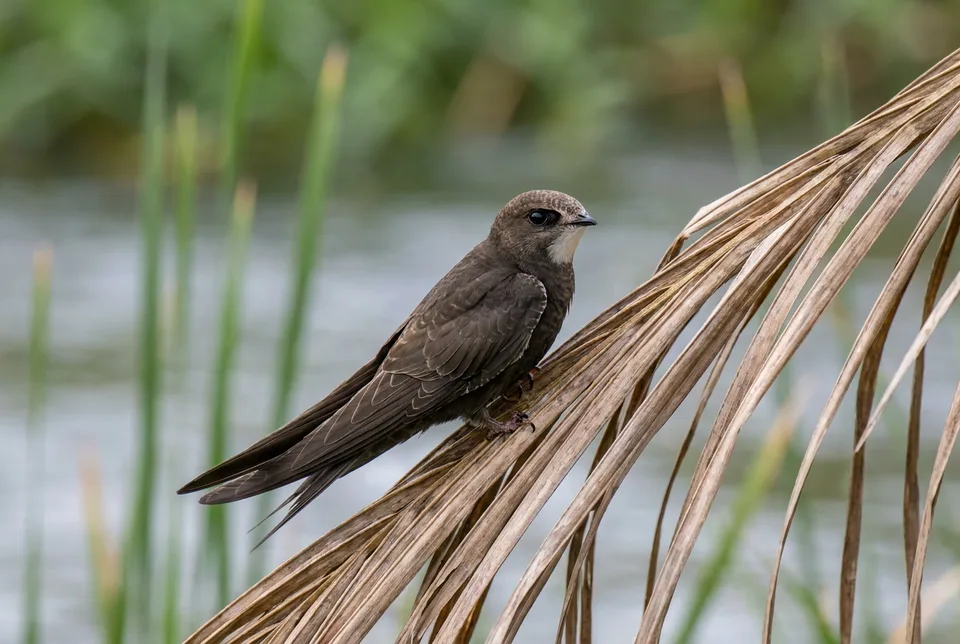
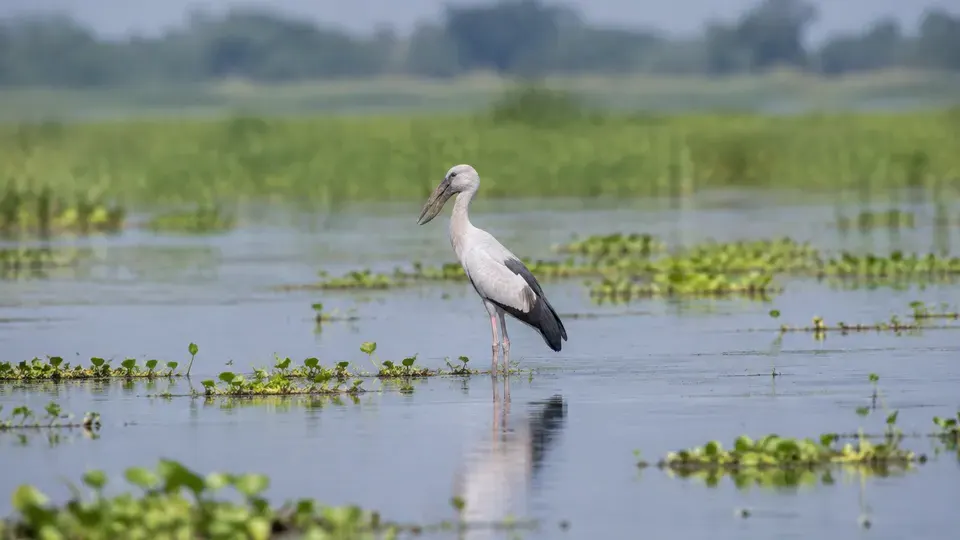
Medium Egret in wetland habitat — Mekong, River Cruises wildlifeMedium EgretAsian openbill in wetland habitat — Mekong, River Cruises wildlifeAsian OpenbillAsian Palm Swift in wetland habitat — Mekong, River Cruises wildlifeAsian Palm Swift
Animal groupBirdsAnimal groupBirdsAnimal groupBirds
DestinationsMekongDestinationsMekongDestinationsMekong
Scientific name
Ardea intermedia
Scientific name
Scientific name
Previous speciesMediterranean GullNext speciesMule Deer
All river wildlife
On this page
  • 01About
  • 02Behaviour & reproduction
  • 03Top wildlife locations
  • 04Fun facts
  • 05Best season
  • 06Season matrix by destination
  • 07Habitat
  • 08Diet
  • 09Species at a glance
  • 10Questions & answers
  • 11Compare

Find your river cruise

Plan your trip

Find your next river journey

Compare destinations, shore programs and dates with the animals and habitats you would love to see.

  • Daily shore excursions
  • Responsible wildlife watching
  • Boutique river ships
Explore river cruises