Bluerides – Blue Rides - Book Liveaboards worldwideOCEAN ADVENTURES
River CruisesRiversNature & WildlifeOur Promise
River CruisesRiversNature & WildlifeOur PromiseSign In

River destinations

  • River destinations
  • Amazon
  • Danube
  • Rhine
  • Mekong
  • Nile

Ships & departures

  • River Cruise Search
  • Deals

Nature & Wildlife

  • Nature & Wildlife

Travel support

  • Our Promise
  • Contact

Contact

Get in Touch

Get in touch anytime, we're happy to help you find the right trip or sort out any question.

EmailWrite us, we usually reply within a few hours.
contact@bluerides.com
WhatsAppChat with us on WhatsApp, Mon–Fri 10:00–16:00 (CET).
Start WhatsApp Chat
PhoneCall us, we're happy to help.
Free call, Mon–Fri 10 AM – 8 PM (CET).
Europe+49 800 1144 990USA+1 888 557 7735UK+44 800 707 4152Australia+61 2 8599 6113Canada+1 888 557 7735
Which river journey is yours?Answer 8 quick questions and find the river cruise that fits you.
8 questions, 1 minute·Plus Gift
Secure Payment MethodsYour payments are fully secured with AES-256 encryption.
Powered byStripeWiseAMEXPayGoogle PaySEPABank
Imprint·Terms & Conditions·Privacy Policy·About·Contact·Liability Waiver·Affiliate Program·Cruise·Blog·
Visit us here

© 2026 Blue Rides. All rights reserved.

Bluerides – Blue Rides - Book Liveaboards worldwideOCEAN ADVENTURES
River CruisesRiversNature & WildlifeOur Promise
River CruisesRiversNature & WildlifeOur PromiseSign In
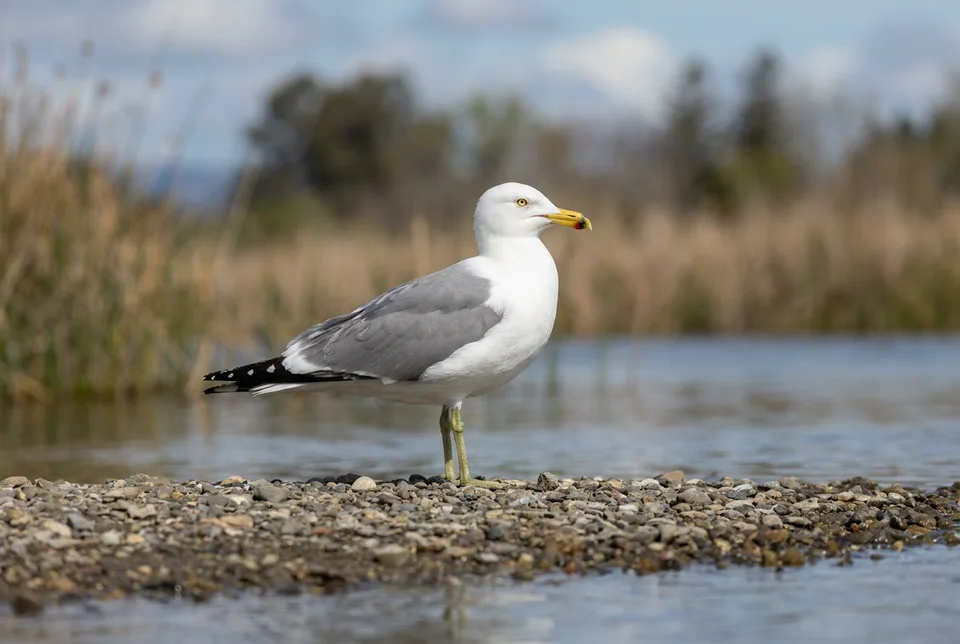
California Gull in wetland habitat — Columbia, River Cruises wildlifeAI-modified
Home›River Cruises›River Wildlife›California Gull

California GullLarus californicusWhere and when to see them

Previous speciesCackling GooseNext speciesCanada Goose

California Gull at a glance

The California Gull is a North American gull whose name understates its range. It occupies western coastal and inland landscapes, including parts of western Canada, the Great Plains and Mexico. Lakes, marshes, rivers and agricultural areas can all provide feeding opportunities. Adults have a white head, grey upperparts and black wingtips, but younger birds look substantially different. Males and females have similar plumage, although males are generally larger. This is a colonial breeder with shared parental duties rather than a bird that simply gathers around discarded food. The registered River association is the Columbia at Umatilla National Wildlife Refuge and the John Day pool, around Boardman–Irrigon. That checklist association establishes occurrence in the registered area, not a guaranteed sighting from a passing vessel.
Behaviour & reproduction

Size
51–58 cm (20–23 in)
Weight
432–885 g (15.2–31.2 oz)
Lifespan
Reported maximum 30 years
Status
ADW: Least Concern

California Gulls combine colony life with varied ways of moving and feeding. On land they walk, sometimes hop onto a higher surface, and may run before taking flight. They also swim and can dive after aquatic prey. Bathing includes stretching the wings and shaking water through the plumage; preening uses both bill and feet. Calls and postures carry different messages during courtship, nest exchanges and confrontations. A bird holding its wings slightly away from the body may be responding to a threat. Alarmed colony birds can dive at intruders. Both parents incubate and provision their young, bringing swallowed food back to regurgitate. ADW also describes young birds repeatedly picking up and dropping sticks, a play behaviour rarely reported in adults.

Top wildlife locations

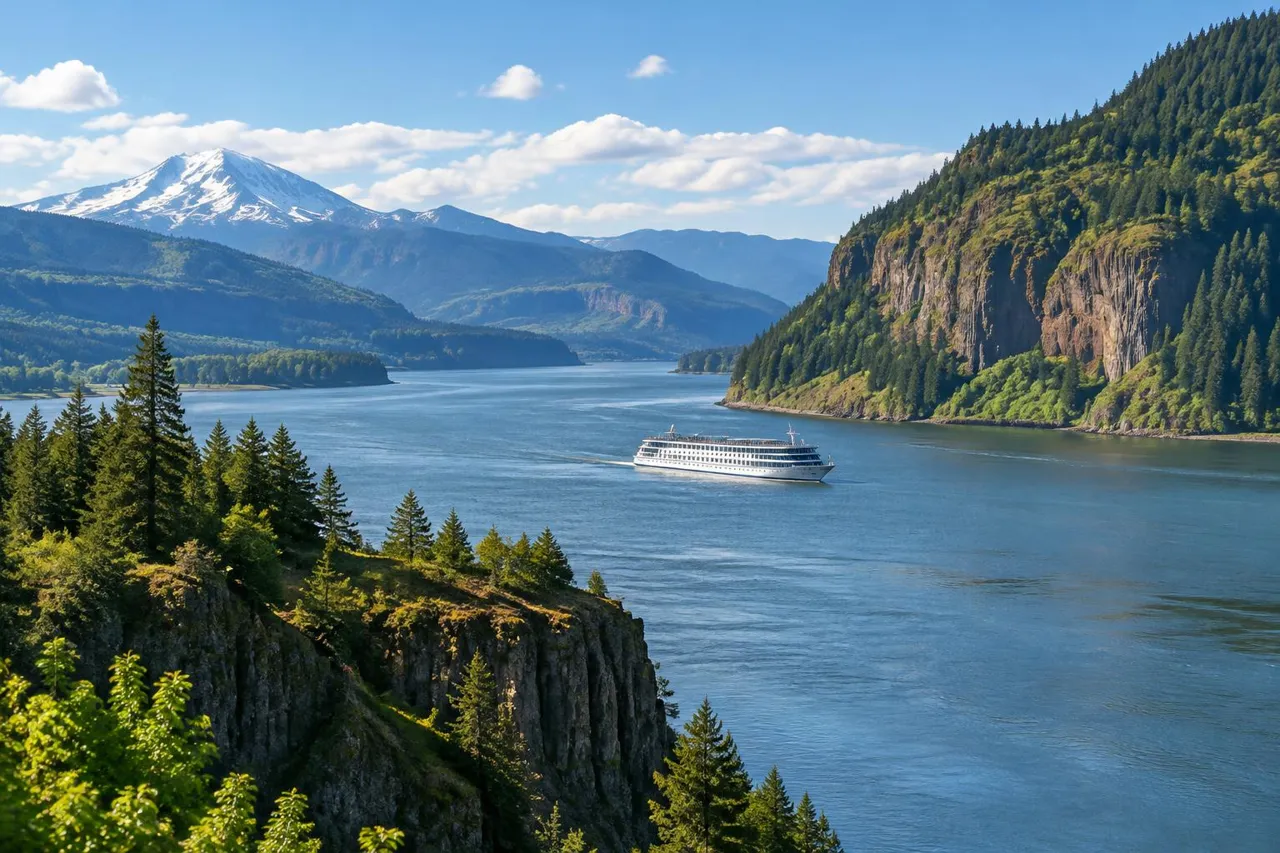
Columbia river landscape — River Cruises wildlife habitatAI-modified

Columbia

Most records cover Umatilla refuge backwaters along the Columbia near Boardman–Irrigon. Seasonal waterfowl may be best in winter rather than the sailing season. Bighorn sheep require a separate Hells Canyon excursion on the Snake River.
Explore river cruises

Destinations describe the species' habitat, not guaranteed cruise stops. Some animals require an optional inland excursion or are found in restricted reserves.

Fun facts about the California Gull

  • Its range includes western Canada and Mexico, not just California.
  • Males and females have similar plumage, but males are usually larger.
  • Adults have yellow-green legs; first-winter birds have pink-tinted legs.
  • Both parents take turns incubating.
  • Parents regurgitate food for their young.
  • Young birds have been observed repeatedly picking up and dropping sticks.
  • Its food includes fruit and grains as well as animal prey.
  • It can catch mice displaced by irrigation.
  • Colony birds use alarm calls and diving attacks against intruders.

Best time to see the California Gull

No species-specific recurring monthly viewing window has been verified for the registered Columbia reach, so its local month array remains empty. The refuge checklist supports occurrence but does not establish when a visitor is most likely to see California Gulls. ADW describes broad seasonal movements: inland breeding areas and winter use of the Pacific coast, with movements through western regions between them. Those continental patterns are useful background, not a substitute for a Umatilla viewing calendar. Likewise, breeding months reported across the species' range cannot be relabelled as the best months for a Columbia cruise. Before a shore visit, consult current refuge information and recent local observations. These may help plan a particular outing, but an individual sighting still does not establish a repeatable seasonal window.

California Gull: season matrix by destination

Highlighted months reflect the stated local evidence, not guaranteed encounters. Neutral months mean no verified monthly viewing window, not absence. Observation records and recommended viewing windows are distinct.

Columbia

No river-specific wildlife calendar is confirmed. Check the actual river reach, local conditions and excursion access with your operator.

JanFebMarAprMayJunJulAugSepOctNovDec
Explore river cruises

Where the California Gull lives

Water is important to California Gulls, but their habitat is not restricted to ocean beaches. ADW describes lakes, marshes, rivers, offshore islands and coastal waters, as well as agricultural land and refuse sites. Breeding nests are often built near shrubs beside water. This combination of nesting habitat and flexible feeding grounds helps explain why an inland river refuge can support a bird named for a coastal state. Around the registered Columbia reach, distinguish open-water resting birds from birds using adjacent shorelines or feeding areas. The registry specifies Umatilla refuge and the John Day pool at Boardman–Irrigon; it does not document every stretch of the Columbia. A refuge visit therefore gives a more geographically grounded search than assuming gulls will accompany the ship throughout the itinerary.

What the California Gull eats

California Gulls are omnivores, and their food varies with the places they use. ADW lists fish, insects, aquatic invertebrates, small mammals, birds and eggs, alongside grains, vegetables, fruit and discarded scraps. Different foods call for different techniques. Birds take fish near the water surface, obtain brine shrimp by diving or pecking, and catch mice displaced by irrigation. They may also take eggs or chicks from other gulls. Fruit feeding can involve knocking cherries from a tree and collecting them from the ground. Such flexibility makes a single feeding observation a poor summary of the species' diet. A gull scavenging beside people is not exclusively a scavenger, just as one catching aquatic prey is not exclusively a fish-eater. Watch naturally feeding birds without offering food.

Species at a glance

Common name
California Gull
Scientific name
Larus californicus
Animal group
Birds
Size
51–58 cm (20–23 in)
Weight
432–885 g (15.2–31.2 oz)
Lifespan
Up to 30 years reported by ADW; not an expected lifespan
Status
Least Concern as displayed by ADW; current IUCN assessment not independently checked
Identification
Start with age, shape and several plumage features together. ADW describes adults with a white head, dark grey mantle, black wingtips, yellow-green legs and a reddish eye-ring. Males tend to have larger heads and bills, but the sexes do not have different plumage patterns. First-winter birds instead show brown upperparts and head, with pink-tinted legs. As they mature, the tail becomes white and the bill yellow; a nearly adult-looking bird may still lack the finished bill and wing pattern. Consequently, a brown gull should not be rejected simply because it lacks the adult appearance. Record the bill, legs, head and wings in good light and consult an age-specific gull guide if necessary. Colour impressions alone, especially from a moving boat, should remain tentative.

California Gull: frequently asked questions

Where can I see the California Gull?
Columbia. Use the registered Boardman–Irrigon and Umatilla refuge context rather than treating the whole river as equally documented. Scan shorelines, resting groups and open water, then examine individual birds through binoculars or a telescope where available. A stationary shore viewpoint may allow more careful comparison than a moving deck. Note plumage stage before trying to match an adult illustration: immature California Gulls can remain conspicuously different from adults. Watch feeding, swimming and preening without drawing birds closer with food. Keep clear of colonies and heed refuge access restrictions. ADW records alarm calls and diving responses to intruders, so defensive behaviour is a reason to withdraw, not approach for photographs. The checklist confirms a place to look; it does not promise a flock or a close encounter.
When is the best time to see the California Gull?
No species-specific recurring monthly viewing window has been verified for the registered Columbia reach, so its local month array remains empty. The refuge checklist supports occurrence but does not establish when a visitor is most likely to see California Gulls. ADW describes broad seasonal movements: inland breeding areas and winter use of the Pacific coast, with movements through western regions between them. Those continental patterns are useful background, not a substitute for a Umatilla viewing calendar. Likewise, breeding months reported across the species' range cannot be relabelled as the best months for a Columbia cruise. Before a shore visit, consult current refuge information and recent local observations. These may help plan a particular outing, but an individual sighting still does not establish a repeatable seasonal window.
How big does the California Gull get?
51–58 cm (20–23 in). Adult weight: 432–885 g (15.2–31.2 oz). Size varies with age, sex and population.
How should I behave around the California Gull?
Use the registered Boardman–Irrigon and Umatilla refuge context rather than treating the whole river as equally documented. Scan shorelines, resting groups and open water, then examine individual birds through binoculars or a telescope where available. A stationary shore viewpoint may allow more careful comparison than a moving deck. Note plumage stage before trying to match an adult illustration: immature California Gulls can remain conspicuously different from adults. Watch feeding, swimming and preening without drawing birds closer with food. Keep clear of colonies and heed refuge access restrictions. ADW records alarm calls and diving responses to intruders, so defensive behaviour is a reason to withdraw, not approach for photographs. The checklist confirms a place to look; it does not promise a flock or a close encounter.
What does the California Gull eat?
California Gulls are omnivores, and their food varies with the places they use. ADW lists fish, insects, aquatic invertebrates, small mammals, birds and eggs, alongside grains, vegetables, fruit and discarded scraps. Different foods call for different techniques. Birds take fish near the water surface, obtain brine shrimp by diving or pecking, and catch mice displaced by irrigation. They may also take eggs or chicks from other gulls. Fruit feeding can involve knocking cherries from a tree and collecting them from the ground. Such flexibility makes a single feeding observation a poor summary of the species' diet. A gull scavenging beside people is not exclusively a scavenger, just as one catching aquatic prey is not exclusively a fish-eater. Watch naturally feeding birds without offering food.
Are wildlife sightings guaranteed on a river cruise?
No. Animals move freely and routes, weather, access restrictions and local conditions influence every outing. Confirm the actual itinerary and shore program before booking.

Compare wildlife in the same destinations

Explore other birds recorded in these destinations. Similar surroundings do not mean the animals share the same habits or viewing season.

Species comparison by animal group and destination
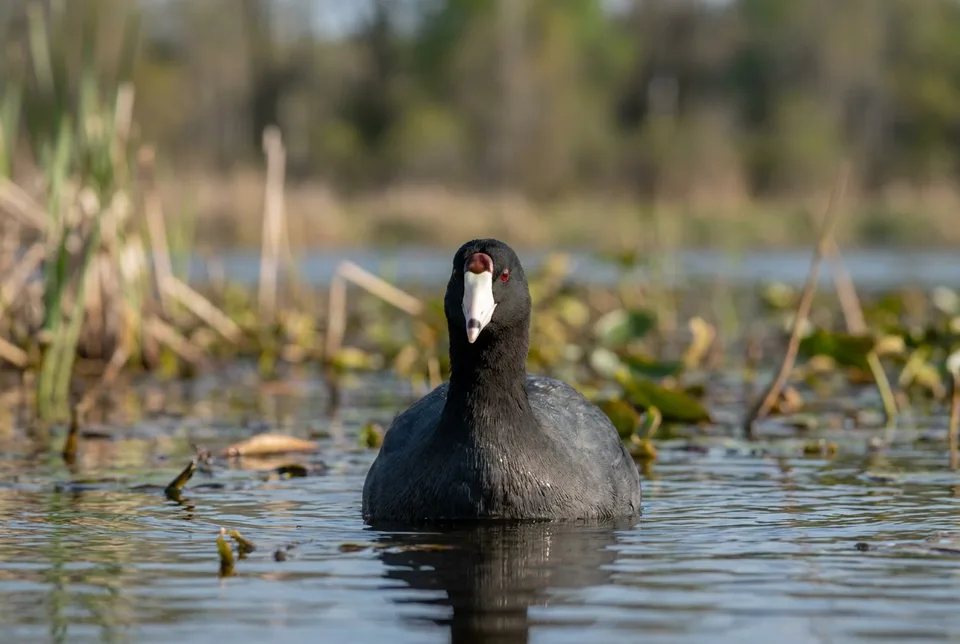
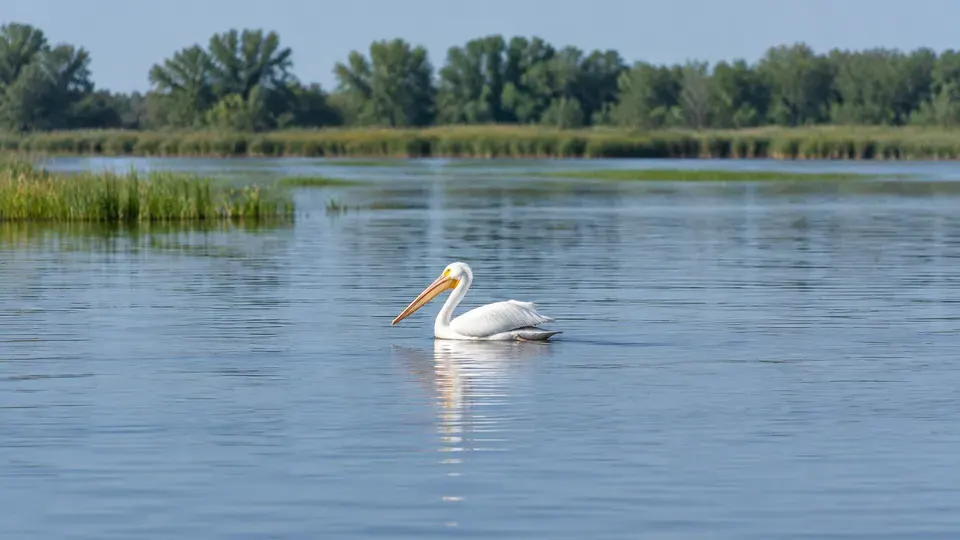
California Gull in wetland habitat — Columbia, River Cruises wildlifeAI-modifiedCalifornia GullAmerican Coot in wetland habitat — Columbia, River Cruises wildlifeAI-modifiedAmerican CootAmerican white pelican in wetland habitat — Columbia, Mississippi, River Cruises wildlifeAI-modifiedAmerican White Pelican
Animal groupBirdsAnimal groupBirdsAnimal groupBirds
DestinationsColumbiaDestinationsColumbiaDestinationsColumbia, Mississippi
Scientific name
Larus californicus
Scientific name
Scientific name
Previous speciesCackling GooseNext speciesCanada Goose
All river wildlife
On this page
  • 01About
  • 02Behaviour & reproduction
  • 03Top wildlife locations
  • 04Fun facts
  • 05Best season
  • 06Season matrix by destination
  • 07Habitat
  • 08Diet
  • 09Species at a glance
  • 10Questions & answers
  • 11Compare

Find your river cruise

AI-modified
Plan your trip

Find your next river journey

Compare destinations, shore programs and dates with the animals and habitats you would love to see.

  • Daily shore excursions
  • Responsible wildlife watching
  • Boutique river ships
Explore river cruises