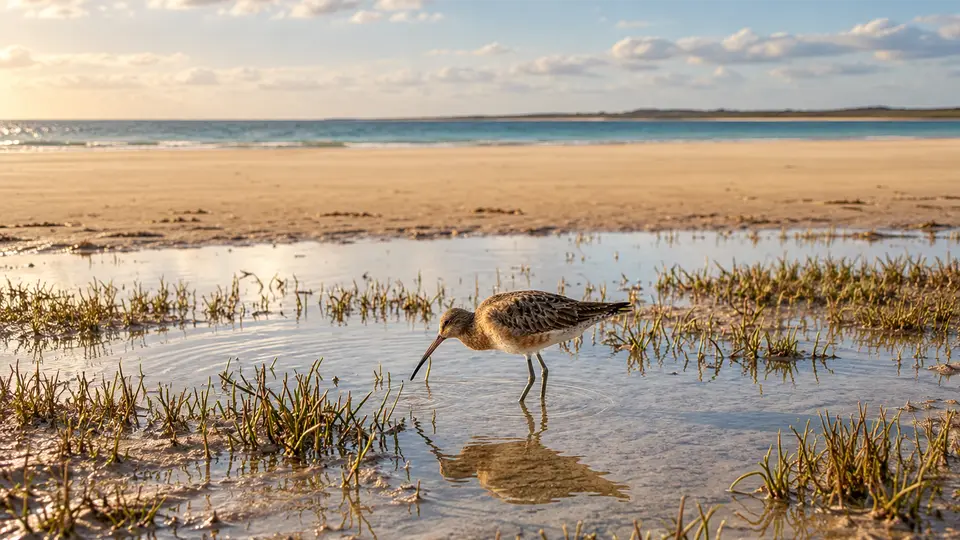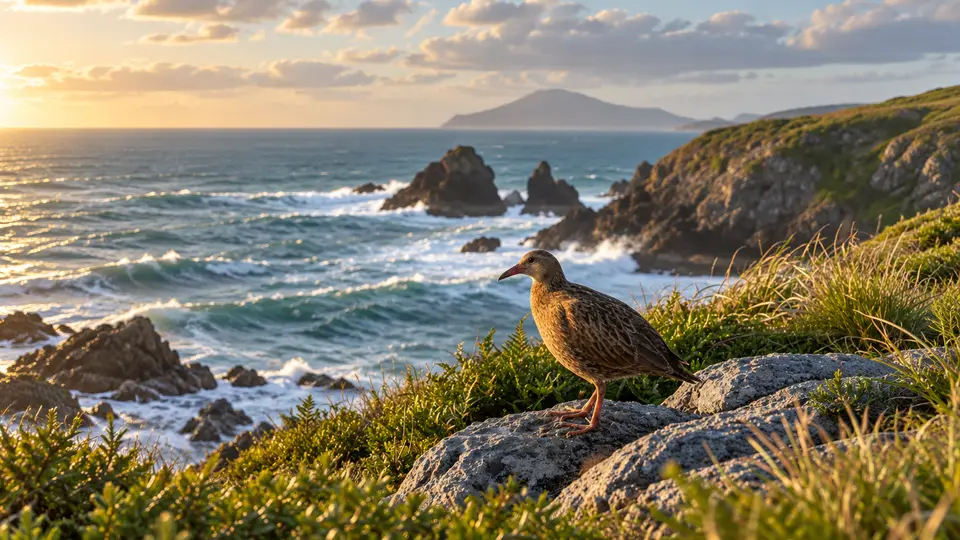
Weka in its natural habitat, AI illustration
Size46–60 cm body lengthLifespanNot reliably establishedStatusVulnerable

Weka: where and when to see them

Gallirallus australis

Weka at a glance

The weka is a large, flightless rail endemic to New Zealand, recognised for its inquisitive manner and strong legs. Brown, streaked plumage provides effective camouflage in scrub despite the confidence some birds show around people. Its distribution is uneven, with regional forms and populations differing greatly in security. Introduced predators, road traffic and habitat change have caused serious declines, while local abundance in a few places can conceal the species' wider conservation challenges.

Behaviour & reproduction

Size
46–60 cm body length
Weight
0.5–1.6 kg
Lifespan
Not reliably established
Status
Vulnerable

Weka forage on foot, probing litter and turning loose material with their bills. They are territorial and communicate with loud calls, often heard around dawn or dusk. Both parents care for the striped chicks, which leave the nest soon after hatching. Curious birds may investigate bags, footwear or unattended objects, but this is exploratory feeding behaviour rather than harmless entertainment when it brings them near roads, campsites or unsuitable food. Weka are strong runners and can move surprisingly quickly through dense vegetation when disturbed. Their elaborate vocalizations include cooing, whistling, and a distinctive 'wee-kaa' call, often exchanged between pairs. They are known for their bold and inquisitive nature, often approaching humans out of curiosity rather than fear.

Top wildlife locations

New Zealand wildlife habitat

New Zealand

Coastal scrub, forest-edge tracks and some island reserves within the species' patchy range offer plausible viewing. Many destinations lack weka, and reaching a known mainland population may require an inland excursion.

Adventure cruises in New Zealand
Destinations describe the species' habitat, not guaranteed cruise stops. Some animals require an optional inland excursion or are found in restricted reserves.

Fun facts about the Weka

  • Weka are rails, not small kiwi.
  • They cannot fly but can swim.
  • Both parents help raise the chicks.
  • Their exploratory behaviour can lead them to carry away small unattended objects.

Best time to see the Weka

Weka can be observed year-round where established populations occur. October to April generally provides longer daylight and comfortable coastal walking, but this is a visitor convenience rather than a strict wildlife season. Early morning and late afternoon often suit quiet observation. While generally active year-round, chick rearing activity in spring and summer can make them more conspicuous. On cruises, viewing opportunities from the deck are generally limited to shore excursions, as weka are largely terrestrial. Coastal walks during daylight hours offer the best chance for close observation.

Weka: season matrix by destination

Travel and observation windows vary by region. Highlighted months are an orientation for planning, not confirmed sightings or a guarantee of access.

New Zealand

A comfortable walking and daylight window; resident weka remain active year-round and local distribution matters most.

JanFebMarAprMayJunJulAugSepOctNovDec
Cruise ships in New Zealand

Where the Weka lives

Weka use forest edges, scrub, wetlands, rough grassland and coastal vegetation where ground cover and food occur together. Some inhabit modified landscapes, but safe nesting cover remains important. Their patchy distribution means apparently suitable habitat may contain no birds at all. They are particularly common on offshore islands where stoats and other introduced predators are absent. Some populations on the main islands are restricted to specific reserves or areas with intensive predator control. They are absent from significant portions of their historical range.

What the Weka eats

These adaptable omnivores eat insects, worms, slugs, fruit, seeds and small vertebrates. They also take eggs and carrion when available. Their broad diet helps them exploit changing conditions but can make introduced weka problematic on islands with vulnerable native wildlife. Their opportunistic feeding sometimes includes raiding traps set for pests, which poses a management challenge. Weka are known to cache food, especially during periods of abundance, to consume later. They can subsist on a wide variety of food items found locally, including coastal invertebrates and fish in shoreline habitats.

Species at a glance

Common name
Weka
Scientific name
Gallirallus australis
Animal group
Birds
Size
46–60 cm body length
Weight
0.5–1.6 kg
Lifespan
Not reliably established
Status
Vulnerable
Identification
A robust brown body, short wings and stout pointed bill distinguish weka from the smaller, more secretive banded rail and the blue-purple pūkeko. Four subspecies are recognized, showing regional variations in size and coloration, from paler to darker brown plumages. The brown weka (G. a. australis) is found in the South Island, while the North Island weka (G. a. greyi) inhabits the North Island. The smaller buff weka (G. a. hectori) is restricted to Chatham Island, and Stewart Island weka (G. a. scotti) is found on Stewart and surrounding islands.

Weka: frequently asked questions

Where can I see the Weka?
New Zealand. Let weka approach or withdraw on their own, and secure food and loose belongings. Never feed them or lure them toward roads. Keep dogs under strict control, as flightless adults and their chicks are vulnerable to attack. Be mindful that weka are adept at snatching unattended items, so keep bags zipped and items secured. If encountered, keep a respectful distance to avoid disturbing their natural foraging patterns. Their curiosity can lead them to approach picnic sites, so it's important not to leave food accessible.
When is the best time to see the Weka?
Weka can be observed year-round where established populations occur. October to April generally provides longer daylight and comfortable coastal walking, but this is a visitor convenience rather than a strict wildlife season. Early morning and late afternoon often suit quiet observation. While generally active year-round, chick rearing activity in spring and summer can make them more conspicuous. On cruises, viewing opportunities from the deck are generally limited to shore excursions, as weka are largely terrestrial. Coastal walks during daylight hours offer the best chance for close observation.
How big does the Weka get?
46–60 cm body length. Adult weight: 0.5–1.6 kg. Size varies with age, sex and population.
How should I behave around the Weka?
Let weka approach or withdraw on their own, and secure food and loose belongings. Never feed them or lure them toward roads. Keep dogs under strict control, as flightless adults and their chicks are vulnerable to attack. Be mindful that weka are adept at snatching unattended items, so keep bags zipped and items secured. If encountered, keep a respectful distance to avoid disturbing their natural foraging patterns. Their curiosity can lead them to approach picnic sites, so it's important not to leave food accessible.
What does the Weka eat?
These adaptable omnivores eat insects, worms, slugs, fruit, seeds and small vertebrates. They also take eggs and carrion when available. Their broad diet helps them exploit changing conditions but can make introduced weka problematic on islands with vulnerable native wildlife. Their opportunistic feeding sometimes includes raiding traps set for pests, which poses a management challenge. Weka are known to cache food, especially during periods of abundance, to consume later. They can subsist on a wide variety of food items found locally, including coastal invertebrates and fish in shoreline habitats.
Are wildlife sightings guaranteed on an adventure cruise?
No. Animals move freely and routes, weather, access restrictions and local conditions influence every outing. Confirm the actual itinerary and shore programme before booking.

Compare wildlife in the same destinations

Explore other birds recorded in these destinations. Similar surroundings do not mean the animals share the same habits or viewing season.

Species comparison by animal group and destination
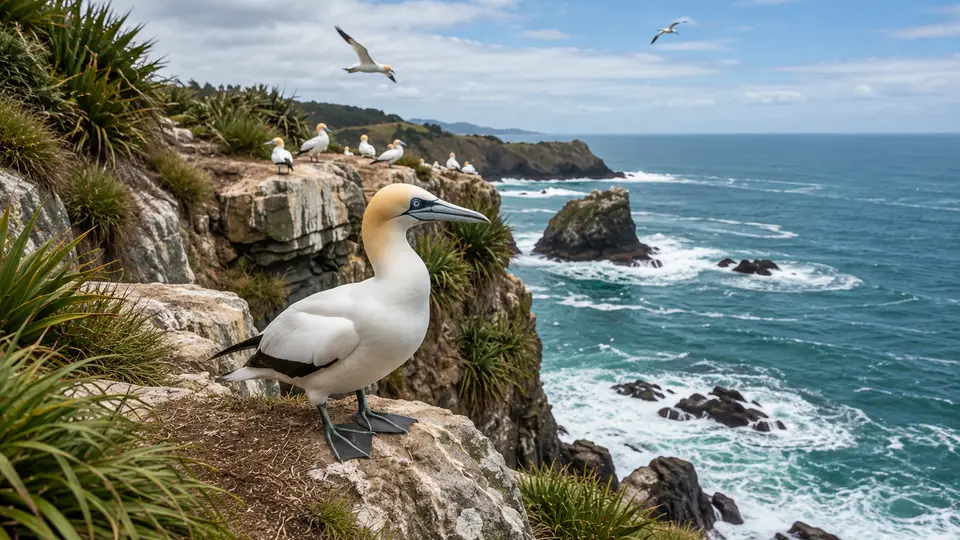
WekaWekaAustralasian gannetAustralasian gannetBar-tailed godwitBar-tailed godwit
Animal groupBirdsAnimal groupBirdsAnimal groupBirds
DestinationsNew ZealandDestinationsNew ZealandDestinationsAustralia, New Zealand
All wildlife destinations
Plan your trip

Find your next wildlife adventure

Compare destinations, shore programmes and dates with the animals and habitats you would love to see.

  • Naturalist-led shore excursions
  • Responsible wildlife watching
  • Small expedition ships

Newsletter

Take Blue Rides with you

Adventure cruise offers, last-minute deals and trip inspiration.

Free, unsubscribe anytime. Details: Privacy Policy

Partner with Blue Rides

Affiliate Program

Recommend adventure cruises and earn commission on every confirmed booking.

Share. Track. Earn.