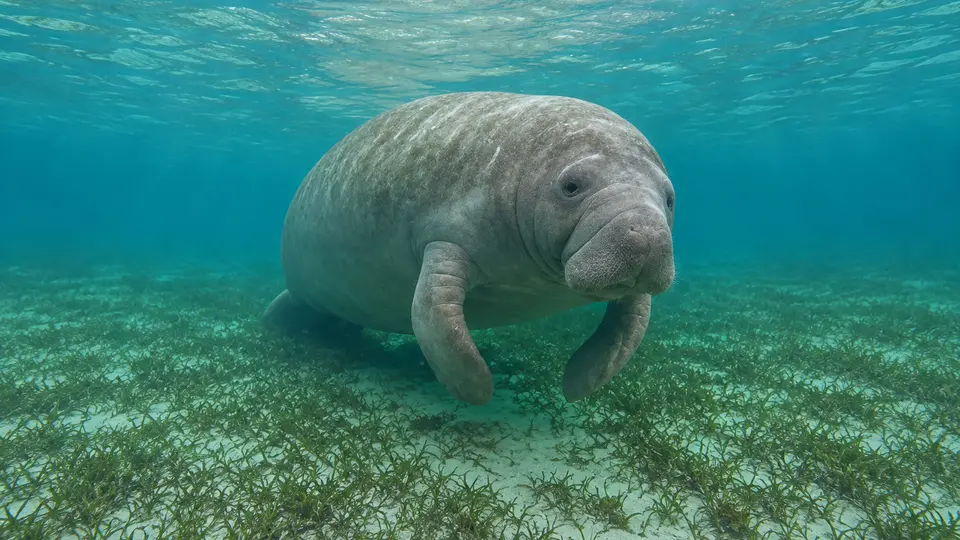
West Indian Manatee in its natural habitatAI-modified

West Indian ManateeTrichechus manatusWhere and when to see them

West Indian Manatee at a glance

The West Indian manatee is a large aquatic herbivore of warm coastal and inland waters in the western Atlantic region. Florida's animals belong to the Florida subspecies and are especially dependent on warm refuges during cold weather. Despite their substantial size, manatees have limited tolerance for low temperatures. Boat collisions, habitat degradation and shortages of aquatic vegetation remain major threats, so apparently peaceful resting groups can represent animals coping with serious environmental pressures.

Behaviour & reproduction

Size
2.7–3.5 m (8.9–11.5 ft) total length
Weight
350–600 kg (770–1,320 lb)
Lifespan
40–60 years
Status
Vulnerable

Manatees alternate grazing, travelling and resting, periodically raising their nostrils above the surface to breathe. They usually occur alone or in loose groups rather than stable herds, although warm-water refuges can draw large seasonal aggregations. Mothers maintain prolonged bonds with calves and guide them between feeding areas and shelter. Movements change with water temperature and food availability, sometimes taking individuals along coasts and through connected rivers over considerable distances. Manatees are primarily nocturnal or crepuscular feeders, grazing most actively during dawn and dusk. They can hold their breath for up to 20 minutes, though typical dives are much shorter, usually 1 to 4 minutes. Communication among manatees involves a variety of squeaks, squeals, and chirps, particularly between mothers and calves.

Top wildlife locations

Florida wildlife habitatAI-modified

Florida

Designated spring overlooks, riverbank platforms and sheltered coastal viewing areas can provide distant surface views. Winter refuges may require an inland excursion, and closures protect animals from disturbance during cold conditions.
Destinations describe the species' habitat, not guaranteed cruise stops. Some animals require an optional inland excursion or are found in restricted reserves.

Fun facts about the West Indian Manatee

  • New cheek teeth move forward as older teeth wear out.
  • Manatees normally have six neck vertebrae rather than the usual mammalian seven.
  • Their closest living relatives include elephants and hyraxes.
  • Cold-weather aggregations are gatherings at thermal refuges, not permanent herds.

Best time to see the West Indian Manatee

November to March often offers the best shore-based prospects at managed Florida warm-water viewing areas, especially during cold spells. These gatherings reflect temperature needs, not breeding season. In warmer months animals disperse, making sightings from any single shore location less predictable. In central and south Florida, dedicated warm-water sites often host large aggregations of manatees, making winter prime viewing. These critical wintering habitats are often protected state parks or wildlife refuges. During colder periods, manatees may migrate hundreds of miles to reach suitable warm water.

West Indian Manatee: season matrix by destination

Travel and observation windows vary by region. Highlighted months are an orientation for planning, not confirmed sightings or a guarantee of access.

Florida

Cold weather can concentrate manatees at warm refuges; this is not a breeding window, and mild spells may reduce shore visibility.

JanFebMarAprMayJunJulAugSepOctNovDec
Cruise ships in Florida

Where the West Indian Manatee lives

They inhabit shallow coastal bays, estuaries, rivers and canals containing aquatic vegetation and access to fresh water. In Florida, winter survival depends on sufficiently warm refuges, including springs and certain artificial discharges. Turbid water often limits views to backs and surfacing noses. They are semi-social and can also be found in freshwater rivers and springs far inland from the coast. Manatees require water depths of at least five feet for safe travel and resting, though they can navigate in shallower areas. Salinity tolerance allows them to move between fresh, brackish, and saltwater environments.

What the West Indian Manatee eats

Manatees graze on seagrasses and a wide variety of freshwater and estuarine plants. Flexible lips gather vegetation, while continuously replacing cheek teeth grind abrasive food. Loss of productive plant beds can force longer movements and contribute to severe malnutrition. Adults consume up to 10-15% of their body weight daily in vegetation. While primarily herbivorous, manatees are occasionally observed ingesting small invertebrates or fish inadvertently consumed with plants. Their gut microbiota aids in digesting tough plant fibers.

Species at a glance

Common name
West Indian Manatee
Scientific name
Trichechus manatus
Animal group
Mammals
Size
2.7–3.5 m (8.9–11.5 ft) total length
Weight
350–600 kg (770–1,320 lb)
Lifespan
40–60 years
Status
Vulnerable
Identification
A broad paddle-shaped tail and rounded body distinguish manatees from dolphins, while the lack of tail flukes separates them from dugongs. Scars from boat propellers are unfortunately common and can sometimes aid in individual identification, though they are also a conservation concern. Their wrinkled, leathery skin is often covered in barnacles or algae, varying in color from gray to brown. The presence of two small flippers, each with three or four nails, is also a distinguishing feature.

West Indian Manatee: frequently asked questions

Where can I see the West Indian Manatee?
Florida. Use designated banks or viewing platforms and keep observation entirely shore-based or distant from a deck. Never feed, touch or supply water to manatees. Respect refuge closures, and avoid any action that interrupts resting or separates calves from mothers. Be aware that manatees are often camouflaged by turbid water or vegetation, so scanning the surface for their backs or snouts is key. Binoculars are highly recommended for observing these often subtle movements from a distance. Maintaining a respectful distance is crucial for their welfare and to comply with wildlife protection laws.
When is the best time to see the West Indian Manatee?
November to March often offers the best shore-based prospects at managed Florida warm-water viewing areas, especially during cold spells. These gatherings reflect temperature needs, not breeding season. In warmer months animals disperse, making sightings from any single shore location less predictable. In central and south Florida, dedicated warm-water sites often host large aggregations of manatees, making winter prime viewing. These critical wintering habitats are often protected state parks or wildlife refuges. During colder periods, manatees may migrate hundreds of miles to reach suitable warm water.
How big does the West Indian Manatee get?
2.7–3.5 m (8.9–11.5 ft) total length. Adult weight: 350–600 kg (770–1,320 lb). Size varies with age, sex and population.
How should I behave around the West Indian Manatee?
Use designated banks or viewing platforms and keep observation entirely shore-based or distant from a deck. Never feed, touch or supply water to manatees. Respect refuge closures, and avoid any action that interrupts resting or separates calves from mothers. Be aware that manatees are often camouflaged by turbid water or vegetation, so scanning the surface for their backs or snouts is key. Binoculars are highly recommended for observing these often subtle movements from a distance. Maintaining a respectful distance is crucial for their welfare and to comply with wildlife protection laws.
What does the West Indian Manatee eat?
Manatees graze on seagrasses and a wide variety of freshwater and estuarine plants. Flexible lips gather vegetation, while continuously replacing cheek teeth grind abrasive food. Loss of productive plant beds can force longer movements and contribute to severe malnutrition. Adults consume up to 10-15% of their body weight daily in vegetation. While primarily herbivorous, manatees are occasionally observed ingesting small invertebrates or fish inadvertently consumed with plants. Their gut microbiota aids in digesting tough plant fibers.
Are wildlife sightings guaranteed on an adventure cruise?
No. Animals move freely and routes, weather, access restrictions and local conditions influence every outing. Confirm the actual itinerary and shore program before booking.

Compare wildlife in the same destinations

Explore other mammals recorded in these destinations. Similar surroundings do not mean the animals share the same habits or viewing season.

Species comparison by animal group and destination
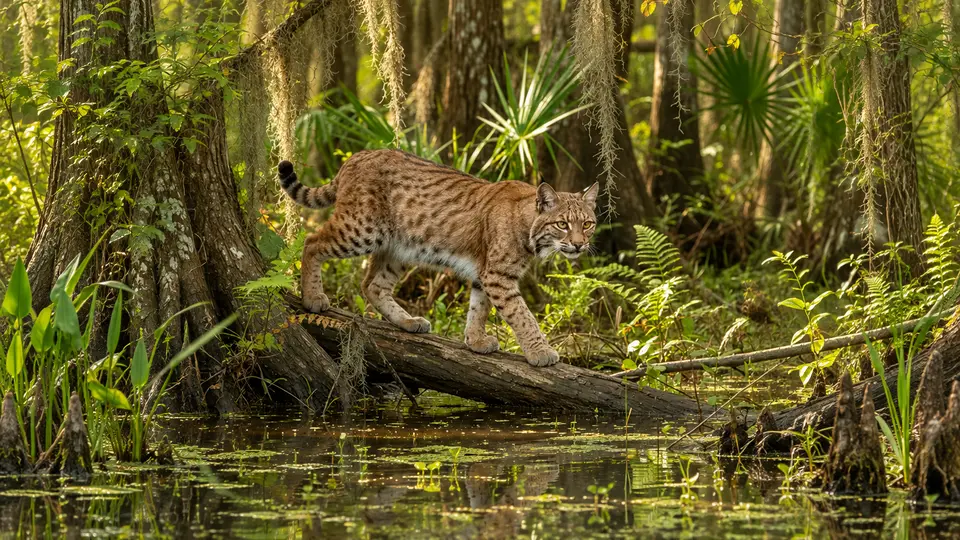
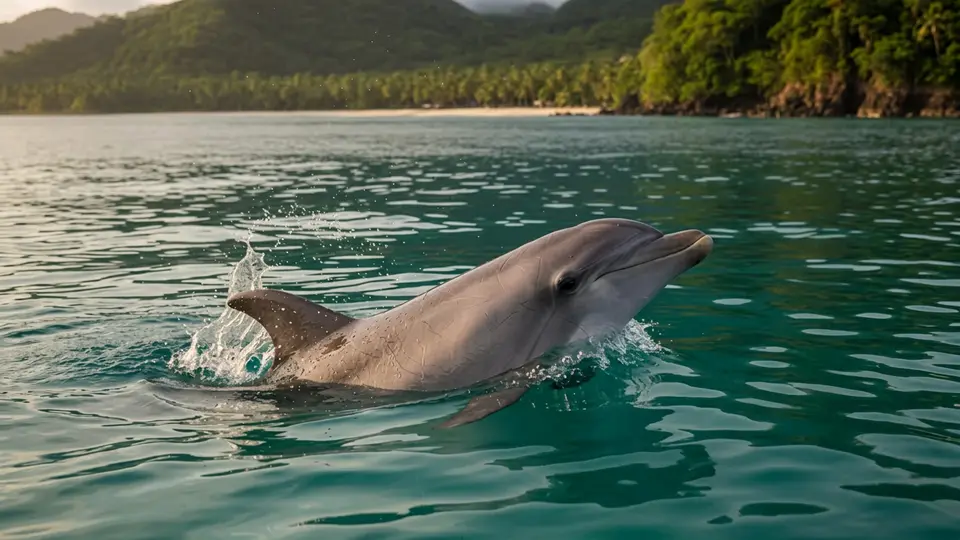
West Indian ManateeAI-modifiedWest Indian ManateeBobcatAI-modifiedBobcatCommon Bottlenose DolphinAI-modifiedCommon Bottlenose Dolphin
Animal groupMammalsAnimal groupMammalsAnimal groupMammals
DestinationsFloridaDestinationsFloridaDestinationsCosta Rica, Florida, Galapagos, Mexico, Cape Verde, Croatia, Greece, Portugal, Scotland, Seychelles, Turkey, Maldives, Australia, New Zealand
Scientific nameTrichechus manatusScientific nameScientific name
All wildlife destinations
AI-modified
Plan your trip

Find your next wildlife adventure

Compare destinations, shore programs and dates with the animals and habitats you would love to see.

  • Naturalist-led shore excursions
  • Responsible wildlife watching
  • Small expedition ships