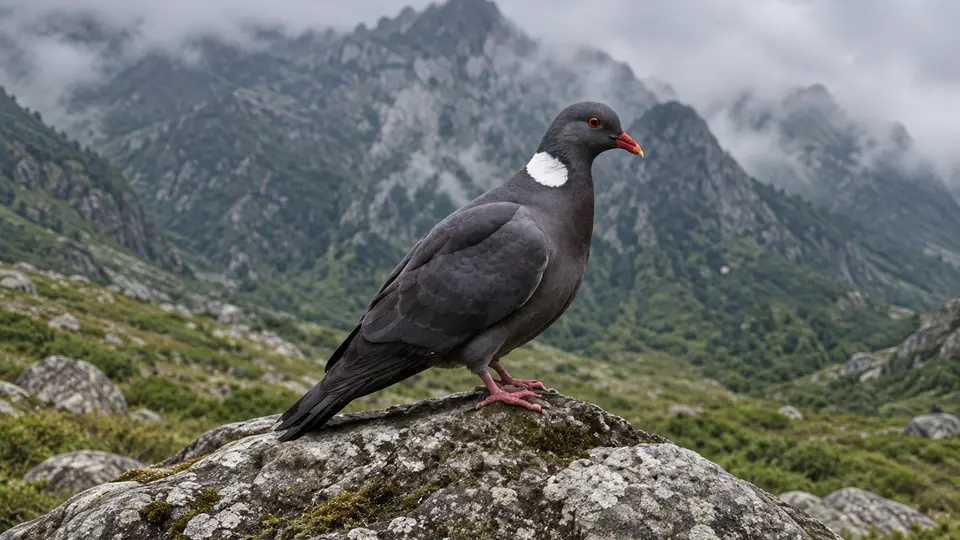
Trocaz Pigeon in its natural habitat, AI illustration
Size40–46 cm lengthLifespanNot reliably establishedStatusLeast Concern

Trocaz Pigeon: where and when to see them

Columba trocaz

Trocaz Pigeon at a glance

The trocaz pigeon is a large forest pigeon found naturally only on Madeira. A survivor of the island’s distinctive woodland fauna, it is closely associated with native laurel forest but also visits farmland and wooded settlements. Its heavy body, pinkish breast and silvery neck markings give it a dignified appearance. Historical hunting and habitat loss reduced its population, while protection and forest conservation have helped this endemic bird recover.

Behaviour & reproduction

Size
40–46 cm length
Weight
450–550 g
Lifespan
Not reliably established
Status
Least Concern

Trocaz pigeons often feed quietly within leafy crowns, becoming conspicuous when they fly across a valley or settle on an exposed treetop. They may gather at productive feeding trees, although nesting pairs defend their immediate surroundings. Courtship includes display flights and low pigeon calls. A simple twig platform usually holds a single egg. Movements between forest and cultivated ground follow changing food availability rather than a long-distance migration. They are generally shy and often solitary or found in small groups, except when gathering at abundant food sources. Their flight is strong and direct, characterized by rapid wingbeats followed by short glides. Nest sites are often chosen in dense undergrowth or the forks of large trees for protection.

Top wildlife locations

Portugal wildlife habitat

Portugal

Within Portugal, target Madeira’s laurel-forest trails and wooded valley viewpoints, not mainland shores. An inland excursion is generally required; birds may cross open valleys, but canopy cover frequently conceals them.

Adventure cruises in Portugal
Destinations describe the species' habitat, not guaranteed cruise stops. Some animals require an optional inland excursion or are found in restricted reserves.

Fun facts about the Trocaz Pigeon

  • Its natural range is confined to Madeira.
  • A normal clutch contains one egg.
  • Its name derives from a Portuguese local name for the bird.
  • It can feed on both native forest fruits and cultivated cabbage leaves.

Best time to see the Trocaz Pigeon

The species is resident and can be sought throughout the year. Spring and early summer often offer comfortable walking conditions and vocal activity, but mountain cloud can obscure views. Fruiting trees and current local reports are more useful than a rigid seasonal calendar. Breeding typically occurs from February to September, making late spring and early summer a good time to observe courtship displays and parental activity. However, observing them can be challenging in any season due to their cryptic plumage and preference for dense canopy. Patience and a good pair of binoculars are essential regardless of the time of year.

Trocaz Pigeon: season matrix by destination

Travel and observation windows vary by region. Highlighted months are an orientation for planning, not confirmed sightings or a guarantee of access.

Portugal

A practical walking window, not a migration season. Birds are resident year-round, and mountain weather can disrupt access in any month.

JanFebMarAprMayJunJulAugSepOctNovDec
Cruise ships in Portugal

Where the Trocaz Pigeon lives

Native laurel forest on Madeira’s moist slopes is its principal habitat, especially mature woodland with fruiting trees and sheltered valleys. It also uses forest edges, orchards and agricultural land. Most worthwhile observation requires an inland excursion rather than remaining at a coastal viewpoint. While primarily found in Madeira, a small relict population of Trocaz pigeons also persists on the nearby island of Porto Santo, though habitat there is more degraded. They prefer elevations between 400 and 1300 meters, where the cloud forest provides constant moisture and suitable vegetation. The continued health of these laurel forests is crucial for the species' long-term survival.

What the Trocaz Pigeon eats

Native fruits, particularly those of laurel-forest trees, are important foods. Leaves, shoots, flowers and some cultivated plants supplement the diet as availability changes. Its use of farmland can bring it into conflict with growers, especially where birds feed on leafy crops. Their diet shifts seasonally, with a strong reliance on the fruits of Til (Ocotea foetens) and Barbusano (Apollonias barbujana) when available. During leaner periods, they may consume acorns from introduced oak species or fallen fruits from cultivated areas. This dietary flexibility allows them to persist even as native food sources fluctuate.

Species at a glance

Common name
Trocaz Pigeon
Scientific name
Columba trocaz
Animal group
Birds
Size
40–46 cm length
Weight
450–550 g
Lifespan
Not reliably established
Status
Least Concern
Identification
Compared with a wood pigeon, the trocaz has a silvery neck patch rather than a bold white one and lacks conspicuous white wing bars. Beyond the neck patch, a Trocaz pigeon can be distinguished by its darker, slate-grey plumage overall compared to a common wood pigeon. It also has a noticeably longer tail and a more robust, powerful flight. Juveniles lack the silvery neck patch, appearing duller with brownish tinges.

Trocaz Pigeon: frequently asked questions

Where can I see the Trocaz Pigeon?
Portugal. Watch forest edges or treetops from established trails without approaching nests. Madeira’s steep, wet paths can be slippery, so choose suitable footwear and avoid leaning over exposed edges while following a flying pigeon. Quietly scanning the canopy and listening for their distinctive calls can be effective, especially near fruiting trees. Early mornings or late afternoons often provide the best viewing opportunities as birds are more active. Look for them perching high in trees or flying quickly across clearings within the forest.
When is the best time to see the Trocaz Pigeon?
The species is resident and can be sought throughout the year. Spring and early summer often offer comfortable walking conditions and vocal activity, but mountain cloud can obscure views. Fruiting trees and current local reports are more useful than a rigid seasonal calendar. Breeding typically occurs from February to September, making late spring and early summer a good time to observe courtship displays and parental activity. However, observing them can be challenging in any season due to their cryptic plumage and preference for dense canopy. Patience and a good pair of binoculars are essential regardless of the time of year.
How big does the Trocaz Pigeon get?
40–46 cm length. Adult weight: 450–550 g. Size varies with age, sex and population.
How should I behave around the Trocaz Pigeon?
Watch forest edges or treetops from established trails without approaching nests. Madeira’s steep, wet paths can be slippery, so choose suitable footwear and avoid leaning over exposed edges while following a flying pigeon. Quietly scanning the canopy and listening for their distinctive calls can be effective, especially near fruiting trees. Early mornings or late afternoons often provide the best viewing opportunities as birds are more active. Look for them perching high in trees or flying quickly across clearings within the forest.
What does the Trocaz Pigeon eat?
Native fruits, particularly those of laurel-forest trees, are important foods. Leaves, shoots, flowers and some cultivated plants supplement the diet as availability changes. Its use of farmland can bring it into conflict with growers, especially where birds feed on leafy crops. Their diet shifts seasonally, with a strong reliance on the fruits of Til (Ocotea foetens) and Barbusano (Apollonias barbujana) when available. During leaner periods, they may consume acorns from introduced oak species or fallen fruits from cultivated areas. This dietary flexibility allows them to persist even as native food sources fluctuate.
Are wildlife sightings guaranteed on an adventure cruise?
No. Animals move freely and routes, weather, access restrictions and local conditions influence every outing. Confirm the actual itinerary and shore programme before booking.

Compare wildlife in the same destinations

Explore other birds recorded in these destinations. Similar surroundings do not mean the animals share the same habits or viewing season.

Species comparison by animal group and destination
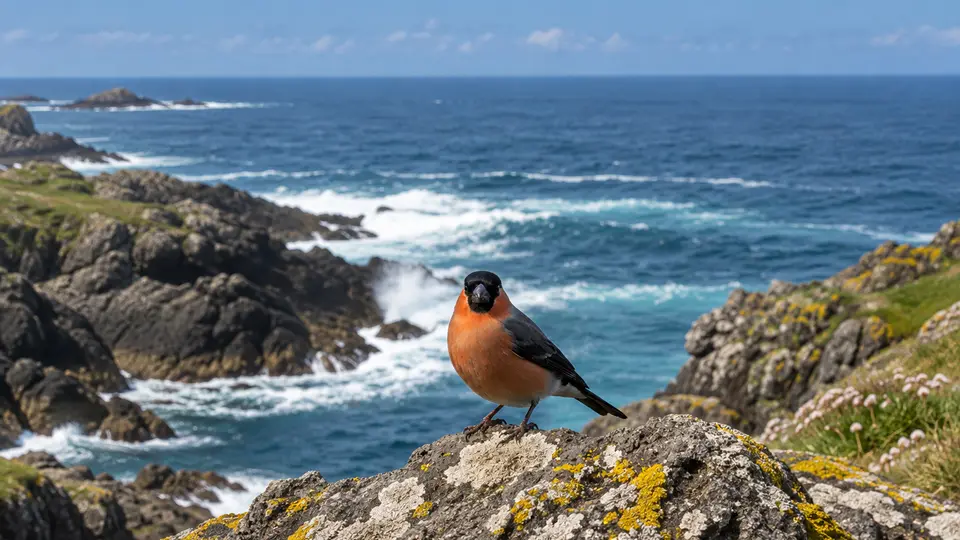
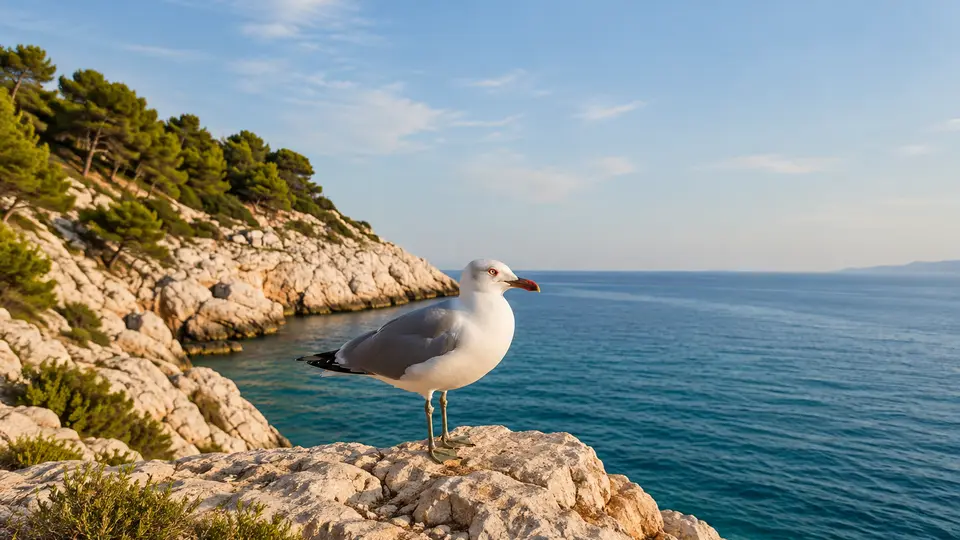
Trocaz PigeonTrocaz PigeonAudouin's GullAudouin's GullAzores BullfinchAzores Bullfinch
Animal groupBirdsAnimal groupBirdsAnimal groupBirds
DestinationsPortugalDestinationsCroatia, Greece, Portugal, TurkeyDestinationsPortugal
All wildlife destinations
Plan your trip

Find your next wildlife adventure

Compare destinations, shore programmes and dates with the animals and habitats you would love to see.

  • Naturalist-led shore excursions
  • Responsible wildlife watching
  • Small expedition ships

Newsletter

Take Blue Rides with you

Adventure cruise offers, last-minute deals and trip inspiration.

Free, unsubscribe anytime. Details: Privacy Policy

Partner with Blue Rides

Affiliate Program

Recommend adventure cruises and earn commission on every confirmed booking.

Share. Track. Earn.