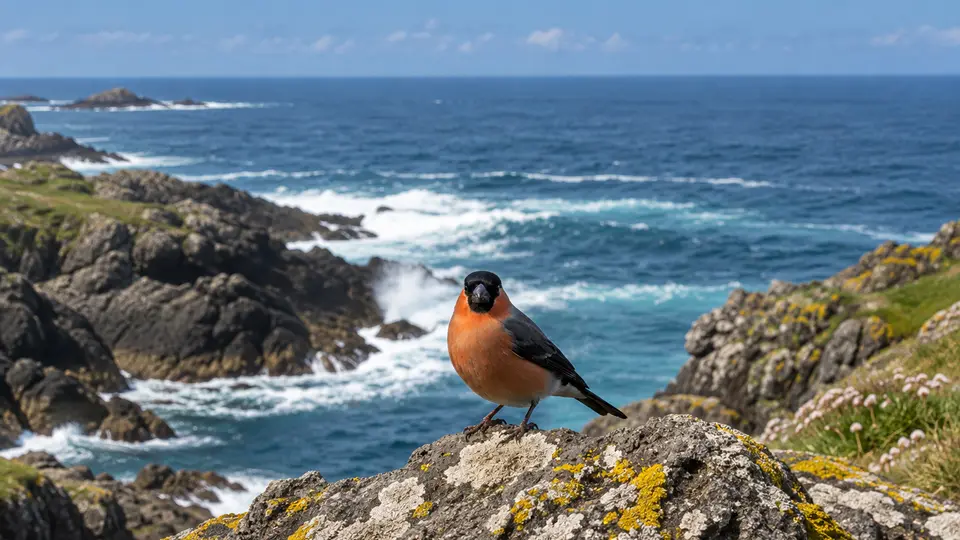
Azores Bullfinch in its natural habitatAI-modified

Azores BullfinchPyrrhula murinaWhere and when to see them

Azores Bullfinch at a glance

The Azores bullfinch, locally called the priolo, survives naturally only in eastern São Miguel in the Azores. This stocky, subdued finch is closely tied to native vegetation, particularly mountain laurel forest. Habitat clearance and invasive plants greatly reduced its range and food supply. Restoration of native woodland has helped its recovery, but its tiny distribution still leaves it vulnerable to habitat changes and severe weather.

Behaviour & reproduction

Size
15–17 cm (5.9–6.7 in) long
Weight
25–30 g (0.88–1.06 oz)
Lifespan
Not reliably established
Status
Vulnerable

Usually encountered singly, in pairs or in small family parties, the priolo moves quietly through shrubs and forest margins. Its soft calls can reveal it before its muted plumage becomes visible. Birds shift feeding areas as seeds, buds and other plant foods become available through the year. Breeding pairs build concealed nests in dense vegetation, and their comparatively unobtrusive habits make patient listening more useful than hurried searching. This species exhibits a remarkable adaptation to its environment by seasonally shifting its foraging locations based on the availability of specific native food plants. Pairs typically raise one brood per year, with nests built low in dense shrubs like Erica azorica. Their generally cryptic habits and preference for dense cover require careful, slow observation.

Top wildlife locations

Portugal wildlife habitatAI-modified

Portugal

An inland excursion to eastern São Miguel's native upland forest is required; this is not a mainland Portuguese or coastal bird. Established forest trails offer possible views, but its distribution remains highly localized.
Destinations describe the species' habitat, not guaranteed cruise stops. Some animals require an optional inland excursion or are found in restricted reserves.

Fun facts about the Azores Bullfinch

  • Its Portuguese local name is priolo.
  • Its entire natural range lies on one Azorean island.
  • Fern sporangia provide an unusual seasonal food source.
  • Native forest restoration benefits it by rebuilding a year-round sequence of foods.

Best time to see the Azores Bullfinch

Late spring through early autumn offers generally more workable conditions for walking in São Miguel's eastern uplands. The bird is resident, so observation is possible throughout the year. Mountain fog, rain and the distribution of food can matter more than the calendar. While resident, the breeding season from May to August might offer more active bird behavior and opportunities to observe parent birds. However, the wet and windy conditions characteristic of the Azores, especially in higher elevations, can occur year-round. Therefore, flexible planning is essential for maximizing viewing chances.

Azores Bullfinch: season matrix by destination

Travel and observation windows vary by region. Highlighted months are an orientation for planning, not confirmed sightings or a guarantee of access.

Portugal

These months offer a practical upland walking window, not a guaranteed encounter period or a precise breeding calendar.

JanFebMarAprMayJunJulAugSepOctNovDec
Cruise ships in Portugal

Where the Azores Bullfinch lives

Native laurel forest, wooded ravines and regenerating scrub in eastern São Miguel form its core habitat. It also uses adjacent clearings where suitable food plants grow. Maintaining a varied native plant community matters because its food requirements change seasonally. The species is almost entirely restricted to the remaining fragments of native laurel forest (laurisilva) on the island of São Miguel. These critical remnants are primarily found in the eastern part of the island, particularly around the Pico da Vara, Tronqueira, and Graminhais mountains. Restoration efforts focus on expanding and connecting these habitats to support a larger population.

What the Azores Bullfinch eats

Seeds, flower buds, fruits and fern sporangia are important foods, with their relative contribution changing through the year. Native trees and shrubs provide essential seasonal resources. Unlike a simple seed specialist, this bullfinch depends on a succession of different plant foods. Its unique diet, relying on a succession of native plant foods throughout the year, highlights its co-evolution with the Azorean laurisilva flora. During spring and summer, it frequently feeds on the seeds of Prunus azorica and Clethra arborea. In autumn and winter, its diet shifts to include fruits of Ilex azorica and Vaccinium cylindraceum, along with the sporangia of ferns like Culcita macrocarpa.

Species at a glance

Common name
Azores Bullfinch
Scientific name
Pyrrhula murina
Animal group
Birds
Size
15–17 cm (5.9–6.7 in) long
Weight
25–30 g (0.88–1.06 oz)
Lifespan
Not reliably established
Status
Vulnerable
Identification
Unlike the Eurasian bullfinch, both sexes have subdued grey-brown underparts and lack a conspicuous white rump. Its overall stockier build and short, conical bill are also distinctive features. Unlike many other finches, the lack of pronounced sexual dimorphism makes both male and female bullfinches appear quite similar. The call is a soft, plaintive 'pui' or a quiet whistle, often the first indication of its presence.

Azores Bullfinch: frequently asked questions

Where can I see the Azores Bullfinch?
Portugal. Use established forest trails and listen for soft calls without playback. Keep clear of nesting vegetation, avoid trampling restoration plots and allow feeding birds to approach naturally; even within its small range, encounters are not assured. Participating in guided nature walks specifically focused on the priolo's habitat, often led by local conservation organizations, can greatly increase your chances of a sighting. Maintaining silence and patience in known feeding areas, particularly near fruiting or seeding native plants, is key. Scan the mid to upper canopy and understory for subtle movements.
When is the best time to see the Azores Bullfinch?
Late spring through early autumn offers generally more workable conditions for walking in São Miguel's eastern uplands. The bird is resident, so observation is possible throughout the year. Mountain fog, rain and the distribution of food can matter more than the calendar. While resident, the breeding season from May to August might offer more active bird behavior and opportunities to observe parent birds. However, the wet and windy conditions characteristic of the Azores, especially in higher elevations, can occur year-round. Therefore, flexible planning is essential for maximizing viewing chances.
How big does the Azores Bullfinch get?
15–17 cm (5.9–6.7 in) long. Adult weight: 25–30 g (0.88–1.06 oz). Size varies with age, sex and population.
How should I behave around the Azores Bullfinch?
Use established forest trails and listen for soft calls without playback. Keep clear of nesting vegetation, avoid trampling restoration plots and allow feeding birds to approach naturally; even within its small range, encounters are not assured. Participating in guided nature walks specifically focused on the priolo's habitat, often led by local conservation organizations, can greatly increase your chances of a sighting. Maintaining silence and patience in known feeding areas, particularly near fruiting or seeding native plants, is key. Scan the mid to upper canopy and understory for subtle movements.
What does the Azores Bullfinch eat?
Seeds, flower buds, fruits and fern sporangia are important foods, with their relative contribution changing through the year. Native trees and shrubs provide essential seasonal resources. Unlike a simple seed specialist, this bullfinch depends on a succession of different plant foods. Its unique diet, relying on a succession of native plant foods throughout the year, highlights its co-evolution with the Azorean laurisilva flora. During spring and summer, it frequently feeds on the seeds of Prunus azorica and Clethra arborea. In autumn and winter, its diet shifts to include fruits of Ilex azorica and Vaccinium cylindraceum, along with the sporangia of ferns like Culcita macrocarpa.
Are wildlife sightings guaranteed on an adventure cruise?
No. Animals move freely and routes, weather, access restrictions and local conditions influence every outing. Confirm the actual itinerary and shore program before booking.

Compare wildlife in the same destinations

Explore other birds recorded in these destinations. Similar surroundings do not mean the animals share the same habits or viewing season.

Species comparison by animal group and destination
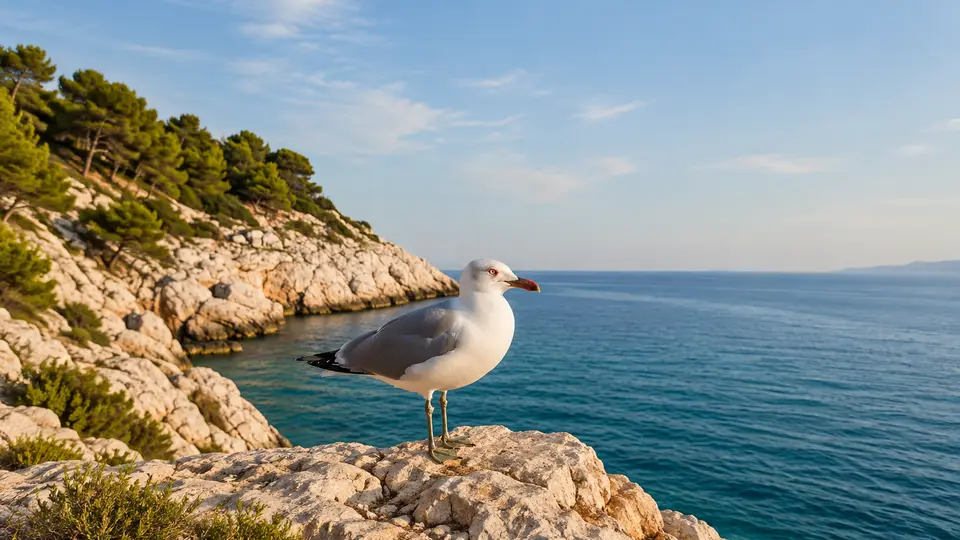
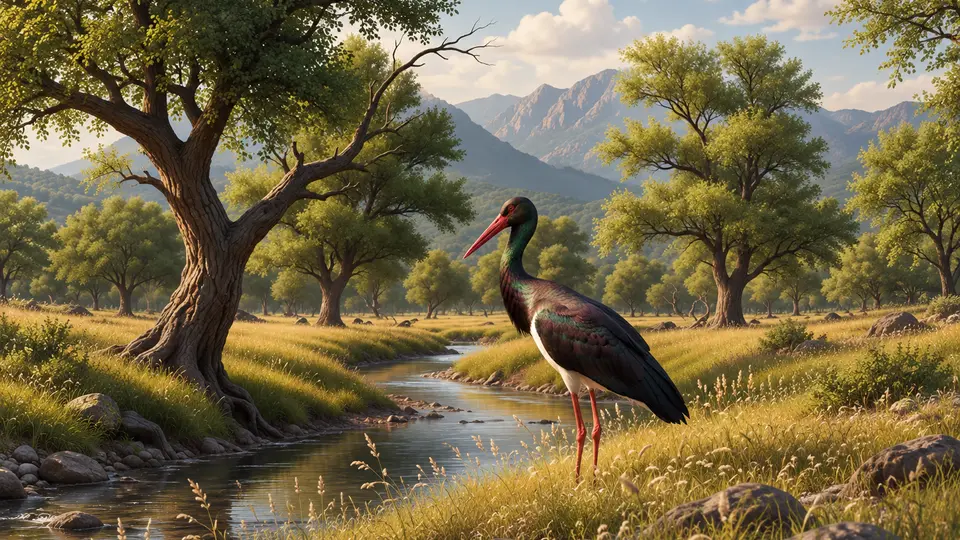
Azores BullfinchAI-modifiedAzores BullfinchAudouin's GullAI-modifiedAudouin's GullBlack StorkAI-modifiedBlack Stork
Animal groupBirdsAnimal groupBirdsAnimal groupBirds
DestinationsPortugalDestinationsCroatia, Greece, Portugal, TurkeyDestinationsPortugal, Turkey
Scientific namePyrrhula murinaScientific nameScientific name
All wildlife destinations
AI-modified
Plan your trip

Find your next wildlife adventure

Compare destinations, shore programs and dates with the animals and habitats you would love to see.

  • Naturalist-led shore excursions
  • Responsible wildlife watching
  • Small expedition ships