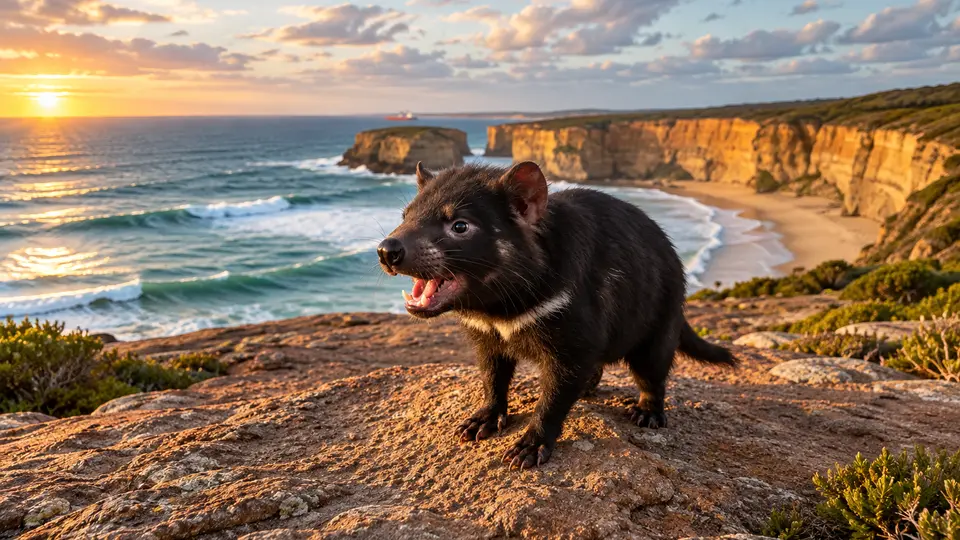
Tasmanian devil in its natural habitat, AI illustration
Size52–80 cm head-and-body lengthLifespan5–6 years in the wildStatusEndangered

Tasmanian devil: where and when to see them

Sarcophilus harrisii

Tasmanian devil at a glance

The Tasmanian devil is the largest living carnivorous marsupial, a stocky scavenger and hunter now naturally centered on Tasmania. Black fur, pale markings and a powerful head give it a distinctive appearance. Devils help recycle carcasses, consuming tissues that many smaller scavengers leave behind. Their survival has been severely affected by contagious facial cancers, alongside road mortality and other pressures. Conservation combines disease research, population monitoring and carefully managed insurance populations.

Behaviour & reproduction

Size
52–80 cm head-and-body length
Weight
5–12 kg
Lifespan
5–6 years in the wild
Status
Endangered

Devils are mostly active at night, traveling substantial distances while searching for food. They often forage alone but can gather at a large carcass, where growls, screams and open-mouthed displays regulate access. These noisy interactions are not evidence that devils routinely attack people. Daytime shelter may be a burrow, hollow log or dense cover. Females rear tiny newborns in a backward-opening pouch before leaving older young in a protected den. Devils communicate through a variety of vocalizations, including growls, snorts, and piercing screams, especially during feeding or mating rituals. They are solitary for most of their lives, except during the breeding season when females seek out mates and during the period of rearing young.

Top wildlife locations

Australia wildlife habitat

Australia

Tasmanian coastal heath and woodland provide plausible wild habitat, but encounters are uncommon. Mainland shore visits are not equivalent; a Tasmania-specific itinerary or an authorized conservation-facility excursion is normally needed.

Adventure cruises in Australia
Destinations describe the species' habitat, not guaranteed cruise stops. Some animals require an optional inland excursion or are found in restricted reserves.

Fun facts about the Tasmanian devil

  • A female has four teats, limiting the number of young she can nurse.
  • Newborn devils are extremely small and undeveloped when they enter the pouch.
  • Two independently evolved transmissible facial cancers have been documented.
  • Their dramatic feeding calls helped inspire the common name.

Best time to see the Tasmanian devil

Devils are active throughout the year, with no universal wild-viewing peak. Longer winter nights provide more darkness, while summer can make evening travel easier. Organized observation at reputable facilities follows local schedules; wild sightings depend on habitat, individual movements and low disturbance. Prime viewing opportunities often occur during the Tasmanian spring and autumn when temperatures are milder, making evening excursions more comfortable for both animals and observers. For cruise passengers, shore excursions to wildlife parks or conservation centers offer guaranteed viewing year-round, often with scheduled feeding times.

Tasmanian devil: season matrix by destination

Travel and observation windows vary by region. Highlighted months are an orientation for planning, not confirmed sightings or a guarantee of access.

Australia

Year-round activity supports visits in all months, but darkness, weather and local access determine practical observation opportunities.

JanFebMarAprMayJunJulAugSepOctNovDec
Cruise ships in Australia

Where the Tasmanian devil lives

Tasmanian devils occupy woodland, dry forest, scrub, heath and mixed agricultural landscapes where cover and food remain available. Coastal reserves can support them, but secure den sites and safe movement routes are important. Roads through feeding habitat create a serious collision risk. Tasmanian devils have historically occupied all habitats on Tasmania, with densities often higher in coastal areas and where food resources are concentrated. While adaptable, they require access to water and areas with sufficient prey populations to thrive.

What the Tasmanian devil eats

Carrion is a major food source, including wallabies, possums and other mammals. Devils also catch live prey and eat birds, reptiles and invertebrates when available. Strong jaws and teeth allow them to consume bone, skin and other tough carcass parts. Their diet varies seasonally and geographically, reflecting local prey availability, and can include anything from insects and larvae to frogs, snakes, and even marine birds. Scavenging is crucial for them, as they play a vital role in cleaning up carcasses and preventing disease spread in the ecosystem.

Species at a glance

Common name
Tasmanian devil
Scientific name
Sarcophilus harrisii
Animal group
Mammals
Size
52–80 cm head-and-body length
Weight
5–12 kg
Lifespan
5–6 years in the wild
Status
Endangered
Identification
Its heavy head, stocky black body and variable white chest or rump markings distinguish it from the slimmer, spotted Tasmanian quolls. Adult devils typically weigh between 6 to 12 kg and stand about 30 cm at the shoulder, making them the world's largest carnivorous marsupials. Their relatively large head and powerful neck muscles are adaptations for crushing bone and tearing flesh, distinguishing them from other Tasmanian wildlife.

Tasmanian devil: frequently asked questions

Where can I see the Tasmanian devil?
Australia. Use managed viewing hides or watch quietly from established tracks. Never feed or corner a devil, keep pets away, and avoid roadside searching; slow driving after dusk helps reduce wildlife collisions. When viewing from a distance in their natural environment, using binoculars can greatly enhance the experience without disturbing the animals. Participating in guided night tours or staying at eco-lodges with designated viewing areas offers the most ethical and successful wild devil encounters.
When is the best time to see the Tasmanian devil?
Devils are active throughout the year, with no universal wild-viewing peak. Longer winter nights provide more darkness, while summer can make evening travel easier. Organized observation at reputable facilities follows local schedules; wild sightings depend on habitat, individual movements and low disturbance. Prime viewing opportunities often occur during the Tasmanian spring and autumn when temperatures are milder, making evening excursions more comfortable for both animals and observers. For cruise passengers, shore excursions to wildlife parks or conservation centers offer guaranteed viewing year-round, often with scheduled feeding times.
How big does the Tasmanian devil get?
52–80 cm head-and-body length. Adult weight: 5–12 kg. Size varies with age, sex and population.
How should I behave around the Tasmanian devil?
Use managed viewing hides or watch quietly from established tracks. Never feed or corner a devil, keep pets away, and avoid roadside searching; slow driving after dusk helps reduce wildlife collisions. When viewing from a distance in their natural environment, using binoculars can greatly enhance the experience without disturbing the animals. Participating in guided night tours or staying at eco-lodges with designated viewing areas offers the most ethical and successful wild devil encounters.
What does the Tasmanian devil eat?
Carrion is a major food source, including wallabies, possums and other mammals. Devils also catch live prey and eat birds, reptiles and invertebrates when available. Strong jaws and teeth allow them to consume bone, skin and other tough carcass parts. Their diet varies seasonally and geographically, reflecting local prey availability, and can include anything from insects and larvae to frogs, snakes, and even marine birds. Scavenging is crucial for them, as they play a vital role in cleaning up carcasses and preventing disease spread in the ecosystem.
Are wildlife sightings guaranteed on an adventure cruise?
No. Animals move freely and routes, weather, access restrictions and local conditions influence every outing. Confirm the actual itinerary and shore programme before booking.

Compare wildlife in the same destinations

Explore other mammals recorded in these destinations. Similar surroundings do not mean the animals share the same habits or viewing season.

Species comparison by animal group and destination
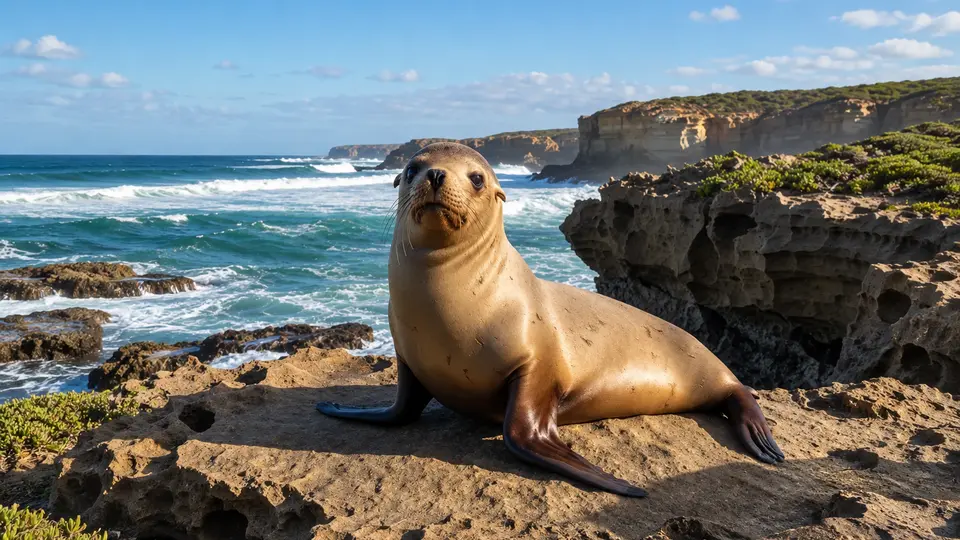
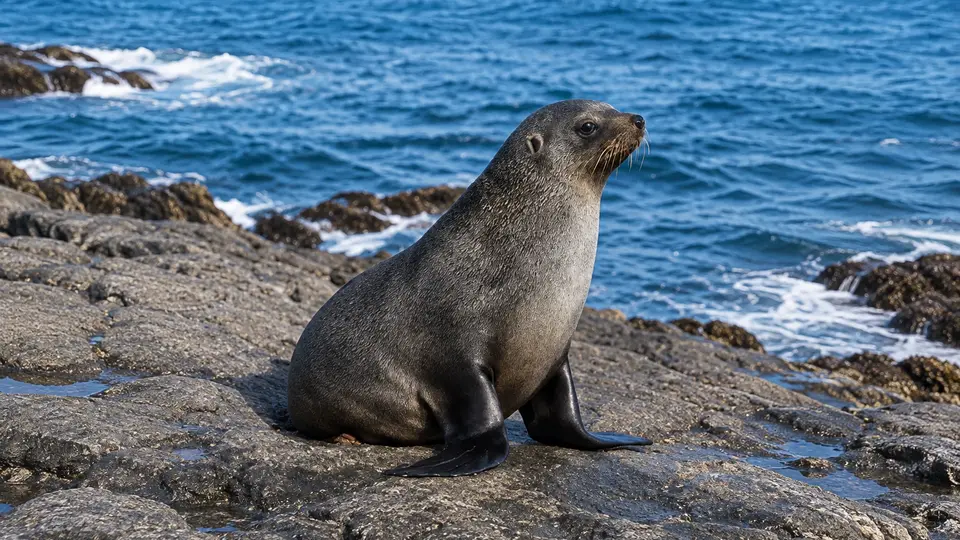
Tasmanian devilTasmanian devilAustralian fur sealAustralian fur sealAustralian sea lionAustralian sea lion
Animal groupMammalsAnimal groupMammalsAnimal groupMammals
DestinationsAustraliaDestinationsAustraliaDestinationsAustralia
All wildlife destinations
Plan your trip

Find your next wildlife adventure

Compare destinations, shore programmes and dates with the animals and habitats you would love to see.

  • Naturalist-led shore excursions
  • Responsible wildlife watching
  • Small expedition ships

Newsletter

Take Blue Rides with you

Adventure cruise offers, last-minute deals and trip inspiration.

Free, unsubscribe anytime. Details: Privacy Policy

Partner with Blue Rides

Affiliate Program

Recommend adventure cruises and earn commission on every confirmed booking.

Share. Track. Earn.