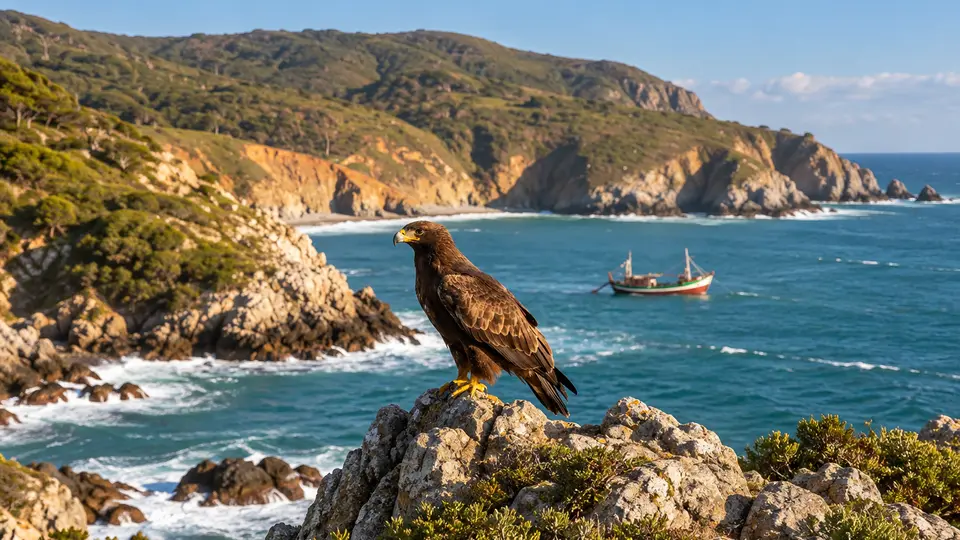
Spanish Imperial Eagle in its natural habitat, AI illustration

Spanish Imperial EagleAquila adalbertiWhere and when to see them

Spanish Imperial Eagle at a glance

The Spanish imperial eagle is a large Iberian raptor whose survival is closely linked to Mediterranean landscapes and healthy rabbit populations. Adults are strikingly dark with pale head feathers and white shoulder markings, while young birds look very different. Once reduced to a tiny population, it has benefited from nest protection, safer power infrastructure and habitat work. Its return as a breeder in Portugal is a major conservation achievement, but poisoning, electrocution and prey declines remain serious threats.

Behaviour & reproduction

Size
75-85 cm long; 1.8-2.2 m wingspan
Weight
2.5-3.5 kg
Lifespan
Not reliably established
Status
Vulnerable

Established pairs occupy large territories and often reuse substantial stick nests, adding material over successive seasons. They hunt from perches or by soaring and scanning open ground, taking prey in a rapid descent. Adults may perform aerial displays during the breeding cycle. Young eagles disperse widely before settling, creating occasional records away from breeding strongholds. The species is generally resident rather than a regular long-distance migrant, so quiet territory protection matters throughout the year. Courtship displays often involve spectacular aerial acrobatics and vocalisations, reinforcing pair bonds before egg-laying. Parents are highly protective of their single brood, typically raising one to three chicks, whose survival is closely linked to prey abundance in their territory.

Top wildlife locations

Portugal wildlife habitat

Portugal

An inland excursion to suitable Alentejo woodland and farmland mosaics is normally required; routine shore viewing is unlikely. Use public viewpoints or responsible local guides, avoiding confidential breeding territories and private nest sites.
Destinations describe the species' habitat, not guaranteed cruise stops. Some animals require an optional inland excursion or are found in restricted reserves.

Fun facts about the Spanish Imperial Eagle

  • Its scientific name honors Prince Adalbert of Bavaria.
  • The species breeds naturally only on the Iberian Peninsula.
  • Juveniles begin with warm tawny plumage and take several years to acquire the dark adult pattern.
  • Portugal's breeding population was re-established after a prolonged absence.

Best time to see the Spanish Imperial Eagle

Portugal supports resident birds, so observation is possible year-round in suitable regions. Autumn and winter can offer comfortable viewing without targeting active nests. Spring activity may be conspicuous, but breeding sensitivity makes distant public viewpoints and current local guidance more important than seasonal display opportunities. Early autumn is an excellent time to observe non-breeding birds and juveniles, as they may be more conspicuous while exploring new areas within suitable habitats. Winter months offer clearer views through deciduous trees and opportunities to see adults maintaining their territories in preparation for the upcoming breeding season.

Spanish Imperial Eagle: season matrix by destination

Travel and observation windows vary by region. Highlighted months are an orientation for planning, not confirmed sightings or a guarantee of access.

Portugal

These months offer a practical resident-bird viewing window with generally less nesting sensitivity; they are not a migration peak, and late-winter courtship still requires caution.

JanFebMarAprMayJunJulAugSepOctNovDec
Cruise ships in Portugal

Where the Spanish Imperial Eagle lives

Open Mediterranean woodland, cork and holm oak landscapes, scrub mosaics and extensive farmland provide hunting habitat where rabbits remain available. Mature trees supply nest sites. In Portugal, suitable areas are predominantly inland, and ordinary beaches or busy coastal promenades are poor places to seek it. These eagles often prefer a mosaic of open woodland, scrub, and farmland, with easy access to water sources for drinking and bathing. Key territories often include areas with scattered mature pines or cork oaks for robust nesting platforms, ensuring good visibility across their hunting grounds.

What the Spanish Imperial Eagle eats

European rabbits are often the principal prey, supplemented by hares, birds and carrion. Diet varies with local prey supply, especially where rabbit disease has reduced numbers. Eagles require broad hunting areas, making landscape quality and prey recovery central to successful conservation. In addition to rabbits, these powerful predators also take small mammals such as ground squirrels, partridges, and even some reptiles when primary prey is scarce. Their broad diet adaptability underscores the importance of diverse prey availability across their range, particularly during lean periods.

Species at a glance

Common name
Spanish Imperial Eagle
Scientific name
Aquila adalberti
Animal group
Birds
Size
75-85 cm long; 1.8-2.2 m wingspan
Weight
2.5-3.5 kg
Lifespan
Not reliably established
Status
Vulnerable
Identification
Adults differ from eastern imperial eagles in their more extensive white shoulder and forewing markings, while immature birds require careful age-specific assessment. Juveniles possess a uniform sandy-brown plumage without the strong contrast of adults, gradually acquiring adult coloration over several years. Their distinctive flight profile, with long, broad wings held in a slight dihedral when soaring, can aid in identification even at a distance.

Spanish Imperial Eagle: frequently asked questions

Where can I see the Spanish Imperial Eagle?
Portugal. Use a telescope from public inland viewpoints and keep nest locations confidential. Never approach nest trees, use bait or cross private land. If an eagle changes behavior or leaves a perch repeatedly, increase your distance. When searching from a distance, look for large raptors perched prominently on isolated trees or power pylons, often scanning for prey. Be patient, as these eagles can remain stationary for extended periods, making careful scanning of the landscape crucial for detection.
When is the best time to see the Spanish Imperial Eagle?
Portugal supports resident birds, so observation is possible year-round in suitable regions. Autumn and winter can offer comfortable viewing without targeting active nests. Spring activity may be conspicuous, but breeding sensitivity makes distant public viewpoints and current local guidance more important than seasonal display opportunities. Early autumn is an excellent time to observe non-breeding birds and juveniles, as they may be more conspicuous while exploring new areas within suitable habitats. Winter months offer clearer views through deciduous trees and opportunities to see adults maintaining their territories in preparation for the upcoming breeding season.
How big does the Spanish Imperial Eagle get?
75-85 cm long; 1.8-2.2 m wingspan. Adult weight: 2.5-3.5 kg. Size varies with age, sex and population.
How should I behave around the Spanish Imperial Eagle?
Use a telescope from public inland viewpoints and keep nest locations confidential. Never approach nest trees, use bait or cross private land. If an eagle changes behavior or leaves a perch repeatedly, increase your distance. When searching from a distance, look for large raptors perched prominently on isolated trees or power pylons, often scanning for prey. Be patient, as these eagles can remain stationary for extended periods, making careful scanning of the landscape crucial for detection.
What does the Spanish Imperial Eagle eat?
European rabbits are often the principal prey, supplemented by hares, birds and carrion. Diet varies with local prey supply, especially where rabbit disease has reduced numbers. Eagles require broad hunting areas, making landscape quality and prey recovery central to successful conservation. In addition to rabbits, these powerful predators also take small mammals such as ground squirrels, partridges, and even some reptiles when primary prey is scarce. Their broad diet adaptability underscores the importance of diverse prey availability across their range, particularly during lean periods.
Are wildlife sightings guaranteed on an adventure cruise?
No. Animals move freely and routes, weather, access restrictions and local conditions influence every outing. Confirm the actual itinerary and shore program before booking.

Compare wildlife in the same destinations

Explore other birds recorded in these destinations. Similar surroundings do not mean the animals share the same habits or viewing season.

Species comparison by animal group and destination
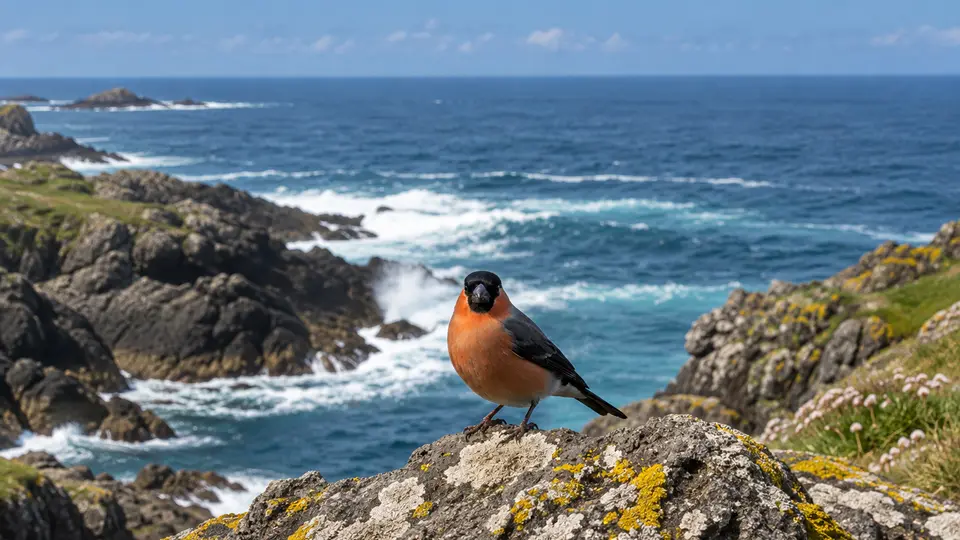
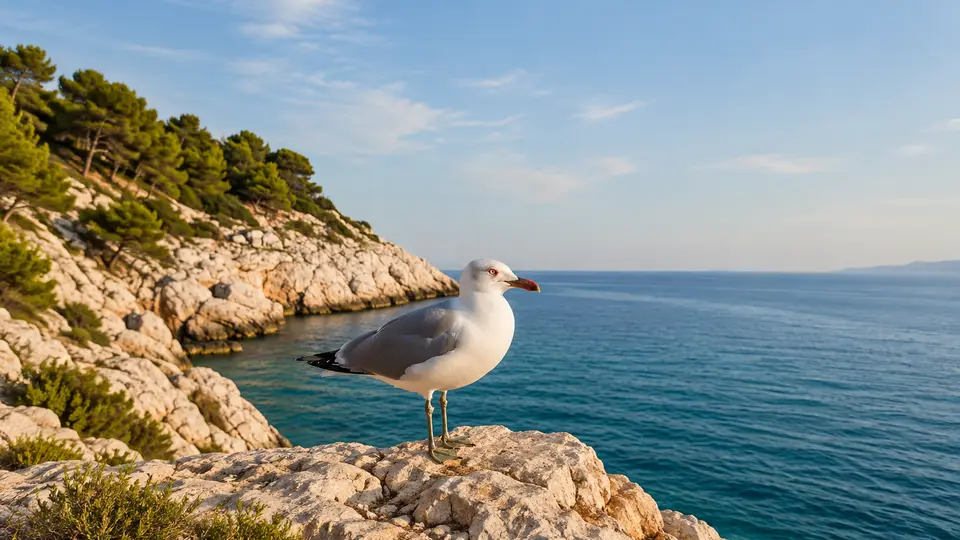
Spanish Imperial EagleSpanish Imperial EagleAudouin's GullAudouin's GullAzores BullfinchAzores Bullfinch
Animal groupBirdsAnimal groupBirdsAnimal groupBirds
DestinationsPortugalDestinationsCroatia, Greece, Portugal, TurkeyDestinationsPortugal
All wildlife destinations
Plan your trip

Find your next wildlife adventure

Compare destinations, shore programs and dates with the animals and habitats you would love to see.

  • Naturalist-led shore excursions
  • Responsible wildlife watching
  • Small expedition ships

Newsletter

Take Blue Rides with you

Adventure cruise offers, last-minute deals and trip inspiration.

Free, unsubscribe anytime. Details: Privacy Policy

Partner with Blue Rides

Affiliate Program

Recommend adventure cruises and earn commission on every confirmed booking.

Share. Track. Earn.

Your footage, our stage

Send us your videos or pictures.

Captured remarkable nature or wildlife on your journey? Share it with us, we may feature it on Blue Rides.