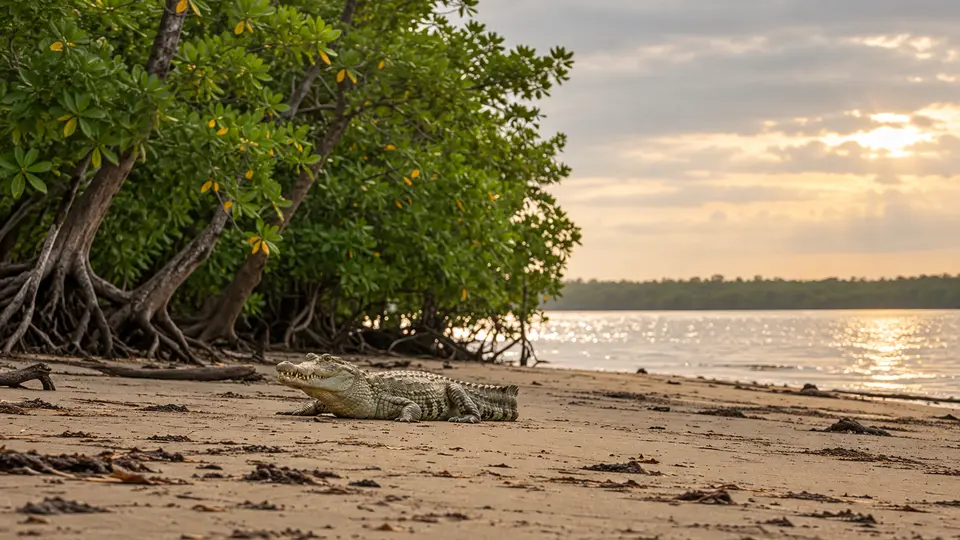
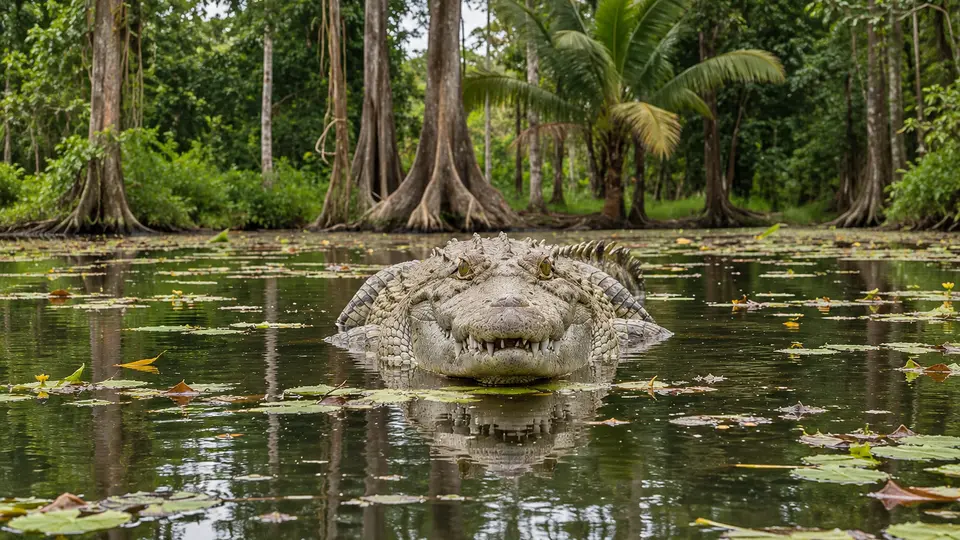
Spectacled Caiman in its natural habitat, AI illustration

Spectacled CaimanCaiman crocodilusWhere and when to see them

Spectacled Caiman at a glance

The spectacled caiman is a relatively small crocodilian distributed widely through tropical America. Its name refers to a bony ridge between the eyes that resembles the bridge of spectacles. In Costa Rica it occupies freshwater wetlands and sheltered waterways, sometimes near cultivated landscapes. Although often smaller than an American crocodile, it is still a powerful wild predator. Healthy wetland margins provide both concealment and places to bask.

Behaviour & reproduction

Size
Total length 1.2–2.5 m
Weight
7–40 kg
Lifespan
Not reliably established
Status
Least Concern

Caimans spend much of the day resting near water or basking, becoming more active around dusk and at night. They communicate with sounds, postures and movements at the water surface. Females construct mound nests from vegetation and soil, then guard the nesting area and young. Hatchlings may remain together under maternal protection. Temperature influences activity, and animals can gather in remaining pools when seasonal wetlands contract. Courtship and mating often occur during the wet season, with females meticulously constructing their nests above the water line to protect eggs from flooding. Both parents may show territorial behavior around nest sites, especially during the incubation period.

Top wildlife locations

Costa Rica wildlife habitat

Costa Rica

Lowland freshwater marshes and slow river margins provide plausible viewing from maintained banks or raised trails. An inland wetland excursion may be needed, and dense vegetation can conceal animals even at occupied sites.
Destinations describe the species' habitat, not guaranteed cruise stops. Some animals require an optional inland excursion or are found in restricted reserves.

Fun facts about the Spectacled Caiman

  • Females build mound nests rather than simply burying eggs in open sand.
  • Nest temperature influences the sex of developing young.
  • Young caimans make calls that can attract their mother's attention.
  • The ridge between its eyes gives the spectacled caiman its English name.

Best time to see the Spectacled Caiman

Costa Rican lowland wetlands can support caimans throughout the year. The drier months often make paths easier to use and concentrate animals near persistent water, but Caribbean rainfall is less strongly seasonal. Local water levels and safe access should determine the timing of a visit. During the dry season, concentrated caiman populations in shrinking water bodies can offer excellent viewing opportunities, as animals are more easily spotted. However, the presence of perennial rivers and lagoons ensures year-round residency and potential sightings, even during periods of heavy rain.

Spectacled Caiman: season matrix by destination

Travel and observation windows vary by region. Highlighted months are an orientation for planning, not confirmed sightings or a guarantee of access.

Costa Rica

A broadly practical dry-season travel window, especially on the Pacific side; Caribbean conditions differ and caimans are resident year-round.

JanFebMarAprMayJunJulAugSepOctNovDec
Cruise ships in Costa Rica

Where the Spectacled Caiman lives

Freshwater marshes, lagoons, slow streams and river backwaters are typical habitats. Dense marginal vegetation provides cover, while open banks permit basking. Caimans can occupy modified wetlands, but access to dependable water and undisturbed nesting areas remains important, particularly during seasonal dry periods. They are highly adaptable and can be found in a variety of lowland freshwater habitats, including human-modified environments like cattle ponds and irrigation canals. Their preference for shallow, slow-moving water often brings them close to shorelines, making them more visible.

What the Spectacled Caiman eats

Young caimans eat insects, crustaceans and other small aquatic animals. Larger individuals take fish, amphibians, reptiles and occasional birds or mammals, with prey varying among wetlands. They are opportunistic predators rather than specialist hunters of any single food, and carrion may also be consumed. Their strong bite force, even for their size, allows them to crush the shells of mollusks and crustaceans, which form a significant part of their diet. As apex predators in their ecosystems, they help regulate populations of various aquatic and semi-aquatic species.

Species at a glance

Common name
Spectacled Caiman
Scientific name
Caiman crocodilus
Animal group
Reptiles
Size
Total length 1.2–2.5 m
Weight
7–40 kg
Lifespan
Not reliably established
Status
Least Concern
Identification
A bony bridge between the eyes and a relatively short, broad snout distinguish it from Costa Rica's longer-snouted American crocodile. The prominent 'spectacle' refers to the bony ridge between the eyes, which can be seen even on juveniles. Their coloration typically ranges from olive green to brownish, often with darker bands or spots, which provides camouflage in their watery environments.

Spectacled Caiman: frequently asked questions

Where can I see the Spectacled Caiman?
Costa Rica. Watch from raised paths or designated viewpoints, well back from the waterline. Never feed caimans, approach nests or stand between an animal and water; keep children and pets close. When viewing from a boat, maintain a safe distance and avoid sudden movements or loud noises that could disturb the animals. Binoculars are highly recommended for detailed observation of their subtle movements and coloration from a respectful distance.
When is the best time to see the Spectacled Caiman?
Costa Rican lowland wetlands can support caimans throughout the year. The drier months often make paths easier to use and concentrate animals near persistent water, but Caribbean rainfall is less strongly seasonal. Local water levels and safe access should determine the timing of a visit. During the dry season, concentrated caiman populations in shrinking water bodies can offer excellent viewing opportunities, as animals are more easily spotted. However, the presence of perennial rivers and lagoons ensures year-round residency and potential sightings, even during periods of heavy rain.
How big does the Spectacled Caiman get?
Total length 1.2–2.5 m. Adult weight: 7–40 kg. Size varies with age, sex and population.
How should I behave around the Spectacled Caiman?
Watch from raised paths or designated viewpoints, well back from the waterline. Never feed caimans, approach nests or stand between an animal and water; keep children and pets close. When viewing from a boat, maintain a safe distance and avoid sudden movements or loud noises that could disturb the animals. Binoculars are highly recommended for detailed observation of their subtle movements and coloration from a respectful distance.
What does the Spectacled Caiman eat?
Young caimans eat insects, crustaceans and other small aquatic animals. Larger individuals take fish, amphibians, reptiles and occasional birds or mammals, with prey varying among wetlands. They are opportunistic predators rather than specialist hunters of any single food, and carrion may also be consumed. Their strong bite force, even for their size, allows them to crush the shells of mollusks and crustaceans, which form a significant part of their diet. As apex predators in their ecosystems, they help regulate populations of various aquatic and semi-aquatic species.
Are wildlife sightings guaranteed on an adventure cruise?
No. Animals move freely and routes, weather, access restrictions and local conditions influence every outing. Confirm the actual itinerary and shore program before booking.

Compare wildlife in the same destinations

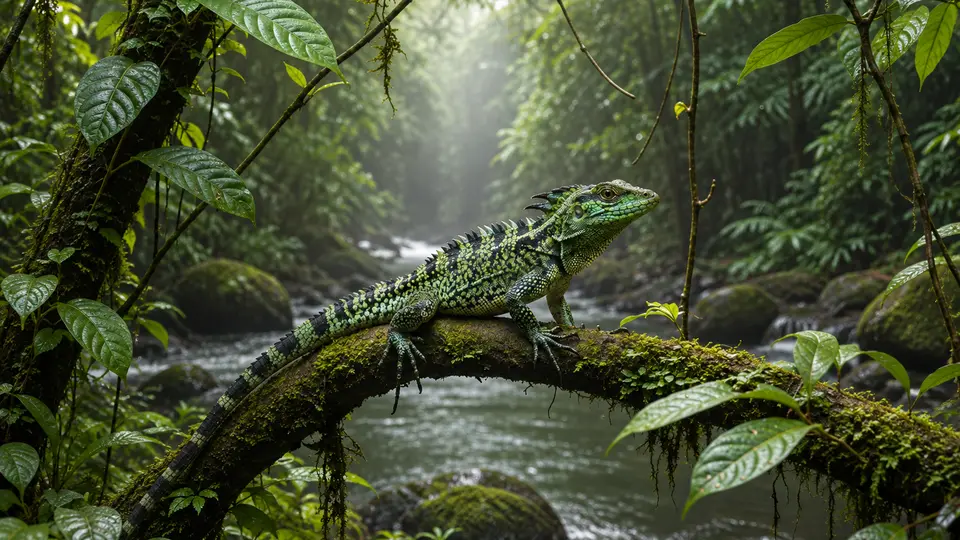
Explore other reptiles recorded in these destinations. Similar surroundings do not mean the animals share the same habits or viewing season.

Species comparison by animal group and destination
Spectacled CaimanSpectacled CaimanAmerican CrocodileAmerican CrocodileCommon BasiliskCommon Basilisk
Animal groupReptilesAnimal groupReptilesAnimal groupReptiles
DestinationsCosta RicaDestinationsCosta Rica, FloridaDestinationsCosta Rica
All wildlife destinations
Plan your trip

Find your next wildlife adventure

Compare destinations, shore programs and dates with the animals and habitats you would love to see.

  • Naturalist-led shore excursions
  • Responsible wildlife watching
  • Small expedition ships

Newsletter

Take Blue Rides with you

Adventure cruise offers, last-minute deals and trip inspiration.

Free, unsubscribe anytime. Details: Privacy Policy

Partner with Blue Rides

Affiliate Program

Recommend adventure cruises and earn commission on every confirmed booking.

Share. Track. Earn.

Your footage, our stage

Send us your videos or pictures.

Captured remarkable nature or wildlife on your journey? Share it with us, we may feature it on Blue Rides.