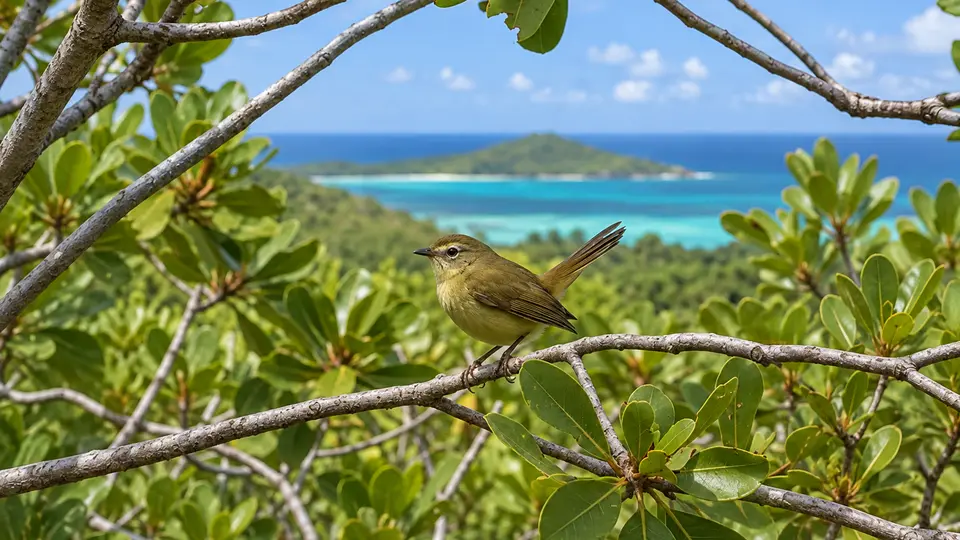
Seychelles Warbler in its natural habitat, AI illustration
Size13–14 cm longLifespanNot reliably establishedStatusCheck current assessment

Seychelles Warbler: where and when to see them

Acrocephalus sechellensis

Seychelles Warbler at a glance

The Seychelles warbler is a plain olive-brown songbird with an extraordinary conservation history. Once confined to Cousin Island, it has been established on additional islands through habitat protection and carefully planned transfers. Its understated appearance contrasts with its scientific importance: individually monitored birds have revealed much about cooperation, aging and reproductive decisions. Dense, insect-rich vegetation is fundamental to its survival, making habitat quality as important as the number of islands occupied.

Behaviour & reproduction

Size
13–14 cm long
Weight
12–16 g
Lifespan
Not reliably established
Status
Check current assessment

Birds work through foliage, inspecting leaves and branches for small prey while keeping contact with calls. They defend territories, but some offspring remain with their parents rather than immediately breeding independently. These helpers can assist with raising later broods, especially where suitable territories are already occupied. Breeding arrangements are flexible rather than universally cooperative. Long-term monitoring has shown that food availability and social circumstances strongly influence family structure and reproductive success. The species exhibits cooperative breeding, where offspring from previous broods may stay and help raise subsequent young. This helping behavior is strongly linked to territory quality and food abundance, with helpers significantly increasing the breeding success of the primary pair.

Top wildlife locations

Seychelles wildlife habitat

Seychelles

Cousin and Aride have occupied woodland close to the shore, accessible only under their visiting arrangements. Guided reserve walks are appropriate; the species is not generally encountered on ordinary resort beaches.

Adventure cruises in Seychelles
Destinations describe the species' habitat, not guaranteed cruise stops. Some animals require an optional inland excursion or are found in restricted reserves.

Fun facts about the Seychelles Warbler

  • Cousin Island was its final refuge before conservation expansion.
  • Some offspring help raise younger siblings instead of breeding immediately.
  • Long-running studies identify individual birds using colored leg rings.
  • Research on this species has linked territory quality with offspring sex allocation.

Best time to see the Seychelles Warbler

The species is resident on its occupied islands, so authorized visits can offer opportunities throughout the year. Local weather and island visiting schedules are the main practical constraints. April and October often suit interisland travel, but breeding responds to local conditions and is not a sighting guarantee. Breeding activity peaks during the wet season from October to April, when insect availability is highest. The species can produce multiple broods within a single year under favorable conditions.

Seychelles Warbler: season matrix by destination

Travel and observation windows vary by region. Highlighted months are an orientation for planning, not confirmed sightings or a guarantee of access.

Seychelles

Suggested months concern interisland travel conditions, not breeding concentration; reserve schedules and sea conditions can restrict access in any season.

JanFebMarAprMayJunJulAugSepOctNovDec
Cruise ships in Seychelles

Where the Seychelles Warbler lives

Dense island woodland and scrub with abundant leafy vegetation provide feeding and nesting habitat. Native broadleaf trees are especially valuable where they support plentiful insects. Restored vegetation has allowed populations to expand, while heavily simplified plantations or bare coastal areas provide fewer suitable territories. Found exclusively on a few granitic islands within the Seychelles archipelago, its distribution is highly restricted to these specific landmasses. Successful translocations to previously unoccupied islands like Denis Island and Aride Island have been crucial for expanding its range and boosting numbers.

What the Seychelles Warbler eats

Small insects and other arthropods collected from foliage dominate the diet. Birds inspect leaf surfaces and fine branches, taking prey rather than relying on seeds or nectar. Territory quality is closely linked to available insect food, which affects breeding opportunities and the value of helping relatives. In addition to terrestrial insects, small spiders are a significant part of their diet. They employ a 'gleaning' foraging strategy, meticulously picking prey from leaf surfaces and bark.

Species at a glance

Common name
Seychelles Warbler
Scientific name
Acrocephalus sechellensis
Animal group
Birds
Size
13–14 cm long
Weight
12–16 g
Lifespan
Not reliably established
Status
Check current assessment
Identification
Its olive-brown plumage, pale eyebrow and straight insect-catching bill distinguish it from the white-ringed Seychelles white-eye and curved-billed Seychelles sunbird. Its small size, around 13-14 cm, and overall unstreaked plumage further aid in distinguishing it from other island birds. The bill is notably fine and pointed, perfectly adapted for extracting small insects.

Seychelles Warbler: frequently asked questions

Where can I see the Seychelles Warbler?
Seychelles. Follow reserve paths and guide instructions, allowing family groups to forage undisturbed. Avoid playback and close approaches to nests in low vegetation. Do not assume colored leg rings indicate injury; many birds are marked for long-term research. These warblers are relatively confiding and often seen at eye-level or lower within their preferred vegetation. A pair or family group typically forages together, making their characteristic calls as they move through the canopy.
When is the best time to see the Seychelles Warbler?
The species is resident on its occupied islands, so authorized visits can offer opportunities throughout the year. Local weather and island visiting schedules are the main practical constraints. April and October often suit interisland travel, but breeding responds to local conditions and is not a sighting guarantee. Breeding activity peaks during the wet season from October to April, when insect availability is highest. The species can produce multiple broods within a single year under favorable conditions.
How big does the Seychelles Warbler get?
13–14 cm long. Adult weight: 12–16 g. Size varies with age, sex and population.
How should I behave around the Seychelles Warbler?
Follow reserve paths and guide instructions, allowing family groups to forage undisturbed. Avoid playback and close approaches to nests in low vegetation. Do not assume colored leg rings indicate injury; many birds are marked for long-term research. These warblers are relatively confiding and often seen at eye-level or lower within their preferred vegetation. A pair or family group typically forages together, making their characteristic calls as they move through the canopy.
What does the Seychelles Warbler eat?
Small insects and other arthropods collected from foliage dominate the diet. Birds inspect leaf surfaces and fine branches, taking prey rather than relying on seeds or nectar. Territory quality is closely linked to available insect food, which affects breeding opportunities and the value of helping relatives. In addition to terrestrial insects, small spiders are a significant part of their diet. They employ a 'gleaning' foraging strategy, meticulously picking prey from leaf surfaces and bark.
Are wildlife sightings guaranteed on an adventure cruise?
No. Animals move freely and routes, weather, access restrictions and local conditions influence every outing. Confirm the actual itinerary and shore programme before booking.

Compare wildlife in the same destinations

Explore other birds recorded in these destinations. Similar surroundings do not mean the animals share the same habits or viewing season.

Species comparison by animal group and destination
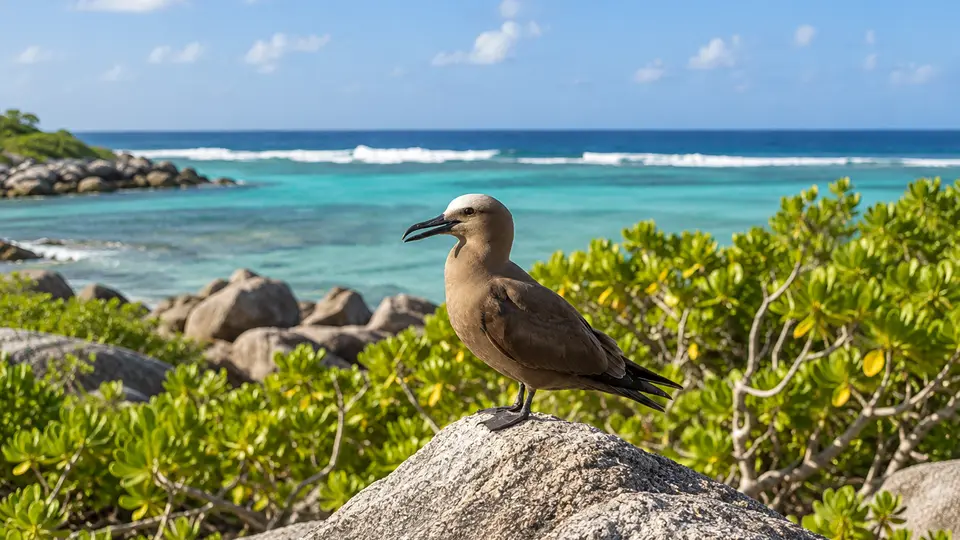
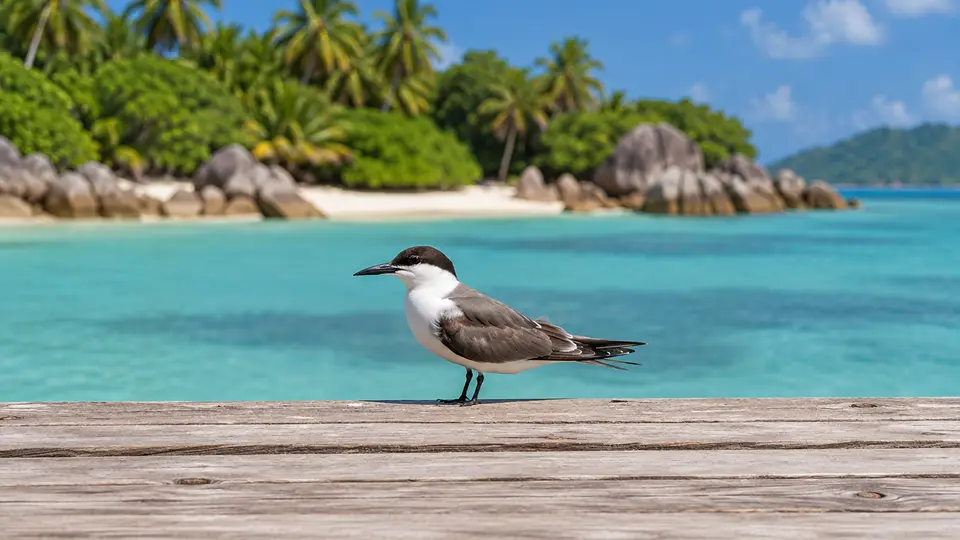
Seychelles WarblerSeychelles WarblerBridled TernBridled TernBrown NoddyBrown Noddy
Animal groupBirdsAnimal groupBirdsAnimal groupBirds
DestinationsSeychellesDestinationsSeychellesDestinationsSeychelles, Maldives, Fiji
All wildlife destinations
Plan your trip

Find your next wildlife adventure

Compare destinations, shore programmes and dates with the animals and habitats you would love to see.

  • Naturalist-led shore excursions
  • Responsible wildlife watching
  • Small expedition ships

Newsletter

Take Blue Rides with you

Adventure cruise offers, last-minute deals and trip inspiration.

Free, unsubscribe anytime. Details: Privacy Policy

Partner with Blue Rides

Affiliate Program

Recommend adventure cruises and earn commission on every confirmed booking.

Share. Track. Earn.