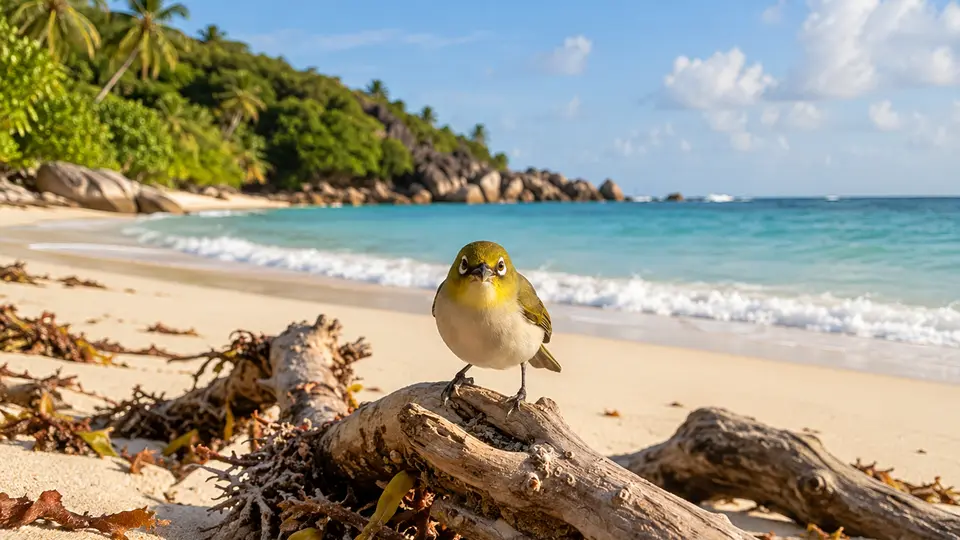
Seychelles White-eye in its natural habitatAI-modified

Seychelles White-eyeZosterops modestusWhere and when to see them

Seychelles White-eye at a glance

The Seychelles white-eye is a small olive-gray bird named for the conspicuous white ring surrounding each eye. Once considered perilously close to extinction, it benefited from discovery of an important population on Conception and subsequent conservation transfers. Its distribution remains fragmented, so being in Seychelles does not necessarily mean being near suitable birds. Protection of occupied woodland and management of introduced predators remain central to its recovery across a limited island range.

Behaviour & reproduction

Size
11–12 cm (4.3–4.7 in) long
Weight
Not reliably established
Lifespan
Not reliably established
Status
Vulnerable

White-eyes move actively through foliage, often in small social groups that maintain contact with soft calls. They inspect leaves for insects and visit flowers or fruit when available. Pairs build small cup nests supported among branches, and adults share parental duties. Their restless movements can make prolonged views difficult, although a feeding group may remain within one patch of vegetation. Group size and behavior vary with breeding stage and food supply. They are known for their rapid, almost frenetic movements as they forage, often hanging upside down to reach insects on leaves. Pair bonds are generally monogamous, and both parents are involved in incubating the eggs and feeding the young. During non-breeding periods, groups may coalesce into larger foraging flocks that range over wider areas.

Top wildlife locations

Seychelles wildlife habitatAI-modified

Seychelles

Occupied habitat includes localized woodland on Mahé and managed island populations, some near coastal vegetation. An inland excursion or prior island permission may be required; many apparently suitable shore sites lack this bird.
Destinations describe the species' habitat, not guaranteed cruise stops. Some animals require an optional inland excursion or are found in restricted reserves.

Fun facts about the Seychelles White-eye

  • A population discovered on Conception in 1997 substantially changed its conservation outlook.
  • Conservation transfers have expanded its occupied island range.
  • The eye-ring consists of tiny white feathers rather than bare skin.
  • It combines insect feeding with visits to fruit and flowers.

Best time to see the Seychelles White-eye

Resident populations can potentially be observed throughout the year where authorized access exists. Choose travel dates around local access and weather rather than a presumed migration season. Calmer intermonsoon conditions can help island travel, while flowering and fruiting patterns affect where groups concentrate. Breeding activity generally peaks during the wetter, warmer months from October to March when insect and fruit availability is highest. However, breeding can occur year-round on some islands with stable food resources. Consult local guides or conservation authorities for current information on optimal viewing periods specific to each island population.

Seychelles White-eye: season matrix by destination

Travel and observation windows vary by region. Highlighted months are an orientation for planning, not confirmed sightings or a guarantee of access.

Seychelles

These months are a travel-planning window only; populations are resident, distribution is localized, and access requires current local confirmation.

JanFebMarAprMayJunJulAugSepOctNovDec
Cruise ships in Seychelles

Where the Seychelles White-eye lives

Woodland, scrub and regenerating vegetation provide habitat where foliage, flowers and fruit are sufficiently abundant. Occupied areas range from hillside forest to restored island vegetation. Dense cover and predator management are important, and its patchy island distribution matters more than superficially suitable habitat alone. Historical records indicate it was once found across all granitic islands. Now, reintroduction efforts and conservation management have established populations on several protected islands beyond Mahé, Praslin, and La Digue. These islands are typically free of introduced predators such as rats and cats, which significantly impact breeding success.

What the Seychelles White-eye eats

The diet includes insects and other small arthropods, supplemented by fruit and nectar. Birds glean prey from vegetation and exploit seasonal plant foods. This mixed feeding strategy allows use of different woodland resources, but does not remove the need for structurally diverse, productive habitat. In addition to natural food sources, individuals on some conservation islands may occasionally visit supplementary feeding stations, especially during dry periods. While primarily insectivorous, the proportion of fruit and nectar in the diet can vary seasonally based on availability. Their foraging behavior includes hovering to pluck insects or nectar from flowers.

Species at a glance

Common name
Seychelles White-eye
Scientific name
Zosterops modestus
Animal group
Birds
Size
11–12 cm (4.3–4.7 in) long
Weight
Not reliably established
Lifespan
Not reliably established
Status
Vulnerable
Identification
Its complete white eye-ring and short, fine bill distinguish it from the larger, eyebrow-marked Seychelles warbler and the long-billed Seychelles sunbird. The Seychelles white-eye is notably smaller and plumper than the Seychelles bulbul, another common woodland bird. Its plumage is a drab olive-green above, with a paler yellow-green belly, making the distinct white eye-ring a primary field mark. Unlike some other white-eye species, it lacks prominent yellow or grey on its throat or flanks.

Seychelles White-eye: frequently asked questions

Where can I see the Seychelles White-eye?
Seychelles. Watch quietly along permitted woodland paths and let moving groups pass without pursuit. Avoid playback, feeding and inspection of low nests. Confirm island access before planning a visit, since several populations occur on privately managed or sensitive islands. Focus on areas with native and restored woodlands, especially those with flowering and fruiting trees. Early morning and late afternoon are generally the most active periods for foraging birds. Patience is key; observe from a distance and avoid sudden movements to prevent disturbing the group.
When is the best time to see the Seychelles White-eye?
Resident populations can potentially be observed throughout the year where authorized access exists. Choose travel dates around local access and weather rather than a presumed migration season. Calmer intermonsoon conditions can help island travel, while flowering and fruiting patterns affect where groups concentrate. Breeding activity generally peaks during the wetter, warmer months from October to March when insect and fruit availability is highest. However, breeding can occur year-round on some islands with stable food resources. Consult local guides or conservation authorities for current information on optimal viewing periods specific to each island population.
How big does the Seychelles White-eye get?
11–12 cm (4.3–4.7 in) long. Adult weight: Not reliably established. Size varies with age, sex and population.
How should I behave around the Seychelles White-eye?
Watch quietly along permitted woodland paths and let moving groups pass without pursuit. Avoid playback, feeding and inspection of low nests. Confirm island access before planning a visit, since several populations occur on privately managed or sensitive islands. Focus on areas with native and restored woodlands, especially those with flowering and fruiting trees. Early morning and late afternoon are generally the most active periods for foraging birds. Patience is key; observe from a distance and avoid sudden movements to prevent disturbing the group.
What does the Seychelles White-eye eat?
The diet includes insects and other small arthropods, supplemented by fruit and nectar. Birds glean prey from vegetation and exploit seasonal plant foods. This mixed feeding strategy allows use of different woodland resources, but does not remove the need for structurally diverse, productive habitat. In addition to natural food sources, individuals on some conservation islands may occasionally visit supplementary feeding stations, especially during dry periods. While primarily insectivorous, the proportion of fruit and nectar in the diet can vary seasonally based on availability. Their foraging behavior includes hovering to pluck insects or nectar from flowers.
Are wildlife sightings guaranteed on an adventure cruise?
No. Animals move freely and routes, weather, access restrictions and local conditions influence every outing. Confirm the actual itinerary and shore program before booking.

Compare wildlife in the same destinations

Explore other birds recorded in these destinations. Similar surroundings do not mean the animals share the same habits or viewing season.

Species comparison by animal group and destination
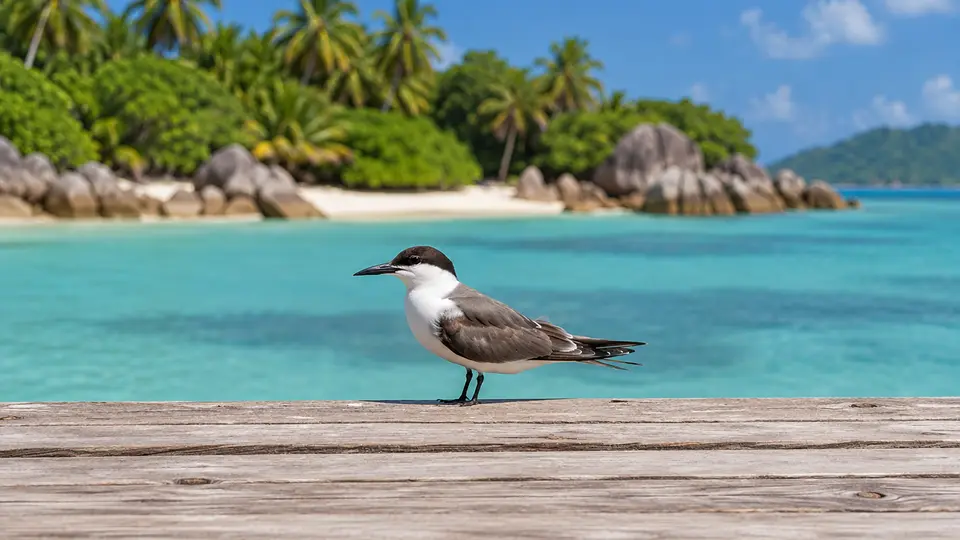
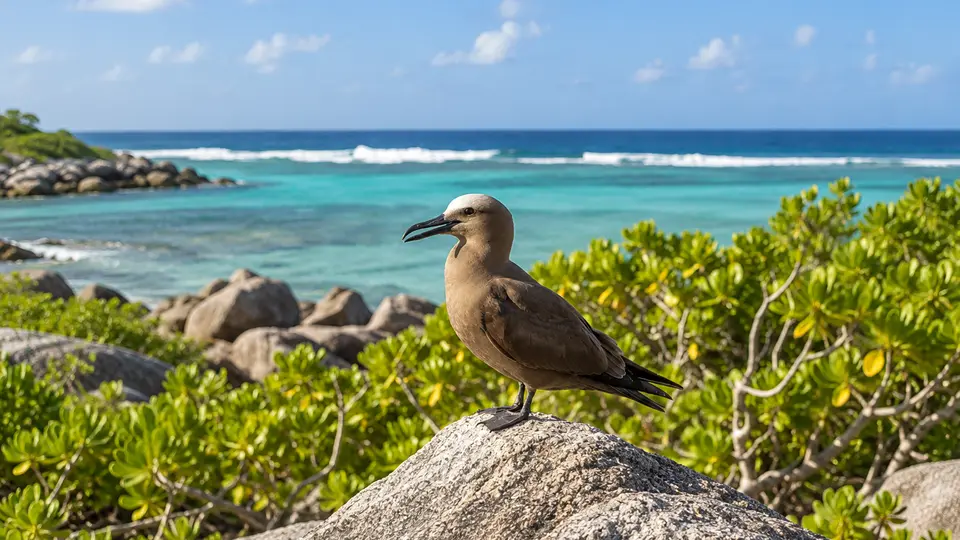
Seychelles White-eyeAI-modifiedSeychelles White-eyeBridled TernAI-modifiedBridled TernBrown NoddyAI-modifiedBrown Noddy
Animal groupBirdsAnimal groupBirdsAnimal groupBirds
DestinationsSeychellesDestinationsSeychellesDestinationsSeychelles, Maldives, Fiji
Scientific nameZosterops modestusScientific nameScientific name
All wildlife destinations
AI-modified
Plan your trip

Find your next wildlife adventure

Compare destinations, shore programs and dates with the animals and habitats you would love to see.

  • Naturalist-led shore excursions
  • Responsible wildlife watching
  • Small expedition ships