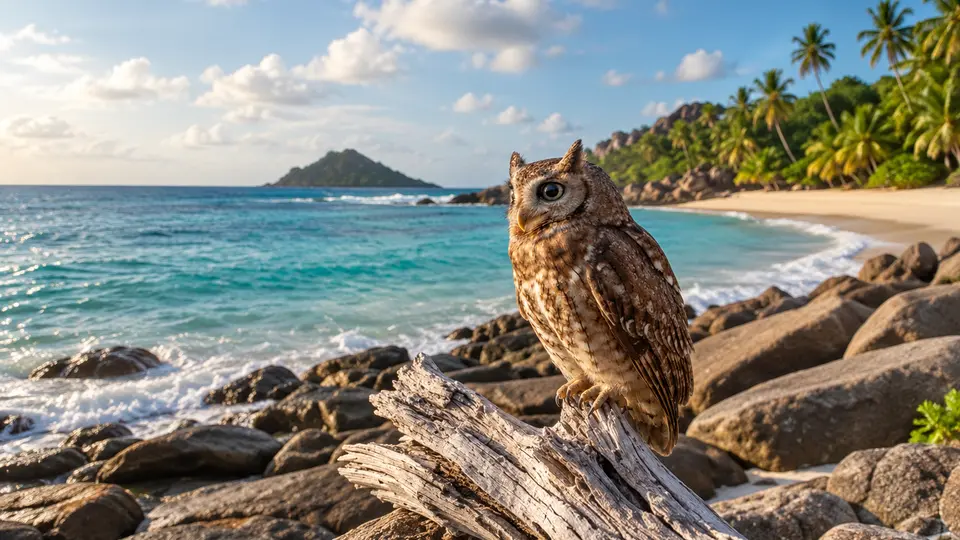
Seychelles Scops Owl in its natural habitat, AI illustration

Seychelles Scops OwlOtus insularisWhere and when to see them

Seychelles Scops Owl at a glance

The Seychelles scops owl is a small, elusive owl confined to Mahé. Its mottled brown plumage blends closely with shaded trunks and branches, making its repeated calls a more useful clue than movement. Long thought possibly extinct before its rediscovery in the twentieth century, it remains dependent on a limited area of forest. Its restricted range makes protection of upland woodland and control of introduced threats especially important.

Behaviour & reproduction

Size
19–22 cm long
Weight
Not reliably established
Lifespan
Not reliably established
Status
Endangered

Primarily nocturnal, this owl becomes active after dusk and uses repeated calls to communicate across forested slopes. It hunts from perches, dropping or moving toward prey detected among foliage, trunks and the forest floor. During daylight it usually rests inconspicuously in vegetation. Pairs occupy territories, and nesting occurs in tree cavities. Because calling activity varies, even a carefully planned evening walk may produce only distant sounds or no detection. Courtship displays involve duets between males and females, which strengthen pair bonds and advertise territory. The 'wak-wak' call is distinctive and can carry through the forest, serving as a primary means of locating the species. Chicks fledge several weeks after hatching, but remain dependent on their parents for some time.

Top wildlife locations

Seychelles wildlife habitat

Seychelles

Mahé's upland forests require an inland excursion, usually after dusk; coastal woodland viewpoints are not reliable habitat for this owl. Access and slippery trails need local assessment, and visual sightings remain difficult.
Destinations describe the species' habitat, not guaranteed cruise stops. Some animals require an optional inland excursion or are found in restricted reserves.

Fun facts about the Seychelles Scops Owl

  • It is also called the Seychelles bare-legged scops owl.
  • The species was rediscovered in 1959 after decades without confirmed records.
  • Its entire natural range is on Mahé.
  • Tree cavities are essential nesting resources.

Best time to see the Seychelles Scops Owl

The owl is resident, and there is no dependable tourist viewing season. Relatively drier conditions during the southeast trade-wind period can help with forest excursions, but upland rain remains possible. Local guides should judge safe access and current calling activity rather than promise encounters. While resident year-round, breeding activity, including increased calling, may be more pronounced during certain periods, potentially increasing detection chances. However, heavy rainfall can significantly hinder forest access and reduce owl activity, making dry spells generally more favorable for excursions. Always check local weather forecasts and trail conditions before planning a visit.

Seychelles Scops Owl: season matrix by destination

Travel and observation windows vary by region. Highlighted months are an orientation for planning, not confirmed sightings or a guarantee of access.

Seychelles

These generally drier months can suit forest travel, not a confirmed owl season; rain, trail safety and calling activity remain variable.

JanFebMarAprMayJunJulAugSepOctNovDec
Cruise ships in Seychelles

Where the Seychelles Scops Owl lives

It occupies forest on Mahé, particularly upland and mist-affected slopes with mature trees and dense cover. Native forest is important, although some altered woodland is used. Tree cavities provide nesting opportunities. This is an inland forest species, not a routine coastal viewpoint bird. This owl is endemic to Mahé, the largest island in the Seychelles archipelago. It prefers primary montane cloud forest, but can also be found in secondary forest at lower elevations. Its restricted distribution makes it particularly vulnerable to habitat loss and degradation.

What the Seychelles Scops Owl eats

Large invertebrates make up much of its food, including insects and other arthropods found within forest vegetation. Small vertebrates may also be taken. Its hunting depends on forest structure and prey availability, rather than the open-ground rodent hunting associated with many larger owls. Its diet commonly includes geckos, small frogs, and various insects such as large beetles, moths, and crickets. The owls use their acute hearing to pinpoint prey in dense vegetation, often making short flights to pounce. They typically swallow smaller prey whole, regurgitating pellets later.

Species at a glance

Common name
Seychelles Scops Owl
Scientific name
Otus insularis
Animal group
Birds
Size
19–22 cm long
Weight
Not reliably established
Lifespan
Not reliably established
Status
Endangered
Identification
Its small size, ear tufts and mottled brown plumage separate it from Mahé's much larger, pale-faced introduced barn owl. The Seychelles Scops Owl is one of the smallest owls in the world, measuring about 19-22 cm in length. Its plumage is a rich rufous-brown, finely mottled with black and white, providing excellent camouflage against tree bark. Its large, piercing yellow eyes are also a key identifying feature, especially when glimpsed in torchlight.

Seychelles Scops Owl: frequently asked questions

Where can I see the Seychelles Scops Owl?
Seychelles. Arrange a permitted inland evening walk with a knowledgeable guide. Avoid playback and prolonged torch illumination, never approach a nest cavity, and use secure footwear on wet forest paths. Hearing an owl does not ensure seeing it. Be prepared for steep and potentially slippery trails in dense forest conditions, requiring good physical fitness. Patience is key, as the owl's excellent camouflage and quiet demeanor make it challenging to spot even when calling nearby. Respect local regulations regarding protected areas and guided access to ensure sustainable ecotourism practices.
When is the best time to see the Seychelles Scops Owl?
The owl is resident, and there is no dependable tourist viewing season. Relatively drier conditions during the southeast trade-wind period can help with forest excursions, but upland rain remains possible. Local guides should judge safe access and current calling activity rather than promise encounters. While resident year-round, breeding activity, including increased calling, may be more pronounced during certain periods, potentially increasing detection chances. However, heavy rainfall can significantly hinder forest access and reduce owl activity, making dry spells generally more favorable for excursions. Always check local weather forecasts and trail conditions before planning a visit.
How big does the Seychelles Scops Owl get?
19–22 cm long. Adult weight: Not reliably established. Size varies with age, sex and population.
How should I behave around the Seychelles Scops Owl?
Arrange a permitted inland evening walk with a knowledgeable guide. Avoid playback and prolonged torch illumination, never approach a nest cavity, and use secure footwear on wet forest paths. Hearing an owl does not ensure seeing it. Be prepared for steep and potentially slippery trails in dense forest conditions, requiring good physical fitness. Patience is key, as the owl's excellent camouflage and quiet demeanor make it challenging to spot even when calling nearby. Respect local regulations regarding protected areas and guided access to ensure sustainable ecotourism practices.
What does the Seychelles Scops Owl eat?
Large invertebrates make up much of its food, including insects and other arthropods found within forest vegetation. Small vertebrates may also be taken. Its hunting depends on forest structure and prey availability, rather than the open-ground rodent hunting associated with many larger owls. Its diet commonly includes geckos, small frogs, and various insects such as large beetles, moths, and crickets. The owls use their acute hearing to pinpoint prey in dense vegetation, often making short flights to pounce. They typically swallow smaller prey whole, regurgitating pellets later.
Are wildlife sightings guaranteed on an adventure cruise?
No. Animals move freely and routes, weather, access restrictions and local conditions influence every outing. Confirm the actual itinerary and shore program before booking.

Compare wildlife in the same destinations

Explore other birds recorded in these destinations. Similar surroundings do not mean the animals share the same habits or viewing season.

Species comparison by animal group and destination
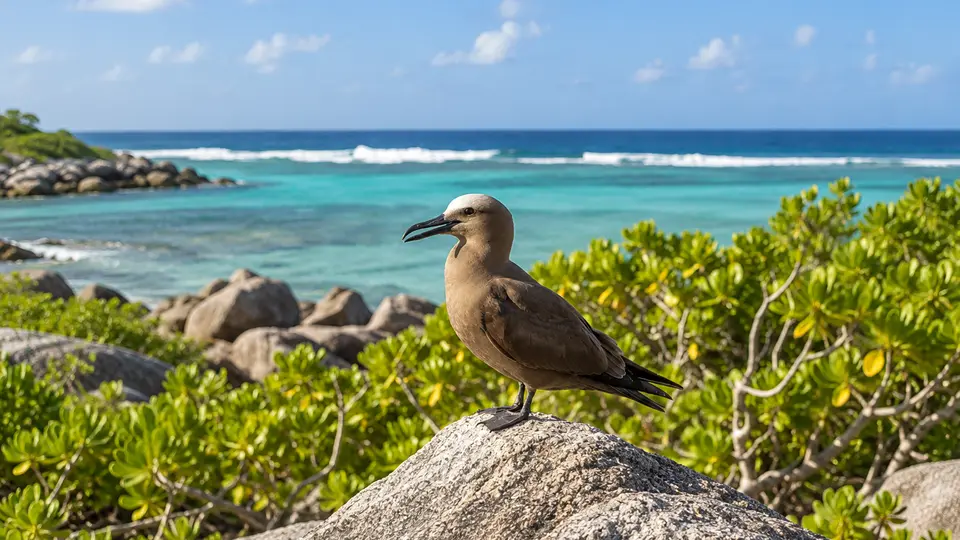
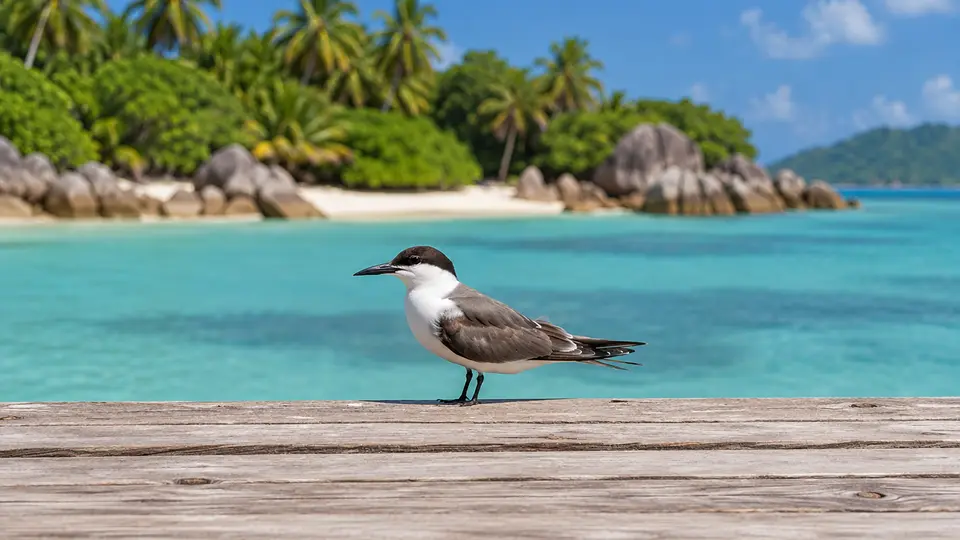
Seychelles Scops OwlSeychelles Scops OwlBridled TernBridled TernBrown NoddyBrown Noddy
Animal groupBirdsAnimal groupBirdsAnimal groupBirds
DestinationsSeychellesDestinationsSeychellesDestinationsSeychelles, Maldives, Fiji
All wildlife destinations
Plan your trip

Find your next wildlife adventure

Compare destinations, shore programs and dates with the animals and habitats you would love to see.

  • Naturalist-led shore excursions
  • Responsible wildlife watching
  • Small expedition ships

Newsletter

Take Blue Rides with you

Adventure cruise offers, last-minute deals and trip inspiration.

Free, unsubscribe anytime. Details: Privacy Policy

Partner with Blue Rides

Affiliate Program

Recommend adventure cruises and earn commission on every confirmed booking.

Share. Track. Earn.

Your footage, our stage

Send us your videos or pictures.

Captured remarkable nature or wildlife on your journey? Share it with us, we may feature it on Blue Rides.