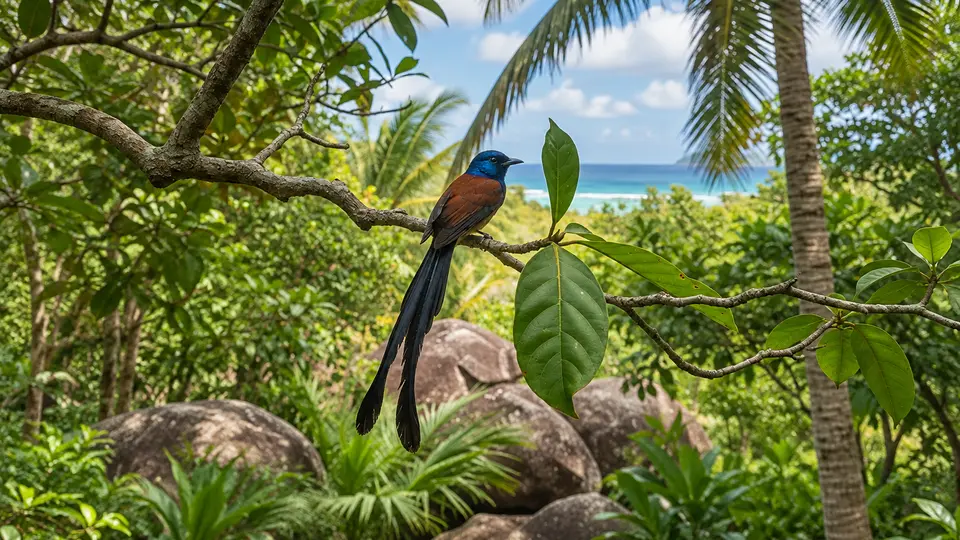
Seychelles Paradise Flycatcher in its natural habitat, AI illustration
Size17–20 cm body length; males reach about 30 cm with tail streamersLifespanNot reliably establishedStatusVulnerable

Seychelles Paradise Flycatcher: where and when to see them

Terpsiphone corvina

Seychelles Paradise Flycatcher at a glance

The Seychelles paradise flycatcher is an endemic woodland bird best known from La Digue. Adult males are glossy blue-black with long, flowing central tail feathers, while females have chestnut upperparts, pale underparts and a dark head. Recovery work has combined protection of remaining woodland with establishment of additional populations. Its survival illustrates how small islands can support distinctive wildlife while leaving that wildlife highly exposed to habitat loss and introduced predators.

Behaviour & reproduction

Size
17–20 cm body length; males reach about 30 cm with tail streamers
Weight
Not reliably established
Lifespan
Not reliably established
Status
Vulnerable

Flycatchers typically hunt from shaded perches, making short flights to intercept insects before settling again. They also pick prey from foliage and branches. Pairs defend breeding territories and build delicate cup nests supported by slender vegetation. Both adults attend their young. The male's trailing tail is especially conspicuous during movement through the trees, although quiet birds can be surprisingly difficult to locate beneath a closed canopy. Courtship displays involve the male flying in an undulating pattern, showcasing his long tail streamers to the female. Both parents are highly attentive to their young, often bringing a continuous supply of insects to the nest. When threatened, they may perform distraction displays near the nest, drawing attention away from their vulnerable chicks.

Top wildlife locations

Seychelles wildlife habitat

Seychelles

La Digue's Veuve Reserve protects lowland woodland within reach of the coast. An onshore woodland excursion is required rather than beach watching; other island populations have different access arrangements and may be inaccessible.

Adventure cruises in Seychelles
Destinations describe the species' habitat, not guaranteed cruise stops. Some animals require an optional inland excursion or are found in restricted reserves.

Fun facts about the Seychelles Paradise Flycatcher

  • The species is locally known as the veuve.
  • Only adult males develop the spectacular elongated central tail feathers.
  • La Digue supported its principal surviving population during its most restricted period.
  • Conservation translocations have established populations beyond La Digue.

Best time to see the Seychelles Paradise Flycatcher

This resident species has no migration-based viewing season. Visits are possible year-round where access is permitted, with April and October often providing calmer travel conditions. Rain and wind can affect activity and visibility, while nesting timing varies rather than defining a guaranteed observation window. While resident, the breeding season typically runs from September to March, which can offer increased activity but also greater sensitivity to disturbance. The dry season, from May to October, may see them foraging closer to water sources within their territories. Local guides can provide up-to-date information on recent nesting activity or successful fledging events.

Seychelles Paradise Flycatcher: season matrix by destination

Travel and observation windows vary by region. Highlighted months are an orientation for planning, not confirmed sightings or a guarantee of access.

Seychelles

These months offer useful travel conditions between stronger seasonal winds; resident birds may be present year-round, and access does not guarantee observations.

JanFebMarAprMayJunJulAugSepOctNovDec
Cruise ships in Seychelles

Where the Seychelles Paradise Flycatcher lives

Lowland woodland with a humid, shaded understory is especially important, including native broadleaf trees and vegetation near wetlands. Connected canopy and sheltered nesting sites improve habitat value. On La Digue, suitable forest survives close to settlements and coastal areas, but open beaches are unsuitable. Historical records indicate a broader distribution across several Seychelles islands, but habitat loss and introduced predators confined the species primarily to La Digue by the mid-20th century. Efforts are ongoing to establish satellite populations on other suitable islands like Denis Island and Curieuse, requiring extensive habitat restoration and predator control. These islands aim to replicate the dense, humid forest conditions crucial for their survival.

What the Seychelles Paradise Flycatcher eats

Its food consists mainly of insects and other small arthropods captured in short aerial sallies or collected from vegetation. Flies, moths and similar prey are taken opportunistically. A structurally varied woodland supports more feeding opportunities than heavily cleared gardens or exposed coastal lawns. They occasionally supplement their diet with small geckos or lizards, especially during dry periods when insect availability may fluctuate. Larval forms of insects, such as caterpillars, are also a significant food source for both adults and chicks during the breeding season. The varied plant life in their preferred woodland supports a rich diversity of insect prey.

Species at a glance

Common name
Seychelles Paradise Flycatcher
Scientific name
Terpsiphone corvina
Animal group
Birds
Size
17–20 cm body length; males reach about 30 cm with tail streamers
Weight
Not reliably established
Lifespan
Not reliably established
Status
Vulnerable
Identification
Males have exceptionally long black tail streamers, while chestnut-backed, dark-headed females lack the white eye-ring of the Seychelles white-eye and the slender curved bill of the sunbird. Juveniles of both sexes initially resemble the female, with a browner plumage and shorter tails, gradually developing adult characteristics over several months. The male's black plumage has an iridescent blue sheen visible in good light, distinguishing it from other dark forest birds. Females are often seen with a slightly rufous back and a dark grey head.

Seychelles Paradise Flycatcher: frequently asked questions

Where can I see the Seychelles Paradise Flycatcher?
Seychelles. Walk quietly through authorized woodland paths, particularly in the early morning. Keep away from delicate nests, do not use call playback, and avoid following a bird repeatedly through its territory. Stay on paths to protect understory vegetation. Be mindful of their territorial calls, a sharp 'tchew-tchew', which can help in locating them, but listen from a distance. Early morning light often provides the best illumination for viewing their striking plumage against the dappled forest understory. Patience is key, as they can remain still for extended periods before making a foraging sally.
When is the best time to see the Seychelles Paradise Flycatcher?
This resident species has no migration-based viewing season. Visits are possible year-round where access is permitted, with April and October often providing calmer travel conditions. Rain and wind can affect activity and visibility, while nesting timing varies rather than defining a guaranteed observation window. While resident, the breeding season typically runs from September to March, which can offer increased activity but also greater sensitivity to disturbance. The dry season, from May to October, may see them foraging closer to water sources within their territories. Local guides can provide up-to-date information on recent nesting activity or successful fledging events.
How big does the Seychelles Paradise Flycatcher get?
17–20 cm body length; males reach about 30 cm with tail streamers. Adult weight: Not reliably established. Size varies with age, sex and population.
How should I behave around the Seychelles Paradise Flycatcher?
Walk quietly through authorized woodland paths, particularly in the early morning. Keep away from delicate nests, do not use call playback, and avoid following a bird repeatedly through its territory. Stay on paths to protect understory vegetation. Be mindful of their territorial calls, a sharp 'tchew-tchew', which can help in locating them, but listen from a distance. Early morning light often provides the best illumination for viewing their striking plumage against the dappled forest understory. Patience is key, as they can remain still for extended periods before making a foraging sally.
What does the Seychelles Paradise Flycatcher eat?
Its food consists mainly of insects and other small arthropods captured in short aerial sallies or collected from vegetation. Flies, moths and similar prey are taken opportunistically. A structurally varied woodland supports more feeding opportunities than heavily cleared gardens or exposed coastal lawns. They occasionally supplement their diet with small geckos or lizards, especially during dry periods when insect availability may fluctuate. Larval forms of insects, such as caterpillars, are also a significant food source for both adults and chicks during the breeding season. The varied plant life in their preferred woodland supports a rich diversity of insect prey.
Are wildlife sightings guaranteed on an adventure cruise?
No. Animals move freely and routes, weather, access restrictions and local conditions influence every outing. Confirm the actual itinerary and shore programme before booking.

Compare wildlife in the same destinations

Explore other birds recorded in these destinations. Similar surroundings do not mean the animals share the same habits or viewing season.

Species comparison by animal group and destination
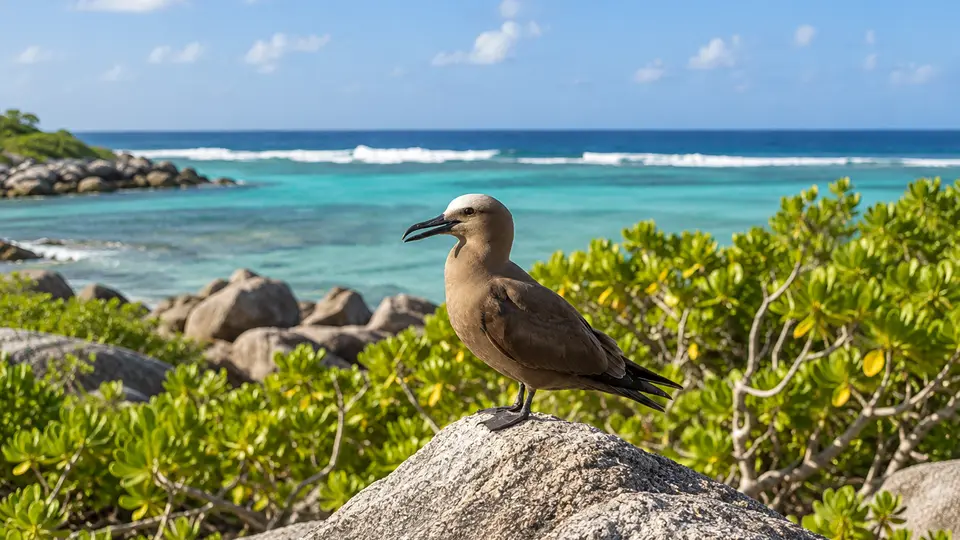
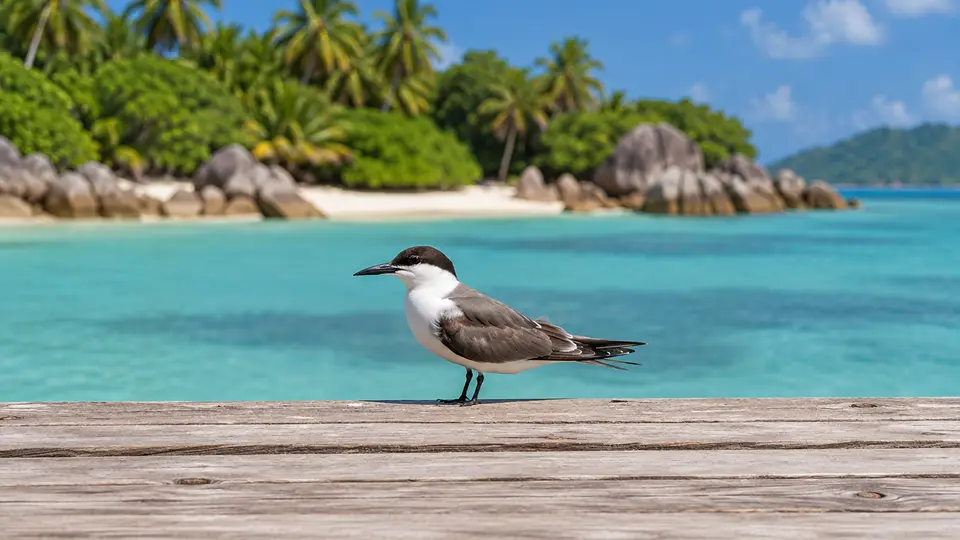
Seychelles Paradise FlycatcherSeychelles Paradise FlycatcherBridled TernBridled TernBrown NoddyBrown Noddy
Animal groupBirdsAnimal groupBirdsAnimal groupBirds
DestinationsSeychellesDestinationsSeychellesDestinationsSeychelles, Maldives, Fiji
All wildlife destinations
Plan your trip

Find your next wildlife adventure

Compare destinations, shore programmes and dates with the animals and habitats you would love to see.

  • Naturalist-led shore excursions
  • Responsible wildlife watching
  • Small expedition ships

Newsletter

Take Blue Rides with you

Adventure cruise offers, last-minute deals and trip inspiration.

Free, unsubscribe anytime. Details: Privacy Policy

Partner with Blue Rides

Affiliate Program

Recommend adventure cruises and earn commission on every confirmed booking.

Share. Track. Earn.