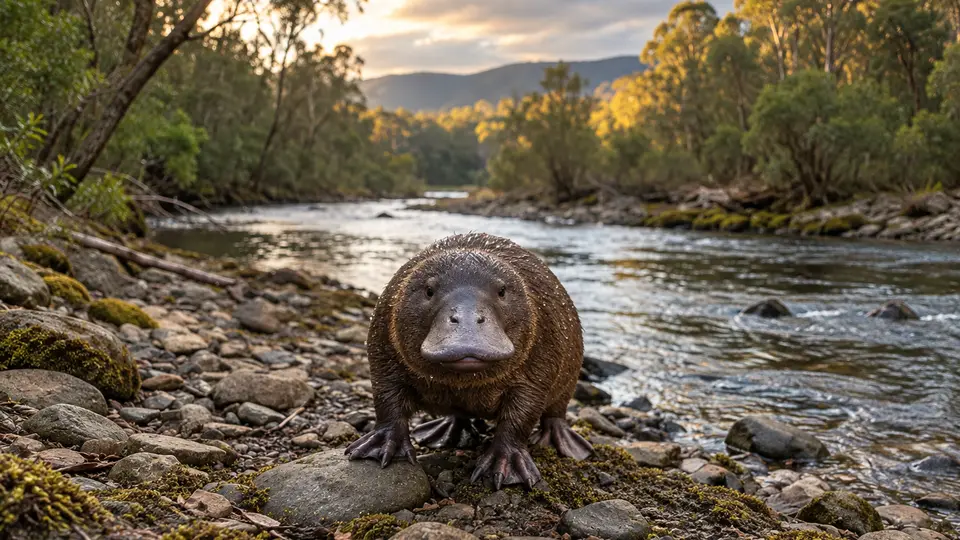
Platypus in its natural habitat, AI illustration
Size40–60 cm total lengthLifespanNot reliably establishedStatusNear Threatened

Platypus: where and when to see them

Ornithorhynchus anatinus

Platypus at a glance

The platypus is an egg-laying mammal native to eastern Australia and Tasmania. Its broad sensitive bill, dense waterproof fur and flattened tail reflect a life centered on freshwater. Although often described through comparisons with other animals, it represents a distinctive evolutionary lineage of its own. From a riverbank, observers usually see only a low profile at the surface, brief ripples and repeated appearances separated by periods spent searching for food.

Behaviour & reproduction

Size
40–60 cm total length
Weight
0.7–2.4 kg
Lifespan
Not reliably established
Status
Near Threatened

Platypuses are generally solitary and often most active at dusk, night or dawn, although daytime activity occurs in some settings. They rest in burrows excavated into banks and repeatedly return to the surface between feeding bouts. While submerged, their eyes, ears and nostrils close, and the bill detects electrical and mechanical signals from prey. Females construct nesting burrows with vegetation and incubate their eggs curled around them. Males possess a venomous spur on each hind ankle, used primarily during breeding season in territorial disputes with other males. They are proficient swimmers, propelling themselves through the water with their front webbed feet and steering with their tail and hind feet. Platypuses are endothermic and maintain a stable body temperature even in cold water due through a high metabolic rate and dense fur.

Top wildlife locations

Australia wildlife habitat

Australia

Quiet creek banks, lake margins and designated freshwater viewing paths in eastern Australia or Tasmania offer possibilities. An inland or upstream excursion is generally required; ordinary marine shorelines are not platypus habitat.

Adventure cruises in Australia
Destinations describe the species' habitat, not guaranteed cruise stops. Some animals require an optional inland excursion or are found in restricted reserves.

Fun facts about the Platypus

  • It is one of the few living mammals that lay eggs.
  • Its bill detects weak electrical signals produced by prey.
  • Females produce milk without nipples.
  • Males possess venom-delivering spurs on their hind ankles.

Best time to see the Platypus

Watching is possible throughout the year where platypuses are resident and access is safe. Calm conditions and good surface visibility matter more than a universal season. Dawn or dusk is often useful, while floods, drought and muddy water can greatly reduce observation prospects. While generally elusive, viewing opportunities can be improved during periods of lower water levels or when the animals are more active before breeding. Observing them from elevated viewpoints overlooking calmer water can sometimes offer better visibility. Patience is key, as platypuses are often shy and can spend considerable time underwater.

Platypus: season matrix by destination

Travel and observation windows vary by region. Highlighted months are an orientation for planning, not confirmed sightings or a guarantee of access.

Australia

Resident animals can be watched year-round where waterways remain suitable; local flow, weather, daylight activity and access determine practical opportunities.

JanFebMarAprMayJunJulAugSepOctNovDec
Cruise ships in Australia

Where the Platypus lives

Platypuses occupy rivers, creeks, lakes and some farm dams with dependable freshwater and suitable banks. Healthy streamside vegetation, aquatic invertebrates and refuge from extreme flows improve habitat quality. Coastal travel generally needs to be supplemented by an inland or upstream excursion to appropriate waterways. Platypuses are found in eastern Australia and Tasmania, from the tropical rainforests of Queensland to the snowy mountains. They typically require banks with earth suitable for burrowing, often among root systems of trees. Access to riparian zones that provide cover and shelter from predators is crucial for their survival.

What the Platypus eats

Aquatic insect larvae, worms, freshwater crustaceans and other small bottom-dwelling animals dominate the diet. Food is collected from sediments and stored temporarily in cheek pouches. Adults lack functional teeth and use horny grinding pads to process prey after returning to the surface. Prey is consumed underwater by filter-feeding or direct ingestion, before being stored in cheek pouches. They are opportunistic feeders, and their diet can vary seasonally or regionally based on the availability of different invertebrate species. Their unique electrosensory bill allows them to locate prey even in dark or murky water.

Species at a glance

Common name
Platypus
Scientific name
Ornithorhynchus anatinus
Animal group
Mammals
Size
40–60 cm total length
Weight
0.7–2.4 kg
Lifespan
Not reliably established
Status
Near Threatened
Identification
The broad bill, low swimming profile and flat furry tail distinguish a platypus from the more conspicuously whiskered rakali, which has a long, often white-tipped tail. The platypus has a streamlined body covered in thick, dark brown fur, and five-toed webbed feet adapted for swimming and digging. Their broad, leathery bill is a distinguishing feature, unlike any other mammal. The flat, beaver like tail is used for storing fat reserves and for steering while swimming.

Platypus: frequently asked questions

Where can I see the Platypus?
Australia. Wait quietly on a stable bank and scan for repeated ripples. Never handle a platypus or enter its burrow: males carry venomous ankle spurs, and even injured animals require trained wildlife rescuers. Stay downwind and avoid strong perfumes or sudden movements to prevent startling the animals. Long periods of immobility are often rewarded with a sighting as platypuses emerge from their burrows or surface to feed. Look for a V shaped ripple left by their bill and head as they swim.
When is the best time to see the Platypus?
Watching is possible throughout the year where platypuses are resident and access is safe. Calm conditions and good surface visibility matter more than a universal season. Dawn or dusk is often useful, while floods, drought and muddy water can greatly reduce observation prospects. While generally elusive, viewing opportunities can be improved during periods of lower water levels or when the animals are more active before breeding. Observing them from elevated viewpoints overlooking calmer water can sometimes offer better visibility. Patience is key, as platypuses are often shy and can spend considerable time underwater.
How big does the Platypus get?
40–60 cm total length. Adult weight: 0.7–2.4 kg. Size varies with age, sex and population.
How should I behave around the Platypus?
Wait quietly on a stable bank and scan for repeated ripples. Never handle a platypus or enter its burrow: males carry venomous ankle spurs, and even injured animals require trained wildlife rescuers. Stay downwind and avoid strong perfumes or sudden movements to prevent startling the animals. Long periods of immobility are often rewarded with a sighting as platypuses emerge from their burrows or surface to feed. Look for a V shaped ripple left by their bill and head as they swim.
What does the Platypus eat?
Aquatic insect larvae, worms, freshwater crustaceans and other small bottom-dwelling animals dominate the diet. Food is collected from sediments and stored temporarily in cheek pouches. Adults lack functional teeth and use horny grinding pads to process prey after returning to the surface. Prey is consumed underwater by filter-feeding or direct ingestion, before being stored in cheek pouches. They are opportunistic feeders, and their diet can vary seasonally or regionally based on the availability of different invertebrate species. Their unique electrosensory bill allows them to locate prey even in dark or murky water.
Are wildlife sightings guaranteed on an adventure cruise?
No. Animals move freely and routes, weather, access restrictions and local conditions influence every outing. Confirm the actual itinerary and shore programme before booking.

Compare wildlife in the same destinations

Explore other mammals recorded in these destinations. Similar surroundings do not mean the animals share the same habits or viewing season.

Species comparison by animal group and destination
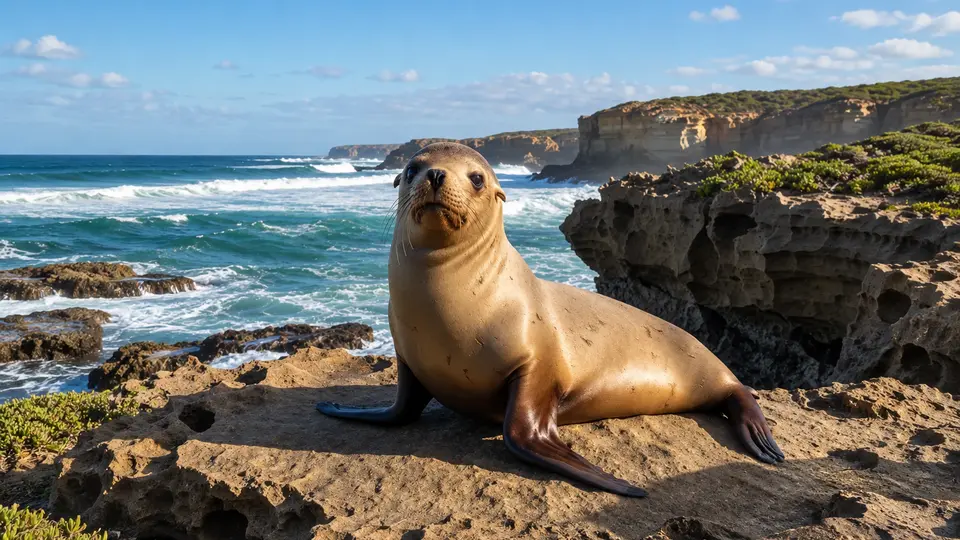
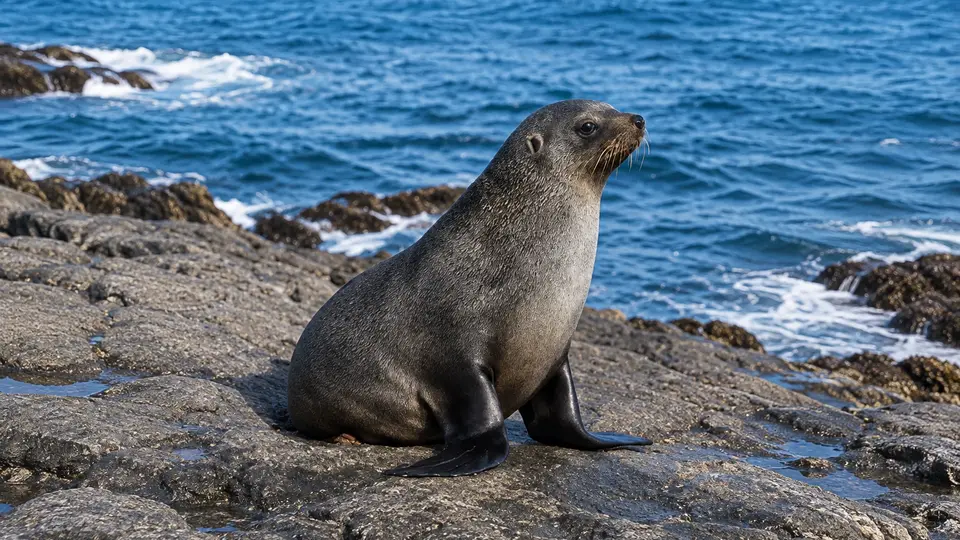
PlatypusPlatypusAustralian fur sealAustralian fur sealAustralian sea lionAustralian sea lion
Animal groupMammalsAnimal groupMammalsAnimal groupMammals
DestinationsAustraliaDestinationsAustraliaDestinationsAustralia
All wildlife destinations
Plan your trip

Find your next wildlife adventure

Compare destinations, shore programmes and dates with the animals and habitats you would love to see.

  • Naturalist-led shore excursions
  • Responsible wildlife watching
  • Small expedition ships

Newsletter

Take Blue Rides with you

Adventure cruise offers, last-minute deals and trip inspiration.

Free, unsubscribe anytime. Details: Privacy Policy

Partner with Blue Rides

Affiliate Program

Recommend adventure cruises and earn commission on every confirmed booking.

Share. Track. Earn.