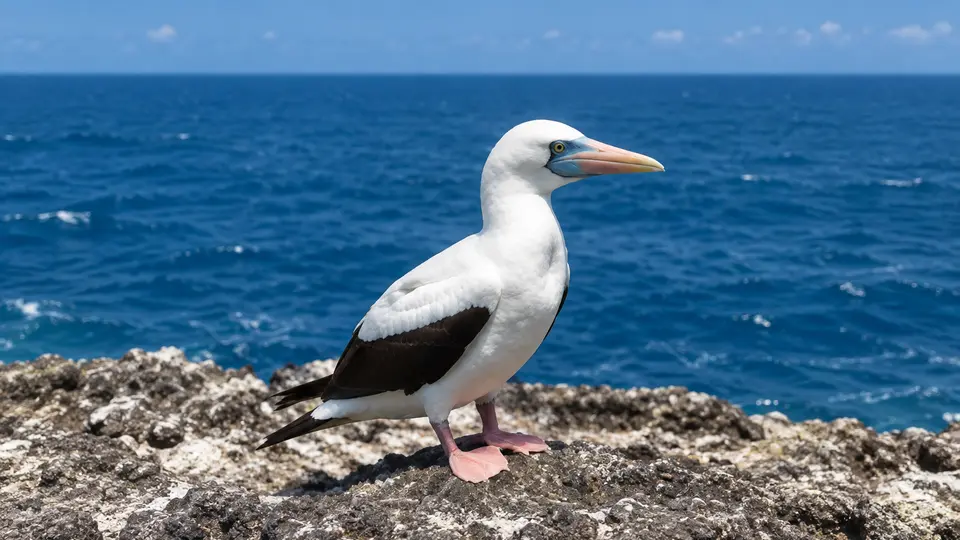
Nazca Booby in its natural habitat, AI illustration

Nazca Booby: where and when to see them

Sula granti

Nazca Booby at a glance

The Nazca booby is a large tropical seabird of the eastern Pacific, with important breeding colonies in the Galapagos. Its crisp white body, dark flight feathers and warm-toned bill create a striking appearance on rocky islands. Once treated as a form of masked booby, it is now recognized as a separate species. It nests on open ground and spends much of its life at sea, returning to colonies for courtship and breeding.

Behaviour & reproduction

Size
75-89 cm body length
Weight
1.3-2.3 kg
Lifespan
Not reliably established
Status
Least Concern

Pairs display with bill pointing, head movements and exchanged nesting material, usually at a simple scrape on bare ground. A clutch often contains two eggs, but normally only one chick survives because the older chick expels its sibling. Adults commute between colonies and offshore feeding areas. Birds at nests may appear tolerant, yet approaching visitors can interrupt incubation, expose chicks or trigger defensive responses, especially along crowded colony edges. The older, larger chick typically outcompetes or actively kills its younger sibling, a phenomenon known as obligate siblicide. This ensures the survival of the strongest chick, maximizing parental investment in one offspring. Adults often perform elaborate sky-pointing displays during courtship, emphasizing their long, pointed wings.

Top wildlife locations

Galapagos wildlife habitat

Galapagos

Authorized visitor routes near established rocky island colonies can offer shore views. Access depends on protected-area rules and itinerary permissions; nesting birds are localized and should never be approached off trail.

Adventure cruises in Galapagos
Mexico wildlife habitat

Mexico

Nazca boobies occur around remote Mexican Pacific islands, with breeding on Clipperton outside Mexico. Mainland shore sightings are uncommon; relevant Mexican island habitats may be inaccessible or require special access permissions.

Adventure cruises in Mexico

Destinations describe the species' habitat, not guaranteed cruise stops. Some animals require an optional inland excursion or are found in restricted reserves.

Fun facts about the Nazca Booby

  • Nazca booby was formerly classified within the masked booby.
  • Its second egg usually functions as insurance if the first egg fails.
  • Adults have pinkish-orange bills, whereas young birds have darker bills and browner plumage.
  • Males typically whistle, while females give harsher honking calls.

Best time to see the Nazca Booby

Galapagos colonies may be observable throughout the year, but nesting schedules differ between islands and years. Local colony information is more useful than a single archipelago-wide breeding calendar. In Mexico, access to remote offshore islands, rather than season alone, limits coastal observation opportunities. In the Galapagos, many Nazca boobies begin courtship and nesting activities after the hot, rainy season, generally starting around June. Peak breeding activity can be seen during the cool, dry season from July to December across the archipelago. Mexico's breeding populations often show similar seasonal patterns, influenced by local upwelling events.

Nazca Booby: season matrix by destination

Travel and observation windows vary by region. Highlighted months are an orientation for planning, not confirmed sightings or a guarantee of access.

Galapagos

Travel and colony observation are possible year-round, but breeding timing and visitor access vary between islands.

JanFebMarAprMayJunJulAugSepOctNovDec
Cruise ships in Galapagos

Mexico

No broadly defensible Mexican shore-viewing window applies; offshore occurrence and island access require current, site-specific verification.

JanFebMarAprMayJunJulAugSepOctNovDec
Cruise ships in Mexico

Where the Nazca Booby lives

Nazca boobies breed on dry tropical islands, using rocky ledges, open slopes and sparsely vegetated ground. At sea they range over productive eastern Pacific waters. Their colonies are concentrated rather than evenly distributed, so many apparently suitable islands lack breeding birds. They are predominantly pelagic, spending much of their lives at sea, often far from land. While they breed on islands, they forage widely across vast expanses of the eastern Pacific Ocean. This wide-ranging foraging behavior means they are frequently observed from vessels on open ocean passages.

What the Nazca Booby eats

Fish dominate the diet, especially schooling species such as flying fish and sardine-like fishes, with squid also taken. Adults capture prey at sea and carry food back internally to feed chicks. Feeding opportunities shift with currents, prey availability and ocean temperature. Nazca boobies are plunge-divers, dramatically entering the water from heights of 10 to 30 meters to catch fish. Their diet can also include anchovies and mackerel, reflecting their opportunistic foraging strategy. They typically hunt during daylight hours, often joining other seabird species in feeding frenzies.

Species at a glance

Common name
Nazca Booby
Scientific name
Sula granti
Animal group
Birds
Size
75-89 cm body length
Weight
1.3-2.3 kg
Lifespan
Not reliably established
Status
Least Concern
Identification
The orange to pinkish-orange adult bill distinguishes Nazca booby from the usually yellow-billed masked booby, while dark feet separate it from blue-footed booby. Juvenile Nazca boobies are brown on their upperparts with a white belly, gradually molting into adult plumage over several years. Their large size and pointed bill also help distinguish them from other seabirds in their range. The black facial mask surrounding their eyes is a key characteristic, even at a distance.

Nazca Booby: frequently asked questions

Where can I see the Nazca Booby?
Galapagos, Mexico. Observe colonies from authorized trails or a vessel's deck, keeping clear of nests and approach paths. Follow guide instructions and never step toward chicks for photographs; close disturbance can expose them to heat or aggression. When viewing from a vessel, use binoculars to observe nesting sites and flying birds from a respectful distance. On guided shore excursions, stick to designated paths and maintain a safe distance to avoid disturbing nesting birds. Their striking white plumage makes them relatively easy to spot against the dark volcanic rock or blue ocean.
When is the best time to see the Nazca Booby?
Galapagos colonies may be observable throughout the year, but nesting schedules differ between islands and years. Local colony information is more useful than a single archipelago-wide breeding calendar. In Mexico, access to remote offshore islands, rather than season alone, limits coastal observation opportunities. In the Galapagos, many Nazca boobies begin courtship and nesting activities after the hot, rainy season, generally starting around June. Peak breeding activity can be seen during the cool, dry season from July to December across the archipelago. Mexico's breeding populations often show similar seasonal patterns, influenced by local upwelling events.
How big does the Nazca Booby get?
75-89 cm body length. Adult weight: 1.3-2.3 kg. Size varies with age, sex and population.
How should I behave around the Nazca Booby?
Observe colonies from authorized trails or a vessel's deck, keeping clear of nests and approach paths. Follow guide instructions and never step toward chicks for photographs; close disturbance can expose them to heat or aggression. When viewing from a vessel, use binoculars to observe nesting sites and flying birds from a respectful distance. On guided shore excursions, stick to designated paths and maintain a safe distance to avoid disturbing nesting birds. Their striking white plumage makes them relatively easy to spot against the dark volcanic rock or blue ocean.
What does the Nazca Booby eat?
Fish dominate the diet, especially schooling species such as flying fish and sardine-like fishes, with squid also taken. Adults capture prey at sea and carry food back internally to feed chicks. Feeding opportunities shift with currents, prey availability and ocean temperature. Nazca boobies are plunge-divers, dramatically entering the water from heights of 10 to 30 meters to catch fish. Their diet can also include anchovies and mackerel, reflecting their opportunistic foraging strategy. They typically hunt during daylight hours, often joining other seabird species in feeding frenzies.
Are wildlife sightings guaranteed on an adventure cruise?
No. Animals move freely and routes, weather, access restrictions and local conditions influence every outing. Confirm the actual itinerary and shore program before booking.

Compare wildlife in the same destinations

Explore other birds recorded in these destinations. Similar surroundings do not mean the animals share the same habits or viewing season.

Species comparison by animal group and destination
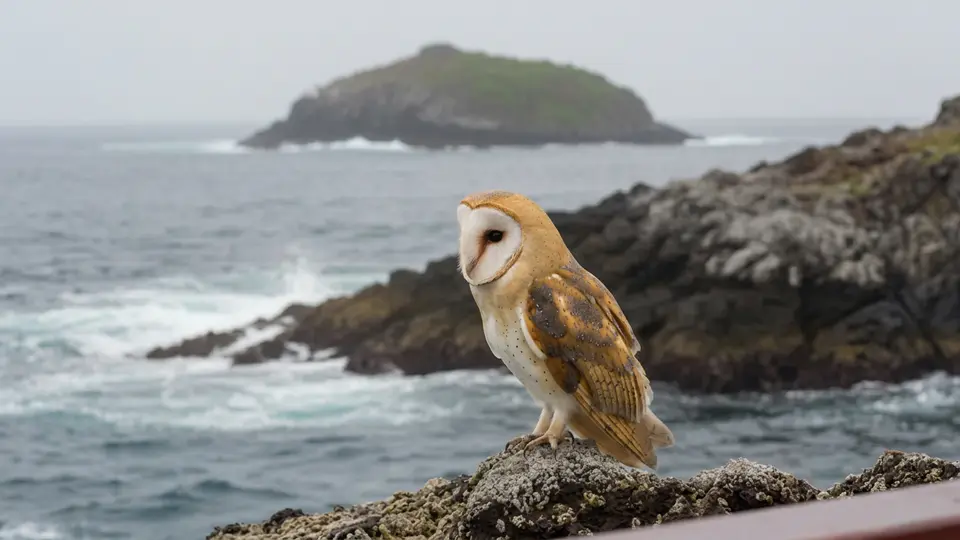
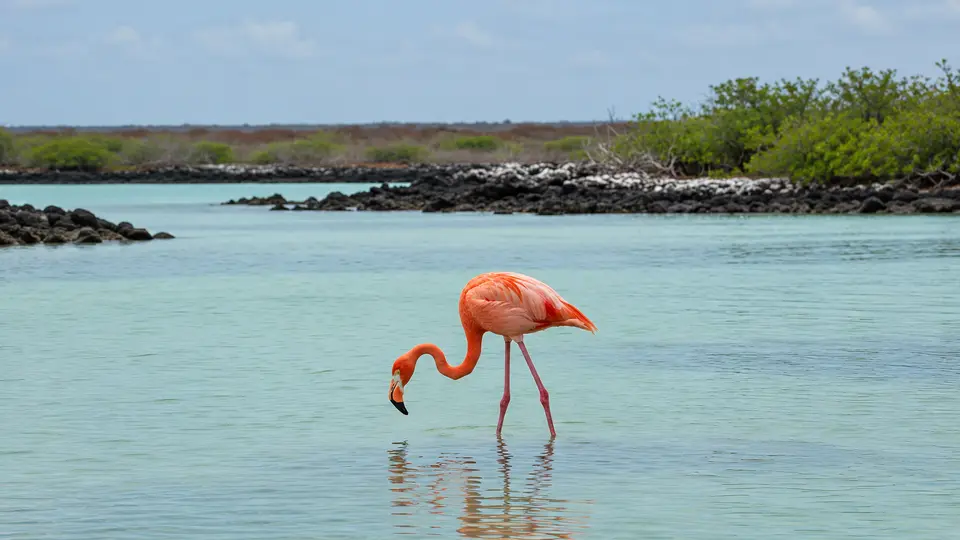
Nazca BoobyNazca BoobyAmerican FlamingoAmerican FlamingoBarn OwlBarn Owl
Animal groupBirdsAnimal groupBirdsAnimal groupBirds
DestinationsGalapagos, MexicoDestinationsGalapagos, MexicoDestinationsGalapagos
All wildlife destinations
Plan your trip

Find your next wildlife adventure

Compare destinations, shore programs and dates with the animals and habitats you would love to see.

  • Naturalist-led shore excursions
  • Responsible wildlife watching
  • Small expedition ships

Newsletter

Take Blue Rides with you

Adventure cruise offers, last-minute deals and trip inspiration.

Free, unsubscribe anytime. Details: Privacy Policy

Partner with Blue Rides

Affiliate Program

Recommend adventure cruises and earn commission on every confirmed booking.

Share. Track. Earn.

Your footage, our stage

Send us your videos or pictures.

Captured beautiful landscapes or wildlife? Share your videos and pictures with us, we may feature them on Blue Rides.