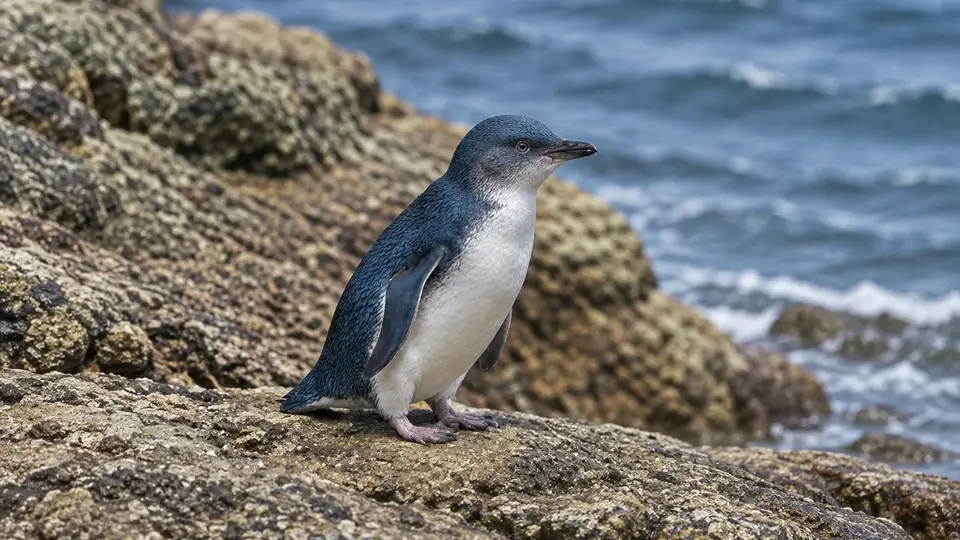
Little penguin in its natural habitat, AI illustration
Size25–35 cm tallLifespan6–10 yearsStatusAssessment varies

Little penguin: where and when to see them

Birds

Little penguin at a glance

Little penguins are the smallest living penguins, with blue-toned upperparts and white underparts. The catalog name covers birds in Australia and New Zealand whose treatment differs among taxonomies: Australian little penguin and New Zealand little penguin are often recognized separately. They spend much of their lives at sea but depend on coastal nesting shelters. Shore-based viewing usually focuses on their quiet return to colonies after sunset, under carefully managed conditions.

Behaviour & reproduction

Size
25–35 cm tall
Weight
0.8–1.5 kg
Lifespan
6–10 years
Status
Assessment varies

Adults commonly leave colonies before dawn and return after dark, reducing exposure to predators on land. They nest in burrows, rock cavities or other sheltered spaces, sometimes beneath buildings. Pairs communicate with surprisingly loud calls and may reuse successful nest sites. Breeding schedules vary with locality and food supply. During the annual moult, birds remain ashore while replacing their plumage, relying on stored energy because they cannot feed normally at sea. Little penguins are highly social birds, often foraging in groups and returning to colonies in larger rafts before coming ashore. During the moult, which lasts for about two to three weeks, they appear ruffled and spend almost all their time ashore in a sheltered spot.

Top wildlife locations

Australia wildlife habitat

Australia

Managed colonies on southern Australian shores offer viewing from platforms beside beach access routes. Entry may require booking, and breeding burrows are inaccessible to visitors outside designated paths and observation areas.

Adventure cruises in Australia
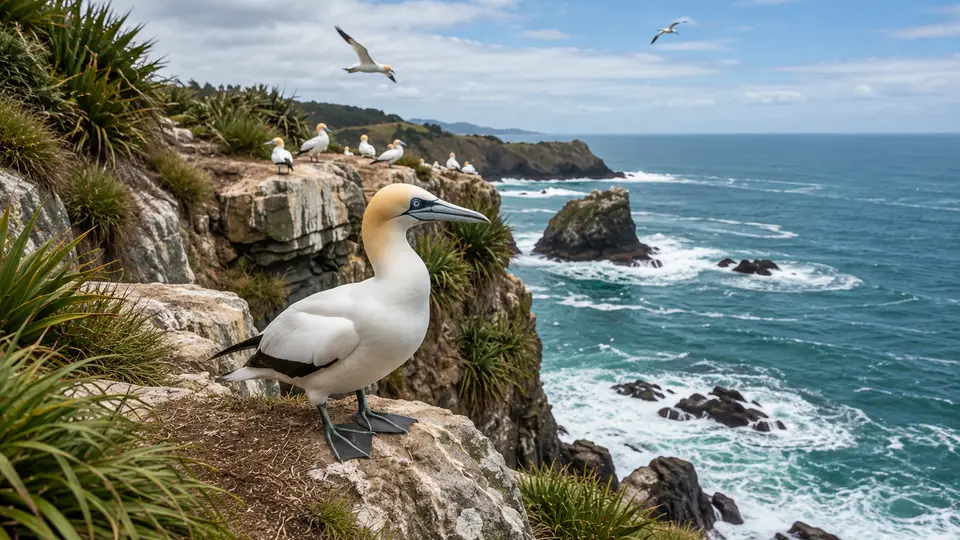
New Zealand wildlife habitat

New Zealand

Sheltered coastal colonies sometimes provide guided evening viewing from hides or fixed paths. Many nesting sites are private, protected or inaccessible, so use established programs rather than searching among burrows or coastal buildings.

Adventure cruises in New Zealand

Destinations describe the species' habitat, not guaranteed cruise stops. Some animals require an optional inland excursion or are found in restricted reserves.

Fun facts about the Little penguin

  • Little penguins are the smallest penguins alive today.
  • Their blue colour comes from the microscopic structure of their feathers.
  • Adults replace their entire plumage during a concentrated annual moult.
  • Some colonies occupy coastal suburbs, making traffic and dog management important conservation measures.

Best time to see the Little penguin

Choose a locally managed colony program rather than assuming one breeding calendar applies everywhere. Many Australian and New Zealand colonies have busy breeding periods between spring and summer, but attendance varies. Evening viewing arrangements, closures and moult timing should be checked locally. In southern Australia and New Zealand, the peak breeding season often extends from September to March, during which activity around colonies is highest. Some colonies, particularly in northern New Zealand, may show more protracted or even year-round breeding activity.

Little penguin: season matrix by destination

Travel and observation windows vary by region. Highlighted months are an orientation for planning, not confirmed sightings or a guarantee of access.

Australia

Spring through early autumn is a practical visitor window at many southern colonies, not a universal breeding schedule or sighting guarantee.

JanFebMarAprMayJunJulAugSepOctNovDec
Cruise ships in Australia

New Zealand

Spring and summer overlap breeding activity at many sites, but local calendars and colony access differ substantially.

JanFebMarAprMayJunJulAugSepOctNovDec
Cruise ships in New Zealand

Where the Little penguin lives

These penguins use temperate coastal waters adjoining islands, sheltered bays and mainland shores. Nesting habitat includes sandy burrows, vegetated slopes, boulder cavities and suitable artificial shelters. Colonies need unobstructed access between the sea and protected resting or breeding sites. They are often found in coastal areas close to human habitation, utilizing structures like rock walls, jetties, and even under houses for shelter. The specific microhabitat within a colony can vary, from open sand to dense vegetation, influencing burrow depth and protection from weather.

What the Little penguin eats

Their diet consists mainly of small schooling fish, with squid and crustaceans contributing according to local availability. Prey is captured at sea. Changes in nearby fish stocks and marine conditions can affect adult condition, breeding success and the distance travelled to feed. Foraging typically occurs within a few kilometers of the colony, but individuals may travel much further, up to 25 kilometers, in search of food. Their specialized eyesight helps them locate prey in low light conditions underwater.

Species at a glance

Common name
Little penguin
Scientific name
Name covers more than one taxon
Animal group
Birds
Size
25–35 cm tall
Weight
0.8–1.5 kg
Lifespan
6–10 years
Status
Assessment varies
Identification
Little penguins are distinguished from larger regional penguins by their tiny size and blue-grey upperparts, but separating Australian and New Zealand forms visually is unreliable. Their scientific name, Eudyptula minor, means 'little good diver', reflecting their small size. Juveniles have slightly duller plumage and a shorter bill compared to adults.

Little penguin: frequently asked questions

Where can I see the Little penguin?
Australia, New Zealand. Use designated viewing platforms and follow staff instructions after dusk. Never use flash, block a penguin's route or approach burrows. Keep dogs away from colony shores, since even a brief encounter can be fatal. Maintain a quiet demeanor and avoid sudden movements, as this can startle the birds. If visiting a colony on a cruise excursion, wear dark clothing to blend in and minimize disturbance.
When is the best time to see the Little penguin?
Choose a locally managed colony program rather than assuming one breeding calendar applies everywhere. Many Australian and New Zealand colonies have busy breeding periods between spring and summer, but attendance varies. Evening viewing arrangements, closures and moult timing should be checked locally. In southern Australia and New Zealand, the peak breeding season often extends from September to March, during which activity around colonies is highest. Some colonies, particularly in northern New Zealand, may show more protracted or even year-round breeding activity.
How big does the Little penguin get?
25–35 cm tall. Adult weight: 0.8–1.5 kg. Size varies with age, sex and population.
How should I behave around the Little penguin?
Use designated viewing platforms and follow staff instructions after dusk. Never use flash, block a penguin's route or approach burrows. Keep dogs away from colony shores, since even a brief encounter can be fatal. Maintain a quiet demeanor and avoid sudden movements, as this can startle the birds. If visiting a colony on a cruise excursion, wear dark clothing to blend in and minimize disturbance.
What does the Little penguin eat?
Their diet consists mainly of small schooling fish, with squid and crustaceans contributing according to local availability. Prey is captured at sea. Changes in nearby fish stocks and marine conditions can affect adult condition, breeding success and the distance travelled to feed. Foraging typically occurs within a few kilometers of the colony, but individuals may travel much further, up to 25 kilometers, in search of food. Their specialized eyesight helps them locate prey in low light conditions underwater.
Are wildlife sightings guaranteed on an adventure cruise?
No. Animals move freely and routes, weather, access restrictions and local conditions influence every outing. Confirm the actual itinerary and shore programme before booking.

Compare wildlife in the same destinations

Explore other birds recorded in these destinations. Similar surroundings do not mean the animals share the same habits or viewing season.

Species comparison by animal group and destination
Little penguinLittle penguinAustralasian gannetAustralasian gannetAustralian pelicanAustralian pelican
Animal groupBirdsAnimal groupBirdsAnimal groupBirds
DestinationsAustralia, New ZealandDestinationsNew ZealandDestinationsAustralia
All wildlife destinations
Plan your trip

Find your next wildlife adventure

Compare destinations, shore programmes and dates with the animals and habitats you would love to see.

  • Naturalist-led shore excursions
  • Responsible wildlife watching
  • Small expedition ships

Newsletter

Take Blue Rides with you

Adventure cruise offers, last-minute deals and trip inspiration.

Free, unsubscribe anytime. Details: Privacy Policy

Partner with Blue Rides

Affiliate Program

Recommend adventure cruises and earn commission on every confirmed booking.

Share. Track. Earn.