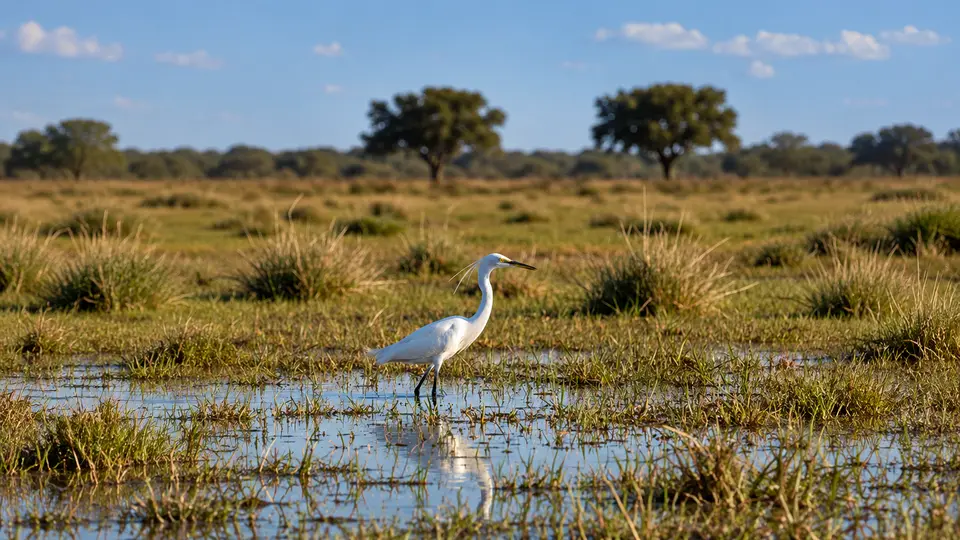
Little Egret in its natural habitat, AI illustration
Size55–65 cm longLifespanNot reliably establishedStatusLeast Concern

Little Egret: where and when to see them

Egretta garzetta

Little Egret at a glance

The little egret is a small white heron of shallow wetlands across much of Europe, Africa and Asia. Its slender black bill and contrasting yellow feet make it recognizable even outside the breeding season. Formerly persecuted for ornamental plumes, it has recovered in many regions and expanded northward in Europe. Coastal lagoons, tidal creeks and rice-growing landscapes provide feeding opportunities, although nesting usually depends on secure trees, shrubs or reedbeds.

Behaviour & reproduction

Size
55–65 cm long
Weight
350–550 g
Lifespan
Not reliably established
Status
Least Concern

An active hunter, the little egret walks briskly through shallows, pauses to watch prey and sometimes stirs sediment with a trembling foot. It may run after fish or spread its wings briefly to influence their movements. Birds often feed alone but gather where food is concentrated. Breeding colonies can include other herons, while communal evening roosts bring individuals together outside the nesting season. Courtship includes raised plumes and ritualized displays. They are highly social birds, especially during breeding season when they form large, often mixed-species, colonies in trees or reedbeds. Post-breeding dispersal can lead individuals to new areas, sometimes far from their natal sites.

Top wildlife locations

Greece wildlife habitat

Greece

Coastal lagoons, saltmarsh channels and river deltas offer plausible shore viewing from public paths and hides. Birds are widespread in suitable wetlands, but nesting islands and reedbed colonies may be inaccessible.

Adventure cruises in Greece
Portugal wildlife habitat

Portugal

Estuarine mudflats, saltpans and lagoon margins provide accessible shore-viewing habitat. Public wetland trails are preferable to entering working saltpans, and colony sites may be closed or inaccessible during breeding.

Adventure cruises in Portugal
Vietnam wildlife habitat

Vietnam

Mangrove margins, tidal channels and coastal rice fields can support shore observation. Some wetlands require a road excursion from coastal accommodation, while soft mud and aquaculture embankments may restrict safe public access.

Adventure cruises in Vietnam

Destinations describe the species' habitat, not guaranteed cruise stops. Some animals require an optional inland excursion or are found in restricted reserves.

Fun facts about the Little Egret

  • Its yellow feet can help disturb concealed prey during foot-stirring.
  • Breeding adults grow two especially long, narrow plumes behind the head.
  • Historical demand for heron plumes contributed to the development of bird-protection movements.
  • Little egrets can feed in both freshwater and seawater.

Best time to see the Little Egret

In Greece and Portugal, resident birds can be watched throughout the year, with migration adding seasonal movement. Vietnam also supports resident and visiting birds. Locally falling tides and manageable water levels often matter more than a particular month for shore observation. In European breeding areas, their numbers swell significantly from March to August as migratory birds arrive. Their presence in Vietnam is generally stable, but some northern populations may move south during winter.

Little Egret: season matrix by destination

Travel and observation windows vary by region. Highlighted months are an orientation for planning, not confirmed sightings or a guarantee of access.

Greece

Year-round wetland observation is plausible; migration and changing water levels alter local numbers.

JanFebMarAprMayJunJulAugSepOctNovDec
Cruise ships in Greece

Portugal

Residents occur year-round; tides and local wetland conditions influence visibility more than a single travel season.

JanFebMarAprMayJunJulAugSepOctNovDec
Cruise ships in Portugal

Vietnam

These months often offer practical travel conditions in southern coastal wetlands; northern and central weather patterns differ, and birds are not limited to this window.

JanFebMarAprMayJunJulAugSepOctNovDec
Cruise ships in Vietnam

Where the Little Egret lives

Little egrets occupy estuaries, saltmarsh creeks, sheltered lagoons, freshwater marshes and shallow lake margins. They also use flooded fields and irrigation channels. Accessible feeding water matters more than salinity, but nearby undisturbed roosting and nesting cover improves habitat quality. Coastal wetlands and river deltas are particularly crucial habitats, supporting significant populations. Human-made habitats like aquaculture ponds are increasingly utilized for foraging.

What the Little Egret eats

Small fish form an important part of the diet, supplemented by shrimps, crabs, aquatic insects, worms and amphibians. Prey composition changes with habitat and water level. Most food is captured by rapid bill strikes in shallow water rather than sustained pursuit. They often hunt by sight, using their excellent visual acuity to detect prey in clear water. Opportunistically, they will also take insects from terrestrial environments adjacent to wetlands.

Species at a glance

Common name
Little Egret
Scientific name
Egretta garzetta
Animal group
Birds
Size
55–65 cm long
Weight
350–550 g
Lifespan
Not reliably established
Status
Least Concern
Identification
Compared with great egret and cattle egret, little egret combines a smaller, slender body with a black bill, black legs and usually conspicuous yellow feet. Juveniles initially have duller, greenish-yellow legs and may lack the prominent plumes of adults. In flight, their slow, deliberate wingbeats and S-shaped neck are characteristic of egrets.

Little Egret: frequently asked questions

Where can I see the Little Egret?
Greece, Portugal, Vietnam. Watch tidal pools or lagoon edges from established paths with binoculars. Avoid approaching colony trees or evening roosts, where disturbance can flush many birds together. Keep dogs controlled and remain back from unstable creek margins. From a cruise deck, watch for their distinctive white plumage against green mangroves or muddy shores. They are often seen singly or in small groups along the water's edge, patiently awaiting prey.
When is the best time to see the Little Egret?
In Greece and Portugal, resident birds can be watched throughout the year, with migration adding seasonal movement. Vietnam also supports resident and visiting birds. Locally falling tides and manageable water levels often matter more than a particular month for shore observation. In European breeding areas, their numbers swell significantly from March to August as migratory birds arrive. Their presence in Vietnam is generally stable, but some northern populations may move south during winter.
How big does the Little Egret get?
55–65 cm long. Adult weight: 350–550 g. Size varies with age, sex and population.
How should I behave around the Little Egret?
Watch tidal pools or lagoon edges from established paths with binoculars. Avoid approaching colony trees or evening roosts, where disturbance can flush many birds together. Keep dogs controlled and remain back from unstable creek margins. From a cruise deck, watch for their distinctive white plumage against green mangroves or muddy shores. They are often seen singly or in small groups along the water's edge, patiently awaiting prey.
What does the Little Egret eat?
Small fish form an important part of the diet, supplemented by shrimps, crabs, aquatic insects, worms and amphibians. Prey composition changes with habitat and water level. Most food is captured by rapid bill strikes in shallow water rather than sustained pursuit. They often hunt by sight, using their excellent visual acuity to detect prey in clear water. Opportunistically, they will also take insects from terrestrial environments adjacent to wetlands.
Are wildlife sightings guaranteed on an adventure cruise?
No. Animals move freely and routes, weather, access restrictions and local conditions influence every outing. Confirm the actual itinerary and shore programme before booking.

Compare wildlife in the same destinations

Explore other birds recorded in these destinations. Similar surroundings do not mean the animals share the same habits or viewing season.

Species comparison by animal group and destination
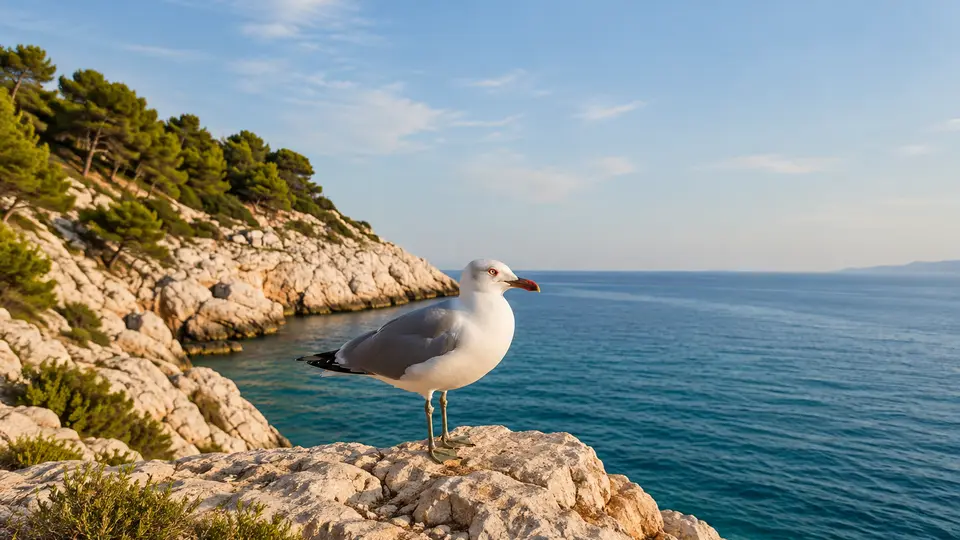
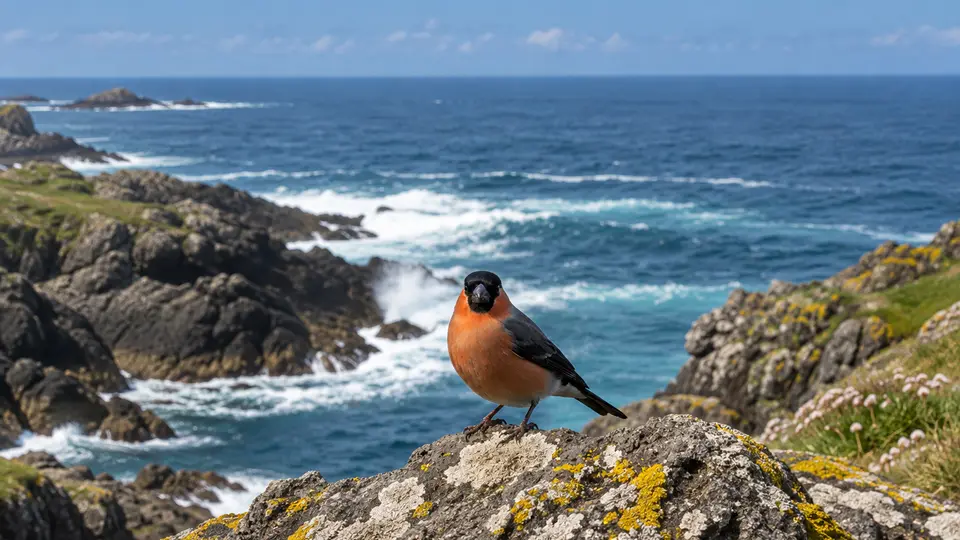
Little EgretLittle EgretAudouin's GullAudouin's GullAzores BullfinchAzores Bullfinch
Animal groupBirdsAnimal groupBirdsAnimal groupBirds
DestinationsGreece, Portugal, VietnamDestinationsCroatia, Greece, Portugal, TurkeyDestinationsPortugal
All wildlife destinations
Plan your trip

Find your next wildlife adventure

Compare destinations, shore programmes and dates with the animals and habitats you would love to see.

  • Naturalist-led shore excursions
  • Responsible wildlife watching
  • Small expedition ships

Newsletter

Take Blue Rides with you

Adventure cruise offers, last-minute deals and trip inspiration.

Free, unsubscribe anytime. Details: Privacy Policy

Partner with Blue Rides

Affiliate Program

Recommend adventure cruises and earn commission on every confirmed booking.

Share. Track. Earn.