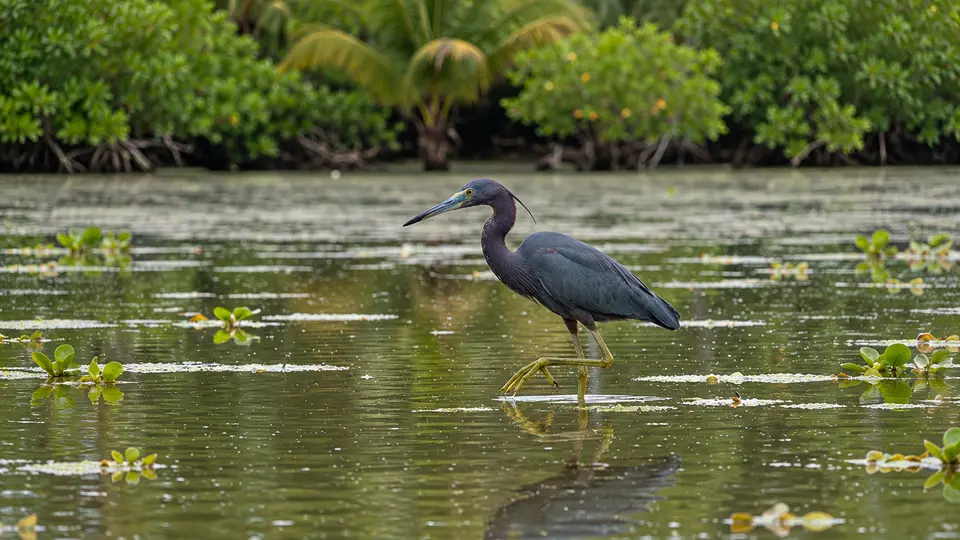
Little Blue Heron in its natural habitatAI-modified

Little Blue HeronEgretta caeruleaWhere and when to see them

Little Blue Heron at a glance

The little blue heron is a slender American wading bird whose appearance changes dramatically with age. Adults are slate blue with a purplish head and neck, whereas juveniles are largely white. Birds undergoing their first transition can look irregularly patched in blue and white. In Costa Rica it uses both coastal and inland wetlands, usually feeding with a quiet, methodical style rather than the energetic foot movements of some egrets.

Behaviour & reproduction

Size
56-74 cm (22-29 in) long
Weight
300-400 g (10.6-14.1 oz)
Lifespan
Not reliably established
Status
Least Concern

Little blue herons typically hunt by walking slowly or standing still, watching closely before delivering a quick strike. They often feed alone but may share productive wetlands with other waders. Breeding occurs in colonies, frequently alongside other heron species, with nests placed in trees or shrubs. White juveniles can associate readily with white egrets, potentially gaining access to feeding groups before developing the darker adult plumage. They sometimes employ a 'foot-stirring' technique to disturb prey hidden in the substrate. While primarily solitary hunters, juveniles may benefit from associating with larger, more experienced white egrets by reducing their own vigilance. Breeding colonies can be quite large, sometimes involving hundreds of individuals across several species, creating a dynamic social environment.

Top wildlife locations

Costa Rica wildlife habitatAI-modified

Costa Rica

Mangrove boardwalks, estuary banks and coastal wetland viewpoints provide plausible shore access on both coasts. Birds also use inland marshes, but no inland excursion is essential where suitable coastal shallows are accessible.
Destinations describe the species' habitat, not guaranteed cruise stops. Some animals require an optional inland excursion or are found in restricted reserves.

Fun facts about the Little Blue Heron

  • Juveniles are white even though adults are predominantly blue.
  • Transitional birds can show conspicuous patches of both plumage colours.
  • It commonly nests in mixed colonies with other herons and egrets.
  • Its two-tone bill is useful when identifying both white juveniles and blue adults.

Best time to see the Little Blue Heron

Costa Rica offers opportunities throughout the year in suitable wetlands. December to April often makes Pacific coastal access easier, but Caribbean rainfall patterns differ. Tidal stage and local water depth can influence feeding visibility more strongly than the broad travel season. Breeding season, typically from March to July in Costa Rica, offers opportunities to observe colonial nesting activity from a distance. During the dry season, receding waters can concentrate prey, making feeding activity more conspicuous. Specific local microclimates along the extensive coastline mean that conditions can vary significantly over short distances.

Little Blue Heron: season matrix by destination

Travel and observation windows vary by region. Highlighted months are an orientation for planning, not confirmed sightings or a guarantee of access.

Costa Rica

These months primarily reflect easier Pacific-side travel. The species occurs year-round, Caribbean weather differs, and tides strongly affect local viewing.

JanFebMarAprMayJunJulAugSepOctNovDec
Cruise ships in Costa Rica

Where the Little Blue Heron lives

Mangrove channels, estuaries, tidal flats, freshwater marshes and shallow pond margins all provide feeding habitat. Sheltered waters with accessible shallows are especially valuable. Nesting requires suitable woody vegetation, often on islands or in flooded areas that limit access by ground predators. They are highly adaptable, utilizing both brackish and freshwater systems, though saline waters tend to support higher population densities. Proximity to dense vegetation provides crucial cover from predators and thermal regulation. These herons are largely non-migratory across most of their range, staying year-round in suitable wetland environments.

What the Little Blue Heron eats

Small fish, crustaceans, aquatic insects and other small wetland animals form the diet. Frogs and other accessible prey are also taken. Its deliberate hunting method suits shallow margins, where it can inspect the water carefully before striking with its pointed bill. Insects like dragonflies, beetles, and grasshoppers are often snatched from vegetation or the water surface. They also consume tadpoles, small snakes, and lizards when available in their wetland foraging areas. Occasionally, they will also stalk and capture small rodents or large insects in damp grassy areas adjacent to water.

Species at a glance

Common name
Little Blue Heron
Scientific name
Egretta caerulea
Animal group
Birds
Size
56-74 cm (22-29 in) long
Weight
300-400 g (10.6-14.1 oz)
Lifespan
Not reliably established
Status
Least Concern
Identification
Adults are uniformly slate blue with a purplish neck and dark-tipped two-tone bill, while white juveniles have greenish legs rather than the snowy egret's black legs and yellow feet. Adults can be distinguished from other dark herons by their relatively small size and the lack of a crest or plumes. Juveniles gradually molt into adult plumage over their first year, often displaying a patchy appearance of white and blue feathers. The adult's two-toned bill features a darker tip with a paler base, distinguishing it from uniform dark-billed species.

Little Blue Heron: frequently asked questions

Where can I see the Little Blue Heron?
Costa Rica. Watch from mangrove boardwalks, estuary viewpoints or wetland paths without entering nesting vegetation. Keep a steady distance from feeding birds, and avoid muddy banks where retreating herons may lose access to productive shallows. Their relatively calm demeanor often allows for prolonged observation when approached slowly and quietly. Binoculars are essential for appreciating their subtle plumage colors and precise hunting techniques from a distance. Look for them perching low over water or on exposed roots, patiently scanning for movement.
When is the best time to see the Little Blue Heron?
Costa Rica offers opportunities throughout the year in suitable wetlands. December to April often makes Pacific coastal access easier, but Caribbean rainfall patterns differ. Tidal stage and local water depth can influence feeding visibility more strongly than the broad travel season. Breeding season, typically from March to July in Costa Rica, offers opportunities to observe colonial nesting activity from a distance. During the dry season, receding waters can concentrate prey, making feeding activity more conspicuous. Specific local microclimates along the extensive coastline mean that conditions can vary significantly over short distances.
How big does the Little Blue Heron get?
56-74 cm (22-29 in) long. Adult weight: 300-400 g (10.6-14.1 oz). Size varies with age, sex and population.
How should I behave around the Little Blue Heron?
Watch from mangrove boardwalks, estuary viewpoints or wetland paths without entering nesting vegetation. Keep a steady distance from feeding birds, and avoid muddy banks where retreating herons may lose access to productive shallows. Their relatively calm demeanor often allows for prolonged observation when approached slowly and quietly. Binoculars are essential for appreciating their subtle plumage colors and precise hunting techniques from a distance. Look for them perching low over water or on exposed roots, patiently scanning for movement.
What does the Little Blue Heron eat?
Small fish, crustaceans, aquatic insects and other small wetland animals form the diet. Frogs and other accessible prey are also taken. Its deliberate hunting method suits shallow margins, where it can inspect the water carefully before striking with its pointed bill. Insects like dragonflies, beetles, and grasshoppers are often snatched from vegetation or the water surface. They also consume tadpoles, small snakes, and lizards when available in their wetland foraging areas. Occasionally, they will also stalk and capture small rodents or large insects in damp grassy areas adjacent to water.
Are wildlife sightings guaranteed on an adventure cruise?
No. Animals move freely and routes, weather, access restrictions and local conditions influence every outing. Confirm the actual itinerary and shore program before booking.

Compare wildlife in the same destinations

Explore other birds recorded in these destinations. Similar surroundings do not mean the animals share the same habits or viewing season.

Species comparison by animal group and destination
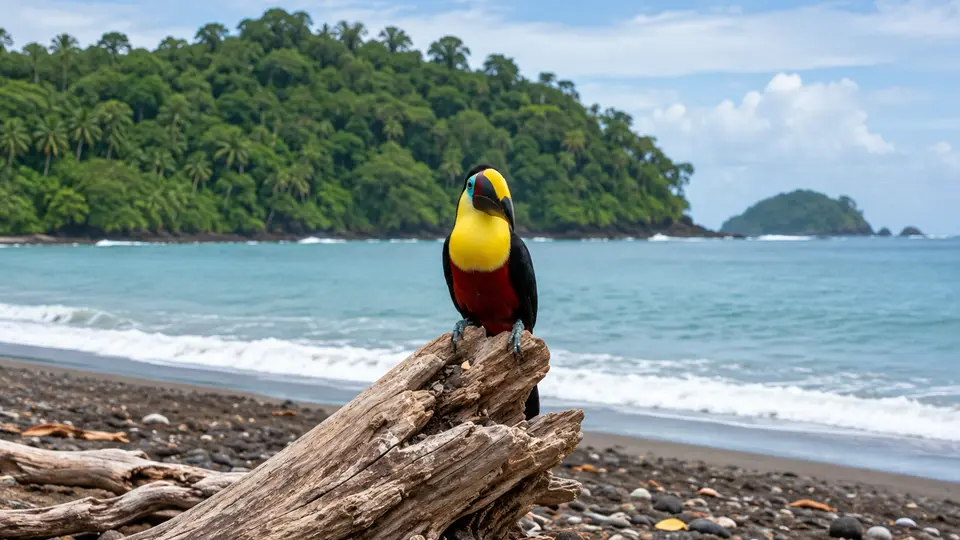
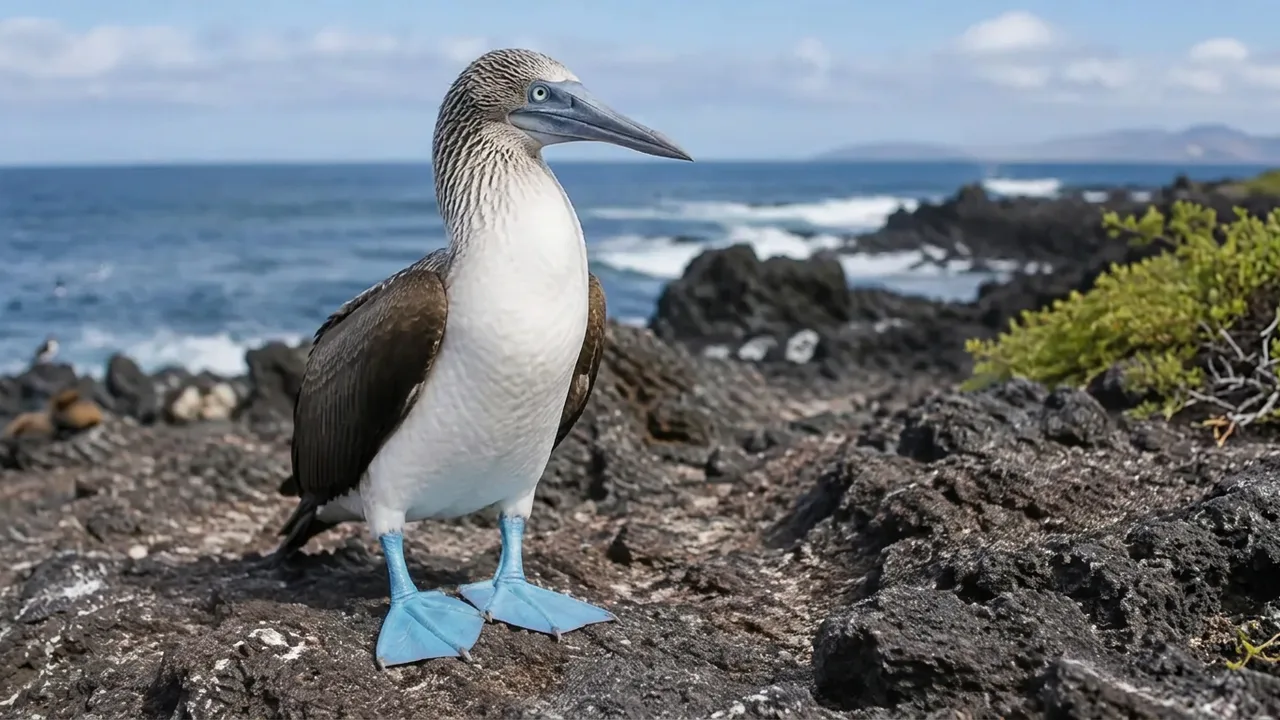
Little Blue HeronAI-modifiedLittle Blue HeronBlack-mandibled ToucanAI-modifiedBlack-mandibled ToucanBlue-footed BoobyAI-modifiedBlue-footed Booby
Animal groupBirdsAnimal groupBirdsAnimal groupBirds
DestinationsCosta RicaDestinationsCosta RicaDestinationsCosta Rica, Galapagos, Mexico
Scientific nameEgretta caeruleaScientific nameScientific name
All wildlife destinations
AI-modified
Plan your trip

Find your next wildlife adventure

Compare destinations, shore programs and dates with the animals and habitats you would love to see.

  • Naturalist-led shore excursions
  • Responsible wildlife watching
  • Small expedition ships