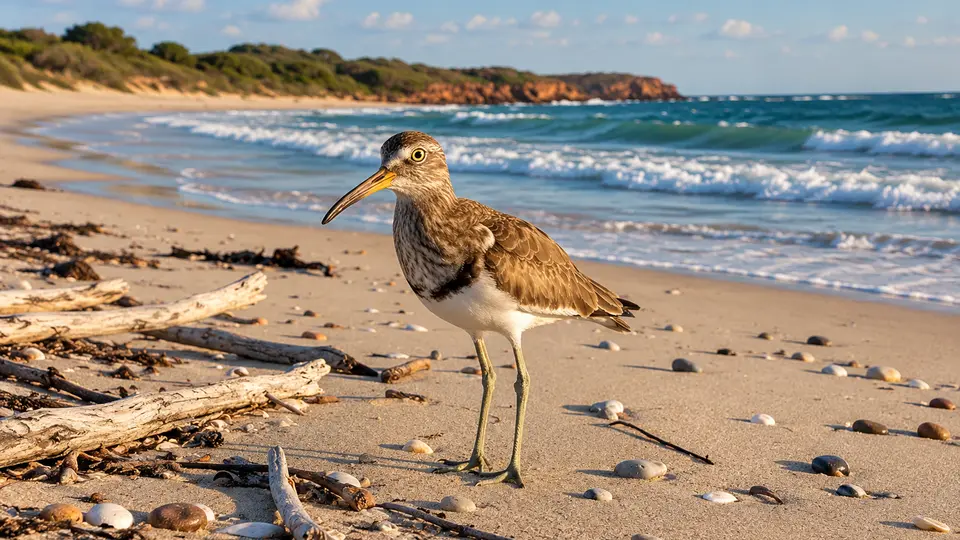
Australian pelican in its natural habitat, AI illustration

Australian pelican: where and when to see them

Pelecanus conspicillatus

Australian pelican at a glance

The Australian pelican is a huge black-and-white waterbird with a remarkably long bill and expandable throat pouch. It is familiar around many Australian coasts, estuaries and inland lakes, yet its movements can be highly responsive to rainfall. Large breeding concentrations may develop far inland after flooding creates abundant food. Coastal birds are therefore part of a mobile population rather than necessarily belonging to a permanent local breeding colony.

Behaviour & reproduction

Size
1.6–1.9 m long
Weight
4–7 kg
Lifespan
Not reliably established
Status
Least Concern

Pelicans spend substantial time resting on sandbars, shorelines and other open sites, then travel between feeding areas using powerful flight and thermal soaring. Groups sometimes cooperate to herd fish into shallow water before scooping them up. Breeding is colonial, with nests placed on the ground in relatively secure locations. Inland flood events can draw birds across great distances, while coastal numbers change as individuals respond to food, water levels and breeding opportunities. Courtship displays involve the male flying in wide circles around the female, sometimes with groups performing synchronized aerial maneuvers. They communicate using a range of deep grunts and soft claps of their bills, especially within a colony.

Top wildlife locations

Australia wildlife habitat

Australia

Public estuary paths, lagoon edges and sheltered coastal foreshores provide widespread viewing possibilities without an inland excursion. Major breeding events may instead occur at remote inland lakes, where access can be difficult or restricted.

Adventure cruises in Australia
Destinations describe the species' habitat, not guaranteed cruise stops. Some animals require an optional inland excursion or are found in restricted reserves.

Fun facts about the Australian pelican

  • Its bill is among the longest of any living bird.
  • The throat pouch is a fishing tool, not a permanent food-storage bag.
  • Groups can cooperate to concentrate fish in shallow water.
  • Major inland floods can trigger breeding far from the coast.

Best time to see the Australian pelican

Coastal observation is possible throughout the year in much of Australia. There is no single national breeding or viewing season because rainfall and inland flooding redistribute birds. Choose comfortable local weather and check recent wetland conditions rather than assuming summer always brings larger gatherings. In arid regions, large congregations are strongly linked to inland flooding and subsequent population booms of fish and crustaceans. During prolonged droughts, pelicans may concentrate in permanent coastal estuaries or large inland reservoirs.

Australian pelican: season matrix by destination

Travel and observation windows vary by region. Highlighted months are an orientation for planning, not confirmed sightings or a guarantee of access.

Australia

Suitable coastal habitat can hold pelicans year-round; rainfall-driven movements mean local abundance and breeding cannot be predicted from month alone.

JanFebMarAprMayJunJulAugSepOctNovDec
Cruise ships in Australia

Where the Australian pelican lives

This species uses estuaries, coastal lagoons, sheltered bays, rivers, reservoirs and inland floodwaters. It needs productive feeding areas and undisturbed places to rest or nest. Open sandbars and low islands are useful, but feeding birds may also appear around harbours and urban waterfronts. They are highly nomadic and often travel extensively to exploit ephemeral wetlands after rainfall. While adaptable, they prefer freshwater environments over saline coastal habitats when available for breeding and sustained foraging.

What the Australian pelican eats

Fish form the bulk of the diet, captured with the bill and pouch before excess water drains away. Crustaceans and other aquatic animals are also eaten. Pelicans occasionally take birds or scavenge, but feeding them scraps can cause injury, poor nutrition and dangerous dependence. The pelican's large gular pouch is primarily used as a scoop to trap fish, not for storage. They are opportunistic predators, and their diet can include frogs, turtles, and even small ducklings when other food sources are scarce.

Species at a glance

Common name
Australian pelican
Scientific name
Pelecanus conspicillatus
Animal group
Birds
Size
1.6–1.9 m long
Weight
4–7 kg
Lifespan
Not reliably established
Status
Least Concern
Identification
The combination of black wings, white body, enormous pale bill and bare yellow eye-ring distinguishes it from the predominantly pale-winged great white pelican. Juvenile pelicans exhibit a duller plumage, often with a brownish tinge to their black wing feathers, before developing the stark adult contrast. The pale bill can display a pinkish hue, especially during the breeding season.

Australian pelican: frequently asked questions

Where can I see the Australian pelican?
Australia. Watch resting or feeding birds from a public shoreline without blocking their approach to water. Do not offer fish scraps or leave hooks and line behind. Give colonies ample space and keep dogs controlled. Observe these magnificent birds from a distance to avoid causing disturbance, particularly when they are nesting or feeding young. Binoculars or a spotting scope will enhance details of their plumage and foraging strategies without encroaching on their space.
When is the best time to see the Australian pelican?
Coastal observation is possible throughout the year in much of Australia. There is no single national breeding or viewing season because rainfall and inland flooding redistribute birds. Choose comfortable local weather and check recent wetland conditions rather than assuming summer always brings larger gatherings. In arid regions, large congregations are strongly linked to inland flooding and subsequent population booms of fish and crustaceans. During prolonged droughts, pelicans may concentrate in permanent coastal estuaries or large inland reservoirs.
How big does the Australian pelican get?
1.6–1.9 m long. Adult weight: 4–7 kg. Size varies with age, sex and population.
How should I behave around the Australian pelican?
Watch resting or feeding birds from a public shoreline without blocking their approach to water. Do not offer fish scraps or leave hooks and line behind. Give colonies ample space and keep dogs controlled. Observe these magnificent birds from a distance to avoid causing disturbance, particularly when they are nesting or feeding young. Binoculars or a spotting scope will enhance details of their plumage and foraging strategies without encroaching on their space.
What does the Australian pelican eat?
Fish form the bulk of the diet, captured with the bill and pouch before excess water drains away. Crustaceans and other aquatic animals are also eaten. Pelicans occasionally take birds or scavenge, but feeding them scraps can cause injury, poor nutrition and dangerous dependence. The pelican's large gular pouch is primarily used as a scoop to trap fish, not for storage. They are opportunistic predators, and their diet can include frogs, turtles, and even small ducklings when other food sources are scarce.
Are wildlife sightings guaranteed on an adventure cruise?
No. Animals move freely and routes, weather, access restrictions and local conditions influence every outing. Confirm the actual itinerary and shore programme before booking.

Compare wildlife in the same destinations

Explore other birds recorded in these destinations. Similar surroundings do not mean the animals share the same habits or viewing season.

Species comparison by animal group and destination
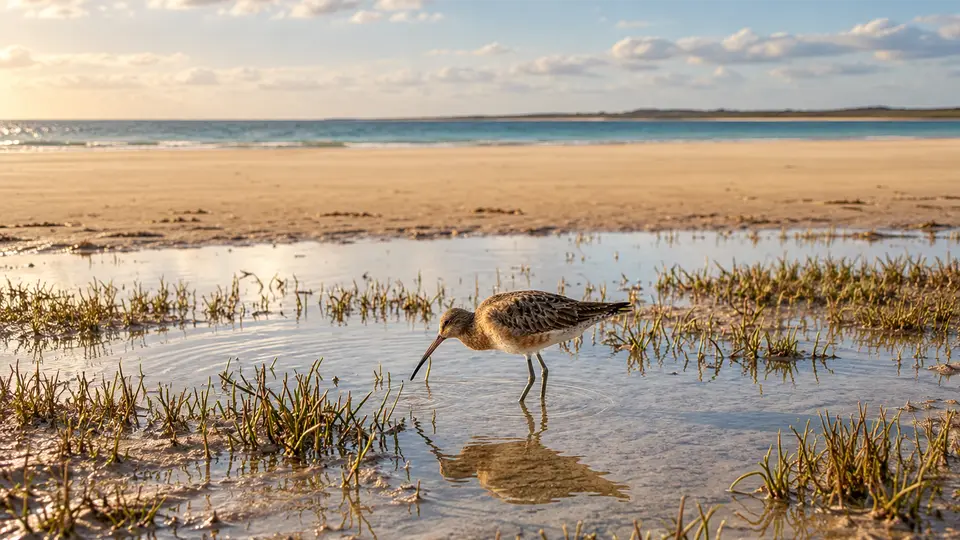
Australian pelicanAustralian pelicanBar-tailed godwitBar-tailed godwitBeach stone-curlewBeach stone-curlew
Animal groupBirdsAnimal groupBirdsAnimal groupBirds
DestinationsAustraliaDestinationsAustralia, New ZealandDestinationsAustralia
All wildlife destinations
Plan your trip

Find your next wildlife adventure

Compare destinations, shore programmes and dates with the animals and habitats you would love to see.

  • Naturalist-led shore excursions
  • Responsible wildlife watching
  • Small expedition ships

Newsletter

Take Blue Rides with you

Adventure cruise offers, last-minute deals and trip inspiration.

Free, unsubscribe anytime. Details: Privacy Policy

Partner with Blue Rides

Affiliate Program

Recommend adventure cruises and earn commission on every confirmed booking.

Share. Track. Earn.