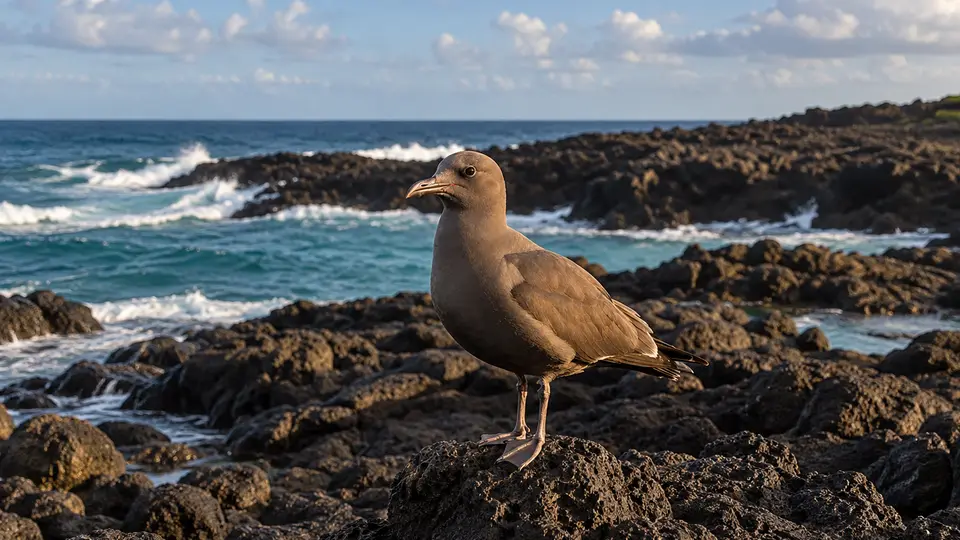
Lava Gull in its natural habitat, AI illustration
Size51–55 cm longLifespanNot reliably establishedStatusVulnerable

Lava Gull: where and when to see them

Leucophaeus fuliginosus

Lava Gull at a glance

The lava gull is a dark-plumaged gull found only in the Galápagos Islands. Its small global population and coastal habits make it a notable endemic, although it is not present at every visitor beach. Sooty feathers blend surprisingly well with volcanic shorelines, while pale eye crescents add contrast to the face. Unlike many familiar gulls, it usually breeds in widely separated pairs rather than forming densely packed nesting colonies.

Behaviour & reproduction

Size
51–55 cm long
Weight
About 380 g
Lifespan
Not reliably established
Status
Vulnerable

Lava gulls patrol beaches, harbor margins and rocky shores, walking methodically or making short flights between feeding patches. They are opportunistic and may investigate food left by other animals. Breeding pairs defend stretches of coast, using calls and displays to discourage intruders. Nests are placed on the ground, sometimes among sparse vegetation. Their scattered nesting pattern means a quiet-looking beach can still contain a vulnerable nest or a concealed chick. They are considered solitary nesters, typically forming loose pairs rather than dense colonies, which contributes to their scattered nesting pattern. Their territorial displays often involve a distinctive 'long call' posture where the head is thrown back. Adults are known to vigorously defend their nesting sites against perceived threats, including other gulls and larger birds.

Top wildlife locations

Galapagos wildlife habitat

Galapagos

Permitted beaches, sheltered harbor edges and low lava shorelines offer suitable shore-viewing habitat. Birds are scarce and unevenly distributed, and any nesting area may require extra distance or temporary exclusion.

Adventure cruises in Galapagos
Destinations describe the species' habitat, not guaranteed cruise stops. Some animals require an optional inland excursion or are found in restricted reserves.

Fun facts about the Lava Gull

  • It is among the world's rarest gulls.
  • Its entire natural range lies within the Galápagos archipelago.
  • Pairs generally nest separately rather than in dense gull colonies.
  • The inside of the mouth is vividly colored and becomes visible during calling displays.

Best time to see the Lava Gull

Lava gulls are resident and may be encountered in any month at suitable occupied shores. Nesting is not neatly restricted to one archipelago-wide season. Visitor conditions and local beach access are therefore more useful planning factors than a claimed annual gull peak. While breeding occurs year-round, there are slight peaks in activity during the cooler, drier season (June to December), which might offer more opportunities to observe nesting behavior. Observing young birds or fledglings can also be a good indicator of recent nesting activity. Their presence is generally consistent, making them a reliable sighting on coastal excursions.

Lava Gull: season matrix by destination

Travel and observation windows vary by region. Highlighted months are an orientation for planning, not confirmed sightings or a guarantee of access.

Galapagos

These months indicate year-round resident potential and visitor access, not guaranteed sightings or a single defined breeding season.

JanFebMarAprMayJunJulAugSepOctNovDec
Cruise ships in Galapagos

Where the Lava Gull lives

They occupy sandy beaches, lava shorelines, sheltered bays and coastal lagoons, often remaining close to the sea. Nesting requires relatively undisturbed ground near feeding areas. Human waterfronts may attract birds, but waste and introduced predators create additional risks. They are endemic to the Galapagos Archipelago, found on most major islands within the central and western parts of the group. Despite their name, they are not exclusive to lava formations, utilizing various coastal terrains suitable for foraging and nesting. Their reliance on coastal areas means they rarely venture far inland.

What the Lava Gull eats

Food includes small fish, crustaceans, other shoreline invertebrates, carrion and scraps. Lava gulls also take eggs or young animals opportunistically. They gather food along the water's edge and at the surface rather than relying on deep pursuit. In addition to natural food sources, they are known to scavenge human refuse, which can be a significant food source near settlements. This adaptability allows them to exploit a wider range of food opportunities compared to more specialized coastal birds. They have also been observed preying on seabird eggs and hatchlings when available.

Species at a glance

Common name
Lava Gull
Scientific name
Leucophaeus fuliginosus
Animal group
Birds
Size
51–55 cm long
Weight
About 380 g
Lifespan
Not reliably established
Status
Vulnerable
Identification
The uniformly dark adult plumage and pale eye crescents distinguish it from the paler, white-bellied swallow-tailed gull with its conspicuous red eye ring. The lava gull is the rarest gull in the world, a key identification point being its dark, sooty-brown plumage that can appear almost black in some light. Juveniles are even darker, with a more mottled appearance, and lack the adult's pale eye crescent. Their distinctive call, a low 'krow-krow' or 'whew', can also aid in identification, especially when visibility is poor.

Lava Gull: frequently asked questions

Where can I see the Lava Gull?
Galapagos. Scan beaches before walking onto open sand, and retreat if a gull alarms repeatedly. Keep away from nests and chicks, never feed birds, and follow all guide-imposed shoreline boundaries. Be mindful that these gulls are highly territorial during breeding, and approaching too closely can cause stress to the parents and expose their nests to predators. Use binoculars for close observations to minimize disturbance and ensure you adhere to all park regulations regarding wildlife viewing distances. Their camouflaged chicks can be almost invisible against volcanic rock, so extreme caution is warranted when walking on beaches.
When is the best time to see the Lava Gull?
Lava gulls are resident and may be encountered in any month at suitable occupied shores. Nesting is not neatly restricted to one archipelago-wide season. Visitor conditions and local beach access are therefore more useful planning factors than a claimed annual gull peak. While breeding occurs year-round, there are slight peaks in activity during the cooler, drier season (June to December), which might offer more opportunities to observe nesting behavior. Observing young birds or fledglings can also be a good indicator of recent nesting activity. Their presence is generally consistent, making them a reliable sighting on coastal excursions.
How big does the Lava Gull get?
51–55 cm long. Adult weight: About 380 g. Size varies with age, sex and population.
How should I behave around the Lava Gull?
Scan beaches before walking onto open sand, and retreat if a gull alarms repeatedly. Keep away from nests and chicks, never feed birds, and follow all guide-imposed shoreline boundaries. Be mindful that these gulls are highly territorial during breeding, and approaching too closely can cause stress to the parents and expose their nests to predators. Use binoculars for close observations to minimize disturbance and ensure you adhere to all park regulations regarding wildlife viewing distances. Their camouflaged chicks can be almost invisible against volcanic rock, so extreme caution is warranted when walking on beaches.
What does the Lava Gull eat?
Food includes small fish, crustaceans, other shoreline invertebrates, carrion and scraps. Lava gulls also take eggs or young animals opportunistically. They gather food along the water's edge and at the surface rather than relying on deep pursuit. In addition to natural food sources, they are known to scavenge human refuse, which can be a significant food source near settlements. This adaptability allows them to exploit a wider range of food opportunities compared to more specialized coastal birds. They have also been observed preying on seabird eggs and hatchlings when available.
Are wildlife sightings guaranteed on an adventure cruise?
No. Animals move freely and routes, weather, access restrictions and local conditions influence every outing. Confirm the actual itinerary and shore programme before booking.

Compare wildlife in the same destinations

Explore other birds recorded in these destinations. Similar surroundings do not mean the animals share the same habits or viewing season.

Species comparison by animal group and destination
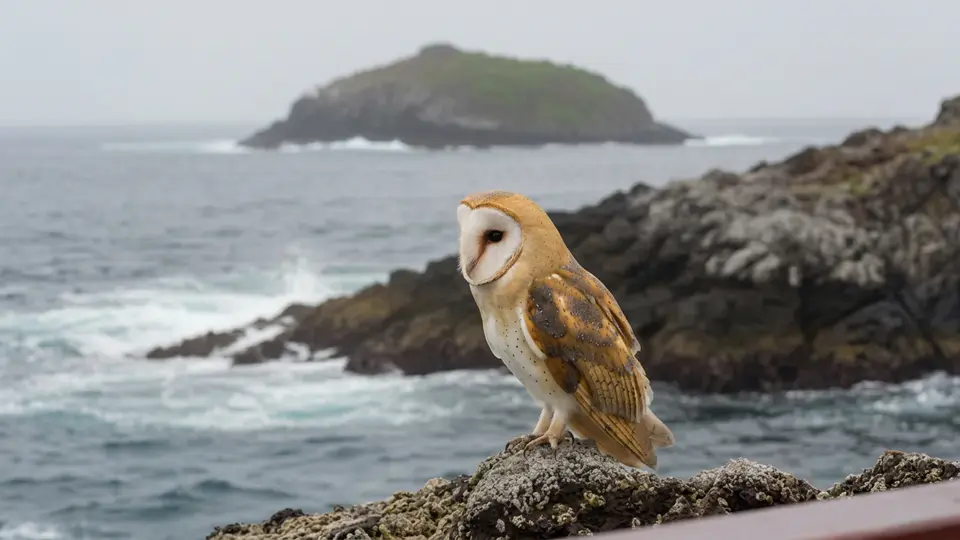
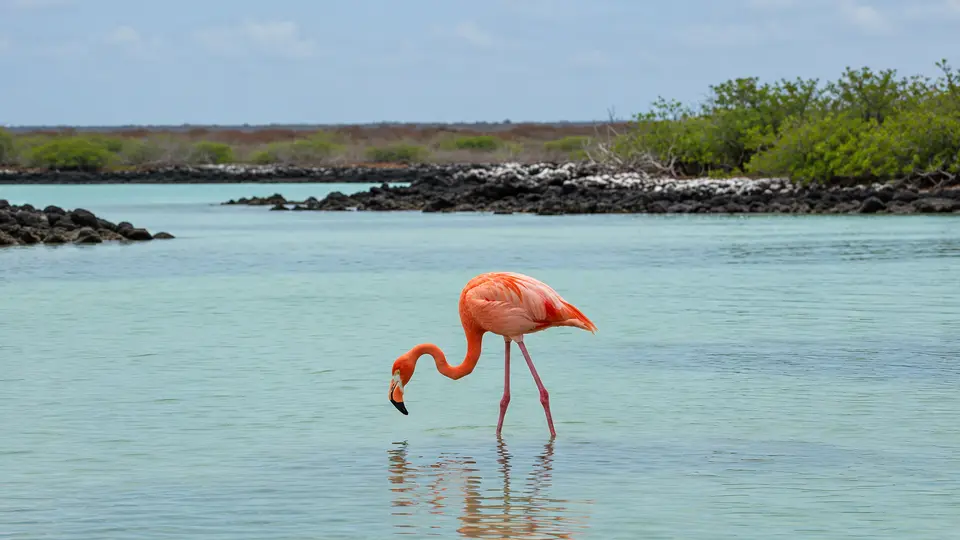
Lava GullLava GullAmerican FlamingoAmerican FlamingoBarn OwlBarn Owl
Animal groupBirdsAnimal groupBirdsAnimal groupBirds
DestinationsGalapagosDestinationsGalapagos, MexicoDestinationsGalapagos
All wildlife destinations
Plan your trip

Find your next wildlife adventure

Compare destinations, shore programmes and dates with the animals and habitats you would love to see.

  • Naturalist-led shore excursions
  • Responsible wildlife watching
  • Small expedition ships

Newsletter

Take Blue Rides with you

Adventure cruise offers, last-minute deals and trip inspiration.

Free, unsubscribe anytime. Details: Privacy Policy

Partner with Blue Rides

Affiliate Program

Recommend adventure cruises and earn commission on every confirmed booking.

Share. Track. Earn.