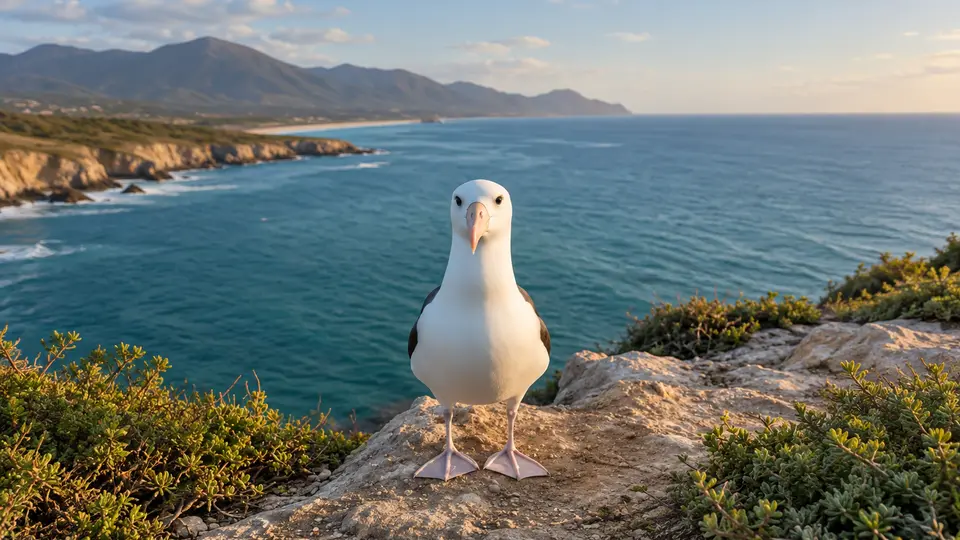
Laysan Albatross in its natural habitatAI-modified

Laysan AlbatrossPhoebastria immutabilisWhere and when to see them

Laysan Albatross at a glance

The Laysan albatross is a wide-ranging North Pacific seabird with a white head and body, dark upperwings and a distinctive shadow around the eye. Most breed in the Hawaiian archipelago, but smaller colonies occur elsewhere, including Mexican islands. Adults spend much of their lives far from land, returning to terrestrial colonies to raise a single chick. Long lives and slow reproduction make adult survival especially important to population stability.

Behaviour & reproduction

Size
79–81 cm (31.1–31.9 in) long; 1.9–2.1 m (6.2–6.9 ft) wingspan
Weight
2.4–4.1 kg (5.3–9.0 lb)
Lifespan
Often 40–60+ years
Status
Near Threatened

At sea, Laysan albatrosses exploit wind gradients to travel long distances with relatively little flapping. On breeding grounds, pairs perform coordinated displays involving bill movements, calls and elaborate postures. Both parents share incubation and chick provisioning, alternating colony attendance with lengthy feeding trips. Young birds spend years at sea before breeding. A failed nesting attempt cannot be quickly replaced, making disturbance and accidental adult mortality particularly consequential for this slow-breeding species. Courtship displays, known as 'dances,' are complex and can involve synchronized head bobs, bill fencing, and mutual preening. After fledging, juvenile albatrosses spend 3-5 years continuously at sea, honing their foraging skills before returning to land. Their impressive longevity, with some individuals living over 60 years, underscores the importance of protecting breeding adults from mortality events.

Top wildlife locations

Mexico wildlife habitatAI-modified

Mexico

Remote Pacific islands support colonies, but these are restricted and not standard landings. Distant deck observation or scanning from exposed Baja California coastal lookouts is more appropriate, with shore sightings rare.
Destinations describe the species' habitat, not guaranteed cruise stops. Some animals require an optional inland excursion or are found in restricted reserves.

Fun facts about the Laysan Albatross

  • A banded female named Wisdom has demonstrated survival beyond 70 years.
  • Pairs usually raise only one chick in a breeding attempt.
  • Dynamic soaring lets the bird harvest energy from wind differences above waves.
  • Small breeding populations have become established on Mexican Pacific islands.

Best time to see the Laysan Albatross

The breeding cycle broadly brings adults to colonies from late autumn into summer. For Mexico, this does not translate into routine colony visits because access is restricted. Winter and spring can suit distant northern Pacific observations, but shore records remain unpredictable. Outside of the breeding season, individuals can be sighted year-round in their pelagic range, though often far from land. Peak non-breeding season sightings from research vessels in offshore waters generally occur during summer and early autumn. For adventure cruises, winter and spring offer the best chance to see these birds in pelagic waters as they commute to and from breeding sites.

Laysan Albatross: season matrix by destination

Travel and observation windows vary by region. Highlighted months are an orientation for planning, not confirmed sightings or a guarantee of access.

Mexico

This broadly overlaps colony attendance and practical northern Pacific birdwatching periods; it does not imply island access or reliable sightings from Mexican shores.

JanFebMarAprMayJunJulAugSepOctNovDec
Cruise ships in Mexico

Where the Laysan Albatross lives

This is primarily an oceanic bird of the North Pacific, using productive waters far beyond ordinary shore-viewing range. Breeding colonies occupy open island ground. Mexican colonies occur on remote islands where conservation restrictions sharply limit ordinary visitor access. The species ranges widely across the North Pacific, primarily between 25°N and 50°N latitude. Non-breeding birds frequently forage along the continental shelf and slope waters, often congregating around areas of high productivity. While some non-breeding individuals may be found near continental shorelines, established breeding colonies are strictly insular.

What the Laysan Albatross eats

Squid, fish eggs, fish and crustaceans form the diet, with much food taken at the surface. Some feeding occurs at night when prey becomes more accessible. Floating plastic can be mistaken for food and delivered to chicks. In addition to natural prey, they are known to consume discarded fishing offal, especially around active fishing vessels. They possess a keen sense of smell, which helps them locate food sources over vast ocean expanses. While primarily surface feeders, they can make shallow dives to pursue prey just beneath the water's surface.

Species at a glance

Common name
Laysan Albatross
Scientific name
Phoebastria immutabilis
Animal group
Birds
Size
79–81 cm (31.1–31.9 in) long; 1.9–2.1 m (6.2–6.9 ft) wingspan
Weight
2.4–4.1 kg (5.3–9.0 lb)
Lifespan
Often 40–60+ years
Status
Near Threatened
Identification
Its white head and body with dark upperwings distinguish it from the mostly dark black-footed albatross, while the dark eye patch helps separate it from other pale albatrosses. The Laysan albatross exhibits a distinctive flight pattern, characterized by long glides interspersed with occasional powerful wingbeats. Adults typically have a pinkish bill with a dark tip, further aiding identification from other albatross species. The underwing is mostly white with dark margins, especially prominent along the primary coverts and tips.

Laysan Albatross: frequently asked questions

Where can I see the Laysan Albatross?
Mexico. Use binoculars from a safe coastal lookout or a permitted vessel deck. Never enter restricted colonies or attract birds with food; remain behind barriers and avoid exposed edges in strong wind. When viewing from a vessel, scanning the horizon with binoculars can reveal distant birds effortlessly gliding on air currents. Look for them following ships, as they may be attracted to discarded fish or upwellings created by the hull. Always maintain a respectful distance from any albatross encountered at sea to avoid disturbing their natural foraging or resting patterns.
When is the best time to see the Laysan Albatross?
The breeding cycle broadly brings adults to colonies from late autumn into summer. For Mexico, this does not translate into routine colony visits because access is restricted. Winter and spring can suit distant northern Pacific observations, but shore records remain unpredictable. Outside of the breeding season, individuals can be sighted year-round in their pelagic range, though often far from land. Peak non-breeding season sightings from research vessels in offshore waters generally occur during summer and early autumn. For adventure cruises, winter and spring offer the best chance to see these birds in pelagic waters as they commute to and from breeding sites.
How big does the Laysan Albatross get?
79–81 cm (31.1–31.9 in) long; 1.9–2.1 m (6.2–6.9 ft) wingspan. Adult weight: 2.4–4.1 kg (5.3–9.0 lb). Size varies with age, sex and population.
How should I behave around the Laysan Albatross?
Use binoculars from a safe coastal lookout or a permitted vessel deck. Never enter restricted colonies or attract birds with food; remain behind barriers and avoid exposed edges in strong wind. When viewing from a vessel, scanning the horizon with binoculars can reveal distant birds effortlessly gliding on air currents. Look for them following ships, as they may be attracted to discarded fish or upwellings created by the hull. Always maintain a respectful distance from any albatross encountered at sea to avoid disturbing their natural foraging or resting patterns.
What does the Laysan Albatross eat?
Squid, fish eggs, fish and crustaceans form the diet, with much food taken at the surface. Some feeding occurs at night when prey becomes more accessible. Floating plastic can be mistaken for food and delivered to chicks. In addition to natural prey, they are known to consume discarded fishing offal, especially around active fishing vessels. They possess a keen sense of smell, which helps them locate food sources over vast ocean expanses. While primarily surface feeders, they can make shallow dives to pursue prey just beneath the water's surface.
Are wildlife sightings guaranteed on an adventure cruise?
No. Animals move freely and routes, weather, access restrictions and local conditions influence every outing. Confirm the actual itinerary and shore program before booking.

Compare wildlife in the same destinations

Explore other birds recorded in these destinations. Similar surroundings do not mean the animals share the same habits or viewing season.

Species comparison by animal group and destination
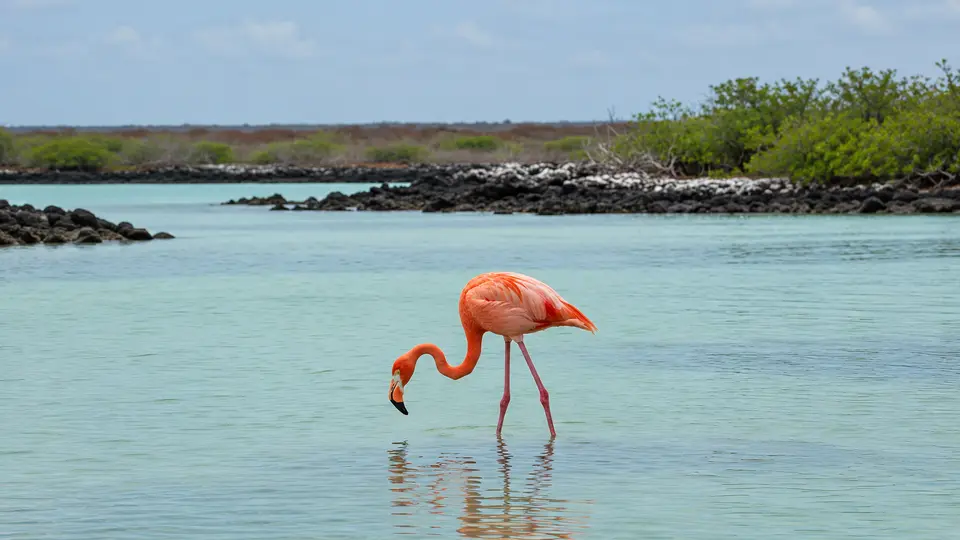
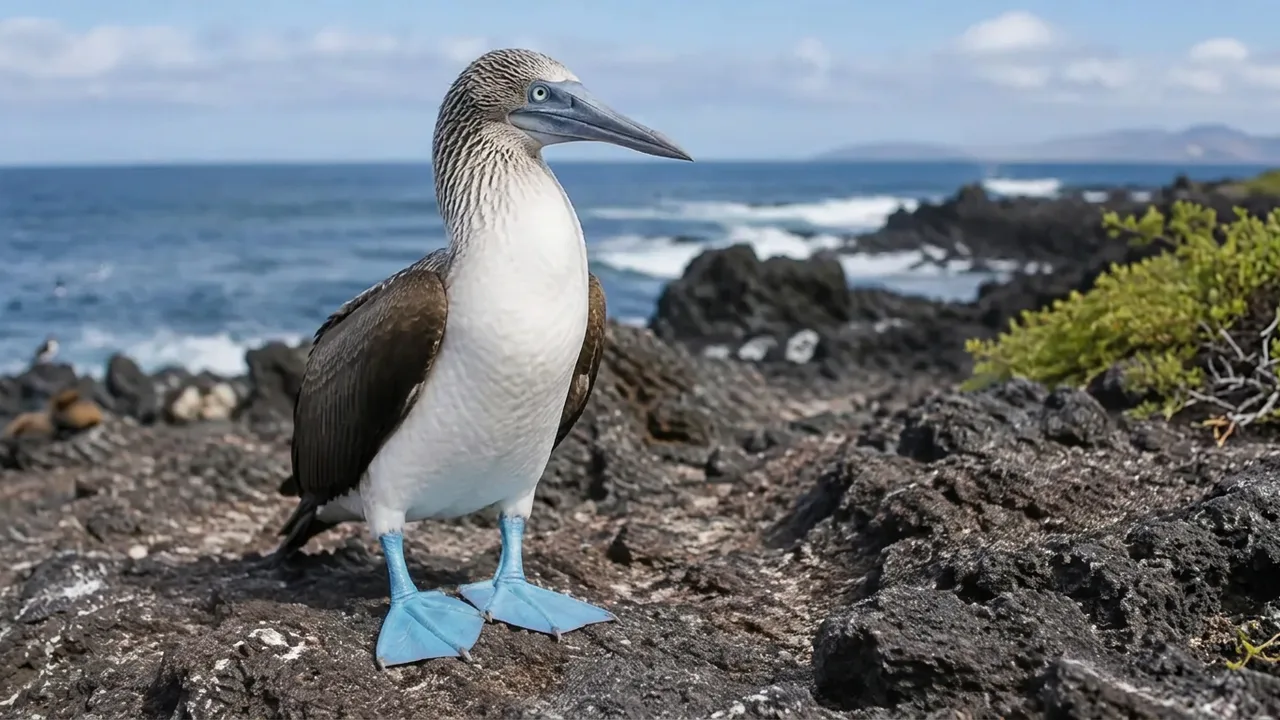
Laysan AlbatrossAI-modifiedLaysan AlbatrossAmerican FlamingoAI-modifiedAmerican FlamingoBlue-footed BoobyAI-modifiedBlue-footed Booby
Animal groupBirdsAnimal groupBirdsAnimal groupBirds
DestinationsMexicoDestinationsGalapagos, MexicoDestinationsCosta Rica, Galapagos, Mexico
Scientific namePhoebastria immutabilisScientific nameScientific name
All wildlife destinations
AI-modified
Plan your trip

Find your next wildlife adventure

Compare destinations, shore programs and dates with the animals and habitats you would love to see.

  • Naturalist-led shore excursions
  • Responsible wildlife watching
  • Small expedition ships