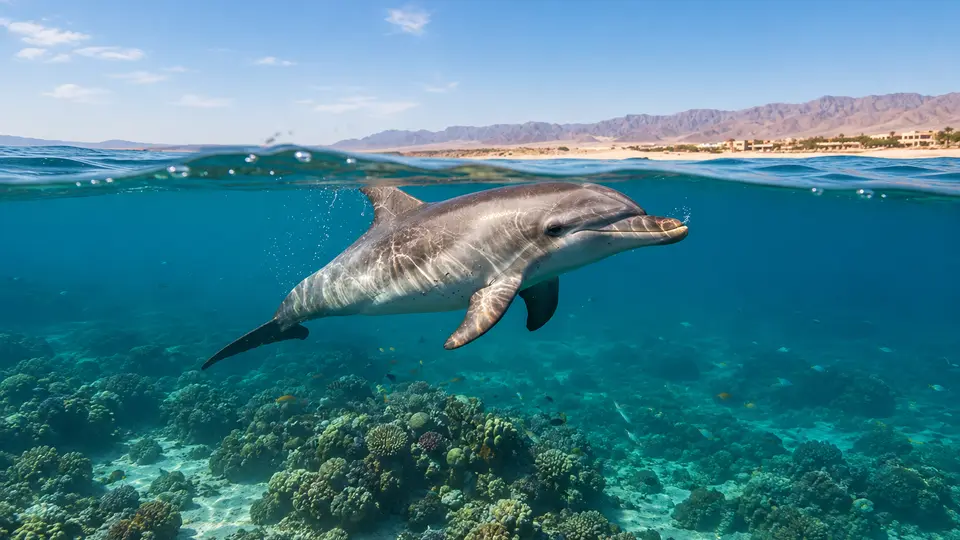
Indo-Pacific Bottlenose Dolphin in its natural habitat, AI illustration
Size1.9–2.6 m longLifespan30–50 yearsStatusNear Threatened

Indo-Pacific Bottlenose Dolphin: where and when to see them

Tursiops aduncus

Indo-Pacific Bottlenose Dolphin at a glance

The Indo-Pacific bottlenose dolphin is a coastal marine mammal distributed through warm parts of the Indian and western Pacific oceans, including the Red Sea. It is closely related to the common bottlenose dolphin but generally smaller and more slender. Many populations remain associated with particular coastal areas, making local disturbance and habitat degradation especially important. Its intelligence and social flexibility do not make close human interaction harmless or desirable.

Behaviour & reproduction

Size
1.9–2.6 m long
Weight
150–230 kg
Lifespan
30–50 years
Status
Near Threatened

Groups change membership through time, with individuals maintaining some long-term relationships within a flexible social system. Dolphins coordinate movement, communicate through whistles and clicks, and use echolocation to locate prey. Feeding methods vary locally and may reflect learned traditions. Mothers invest several years in their calves. Resting groups can remain active at the surface while moving slowly, so apparently approachable animals may actually be engaged in essential undisturbed rest. Social groups typically consist of 2 to 20 individuals, although larger aggregations can occur in areas with abundant food. They engage in various surface behaviors including breaching, tail slapping, and porpoising, which can be indicators of social interaction or travel.

Top wildlife locations

Egypt wildlife habitat

Egypt

Red Sea coastal viewpoints overlooking sheltered bays and reef channels offer possible distant observations. Many resting areas are offshore or regulated, and shore sightings are variable rather than a standard beach attraction.

Adventure cruises in Egypt
Destinations describe the species' habitat, not guaranteed cruise stops. Some animals require an optional inland excursion or are found in restricted reserves.

Fun facts about the Indo-Pacific Bottlenose Dolphin

  • Many adults develop dark spotting on the belly as they mature.
  • Individuals can be recognised from distinctive dorsal-fin nicks and scars.
  • Some populations use culturally transmitted feeding techniques.
  • Their changing group membership is described as a fission-fusion social system.

Best time to see the Indo-Pacific Bottlenose Dolphin

Some Red Sea populations are present year-round, so weather and local distribution matter more than migration. Spring and autumn often provide comfortable coastal conditions. Calm water improves distant detection, but no month ensures dolphins will pass an accessible viewpoint. While present year-round, calmer seas during spring and autumn can increase the chances of spotting these dolphins from a distance. Optimal viewing conditions often occur during periods of minimal wind and swell, making dolphins easier to detect on the water's surface.

Indo-Pacific Bottlenose Dolphin: season matrix by destination

Travel and observation windows vary by region. Highlighted months are an orientation for planning, not confirmed sightings or a guarantee of access.

Egypt

Spring and autumn suit comfortable coastal travel; dolphins can be resident year-round, and sea state strongly influences detection.

JanFebMarAprMayJunJulAugSepOctNovDec
Cruise ships in Egypt

Where the Indo-Pacific Bottlenose Dolphin lives

Shallow coastal seas, bays, reef-associated waters and continental shelf habitats are typical. In Egypt, suitable habitat includes parts of the Red Sea coast and sheltered reef systems. This is a marine dolphin, observed only at a distance from shore or deck. In the Red Sea, they are often found in relatively shallow waters, typically less than 30 meters deep, near coral reefs. Their preference for nearshore areas makes them more accessible for observation from coastal vantage points or vessels.

What the Indo-Pacific Bottlenose Dolphin eats

Fish and squid form the main diet, with prey varying by habitat and locality. Dolphins may search near the seabed or pursue schooling fish in the water column. Echolocation helps them detect prey when visibility is poor or light is limited. They are opportunistic predators, consuming a wide variety of fish species as well as cephalopods like cuttlefish and octopus. Their diet can also include crustaceans, highlighting their adaptability to available prey.

Species at a glance

Common name
Indo-Pacific Bottlenose Dolphin
Scientific name
Tursiops aduncus
Animal group
Mammals
Size
1.9–2.6 m long
Weight
150–230 kg
Lifespan
30–50 years
Status
Near Threatened
Identification
Compared with common bottlenose dolphins, Indo-Pacific bottlenose dolphins are usually smaller and slimmer, with a relatively longer beak and belly spotting in many mature individuals. Beyond the belly spots, they possess a distinct, robust body shape, and their dorsal fin is typically falcate (sickle-shaped). The long beak, sometimes referred to as a rostrum, is a key feature distinguishing them from the common bottlenose.

Indo-Pacific Bottlenose Dolphin: frequently asked questions

Where can I see the Indo-Pacific Bottlenose Dolphin?
Egypt. Use binoculars from shore or a responsible vessel's deck. Do not feed, call to or seek interception of dolphins; resting groups and mothers with calves need particular space, even when animals appear curious. Look for their characteristic dorsal fin cutting through the water or their 'bow riding' alongside vessels. Maintaining a respectful distance is crucial to avoid disturbing their natural activities, especially resting or feeding.
When is the best time to see the Indo-Pacific Bottlenose Dolphin?
Some Red Sea populations are present year-round, so weather and local distribution matter more than migration. Spring and autumn often provide comfortable coastal conditions. Calm water improves distant detection, but no month ensures dolphins will pass an accessible viewpoint. While present year-round, calmer seas during spring and autumn can increase the chances of spotting these dolphins from a distance. Optimal viewing conditions often occur during periods of minimal wind and swell, making dolphins easier to detect on the water's surface.
How big does the Indo-Pacific Bottlenose Dolphin get?
1.9–2.6 m long. Adult weight: 150–230 kg. Size varies with age, sex and population.
How should I behave around the Indo-Pacific Bottlenose Dolphin?
Use binoculars from shore or a responsible vessel's deck. Do not feed, call to or seek interception of dolphins; resting groups and mothers with calves need particular space, even when animals appear curious. Look for their characteristic dorsal fin cutting through the water or their 'bow riding' alongside vessels. Maintaining a respectful distance is crucial to avoid disturbing their natural activities, especially resting or feeding.
What does the Indo-Pacific Bottlenose Dolphin eat?
Fish and squid form the main diet, with prey varying by habitat and locality. Dolphins may search near the seabed or pursue schooling fish in the water column. Echolocation helps them detect prey when visibility is poor or light is limited. They are opportunistic predators, consuming a wide variety of fish species as well as cephalopods like cuttlefish and octopus. Their diet can also include crustaceans, highlighting their adaptability to available prey.
Are wildlife sightings guaranteed on an adventure cruise?
No. Animals move freely and routes, weather, access restrictions and local conditions influence every outing. Confirm the actual itinerary and shore programme before booking.

Compare wildlife in the same destinations

Explore other mammals recorded in these destinations. Similar surroundings do not mean the animals share the same habits or viewing season.

Species comparison by animal group and destination
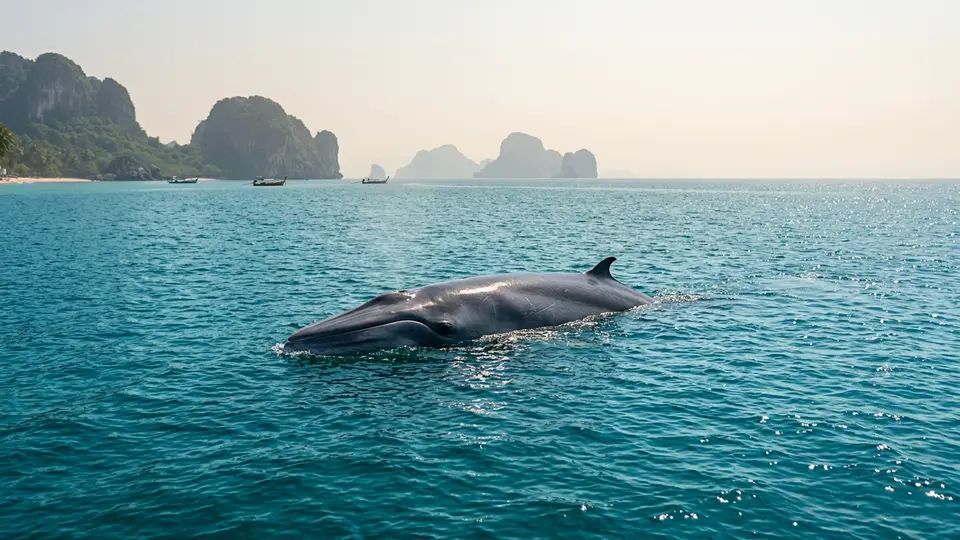
Indo-Pacific Bottlenose DolphinIndo-Pacific Bottlenose DolphinBryde's WhaleBryde's WhaleDorcas GazelleDorcas Gazelle
Animal groupMammalsAnimal groupMammalsAnimal groupMammals
DestinationsEgyptDestinationsGalapagos, Mexico, Egypt, Thailand, VietnamDestinationsEgypt
All wildlife destinations
Plan your trip

Find your next wildlife adventure

Compare destinations, shore programmes and dates with the animals and habitats you would love to see.

  • Naturalist-led shore excursions
  • Responsible wildlife watching
  • Small expedition ships

Newsletter

Take Blue Rides with you

Adventure cruise offers, last-minute deals and trip inspiration.

Free, unsubscribe anytime. Details: Privacy Policy

Partner with Blue Rides

Affiliate Program

Recommend adventure cruises and earn commission on every confirmed booking.

Share. Track. Earn.