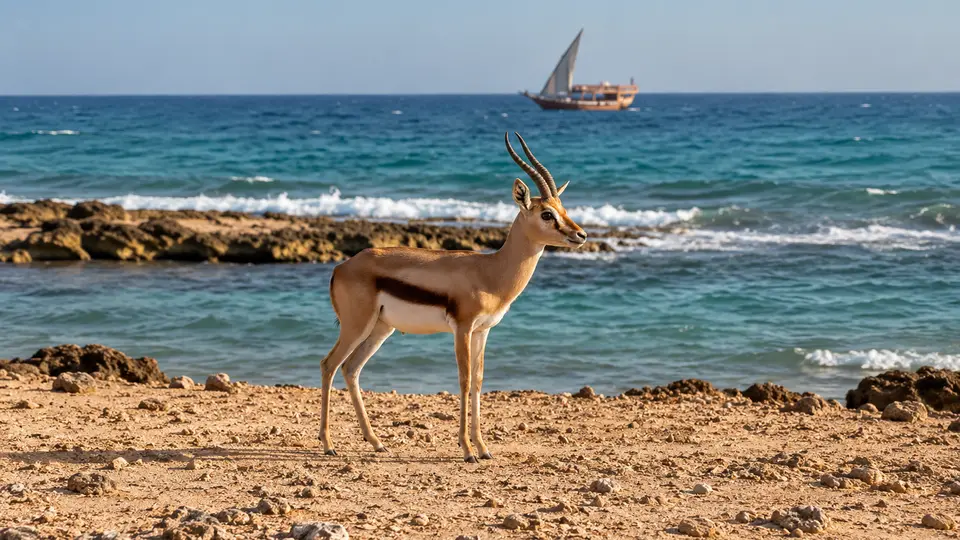
Dorcas Gazelle in its natural habitatAI-modified

Dorcas GazelleGazella dorcasWhere and when to see them

Dorcas Gazelle at a glance

The Dorcas gazelle is a small, lightly built antelope adapted to dry landscapes across North Africa and adjoining regions. Its pale coat, large ears and slender legs suit life in exposed desert country. In Egypt, surviving populations are scattered and vulnerable to hunting and disturbance. It should be regarded as a rare desert excursion species rather than expected coastal wildlife, even where suitable arid habitat lies close to the sea.

Behaviour & reproduction

Size
55–65 cm (22–26 in) shoulder height
Weight
15–20 kg (33–44 lb)
Lifespan
Not reliably established
Status
Vulnerable

Dorcas gazelles live in small groups or family parties, with social organization changing according to food availability and breeding conditions. Males may defend territories, while animals gather more loosely where resources permit. Feeding often shifts toward dawn, dusk or night during hot weather. Alert gazelles stand motionless to assess danger before moving away rapidly, and repeated vehicle pursuit can impose serious costs in landscapes where water and forage are limited. Communication among group members includes tail flicking and foot stamping as alarm signals. When fleeing, they exhibit a characteristic bounding gait called 'stotting,' which serves to signal fitness to predators. Their crepuscular and nocturnal activity patterns are a crucial adaptation to conserve water and avoid intense daytime heat.

Top wildlife locations

Egypt wildlife habitatAI-modified

Egypt

Protected desert plains and wadis inland from the Red Sea coast offer plausible habitat. A dedicated authorized excursion is required, and this threatened gazelle is rare rather than a routine shore-viewing animal.
Destinations describe the species' habitat, not guaranteed cruise stops. Some animals require an optional inland excursion or are found in restricted reserves.

Fun facts about the Dorcas Gazelle

  • Both sexes usually have horns, although females' horns are slimmer.
  • It can obtain much of its required moisture from vegetation.
  • Large ears help detect danger and also assist heat exchange.
  • Food availability can alter both group size and daily activity patterns.

Best time to see the Dorcas Gazelle

The cooler months make Egyptian desert observation more practical and may allow longer daytime activity. Rainfall and fresh vegetation influence local movements, but there is no dependable viewing season. Early or late daylight remains preferable to stressful midday searching. Despite general viewing challenges, the cooler winter months (November to February) may offer slightly increased daytime activity due to reduced heat stress. During brief periods following rain, new plant growth can attract gazelles to specific areas, though this is unpredictable. Early morning and late afternoon remain the prime viewing times, even in cooler weather, when animals are most active.

Dorcas Gazelle: season matrix by destination

Travel and observation windows vary by region. Highlighted months are an orientation for planning, not confirmed sightings or a guarantee of access.

Egypt

These months offer more comfortable desert travel and plausible daytime activity; rainfall, protection and local population status determine prospects, not a fixed wildlife season.

JanFebMarAprMayJunJulAugSepOctNovDec
Cruise ships in Egypt

Where the Dorcas Gazelle lives

Open gravel plains, sandy desert margins, dry wadis and sparse shrublands provide suitable habitat. Areas with scattered acacias or seasonal vegetation can be especially valuable. In Egypt, protected desert landscapes offer more plausible habitat than urbanized shores or intensively cultivated valleys. In Egypt, historical records indicate their presence even in areas now less hospitable, suggesting a broader historical range. They show a preference for flat or gently undulating terrain which facilitates predator detection and escape. These gazelles are highly adapted to arid environments, capable of thriving far from permanent water sources if vegetation provides sufficient moisture.

What the Dorcas Gazelle eats

Leaves, shoots, flowers and pods from desert shrubs and trees are important foods, alongside grasses and seasonal herbs. Moisture obtained from plants reduces dependence on drinking water. Feeding choices change as brief rainfall produces new growth across otherwise sparse terrain. They are selective feeders, often choosing the most nutritious parts of plants available in their sparse habitat. Their ability to switch between browse and graze depending on seasonal availability is key to their survival. This adaptability allows them to exploit ephemeral plant growth after rare rainfall events.

Species at a glance

Common name
Dorcas Gazelle
Scientific name
Gazella dorcas
Animal group
Mammals
Size
55–65 cm (22–26 in) shoulder height
Weight
15–20 kg (33–44 lb)
Lifespan
Not reliably established
Status
Vulnerable
Identification
Its small size, large ears and lyre-shaped horns distinguish it from the much larger, heavier-horned gazelles sometimes encountered in regional collections. Beyond the general features, note the distinct white rump patch and black-tipped tail, which are characteristic. Look for the pale fawn coloration of the upper body contrasted with a white underside and a clear flank stripe. The facial markings, including dark eye stripes bordered by white, are also key distinguishing features.

Dorcas Gazelle: frequently asked questions

Where can I see the Dorcas Gazelle?
Egypt. Use authorized guides and watch from a stationary vehicle or permitted trail. Never chase gazelles, surround groups or approach young animals. Avoid publishing precise locations of vulnerable herds, and expect sightings to be uncommon. Recognize that Dorcas gazelles are highly sensitive to disturbance, and prolonged observation should always prioritize their well-being over a closer view. Binoculars or a spotting scope are essential for ethical and rewarding observation from a safe distance. Reporting sightings to park authorities or conservation projects can contribute to their monitoring efforts.
When is the best time to see the Dorcas Gazelle?
The cooler months make Egyptian desert observation more practical and may allow longer daytime activity. Rainfall and fresh vegetation influence local movements, but there is no dependable viewing season. Early or late daylight remains preferable to stressful midday searching. Despite general viewing challenges, the cooler winter months (November to February) may offer slightly increased daytime activity due to reduced heat stress. During brief periods following rain, new plant growth can attract gazelles to specific areas, though this is unpredictable. Early morning and late afternoon remain the prime viewing times, even in cooler weather, when animals are most active.
How big does the Dorcas Gazelle get?
55–65 cm (22–26 in) shoulder height. Adult weight: 15–20 kg (33–44 lb). Size varies with age, sex and population.
How should I behave around the Dorcas Gazelle?
Use authorized guides and watch from a stationary vehicle or permitted trail. Never chase gazelles, surround groups or approach young animals. Avoid publishing precise locations of vulnerable herds, and expect sightings to be uncommon. Recognize that Dorcas gazelles are highly sensitive to disturbance, and prolonged observation should always prioritize their well-being over a closer view. Binoculars or a spotting scope are essential for ethical and rewarding observation from a safe distance. Reporting sightings to park authorities or conservation projects can contribute to their monitoring efforts.
What does the Dorcas Gazelle eat?
Leaves, shoots, flowers and pods from desert shrubs and trees are important foods, alongside grasses and seasonal herbs. Moisture obtained from plants reduces dependence on drinking water. Feeding choices change as brief rainfall produces new growth across otherwise sparse terrain. They are selective feeders, often choosing the most nutritious parts of plants available in their sparse habitat. Their ability to switch between browse and graze depending on seasonal availability is key to their survival. This adaptability allows them to exploit ephemeral plant growth after rare rainfall events.
Are wildlife sightings guaranteed on an adventure cruise?
No. Animals move freely and routes, weather, access restrictions and local conditions influence every outing. Confirm the actual itinerary and shore program before booking.

Compare wildlife in the same destinations

Explore other mammals recorded in these destinations. Similar surroundings do not mean the animals share the same habits or viewing season.

Species comparison by animal group and destination
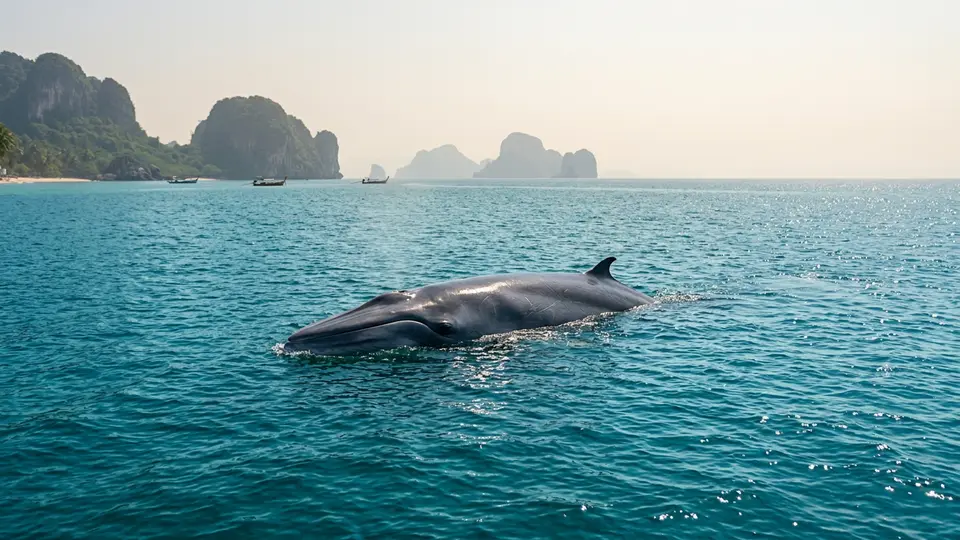
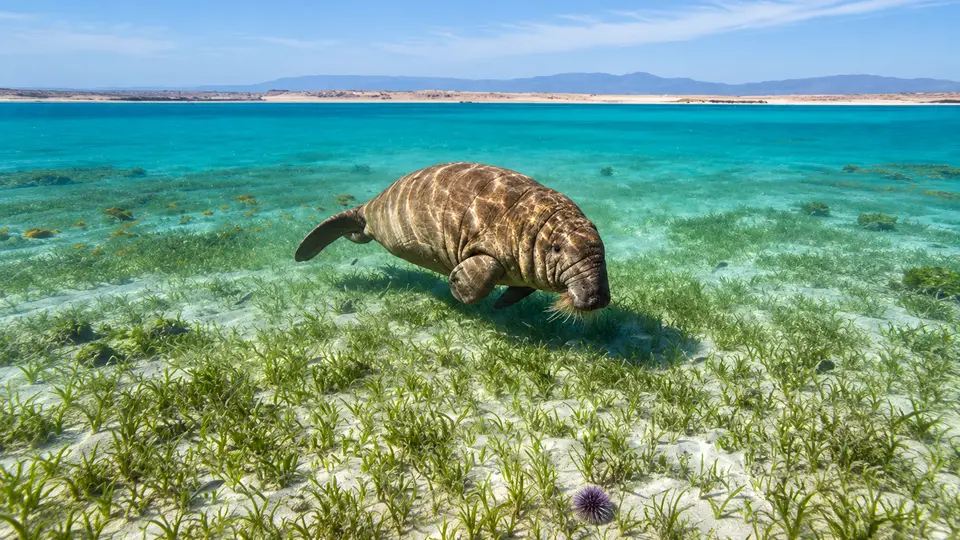
Dorcas GazelleAI-modifiedDorcas GazelleBryde's WhaleAI-modifiedBryde's WhaleDugongAI-modifiedDugong
Animal groupMammalsAnimal groupMammalsAnimal groupMammals
DestinationsEgyptDestinationsGalapagos, Mexico, Egypt, Thailand, VietnamDestinationsEgypt, Indonesia, Thailand, Vietnam, Australia
Scientific nameGazella dorcasScientific nameScientific name
All wildlife destinations
AI-modified
Plan your trip

Find your next wildlife adventure

Compare destinations, shore programs and dates with the animals and habitats you would love to see.

  • Naturalist-led shore excursions
  • Responsible wildlife watching
  • Small expedition ships