Hoary Marmot in its natural habitat, AI illustration
Size60-80 cm long including tailLifespanNot reliably establishedStatusLeast Concern

Hoary Marmot: where and when to see them

Marmota caligata

Hoary Marmot at a glance

The hoary marmot is a large mountain squirrel named for the frosted appearance of its pale shoulder and upper-back fur. In Alaska it inhabits mountainous terrain rather than ordinary shoreline habitat. Colonies depend on a close combination of feeding meadows and secure rocky shelter. Its short active season is dominated by feeding and reproduction before a long winter underground, making access and lingering snow central considerations for land-based observers.

Behaviour & reproduction

Size
60-80 cm long including tail
Weight
3-8 kg
Lifespan
Not reliably established
Status
Least Concern

Hoary marmots live in social groups and alternate feeding with vigilance from rocks or other elevated positions. Their piercing alarm whistles alert nearby animals to possible danger. Individuals sun themselves, groom and interact around burrow systems, but retreat quickly when threatened. They accumulate substantial fat reserves during summer and hibernate communally for much of the year, with the length of dormancy influenced by local mountain conditions. Marmots maintain their fur through regular grooming, which is important for insulation and parasite control. They hibernate in burrows, often communal, for seven to eight months of the year, relying on fat reserves built during the short summer.

Top wildlife locations

Alaska wildlife habitat

Alaska

Alpine meadows above coastal fjords can support colonies, but an inland mountain hike is normally required. Ordinary beaches are unsuitable, and snow or difficult terrain can make habitat inaccessible.

Adventure cruises in Alaska
Destinations describe the species' habitat, not guaranteed cruise stops. Some animals require an optional inland excursion or are found in restricted reserves.

Fun facts about the Hoary Marmot

  • The name hoary refers to its silver-frosted fur.
  • It belongs to the squirrel family.
  • Its alarm calls have earned marmots the nickname whistle pigs.
  • Body mass changes markedly as summer fat reserves accumulate.

Best time to see the Hoary Marmot

June through August is the most practical general window for accessible mountain trails and active marmots in Alaska. Snowmelt and elevation can delay access well into summer. Early autumn observations are possible locally, but animals soon become less available as hibernation approaches. In higher elevations, lingering snow can block trails well into July, requiring careful planning for excursions. Observing active marmots in early June might require accessing lower, sunnier slopes where snow has receded sooner.

Hoary Marmot: season matrix by destination

Travel and observation windows vary by region. Highlighted months are an orientation for planning, not confirmed sightings or a guarantee of access.

Alaska

This window reflects typical trail access and summer activity; elevation and annual snow conditions can shorten it considerably.

JanFebMarAprMayJunJulAugSepOctNovDec
Cruise ships in Alaska

Where the Hoary Marmot lives

They occupy alpine and subalpine meadows beside talus slopes, boulder fields and rocky outcrops. Burrows beneath rocks provide escape cover and winter shelter. Coastal mountains can support them, but seeing one generally requires an uphill inland excursion rather than a shoreline walk. They are found at elevations between 3,000 and 6,000 feet, often extending higher depending on snowpack and vegetation. Their burrow systems can be extensive, offering protection from predators and extreme weather.

What the Hoary Marmot eats

Hoary marmots primarily eat grasses, sedges, flowering herbs and other alpine plants. They select fresh growth as snow recedes and change feeding areas as vegetation develops. Summer food intake builds the fat reserves needed to survive months without feeding during hibernation. They occasionally supplement their plant-based diet with insects, bird eggs, or carrion, especially during periods of high energy demand. Water is obtained primarily from the plants they consume and melting snow, as they rarely drink directly.

Species at a glance

Common name
Hoary Marmot
Scientific name
Marmota caligata
Animal group
Mammals
Size
60-80 cm long including tail
Weight
3-8 kg
Lifespan
Not reliably established
Status
Least Concern
Identification
The large body, dark feet and grizzled pale shoulders distinguish hoary marmots from the smaller, more evenly brown ground squirrels often sharing mountain landscapes. Their scientific name, Marmota caligata, refers to their 'booted' appearance due to the dark fur on their legs and feet. The grizzled fur is a mix of black, white, and brown hairs, giving them their 'hoary' or frosty appearance.

Hoary Marmot: frequently asked questions

Where can I see the Hoary Marmot?
Alaska. Use binoculars from established mountain trails and never feed marmots. Keep away from burrow entrances and unstable talus, and prepare for rapidly changing alpine weather rather than treating the outing as a coastal stroll. Listen for their distinctive, high-pitched whistles, which are a primary indicator of their presence even when hidden. While observing from a distance, look for telltale signs like disturbed vegetation or scat piles near talus slopes.
When is the best time to see the Hoary Marmot?
June through August is the most practical general window for accessible mountain trails and active marmots in Alaska. Snowmelt and elevation can delay access well into summer. Early autumn observations are possible locally, but animals soon become less available as hibernation approaches. In higher elevations, lingering snow can block trails well into July, requiring careful planning for excursions. Observing active marmots in early June might require accessing lower, sunnier slopes where snow has receded sooner.
How big does the Hoary Marmot get?
60-80 cm long including tail. Adult weight: 3-8 kg. Size varies with age, sex and population.
How should I behave around the Hoary Marmot?
Use binoculars from established mountain trails and never feed marmots. Keep away from burrow entrances and unstable talus, and prepare for rapidly changing alpine weather rather than treating the outing as a coastal stroll. Listen for their distinctive, high-pitched whistles, which are a primary indicator of their presence even when hidden. While observing from a distance, look for telltale signs like disturbed vegetation or scat piles near talus slopes.
What does the Hoary Marmot eat?
Hoary marmots primarily eat grasses, sedges, flowering herbs and other alpine plants. They select fresh growth as snow recedes and change feeding areas as vegetation develops. Summer food intake builds the fat reserves needed to survive months without feeding during hibernation. They occasionally supplement their plant-based diet with insects, bird eggs, or carrion, especially during periods of high energy demand. Water is obtained primarily from the plants they consume and melting snow, as they rarely drink directly.
Are wildlife sightings guaranteed on an adventure cruise?
No. Animals move freely and routes, weather, access restrictions and local conditions influence every outing. Confirm the actual itinerary and shore programme before booking.

Compare wildlife in the same destinations

Explore other mammals recorded in these destinations. Similar surroundings do not mean the animals share the same habits or viewing season.

Species comparison by animal group and destination
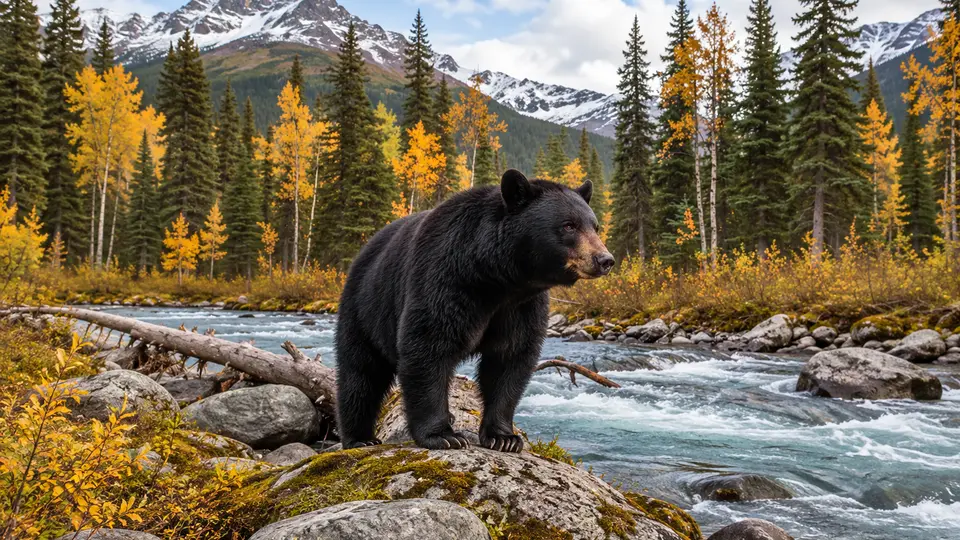
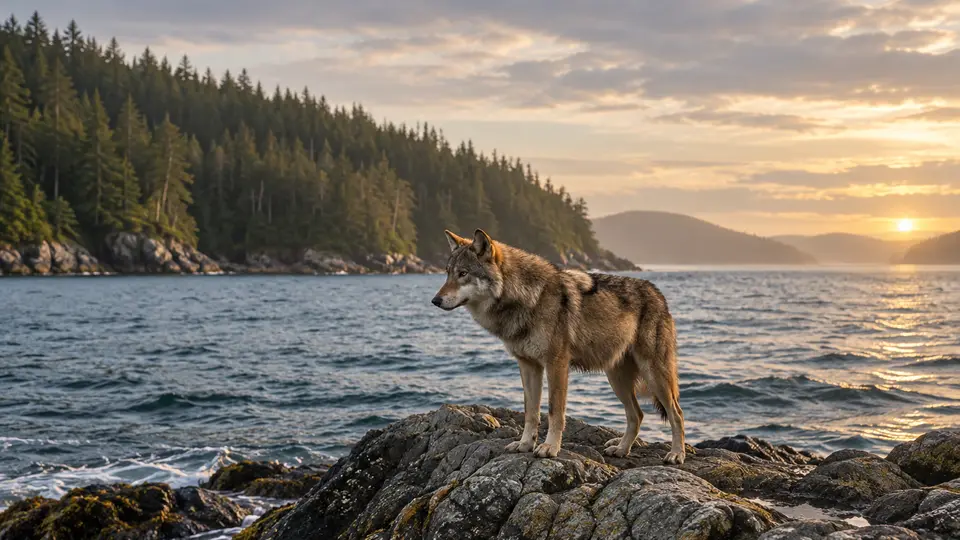
Hoary MarmotHoary MarmotAlexander Archipelago WolfAlexander Archipelago WolfAmerican Black BearAmerican Black Bear
Animal groupMammalsAnimal groupMammalsAnimal groupMammals
DestinationsAlaskaDestinationsAlaskaDestinationsAlaska, New England
All wildlife destinations
Plan your trip

Find your next wildlife adventure

Compare destinations, shore programmes and dates with the animals and habitats you would love to see.

  • Naturalist-led shore excursions
  • Responsible wildlife watching
  • Small expedition ships

Newsletter

Take Blue Rides with you

Adventure cruise offers, last-minute deals and trip inspiration.

Free, unsubscribe anytime. Details: Privacy Policy

Partner with Blue Rides

Affiliate Program

Recommend adventure cruises and earn commission on every confirmed booking.

Share. Track. Earn.