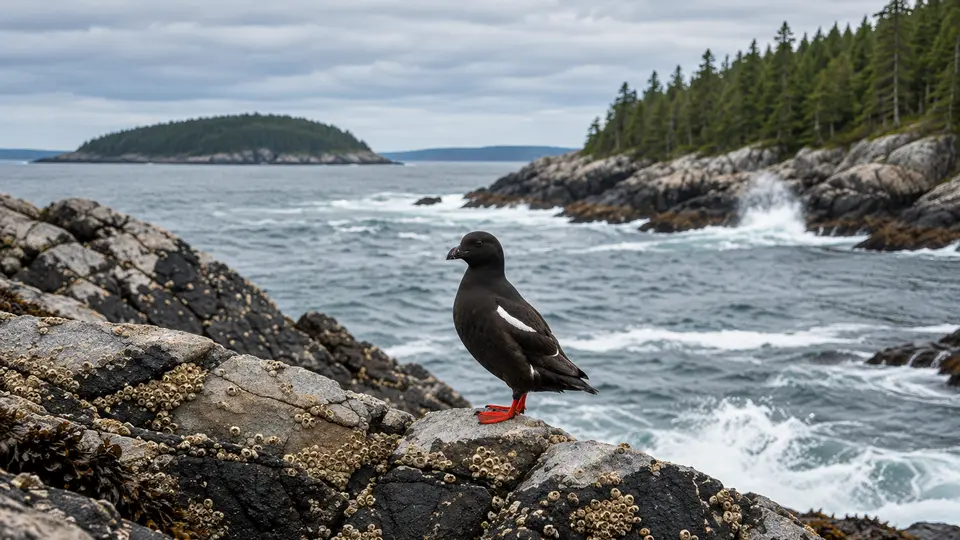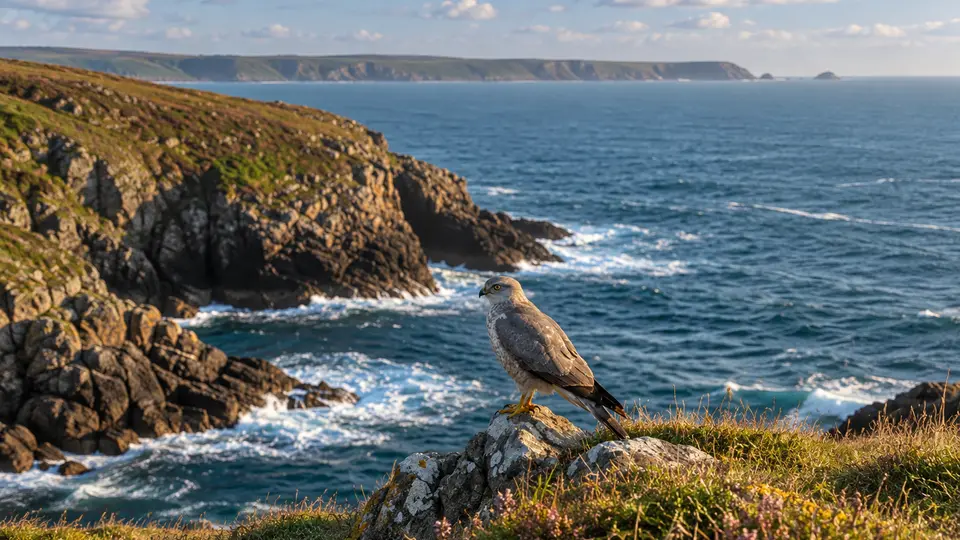
Hen Harrier in its natural habitat, AI illustration

Hen Harrier: where and when to see them

Circus cyaneus

Hen Harrier at a glance

The hen harrier is a long-winged raptor of open landscapes, known for its low, buoyant hunting flight. Scotland supports an important breeding population, although persecution and habitat pressures affect its fortunes. Adult males are pale grey, while females and young birds are brown with a conspicuous white rump. Its global assessment does not reflect the seriousness of regional conservation problems or the vulnerability of individual nesting areas.

Behaviour & reproduction

Size
44-52 cm long; 100-120 cm wingspan
Weight
300-600 g
Lifespan
Not reliably established
Status
Least Concern

Hunting birds quarter moorland or rough grassland with wings held in a shallow V, turning repeatedly to investigate movement below. They use both hearing and sight to locate prey hidden in vegetation. Breeding males perform spectacular rolling display flights and may pass food to females in midair. Outside the breeding season, several birds can gather at communal ground roosts, where disturbance is especially costly during cold weather. The male's 'sky dance' involves a series of dramatic dives and tumbles, performed to attract a mate and establish territory. During winter, they often form communal roosts at night, sometimes gathering dozens of individuals for safety and warmth.

Top wildlife locations

Scotland wildlife habitat

Scotland

Coastal marshes, rough grassland and estuary margins offer plausible winter viewpoints from public paths. Breeding moorland usually requires an inland excursion, and nest sites should never be approached.

Adventure cruises in Scotland

Destinations describe the species' habitat, not guaranteed cruise stops. Some animals require an optional inland excursion or are found in restricted reserves.

Fun facts about the Hen Harrier

  • Females are substantially larger than males.
  • The facial ruff helps direct sound toward the ears.
  • Males can provision more than one nesting female.
  • Brown females and juveniles are often collectively called ringtails.

Best time to see the Hen Harrier

Winter is particularly useful for coastal observation, when harriers may hunt marshes and rough grassland or gather near communal roosts. Spring and summer bring breeding activity inland, but nesting locations are sensitive and should never be sought by leaving established routes. Prime viewing opportunities from deck often occur during migration periods or when birds are foraging over coastal wetlands visible from the ship. Shore excursions to coastal reserves in winter may offer reliable sightings as they congregate at roosts.

Hen Harrier: season matrix by destination

Travel and observation windows vary by region. Highlighted months are an orientation for planning, not confirmed sightings or a guarantee of access.

Scotland

This window emphasizes coastal winter habitat and roosting movements, not guaranteed occupancy at any viewpoint.

JanFebMarAprMayJunJulAugSepOctNovDec
Cruise ships in Scotland

Where the Hen Harrier lives

Breeding habitat in Scotland includes heather moorland, young forestry and rough upland vegetation with ground cover for nesting. In winter, birds also use lowland marshes, coastal grassland, reedbeds and farmland. Sheltered coastal wetlands can therefore offer viewing without entering breeding moors. Though often associated with remote uplands, they can also forage over lowland agricultural areas and coastal fringes when not breeding. They require large, undisturbed tracts of habitat, making them vulnerable to fragmentation and development.

What the Hen Harrier eats

Small mammals and birds form the bulk of the diet, with proportions changing between habitats and seasons. Voles are important where abundant, while meadow pipits and other small birds feature in upland diets. Most prey is captured on or near the ground. Occasionally, they will also take carrion, especially during harsh winter conditions or when live prey is scarce. Their hunting success rate is influenced by prey density and vegetation cover.

Species at a glance

Common name
Hen Harrier
Scientific name
Circus cyaneus
Animal group
Birds
Size
44-52 cm long; 100-120 cm wingspan
Weight
300-600 g
Lifespan
Not reliably established
Status
Least Concern
Identification
Compared with Montagu's harrier, hen harriers are broader-winged and heavier-looking, with adult males lacking Montagu's distinct black wing bars and brown birds showing a broad white rump. Adult males are distinctive with their pale grey plumage, black wingtips, and white underparts, earning them the nickname 'ghost of the moor'. Females and juveniles are brown above with streaked underparts and a prominent white rump, often referred to as 'ringtails'.

Hen Harrier: frequently asked questions

Where can I see the Hen Harrier?
Scotland. Use established viewpoints over marshes or moorland and keep well away from suspected nests and roosts. Do not follow food-carrying birds; retreat if alarm calls or repeated circling suggest disturbance. When viewing from a distance, binoculars or a spotting scope are essential for distinguishing key identification features and observing hunting behavior. Always adhere to local wildlife codes of conduct and guidance from cruise naturalists to minimize impact.
When is the best time to see the Hen Harrier?
Winter is particularly useful for coastal observation, when harriers may hunt marshes and rough grassland or gather near communal roosts. Spring and summer bring breeding activity inland, but nesting locations are sensitive and should never be sought by leaving established routes. Prime viewing opportunities from deck often occur during migration periods or when birds are foraging over coastal wetlands visible from the ship. Shore excursions to coastal reserves in winter may offer reliable sightings as they congregate at roosts.
How big does the Hen Harrier get?
44-52 cm long; 100-120 cm wingspan. Adult weight: 300-600 g. Size varies with age, sex and population.
How should I behave around the Hen Harrier?
Use established viewpoints over marshes or moorland and keep well away from suspected nests and roosts. Do not follow food-carrying birds; retreat if alarm calls or repeated circling suggest disturbance. When viewing from a distance, binoculars or a spotting scope are essential for distinguishing key identification features and observing hunting behavior. Always adhere to local wildlife codes of conduct and guidance from cruise naturalists to minimize impact.
What does the Hen Harrier eat?
Small mammals and birds form the bulk of the diet, with proportions changing between habitats and seasons. Voles are important where abundant, while meadow pipits and other small birds feature in upland diets. Most prey is captured on or near the ground. Occasionally, they will also take carrion, especially during harsh winter conditions or when live prey is scarce. Their hunting success rate is influenced by prey density and vegetation cover.
Are wildlife sightings guaranteed on an adventure cruise?
No. Animals move freely and routes, weather, access restrictions and local conditions influence every outing. Confirm the actual itinerary and shore program before booking.

Compare wildlife in the same destinations

Explore other birds recorded in these destinations. Similar surroundings do not mean the animals share the same habits or viewing season.

Species comparison by animal group and destination
Hen HarrierHen HarrierAtlantic PuffinAtlantic PuffinBlack GuillemotBlack Guillemot
Animal groupBirdsAnimal groupBirdsAnimal groupBirds
DestinationsScotlandDestinationsNew England, Norway, Scotland, ArcticDestinationsNew England, Norway, Scotland
All wildlife destinations
Plan your trip

Find your next wildlife adventure

Compare destinations, shore programs and dates with the animals and habitats you would love to see.

  • Naturalist-led shore excursions
  • Responsible wildlife watching
  • Small expedition ships

Newsletter

Take Blue Rides with you

Adventure cruise offers, last-minute deals and trip inspiration.

Free, unsubscribe anytime. Details: Privacy Policy

Partner with Blue Rides

Affiliate Program

Recommend adventure cruises and earn commission on every confirmed booking.

Share. Track. Earn.