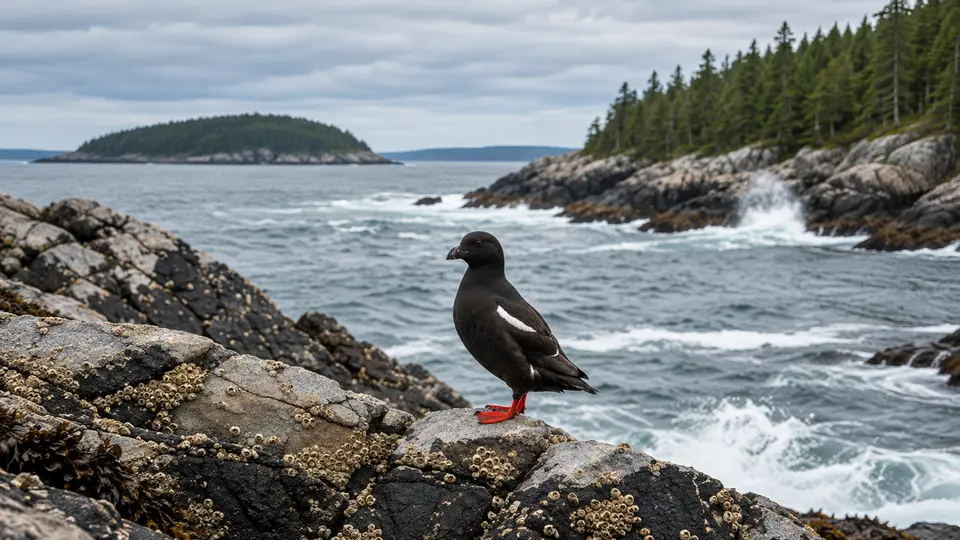
Black Guillemot in its natural habitatAI-modified

Black GuillemotCepphus grylleWhere and when to see them

Black Guillemot at a glance

The black guillemot is a small coastal auk of the North Atlantic and Arctic. Breeding adults combine velvety black plumage with bright white wing panels and vivid red feet. Unlike auks that gather on densely packed open ledges, it often nests in scattered pairs within rock cavities. Its close association with inshore water makes it a rewarding bird to watch from harbours, rocky shores and coastal paths where suitable nesting habitat exists.

Behaviour & reproduction

Size
30–32 cm (11.8–12.6 in) long
Weight
300–500 g (10.6–17.6 oz)
Lifespan
Not reliably established
Status
Least Concern

Black guillemots commonly forage close to their breeding coast, pursuing prey beneath the surface and returning with individual fish held across the bill. Pairs occupy crevices among rocks, harbour structures or low cliffs, and many return to familiar sites. Courtship includes calls and displays on the water. During winter, birds become much paler and may disperse from breeding sites, although some remain around sheltered coastal waters. Pairs often perform elaborate courtship displays on the water, including head-swimming, 'butterfly' flights, and repeated trilling calls. They are known to carry multiple small fish crosswise in their bills when returning to feed chicks, a distinctive behavior.

Top wildlife locations

New England wildlife habitatAI-modified

New England

Rocky Maine shores, islands and some harbours provide the strongest New England possibilities. Many nesting islands are inaccessible or protected, but public coastal viewpoints may overlook feeding birds without disturbing colonies.

Norway wildlife habitatAI-modified

Norway

Rocky coastal settlements, island shores and harbour margins can offer land-based views of feeding birds. Nest cavities may be hidden or inaccessible, and northern colonies require more specialised regional travel.

Scotland wildlife habitatAI-modified

Scotland

Scottish harbour walls, rocky bays and island coasts offer plausible shore viewing, sometimes near public paths. Nesting cavities should remain undisturbed, and offshore colonies may be inaccessible without additional travel.

Destinations describe the species' habitat, not guaranteed cruise stops. Some animals require an optional inland excursion or are found in restricted reserves.

Fun facts about the Black Guillemot

  • Their feet and the inside of their mouths are bright red.
  • They usually lay two eggs, unlike many auk relatives that lay only one.
  • Winter plumage is extensively pale rather than uniformly black.
  • They can nest within suitable gaps in human-built harbour structures.

Best time to see the Black Guillemot

Spring and summer offer conspicuous breeding plumage and repeated activity near nest sites. May through August is useful across much of the supplied range, with later breeding at higher latitudes. Winter observation remains possible locally, but distribution and appearance change. In New England, the breeding season generally runs from late May to July. Migratory movements are often limited, with many birds remaining near their breeding grounds year-round if food is available.

Black Guillemot: season matrix by destination

Travel and observation windows vary by region. Highlighted months are an orientation for planning, not confirmed sightings or a guarantee of access.

New England

Late spring and summer favour breeding-area observation, especially in Maine; occurrence is less dependable farther south in New England.

JanFebMarAprMayJunJulAugSepOctNovDec
Cruise ships in New England

Norway

This window covers much coastal breeding activity and good daylight, with local timing later toward the high Arctic.

JanFebMarAprMayJunJulAugSepOctNovDec
Cruise ships in Norway

Scotland

Spring and summer support breeding-plumage observation; birds can occur year-round locally, but winter numbers and sites vary.

JanFebMarAprMayJunJulAugSepOctNovDec
Cruise ships in Scotland

Where the Black Guillemot lives

Rocky coasts, boulder shores, islands and harbour walls provide nesting cavities beside shallow marine feeding grounds. Unlike many related auks, black guillemots frequently use low coastal terrain. Outside breeding, they occupy inshore seas, sheltered bays and, in northern regions, ice margins. They are often found nesting in natural crevices, under large boulders, or in man-made structures like jetties and abandoned buildings. Their preference for shallow, inshore waters makes them relatively accessible compared to some other auk species.

What the Black Guillemot eats

Their diet consists mainly of small fish and marine invertebrates taken near the seabed. Butterfish and similar bottom-associated fishes can be important around British and Norwegian coasts. Crustaceans contribute more in some regions, reflecting local seabed habitat and prey supply. Foraging is typically done by diving from the surface, often in waters less than 20 meters deep, although they can dive deeper. Young fish like sandeels are also significant prey, especially when provisioning chicks.

Species at a glance

Common name
Black Guillemot
Scientific name
Cepphus grylle
Animal group
Birds
Size
30–32 cm (11.8–12.6 in) long
Weight
300–500 g (10.6–17.6 oz)
Lifespan
Not reliably established
Status
Least Concern
Identification
In breeding plumage, black guillemots have large white upperwing patches and red feet, unlike common guillemots, while their mostly white underwings distinguish them from pigeon guillemots. Non-breeding birds develop mottled grey and white plumage, losing the striking black breeding colors but retaining the prominent white wing patches. Their bright red legs and feet are a key feature in all plumages, especially when swimming or perched.

Black Guillemot: frequently asked questions

Where can I see the Black Guillemot?
New England, Norway, Scotland. Watch from harbour paths or stable coastal viewpoints without approaching nest holes. Keep back from slippery rock edges, and avoid lingering where adults carrying fish hesitate to return to their chicks. When viewing from a ship, look for them resting on the water's surface or flying low over the waves. Scan rocky coastlines with binoculars for birds perched on ledges or entering nest cavities.
When is the best time to see the Black Guillemot?
Spring and summer offer conspicuous breeding plumage and repeated activity near nest sites. May through August is useful across much of the supplied range, with later breeding at higher latitudes. Winter observation remains possible locally, but distribution and appearance change. In New England, the breeding season generally runs from late May to July. Migratory movements are often limited, with many birds remaining near their breeding grounds year-round if food is available.
How big does the Black Guillemot get?
30–32 cm (11.8–12.6 in) long. Adult weight: 300–500 g (10.6–17.6 oz). Size varies with age, sex and population.
How should I behave around the Black Guillemot?
Watch from harbour paths or stable coastal viewpoints without approaching nest holes. Keep back from slippery rock edges, and avoid lingering where adults carrying fish hesitate to return to their chicks. When viewing from a ship, look for them resting on the water's surface or flying low over the waves. Scan rocky coastlines with binoculars for birds perched on ledges or entering nest cavities.
What does the Black Guillemot eat?
Their diet consists mainly of small fish and marine invertebrates taken near the seabed. Butterfish and similar bottom-associated fishes can be important around British and Norwegian coasts. Crustaceans contribute more in some regions, reflecting local seabed habitat and prey supply. Foraging is typically done by diving from the surface, often in waters less than 20 meters deep, although they can dive deeper. Young fish like sandeels are also significant prey, especially when provisioning chicks.
Are wildlife sightings guaranteed on an adventure cruise?
No. Animals move freely and routes, weather, access restrictions and local conditions influence every outing. Confirm the actual itinerary and shore program before booking.

Compare wildlife in the same destinations

Explore other birds recorded in these destinations. Similar surroundings do not mean the animals share the same habits or viewing season.

Species comparison by animal group and destination
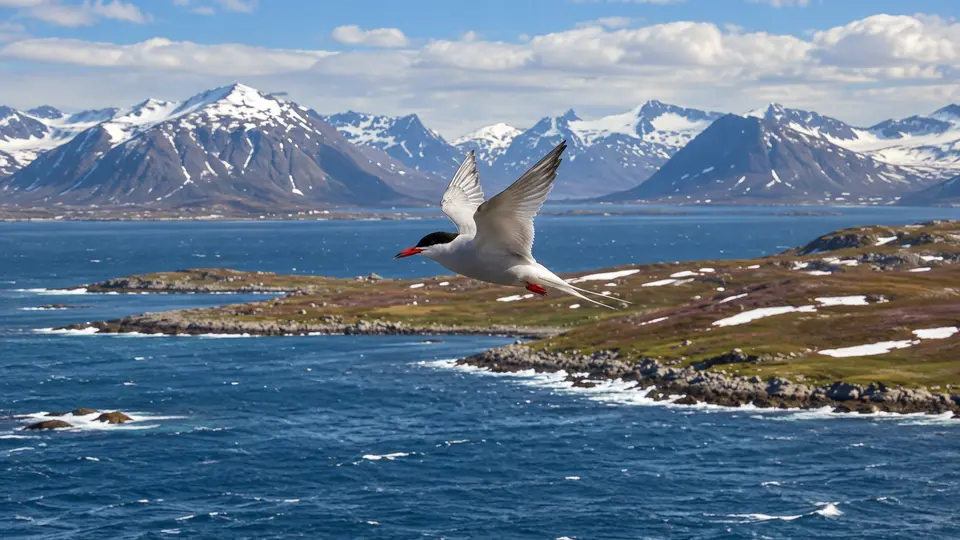
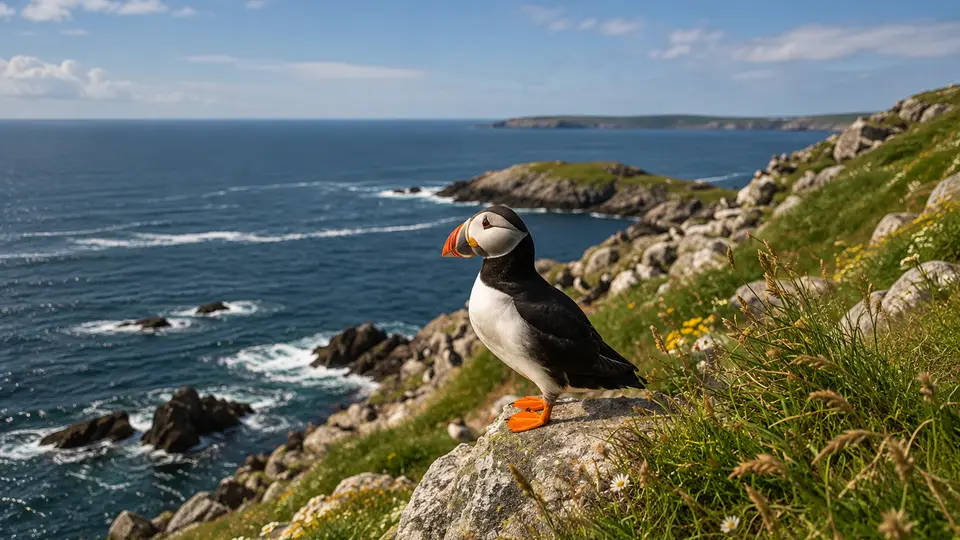
Black GuillemotAI-modifiedBlack GuillemotArctic TernAI-modifiedArctic TernAtlantic PuffinAI-modifiedAtlantic Puffin
Animal groupBirdsAnimal groupBirdsAnimal groupBirds
DestinationsNew England, Norway, ScotlandDestinationsAlaska, Norway, ArcticDestinationsNew England, Norway, Scotland, Arctic
Scientific nameCepphus grylleScientific nameScientific name
All wildlife destinations
AI-modified
Plan your trip

Find your next wildlife adventure

Compare destinations, shore programs and dates with the animals and habitats you would love to see.

  • Naturalist-led shore excursions
  • Responsible wildlife watching
  • Small expedition ships