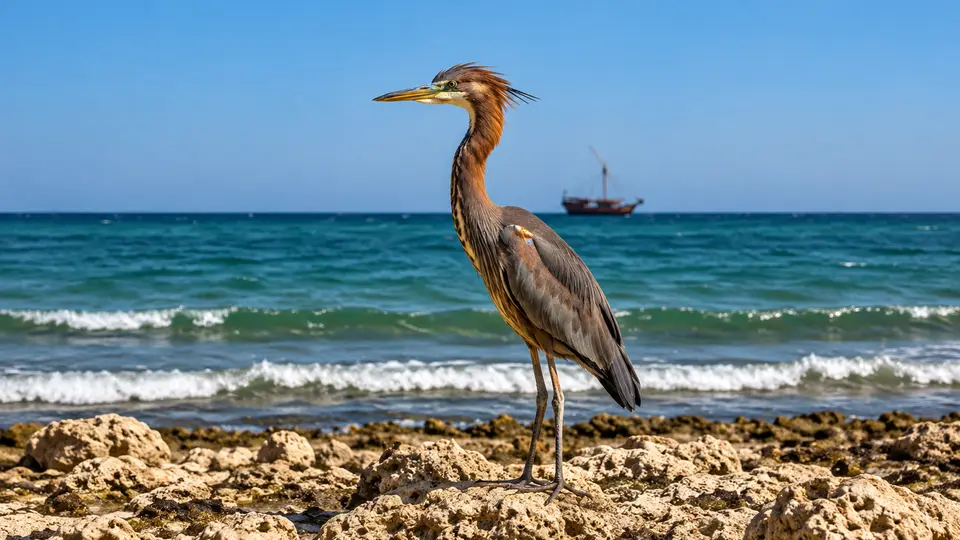
Goliath Heron in its natural habitat, AI illustration

Goliath Heron: where and when to see them

Ardea goliath

Goliath Heron at a glance

The Goliath heron is the world's largest living heron, a towering wetland bird with a massive bill and chestnut head and neck. Its main distribution lies in sub-Saharan Africa, with much more localized occurrence beyond that core range. In Egypt it is a scarce and geographically restricted prospect, not a routine Nile-side bird. Its deliberate movements and great size can be striking, but suitable-looking habitat alone is no evidence of current presence.

Behaviour & reproduction

Size
120-150 cm tall
Weight
4-5 kg
Lifespan
Not reliably established
Status
Least Concern

Usually solitary, a Goliath heron hunts by standing motionless or walking slowly through shallow water, waiting for a suitably large fish to approach. A rapid bill strike ends the patient vigil. Handling substantial prey can take time, and other fish-eating birds may attempt to steal the catch. Birds defend feeding space and typically nest in isolated pairs or small groups, selecting secure wetland sites where disturbance and terrestrial predators are limited. Despite their size, they are remarkably stealthy hunters, often using vegetation for cover as they stalk or wait for prey. Nesting colonies, though rare in Egypt, are typically established in isolated trees or reed beds over water, providing protection from terrestrial predators.

Top wildlife locations

Egypt wildlife habitat

Egypt

Remote southern Red Sea mangroves and sheltered coastal wetlands offer plausible habitat, but the species is rare. Specialist overland excursions and permissions may be needed; ordinary Nile sightseeing is not a reliable opportunity.

Adventure cruises in Egypt
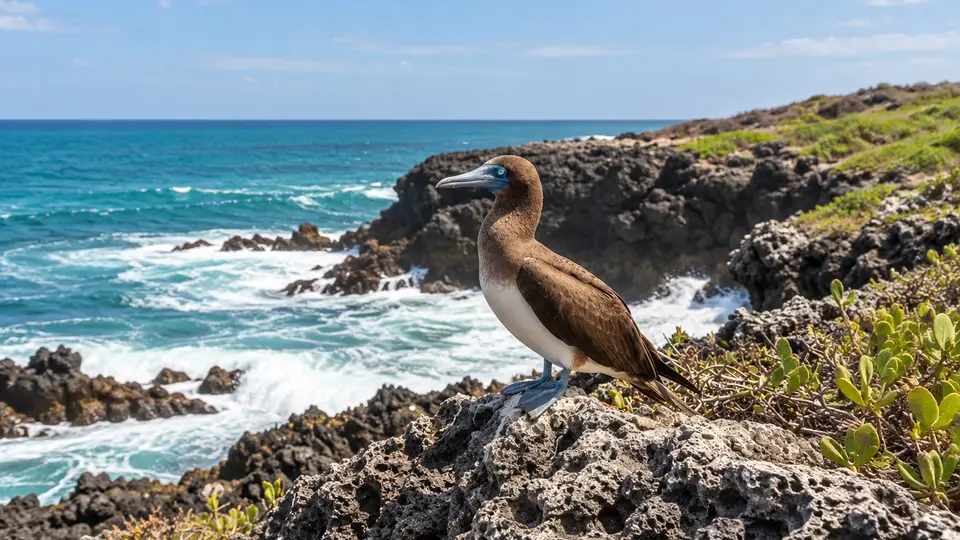
Destinations describe the species' habitat, not guaranteed cruise stops. Some animals require an optional inland excursion or are found in restricted reserves.

Fun facts about the Goliath Heron

  • It is the largest living member of the heron family.
  • It usually flies with its neck retracted rather than stretched forward.
  • Large fish can require prolonged handling before being swallowed headfirst.
  • Its global range is centered on sub-Saharan Africa, not Egypt.

Best time to see the Goliath Heron

There is no well-supported general Egyptian viewing season for this scarce species. Cooler months may make southern coastal wetland visits more comfortable, but that is a travel consideration rather than evidence of seasonal presence. Seek recent local records before planning a dedicated excursion. While there is no definitive 'best season' for viewing due to their rarity, migratory patterns of prey fish or seasonal wetland conditions might indirectly influence their localized presence. Planning a visit during migration periods for other wetland birds could increase the general biodiversity observed, though not specifically for Goliath herons.

Goliath Heron: season matrix by destination

Travel and observation windows vary by region. Highlighted months are an orientation for planning, not confirmed sightings or a guarantee of access.

Egypt

A credible species-specific Egyptian shore-observation window is unsupported without recent local records; cooler travel weather does not establish presence or breeding timing.

JanFebMarAprMayJunJulAugSepOctNovDec
Cruise ships in Egypt

Where the Goliath Heron lives

Large lakes, rivers, floodplains, estuaries and sheltered coastal wetlands provide habitat where shallow feeding areas and secure resting sites coincide. In Egypt, remote southern Red Sea wetlands are more plausible than typical urban riverbanks. Local occurrence is sparse and requires current specialist confirmation. The species shows a preference for freshwater wetlands but can tolerate brackish and saltwater environments when food is abundant. Their large size necessitates expansive territories with abundant prey, making remote, undisturbed areas crucial for their presence.

What the Goliath Heron eats

Fish dominate the diet, often including prey larger than those selected by smaller herons. Crustaceans, amphibians and other aquatic animals are taken occasionally. Hunting relies on visual detection in shallow margins, and suitable water depth and prey size strongly influence feeding-site selection. Prey is usually swallowed head-first, a technique that helps manage spines and scales, though larger prey may be manipulated for some time. They are opportunistic feeders and will also consume carrion if encountered, especially larger fish.

Species at a glance

Common name
Goliath Heron
Scientific name
Ardea goliath
Animal group
Birds
Size
120-150 cm tall
Weight
4-5 kg
Lifespan
Not reliably established
Status
Least Concern
Identification
Its enormous size, heavy bill and chestnut head and neck distinguish it from gray herons, while purple herons are much smaller and more slender. Juveniles are generally duller than adults, lacking the strong chestnut coloration and having a more streaked, greyish appearance. Their flight is slow and powerful, with deep wing beats, and they fly with a distinct S-shaped neck typical of herons.

Goliath Heron: frequently asked questions

Where can I see the Goliath Heron?
Egypt. Use a telescope from permitted wetland viewpoints and remain well back from feeding birds. Do not enter mangroves, cross restricted coastal ground or approach nests; a disturbed heron may abandon a valuable feeding position. Their immense size makes them surprisingly conspicuous even at a distance once spotted, often standing sentinel for extended periods. Patience is key; these birds often remain still for long stretches, making them appear camouflaged until they move.
When is the best time to see the Goliath Heron?
There is no well-supported general Egyptian viewing season for this scarce species. Cooler months may make southern coastal wetland visits more comfortable, but that is a travel consideration rather than evidence of seasonal presence. Seek recent local records before planning a dedicated excursion. While there is no definitive 'best season' for viewing due to their rarity, migratory patterns of prey fish or seasonal wetland conditions might indirectly influence their localized presence. Planning a visit during migration periods for other wetland birds could increase the general biodiversity observed, though not specifically for Goliath herons.
How big does the Goliath Heron get?
120-150 cm tall. Adult weight: 4-5 kg. Size varies with age, sex and population.
How should I behave around the Goliath Heron?
Use a telescope from permitted wetland viewpoints and remain well back from feeding birds. Do not enter mangroves, cross restricted coastal ground or approach nests; a disturbed heron may abandon a valuable feeding position. Their immense size makes them surprisingly conspicuous even at a distance once spotted, often standing sentinel for extended periods. Patience is key; these birds often remain still for long stretches, making them appear camouflaged until they move.
What does the Goliath Heron eat?
Fish dominate the diet, often including prey larger than those selected by smaller herons. Crustaceans, amphibians and other aquatic animals are taken occasionally. Hunting relies on visual detection in shallow margins, and suitable water depth and prey size strongly influence feeding-site selection. Prey is usually swallowed head-first, a technique that helps manage spines and scales, though larger prey may be manipulated for some time. They are opportunistic feeders and will also consume carrion if encountered, especially larger fish.
Are wildlife sightings guaranteed on an adventure cruise?
No. Animals move freely and routes, weather, access restrictions and local conditions influence every outing. Confirm the actual itinerary and shore program before booking.

Compare wildlife in the same destinations

Explore other birds recorded in these destinations. Similar surroundings do not mean the animals share the same habits or viewing season.

Species comparison by animal group and destination
Goliath HeronGoliath HeronBrown BoobyBrown BoobyCrab-ploverCrab-plover
Animal groupBirdsAnimal groupBirdsAnimal groupBirds
DestinationsEgyptDestinationsCosta Rica, Cape Verde, Egypt, Fiji, PolynesiaDestinationsEgypt, Seychelles
All wildlife destinations
Plan your trip

Find your next wildlife adventure

Compare destinations, shore programs and dates with the animals and habitats you would love to see.

  • Naturalist-led shore excursions
  • Responsible wildlife watching
  • Small expedition ships

Newsletter

Take Blue Rides with you

Adventure cruise offers, last-minute deals and trip inspiration.

Free, unsubscribe anytime. Details: Privacy Policy

Partner with Blue Rides

Affiliate Program

Recommend adventure cruises and earn commission on every confirmed booking.

Share. Track. Earn.

Your footage, our stage

Send us your videos or pictures.

Captured beautiful landscapes or wildlife? Share your videos and pictures with us, we may feature them on Blue Rides.
