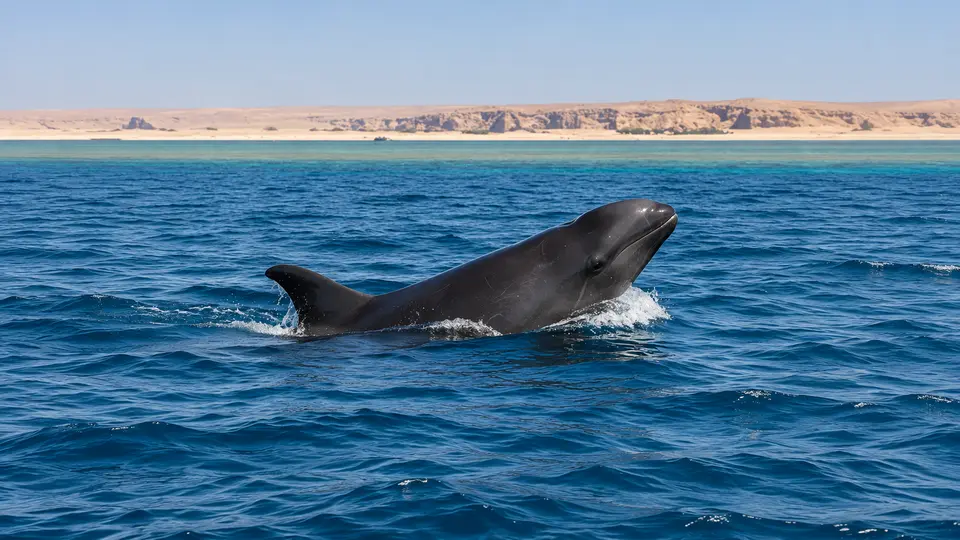
False Killer Whale in its natural habitat, AI illustration

False Killer WhalePseudorca crassidensWhere and when to see them

False Killer Whale at a glance

The false killer whale is a large oceanic dolphin, not a land mammal or a close relative of the true killer whale. Its name reflects similarities in skull structure rather than external colouring. Predominantly dark and streamlined, it inhabits warm seas and often travels in socially connected groups. Encounters from shore are unusual because much habitat lies offshore, while distant deck observations can also be brief and difficult to identify confidently.

Behaviour & reproduction

Size
4.3-6 m long
Weight
1,100-2,200 kg
Lifespan
Not reliably established
Status
Near Threatened

False killer whales form strong social relationships and may travel in groups spread over a broad area. Individuals sometimes share captured prey, an unusual behaviour among large marine predators. Surface activity can include rapid travel, leaps and coordinated changes of direction, but many observations show little more than backs and dorsal fins. Their social cohesion is also associated with mass strandings. Vessel presence, fishing activity and prey distribution can influence movements and should never be manipulated for viewing. They are highly social animals, often found in pods ranging from a few individuals to several hundred. These whales frequently associate with other cetacean species, such as bottlenose dolphins, forming mixed-species groups. Their movements can cover vast distances, indicating a nomadic lifestyle driven by prey availability.

Top wildlife locations

Egypt wildlife habitat

Egypt

Deep Red Sea waters offer possible distant deck observations, but shore sightings from coastal headlands are rare. The species is not a dependable feature of beaches, harbours or routine coastal visits.

Indonesia wildlife habitat

Indonesia

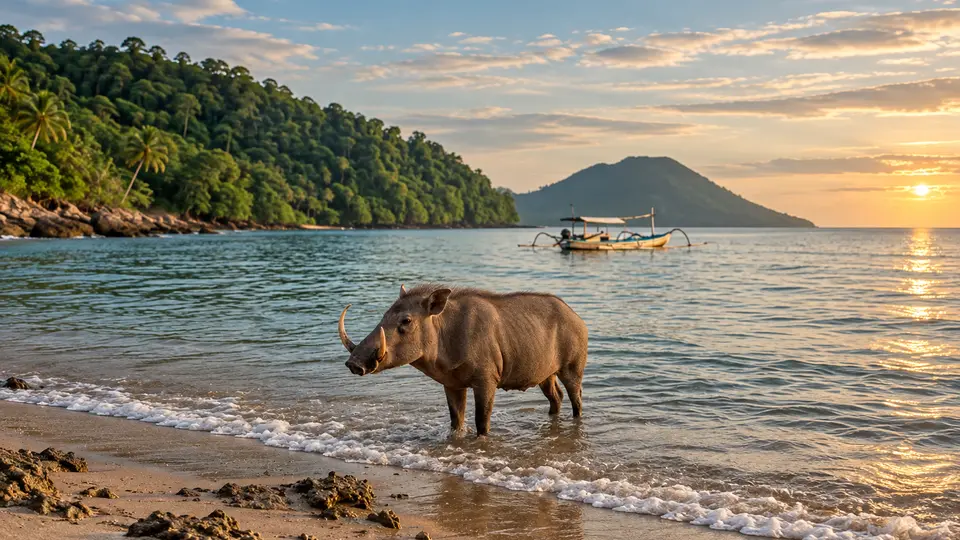
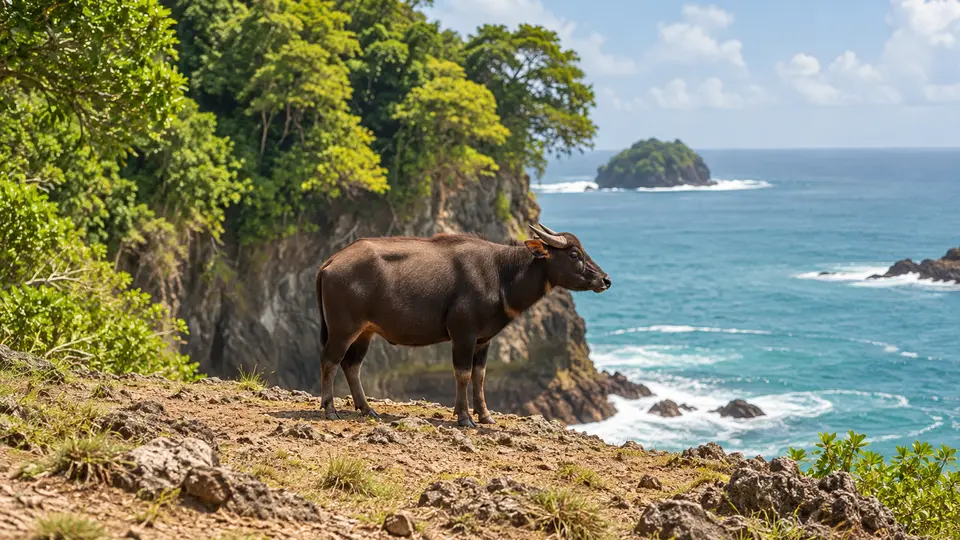
Deep inter-island channels and waters beyond steep island coasts offer possible distant deck views. Shore sightings are rare, and many relevant offshore areas are inaccessible from ordinary coastal walking routes.

Destinations describe the species' habitat, not guaranteed cruise stops. Some animals require an optional inland excursion or are found in restricted reserves.

Fun facts about the False Killer Whale

  • It belongs to the dolphin family Delphinidae.
  • The name refers to skull resemblance to the true killer whale.
  • Prey sharing has been documented between individuals.
  • Adult males generally grow larger than adult females.

Best time to see the False Killer Whale

No robust destination-wide shore-viewing season is established for Egypt or Indonesia. Clear visibility and calm seas help distant deck observation, but travel weather does not demonstrate seasonal whale presence. Any locally reported pattern should be checked against recent, credible monitoring. While specific seasonal patterns are not reliably documented, periods of increased ocean productivity or upwelling might concentrate prey and, consequently, these whales. Calm seas and good visibility are crucial for spotting their low-profile dorsal fins from a distance. Local oceanographic conditions, like warm currents, can sometimes correlate with their presence.

False Killer Whale: season matrix by destination

Travel and observation windows vary by region. Highlighted months are an orientation for planning, not confirmed sightings or a guarantee of access.

Egypt

Available occurrence does not establish a credible seasonal shore-viewing pattern; pleasant Red Sea travel weather should not be presented as a false killer whale season.

JanFebMarAprMayJunJulAugSepOctNovDec
Cruise ships in Egypt

Indonesia

Indonesia's regional monsoons affect travel differently, and no supported nationwide seasonal pattern justifies assigning months for this elusive offshore dolphin.

JanFebMarAprMayJunJulAugSepOctNovDec
Cruise ships in Indonesia

Where the False Killer Whale lives

Tropical and subtropical oceanic waters are the principal habitat, especially deep water and continental or island slopes. Some populations regularly use waters around oceanic islands. They are not reliably associated with beaches, shallow lagoons or accessible coastal viewpoints. They are typically found in waters deeper than 100 meters, preferring the open ocean to coastal shelves. While widespread globally in appropriate latitudes, their distribution can be patchy, often linked to areas of high productivity. Some populations show fidelity to specific island systems or seamounts.

What the False Killer Whale eats

Large fish and squid dominate the diet, including fast-moving pelagic fishes. False killer whales can capture sizeable prey and sometimes share it with companions. Interactions with fishing gear may result in injury or entanglement when animals take hooked fish. Their diet includes a variety of large fish species, such as tuna, mahi-mahi, and wahoo, reflecting their high energetic demands. They are considered apex predators within their ecosystem. These whales have also been observed preying on other marine mammals, such as small dolphins, although this is less common.

Species at a glance

Common name
False Killer Whale
Scientific name
Pseudorca crassidens
Animal group
Mammals
Size
4.3-6 m long
Weight
1,100-2,200 kg
Lifespan
Not reliably established
Status
Near Threatened
Identification
Its rounded head without a beak, slender dark body and curved dorsal fin distinguish it from the white-patterned killer whale and the more bulbous-headed, broad-finned pilot whales. Their sleek, entirely black or dark grey body, often with a subtle lighter patch between the flippers, is a key characteristic. The dorsal fin is typically falcate (sickle-shaped) and positioned about one-third of the way down the back. Adults can reach lengths of up to 6 meters, with males generally being larger than females.

False Killer Whale: frequently asked questions

Where can I see the False Killer Whale?
Egypt, Indonesia. Use binoculars for distant shore or deck views and do not request pursuit, interception or close approaches. If animals strand, keep people and dogs back and contact local marine wildlife authorities immediately. Scanning a wide expanse of ocean with binoculars is key, especially along current lines or areas where seabirds are actively feeding. Maintain a respectful distance and avoid sudden changes in speed or direction when whales are present. Photographing their dorsal fins or unique body markings can aid in individual identification and research efforts.
When is the best time to see the False Killer Whale?
No robust destination-wide shore-viewing season is established for Egypt or Indonesia. Clear visibility and calm seas help distant deck observation, but travel weather does not demonstrate seasonal whale presence. Any locally reported pattern should be checked against recent, credible monitoring. While specific seasonal patterns are not reliably documented, periods of increased ocean productivity or upwelling might concentrate prey and, consequently, these whales. Calm seas and good visibility are crucial for spotting their low-profile dorsal fins from a distance. Local oceanographic conditions, like warm currents, can sometimes correlate with their presence.
How big does the False Killer Whale get?
4.3-6 m long. Adult weight: 1,100-2,200 kg. Size varies with age, sex and population.
How should I behave around the False Killer Whale?
Use binoculars for distant shore or deck views and do not request pursuit, interception or close approaches. If animals strand, keep people and dogs back and contact local marine wildlife authorities immediately. Scanning a wide expanse of ocean with binoculars is key, especially along current lines or areas where seabirds are actively feeding. Maintain a respectful distance and avoid sudden changes in speed or direction when whales are present. Photographing their dorsal fins or unique body markings can aid in individual identification and research efforts.
What does the False Killer Whale eat?
Large fish and squid dominate the diet, including fast-moving pelagic fishes. False killer whales can capture sizeable prey and sometimes share it with companions. Interactions with fishing gear may result in injury or entanglement when animals take hooked fish. Their diet includes a variety of large fish species, such as tuna, mahi-mahi, and wahoo, reflecting their high energetic demands. They are considered apex predators within their ecosystem. These whales have also been observed preying on other marine mammals, such as small dolphins, although this is less common.
Are wildlife sightings guaranteed on an adventure cruise?
No. Animals move freely and routes, weather, access restrictions and local conditions influence every outing. Confirm the actual itinerary and shore program before booking.

Compare wildlife in the same destinations

Explore other mammals recorded in these destinations. Similar surroundings do not mean the animals share the same habits or viewing season.

Species comparison by animal group and destination
False Killer WhaleFalse Killer WhaleAnoaAnoaBabirusaBabirusa
Animal groupMammalsAnimal groupMammalsAnimal groupMammals
DestinationsEgypt, IndonesiaDestinationsIndonesiaDestinationsIndonesia
All wildlife destinations
Plan your trip

Find your next wildlife adventure

Compare destinations, shore programs and dates with the animals and habitats you would love to see.

  • Naturalist-led shore excursions
  • Responsible wildlife watching
  • Small expedition ships

Newsletter

Take Blue Rides with you

Adventure cruise offers, last-minute deals and trip inspiration.

Free, unsubscribe anytime. Details: Privacy Policy

Partner with Blue Rides

Affiliate Program

Recommend adventure cruises and earn commission on every confirmed booking.

Share. Track. Earn.

Your footage, our stage

Send us your videos or pictures.

Captured remarkable nature or wildlife on your journey? Share it with us, we may feature it on Blue Rides.