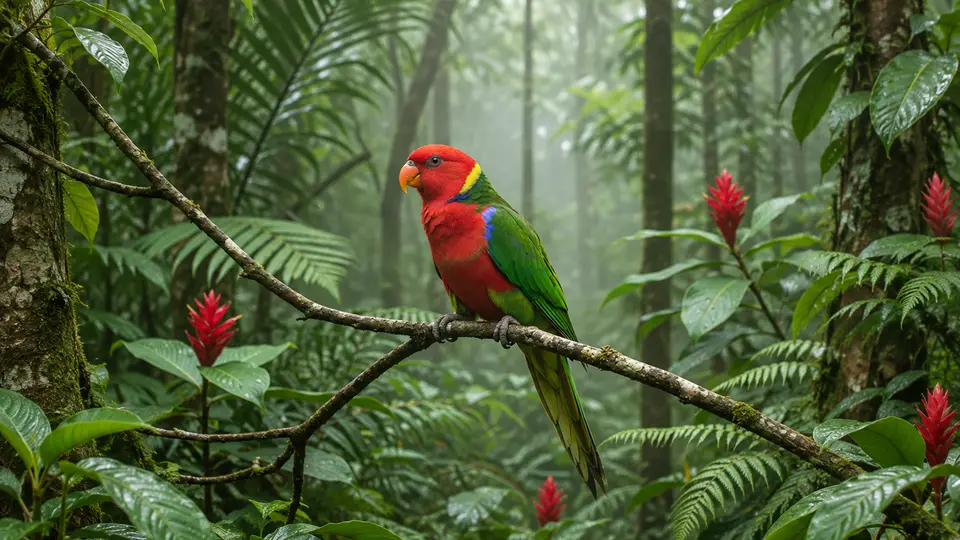
Collared lory in its natural habitat, AI illustration

Collared loryVini solitariaWhere and when to see them

Collared lory at a glance

The collared lory is a small, brilliantly coloured parrot native to Fiji. Its scarlet face and underparts, green wings and violet crown make it conspicuous when sunlight catches a feeding flock. Despite this colouring, birds can disappear surprisingly well among flowers and foliage. It occupies both native woodland and modified landscapes, making it one of Fiji's more approachable endemic birds where suitable flowering trees remain.

Behaviour & reproduction

Size
20-22 cm long
Weight
70-90 g
Lifespan
Not reliably established
Status
Least Concern

Collared lories travel in pairs or small, noisy groups, often announcing themselves with sharp calls before they become visible. They climb through flowering crowns, hanging at awkward angles to reach nectar and pollen. Fast, direct flights connect feeding trees, and local movements follow changing blossom supplies. Like many parrots, they nest in cavities, with breeding opportunities depending partly on the availability of suitable trees and food. Collared lories travel in pairs or small, noisy groups, often announcing themselves with sharp calls before they become visible. They climb through flowering crowns, hanging at awkward angles to reach nectar and pollen. Fast, direct flights connect feeding trees, and local movements follow changing blossom supplies. Like many parrots, they nest in cavities, with breeding opportunities depending partly on the availability of suitable trees and food. These movements can cover significant distances daily, dictated by the patchy and temporal availability of flowering trees. Pairs maintain strong bonds and often preen each other while resting.

Top wildlife locations

Fiji wildlife habitat

Fiji

Coastal gardens, village trees and forest edges on islands within its range offer plausible viewing. An inland excursion is not always necessary, but flowering activity and island distribution strongly affect opportunities.
Destinations describe the species' habitat, not guaranteed cruise stops. Some animals require an optional inland excursion or are found in restricted reserves.

Fun facts about the Collared lory

  • Its brush-tipped tongue helps collect pollen as well as nectar.
  • The species is native only to Fiji.
  • It can feed while hanging upside down from slender branches.
  • Its scientific placement has changed, and older references often call it Phigys solitarius.

Best time to see the Collared lory

Observation is possible throughout the year where the species occurs. May to October generally offers less humid conditions for shore excursions, but flowering trees matter more than a fixed calendar. This travel window should not be interpreted as a single, island-wide breeding season. Observation is possible throughout the year where the species occurs. May to October generally offers less humid conditions for shore excursions, but flowering trees matter more than a fixed calendar. This travel window should not be interpreted as a single, island-wide breeding season. Breeding activity has been noted year-round, peaking when abundant food resources are available, rather than being tied to a specific season. Early morning and late afternoon are typically the most active times for feeding and vocalization, making these periods ideal for observation.

Collared lory: season matrix by destination

Travel and observation windows vary by region. Highlighted months are an orientation for planning, not confirmed sightings or a guarantee of access.

Fiji

These generally drier travel months suit outdoor observation; resident birds may be present year-round, and flowering determines local activity.

JanFebMarAprMayJunJulAugSepOctNovDec
Cruise ships in Fiji

Where the Collared lory lives

This lory uses lowland and hill forest, forest edges, plantations and tree-rich gardens across several Fijian islands. Flowering coconut palms and other nectar sources can attract birds near the coast, although their distribution is not uniform among islands or settlements. This lory uses lowland and hill forest, forest edges, plantations and tree-rich gardens across several Fijian islands. Flowering coconut palms and other nectar sources can attract birds near the coast, although their distribution is not uniform among islands or settlements. It prefers areas with diverse flowering plants and can adapt to modified landscapes, but relies on native forest patches for nesting and shelter. The species is found on Viti Levu, Vanua Levu, Taveuni, Kadavu, Koro, Gau, Ovalau, and some smaller islands, demonstrating a wide but patchy distribution across the archipelago.

What the Collared lory eats

Nectar and pollen are central foods, gathered with a specialised brush-tipped tongue. Soft fruits and occasional small invertebrates supplement this floral diet. Birds move between plant species as flowering changes, so a productive tree may be busy briefly and quiet later. Nectar and pollen are central foods, gathered with a specialised brush-tipped tongue. Soft fruits and occasional small invertebrates supplement this floral diet. Birds move between plant species as flowering changes, so a productive tree may be busy briefly and quiet later. They are particularly fond of the nectar from coconut, drala (Erythrina variegata), and banana flowers. This specialized diet makes them important pollinators for many native Fijian plants.

Species at a glance

Common name
Collared lory
Scientific name
Vini solitaria
Animal group
Birds
Size
20-22 cm long
Weight
70-90 g
Lifespan
Not reliably established
Status
Least Concern
Identification
Its red face and belly, green wings and violet crown distinguish it from Fiji's predominantly green native parrots. Its red face and belly, green wings and violet crown distinguish it from Fiji's predominantly green native parrots. The purple-blue crown extends from the forehead to the nape, contrasting sharply with the bright green back. Juveniles have a duller plumage, with less distinct violet on the head and a more muted red on the face and underparts.

Collared lory: frequently asked questions

Where can I see the Collared lory?
Fiji. Watch flowering trees from established paths, preferably early in the morning. Do not offer sugary drinks or fruit, and avoid approaching nest cavities. Calling birds may remain hidden high in foliage. Watch flowering trees from established paths, preferably early in the morning. Do not offer sugary drinks or fruit, and avoid approaching nest cavities. Calling birds may remain hidden high in foliage. Their distinctive high-pitched calls often give away their presence before they are seen. Binoculars are highly recommended to appreciate their vibrant plumage while feeding in the canopy.
When is the best time to see the Collared lory?
Observation is possible throughout the year where the species occurs. May to October generally offers less humid conditions for shore excursions, but flowering trees matter more than a fixed calendar. This travel window should not be interpreted as a single, island-wide breeding season. Observation is possible throughout the year where the species occurs. May to October generally offers less humid conditions for shore excursions, but flowering trees matter more than a fixed calendar. This travel window should not be interpreted as a single, island-wide breeding season. Breeding activity has been noted year-round, peaking when abundant food resources are available, rather than being tied to a specific season. Early morning and late afternoon are typically the most active times for feeding and vocalization, making these periods ideal for observation.
How big does the Collared lory get?
20-22 cm long. Adult weight: 70-90 g. Size varies with age, sex and population.
How should I behave around the Collared lory?
Watch flowering trees from established paths, preferably early in the morning. Do not offer sugary drinks or fruit, and avoid approaching nest cavities. Calling birds may remain hidden high in foliage. Watch flowering trees from established paths, preferably early in the morning. Do not offer sugary drinks or fruit, and avoid approaching nest cavities. Calling birds may remain hidden high in foliage. Their distinctive high-pitched calls often give away their presence before they are seen. Binoculars are highly recommended to appreciate their vibrant plumage while feeding in the canopy.
What does the Collared lory eat?
Nectar and pollen are central foods, gathered with a specialised brush-tipped tongue. Soft fruits and occasional small invertebrates supplement this floral diet. Birds move between plant species as flowering changes, so a productive tree may be busy briefly and quiet later. Nectar and pollen are central foods, gathered with a specialised brush-tipped tongue. Soft fruits and occasional small invertebrates supplement this floral diet. Birds move between plant species as flowering changes, so a productive tree may be busy briefly and quiet later. They are particularly fond of the nectar from coconut, drala (Erythrina variegata), and banana flowers. This specialized diet makes them important pollinators for many native Fijian plants.
Are wildlife sightings guaranteed on an adventure cruise?
No. Animals move freely and routes, weather, access restrictions and local conditions influence every outing. Confirm the actual itinerary and shore program before booking.

Compare wildlife in the same destinations

Explore other birds recorded in these destinations. Similar surroundings do not mean the animals share the same habits or viewing season.

Species comparison by animal group and destination
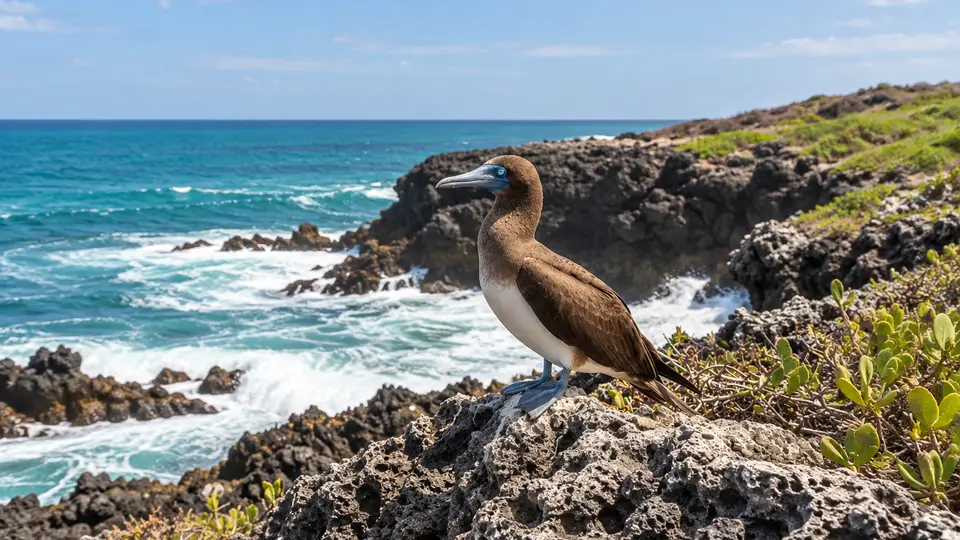
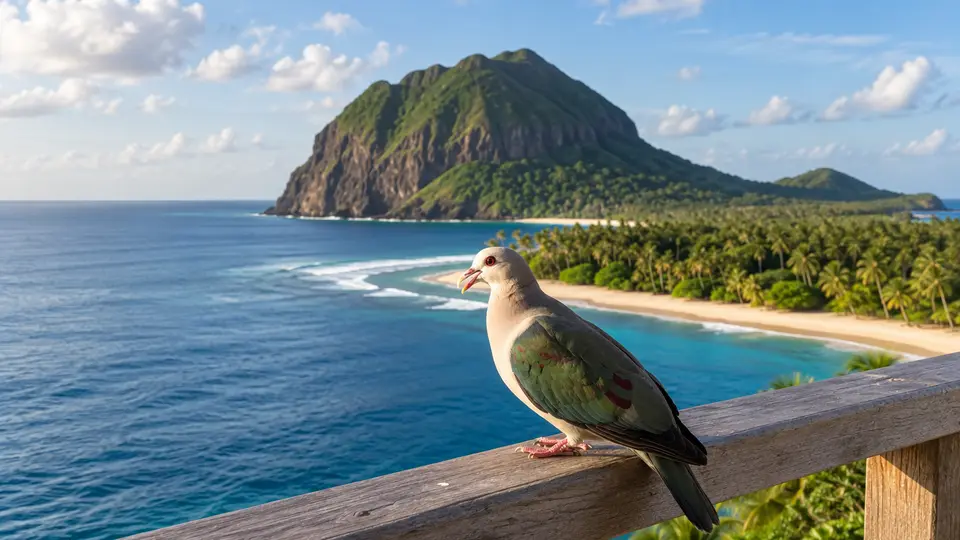
Collared loryCollared loryBarking imperial pigeonBarking imperial pigeonBrown BoobyBrown Booby
Animal groupBirdsAnimal groupBirdsAnimal groupBirds
DestinationsFijiDestinationsFijiDestinationsCosta Rica, Cape Verde, Egypt, Fiji, Polynesia
All wildlife destinations
Plan your trip

Find your next wildlife adventure

Compare destinations, shore programs and dates with the animals and habitats you would love to see.

  • Naturalist-led shore excursions
  • Responsible wildlife watching
  • Small expedition ships

Newsletter

Take Blue Rides with you

Adventure cruise offers, last-minute deals and trip inspiration.

Free, unsubscribe anytime. Details: Privacy Policy

Partner with Blue Rides

Affiliate Program

Recommend adventure cruises and earn commission on every confirmed booking.

Share. Track. Earn.

Your footage, our stage

Send us your videos or pictures.

Captured remarkable nature or wildlife on your journey? Share it with us, we may feature it on Blue Rides.