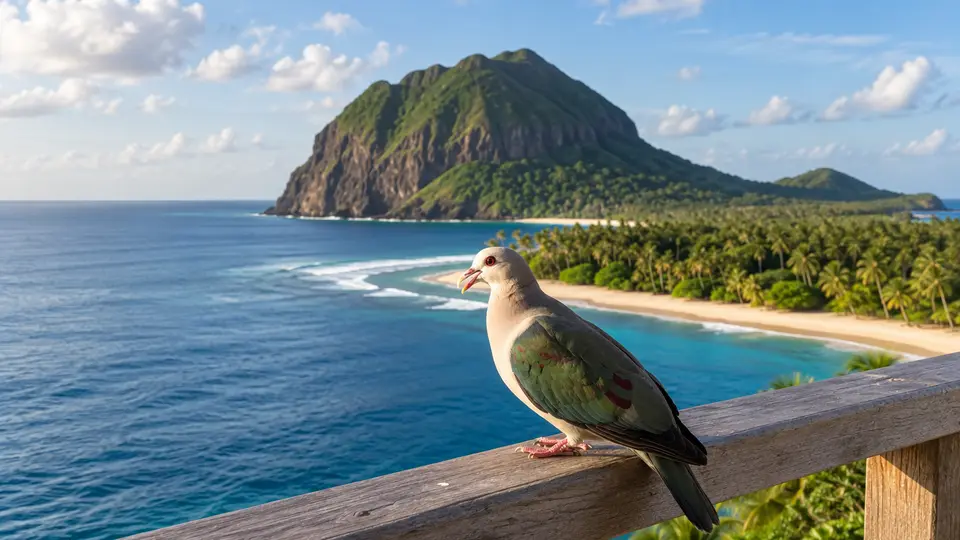
Barking imperial pigeon in its natural habitatAI-modified

Barking imperial pigeonDucula latransWhere and when to see them

Barking imperial pigeon at a glance

The barking imperial pigeon is a large fruit-eating pigeon native to Fiji. Its name refers to a forceful call that can sound surprisingly mammal-like when heard from a hidden forest perch. A pale head and body contrast with darker upperparts. As a consumer of fleshy fruits, it helps move seeds through island forests, connecting the biology of fruiting trees with the daily movements of a powerful flying bird.

Behaviour & reproduction

Size
40–44 cm (15.7–17.3 in) long
Weight
Not reliably established
Lifespan
Not reliably established
Status
Least Concern

Often noticed first by voice, this pigeon spends much of its time in the canopy, where foliage can conceal even a large bird. Individuals and small groups visit fruiting trees, sometimes remaining quietly perched between feeding bouts. Strong flights carry them between feeding patches. Like other imperial pigeons, they build relatively simple twig platforms, and their canopy-centered habits favor patient watching from open forest edges rather than searching the ground. They typically build nests in high canopy trees, often preferring forks in branches or dense vine tangles for concealment. Their flight is strong and direct, characterized by powerful wing beats, especially when traversing open gaps between forest patches.

Top wildlife locations

Fiji wildlife habitatAI-modified

Fiji

Forested coastal slopes and accessible woodland edges may provide views where the species occurs. Better habitat can require an inland excursion, and its presence should not be assumed on every resort island.
Destinations describe the species' habitat, not guaranteed cruise stops. Some animals require an optional inland excursion or are found in restricted reserves.

Fun facts about the Barking imperial pigeon

  • Its scientific epithet latrans means barking.
  • It is naturally restricted to Fiji.
  • Swallowing fruits whole helps it transport seeds between forest patches.
  • A calling bird can remain surprisingly difficult to locate in the canopy.

Best time to see the Barking imperial pigeon

Fiji's generally drier months offer a practical window for forest-edge walking and listening. The species is resident, so no migration arrival is required. Fruiting patterns, wind and rain influence daily detectability, and the travel window is not a fixed breeding calendar. Visiting during the dry season (May to October) often provides clearer skies and easier access to forest trails, enhancing viewing opportunities. While the species is resident, specific fruiting cycles, which vary by location and year, will dictate peak local abundance.

Barking imperial pigeon: season matrix by destination

Travel and observation windows vary by region. Highlighted months are an orientation for planning, not confirmed sightings or a guarantee of access.

Fiji

Generally drier conditions favor land-based forest visits; fruit availability and local island distribution determine actual observation prospects.

JanFebMarAprMayJunJulAugSepOctNovDec
Cruise ships in Fiji

Where the Barking imperial pigeon lives

Native forest, secondary woodland and well-treed landscapes provide feeding and resting habitat across parts of Fiji. Both lowland and upland areas can be used where fruiting trees remain. Local island distribution and forest condition matter more than coastal proximity alone. They are tolerant of some habitat modification, often found in fragmented forests and even large gardens with suitable trees. While primarily an inland species, individuals can occasionally be seen near coastal areas where forest cover extends close to the shore.

What the Barking imperial pigeon eats

Fleshy fruits dominate the diet, including figs and fruits of other forest trees. Items are often swallowed whole, allowing some seeds to be dispersed away from the parent tree. Feeding locations change as different trees and forest patches come into fruit. Their broad gape allows consumption of large fruits, and they are important seed dispersers for many native tree species. Although primarily frugivorous, some observations suggest occasional consumption of insects or small invertebrates, particularly during breeding season.

Species at a glance

Common name
Barking imperial pigeon
Scientific name
Ducula latrans
Animal group
Birds
Size
40–44 cm (15.7–17.3 in) long
Weight
Not reliably established
Lifespan
Not reliably established
Status
Least Concern
Identification
Its pale head, grey underparts and dark upperparts, together with a distinctive barking call, separate it from Fiji's smaller, more brightly colored fruit doves. Note its relatively large size, similar to a crow, distinguishing it from smaller fruit doves. The pale head often appears almost white in good light, providing a strong contrast with its darker body plumage.

Barking imperial pigeon: frequently asked questions

Where can I see the Barking imperial pigeon?
Fiji. Listen from established forest paths and scan fruiting crowns with binoculars. Avoid playback and approaching nest trees; remain clear of steep, slippery forest edges, and let perched birds settle instead of repeatedly moving beneath them. Early morning and late afternoon are generally the best times for detection when birds are most active in fruiting trees. Patience is key; stake out a fruiting tree and wait quietly, as they can remain still for extended periods.
When is the best time to see the Barking imperial pigeon?
Fiji's generally drier months offer a practical window for forest-edge walking and listening. The species is resident, so no migration arrival is required. Fruiting patterns, wind and rain influence daily detectability, and the travel window is not a fixed breeding calendar. Visiting during the dry season (May to October) often provides clearer skies and easier access to forest trails, enhancing viewing opportunities. While the species is resident, specific fruiting cycles, which vary by location and year, will dictate peak local abundance.
How big does the Barking imperial pigeon get?
40–44 cm (15.7–17.3 in) long. Adult weight: Not reliably established. Size varies with age, sex and population.
How should I behave around the Barking imperial pigeon?
Listen from established forest paths and scan fruiting crowns with binoculars. Avoid playback and approaching nest trees; remain clear of steep, slippery forest edges, and let perched birds settle instead of repeatedly moving beneath them. Early morning and late afternoon are generally the best times for detection when birds are most active in fruiting trees. Patience is key; stake out a fruiting tree and wait quietly, as they can remain still for extended periods.
What does the Barking imperial pigeon eat?
Fleshy fruits dominate the diet, including figs and fruits of other forest trees. Items are often swallowed whole, allowing some seeds to be dispersed away from the parent tree. Feeding locations change as different trees and forest patches come into fruit. Their broad gape allows consumption of large fruits, and they are important seed dispersers for many native tree species. Although primarily frugivorous, some observations suggest occasional consumption of insects or small invertebrates, particularly during breeding season.
Are wildlife sightings guaranteed on an adventure cruise?
No. Animals move freely and routes, weather, access restrictions and local conditions influence every outing. Confirm the actual itinerary and shore program before booking.

Compare wildlife in the same destinations

Explore other birds recorded in these destinations. Similar surroundings do not mean the animals share the same habits or viewing season.

Species comparison by animal group and destination
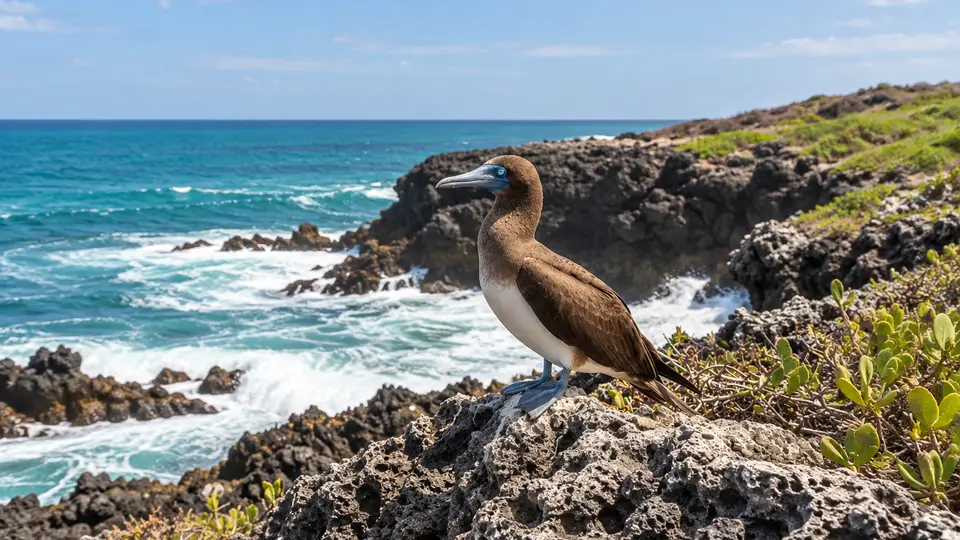
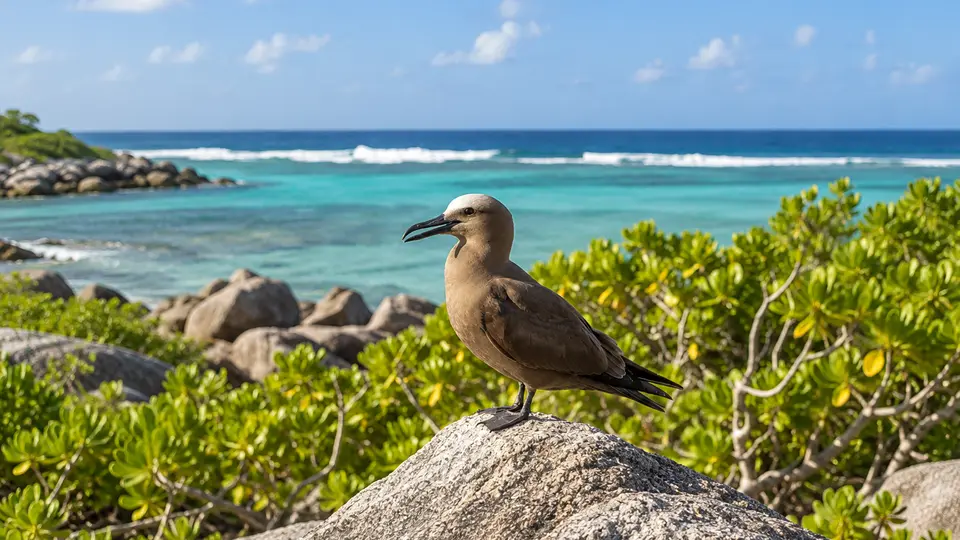
Barking imperial pigeonAI-modifiedBarking imperial pigeonBrown BoobyAI-modifiedBrown BoobyBrown NoddyAI-modifiedBrown Noddy
Animal groupBirdsAnimal groupBirdsAnimal groupBirds
DestinationsFijiDestinationsCosta Rica, Cape Verde, Egypt, Fiji, PolynesiaDestinationsSeychelles, Maldives, Fiji
Scientific nameDucula latransScientific nameScientific name
All wildlife destinations
AI-modified
Plan your trip

Find your next wildlife adventure

Compare destinations, shore programs and dates with the animals and habitats you would love to see.

  • Naturalist-led shore excursions
  • Responsible wildlife watching
  • Small expedition ships