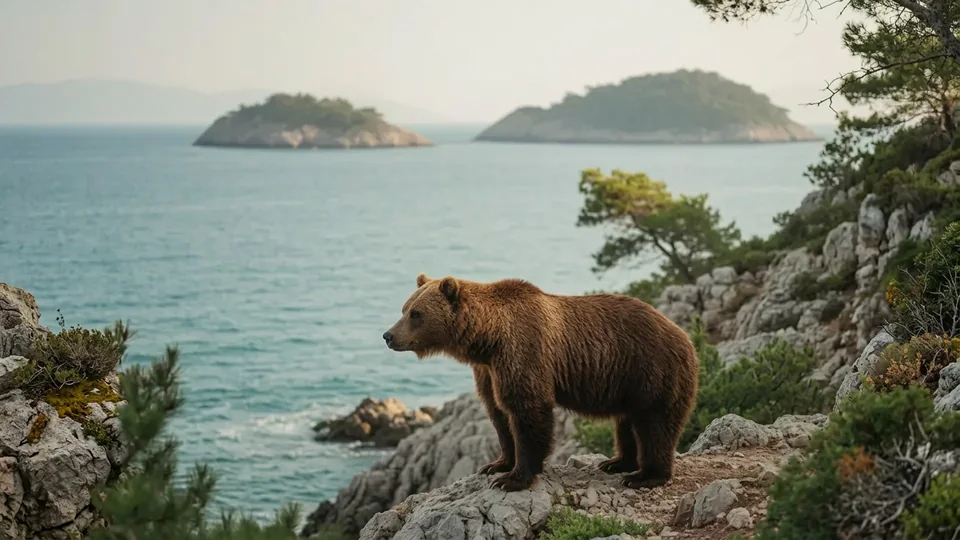
Brown Bear in its natural habitat, AI illustration

Brown BearUrsus arctosWhere and when to see them

Brown Bear at a glance

The brown bear is a highly adaptable omnivore distributed across parts of Eurasia and North America. Turkey supports populations mainly in forested and mountainous regions, rather than along ordinary visitor waterfronts. Body size and coat colour vary widely, and Turkish bears should not be imagined as equivalent in size or ecology to coastal Alaskan bears. Their survival depends on connected habitat, seasonal food supplies and coexistence with people around farms, roads and settlements.

Behaviour & reproduction

Size
1.5-2.8 m body length
Weight
80-350 kg in many Eurasian populations
Lifespan
20-30 years
Status
Least Concern

Brown bears are usually solitary except for mothers with cubs, mating pairs and temporary gatherings around abundant food. They travel widely, using an excellent sense of smell to locate meals and detect danger. Activity often shifts toward dusk or night where people are common. In colder regions they spend winter in dens, with pregnant females giving birth during this sheltered period. Cubs remain with their mother while learning feeding routes and other essential survival skills. Brown bears are generally crepuscular, meaning most active at dawn and dusk, but can be active at any time. Adult males may range over territories exceeding 1,000 square kilometers, while females with cubs typically have smaller, more protected home ranges. Cubs typically stay with their mother for 2-3 years, learning critical foraging techniques and how to navigate their environment safely before dispersing.

Top wildlife locations

Turkey wildlife habitat

Turkey

Ordinary coastal viewpoints are unsuitable for dependable bear watching. A specialist inland excursion to forested mountain valleys is required, with observations attempted from distant open-slope viewpoints rather than by entering dense cover.
Destinations describe the species' habitat, not guaranteed cruise stops. Some animals require an optional inland excursion or are found in restricted reserves.

Fun facts about the Brown Bear

  • Global Least Concern status does not mean every local population is secure.
  • Cubs are born while their mother occupies a winter den.
  • Brown bears can vary greatly in adult size between regions.
  • They walk on the soles of their feet, a stance called plantigrade locomotion.

Best time to see the Brown Bear

May through October is generally the most practical period for guided travel in Turkey's mountain bear habitat. Elevation, snow cover and local food cycles affect activity. Autumn feeding does not make close encounters appropriate, and winter denning means bears are less available without justifying searches for dens. Prime viewing opportunities often coincide with the availability of preferred food sources, such as ripe berries or fruit in late summer and early autumn. Guided trips during this period may allow observation of bears foraging in natural clearings or along forest edges. However, be aware that unpredictable weather and snow can impact accessibility, especially in higher elevations, even during the shoulder seasons.

Brown Bear: season matrix by destination

Travel and observation windows vary by region. Highlighted months are an orientation for planning, not confirmed sightings or a guarantee of access.

Turkey

These months generally allow mountain access and overlap active feeding; local snow, permissions and bear movements determine actual opportunities.

JanFebMarAprMayJunJulAugSepOctNovDec
Cruise ships in Turkey

Where the Brown Bear lives

In Turkey, brown bears occupy mountain forests, wooded valleys, alpine margins and remote mosaics of scrub and grassland. Dense cover offers refuge, while seasonal feeding may draw them into open slopes or orchards. Most appropriate habitat requires an inland journey away from cruise-oriented coastal areas. In Turkey, their range extends across the Black Sea, Mediterranean, and Eastern Anatolia regions, encompassing diverse elevations from sea level to over 2,500 meters. These adaptable omnivores can also utilize human modified landscapes including agricultural areas and forest plantations, especially where natural food sources are abundant.

What the Brown Bear eats

Grasses, herbs, roots, berries, nuts and other plant foods commonly dominate the diet. Bears also eat insects, carrion and vertebrate prey when available. Seasonal feeding is crucial before winter denning, and access to rubbish or deliberate feeding can create dangerous conflict with people. Despite their size, plant material typically comprises 70-80% of their annual diet. They are opportunistic feeders, often consuming insects like ants, beetles and their larvae by overturning rocks or digging up soil. During hyperphagia in autumn, bears consume vast quantities of calorie rich foods to build up fat reserves for winter denning.

Species at a glance

Common name
Brown Bear
Scientific name
Ursus arctos
Animal group
Mammals
Size
1.5-2.8 m body length
Weight
80-350 kg in many Eurasian populations
Lifespan
20-30 years
Status
Least Concern
Identification
A muscular shoulder hump, rounded ears and a concave facial profile distinguish brown bears from most black bears, although coat colour alone is unreliable. The often dark brown to black fur can sometimes exhibit a lighter, grizzled appearance on the back and shoulders, especially in older individuals. Their large claws, which are non-retractable and more than an inch long, are adapted for digging and are typically visible when tracks are observed. A prominent, stocky build with powerful legs further distinguishes them in their environment.

Brown Bear: frequently asked questions

Where can I see the Brown Bear?
Turkey. Arrange any bear watching with a reputable local wildlife guide, using distant viewpoints. Never approach cubs, bait bears or follow tracks into cover; secure food and follow the guide's encounter procedures. Maintain a significant safe distance of at least 100 meters, using binoculars or spotting scopes for detailed viewing. Avoid strong perfumes, bright clothing or loud noises that could alarm bears and disrupt their natural behaviors. Always stay with your guide and follow their instructions, particularly regarding group movement and vigilance.
When is the best time to see the Brown Bear?
May through October is generally the most practical period for guided travel in Turkey's mountain bear habitat. Elevation, snow cover and local food cycles affect activity. Autumn feeding does not make close encounters appropriate, and winter denning means bears are less available without justifying searches for dens. Prime viewing opportunities often coincide with the availability of preferred food sources, such as ripe berries or fruit in late summer and early autumn. Guided trips during this period may allow observation of bears foraging in natural clearings or along forest edges. However, be aware that unpredictable weather and snow can impact accessibility, especially in higher elevations, even during the shoulder seasons.
How big does the Brown Bear get?
1.5-2.8 m body length. Adult weight: 80-350 kg in many Eurasian populations. Size varies with age, sex and population.
How should I behave around the Brown Bear?
Arrange any bear watching with a reputable local wildlife guide, using distant viewpoints. Never approach cubs, bait bears or follow tracks into cover; secure food and follow the guide's encounter procedures. Maintain a significant safe distance of at least 100 meters, using binoculars or spotting scopes for detailed viewing. Avoid strong perfumes, bright clothing or loud noises that could alarm bears and disrupt their natural behaviors. Always stay with your guide and follow their instructions, particularly regarding group movement and vigilance.
What does the Brown Bear eat?
Grasses, herbs, roots, berries, nuts and other plant foods commonly dominate the diet. Bears also eat insects, carrion and vertebrate prey when available. Seasonal feeding is crucial before winter denning, and access to rubbish or deliberate feeding can create dangerous conflict with people. Despite their size, plant material typically comprises 70-80% of their annual diet. They are opportunistic feeders, often consuming insects like ants, beetles and their larvae by overturning rocks or digging up soil. During hyperphagia in autumn, bears consume vast quantities of calorie rich foods to build up fat reserves for winter denning.
Are wildlife sightings guaranteed on an adventure cruise?
No. Animals move freely and routes, weather, access restrictions and local conditions influence every outing. Confirm the actual itinerary and shore program before booking.

Compare wildlife in the same destinations

Explore other mammals recorded in these destinations. Similar surroundings do not mean the animals share the same habits or viewing season.

Species comparison by animal group and destination
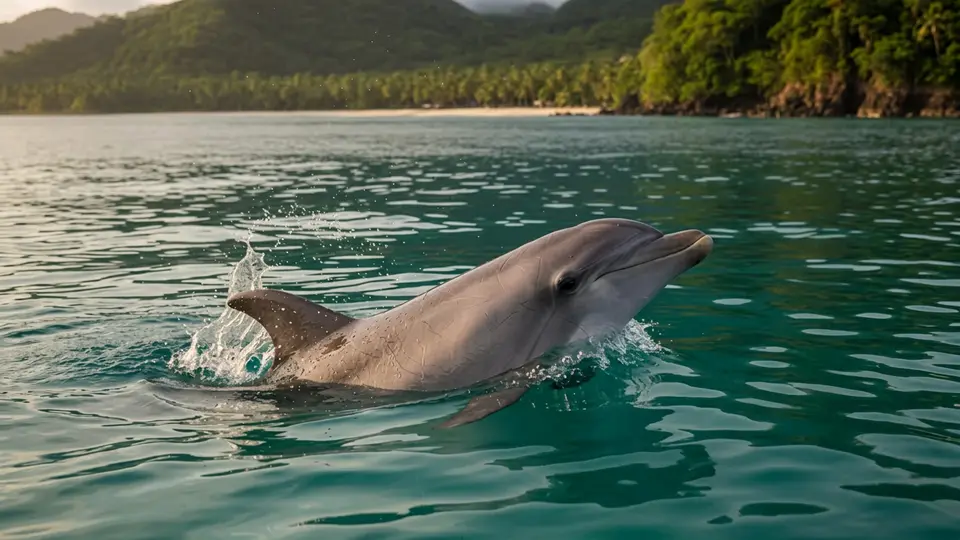
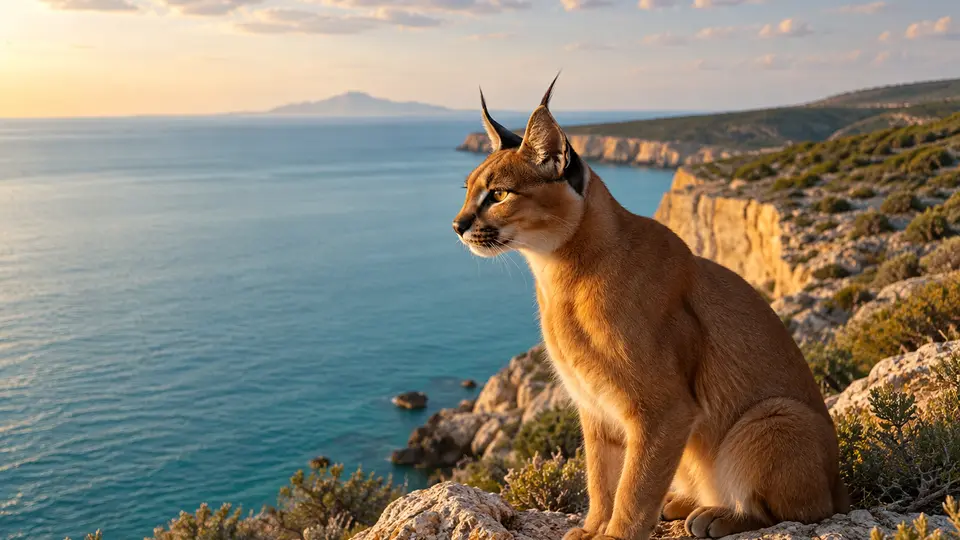
Brown BearBrown BearCaracalCaracalCommon Bottlenose DolphinCommon Bottlenose Dolphin
Animal groupMammalsAnimal groupMammalsAnimal groupMammals
DestinationsTurkeyDestinationsTurkeyDestinationsCosta Rica, Florida, Galapagos, Mexico, Cape Verde, Croatia, Greece, Portugal, Scotland, Seychelles, Turkey, Maldives, Australia, New Zealand
All wildlife destinations
Plan your trip

Find your next wildlife adventure

Compare destinations, shore programs and dates with the animals and habitats you would love to see.

  • Naturalist-led shore excursions
  • Responsible wildlife watching
  • Small expedition ships

Newsletter

Take Blue Rides with you

Adventure cruise offers, last-minute deals and trip inspiration.

Free, unsubscribe anytime. Details: Privacy Policy

Partner with Blue Rides

Affiliate Program

Recommend adventure cruises and earn commission on every confirmed booking.

Share. Track. Earn.

Your footage, our stage

Send us your videos or pictures.

Captured remarkable nature or wildlife on your journey? Share it with us, we may feature it on Blue Rides.