Blue-footed Booby in its natural habitat, AI illustration

Blue-footed Booby: where and when to see them

Sula nebouxii

Blue-footed Booby at a glance

The blue-footed booby is an eastern Pacific seabird best known for the vivid feet displayed during courtship. Brown upperparts, a pale streaked head and white underparts give adults a less striking appearance above the ankles. It nests on open coastal ground and islands, but spends much of its feeding time at sea. Breeding performance is closely linked to schooling fish, so changes in ocean productivity can affect colony attendance and chick survival.

Behaviour & reproduction

Size
76–84 cm long
Weight
1–1.8 kg
Lifespan
15–20 years
Status
Least Concern

Courtship includes exaggerated steps that lift the feet for inspection, followed by bill pointing and wing displays. Pairs nest on bare ground, where adults use their feet to warm eggs. At sea, birds locate schooling fish from the air and enter the water at speed, sometimes feeding in coordinated groups. Food shortages can intensify competition between chicks, and colonies may reduce or postpone breeding when local conditions become unfavourable. The striking blue color of their feet is derived from carotenoid pigments in their diet, signaling health and reproductive fitness. Monogamous pairs often reuse the same nest site year after year. Chicks are semialtricial, meaning they are helpless at birth and require extensive parental care for several months.

Top wildlife locations

Costa Rica wildlife habitat

Costa Rica

Pacific coastal rocks and offshore islets offer plausible resting habitat, but blue-footed boobies are localized or irregular visitors. Shore observation is uncommon, and inaccessible islets should not be treated as routine landing destinations.

Adventure cruises in Costa Rica
Galapagos wildlife habitat

Galapagos

Authorized coastal trails and viewpoints near open rocky nesting habitat can offer land-based observation. Access is regulated, some colonies are inaccessible, and birds should never be approached beyond the permitted route.

Adventure cruises in Galapagos
Mexico wildlife habitat

Mexico

Gulf of California islands and some Pacific coastal rocks provide suitable habitat, with distant views possible from shore or deck. Many nesting islands are protected or inaccessible, requiring observation without landing.

Adventure cruises in Mexico

Destinations describe the species' habitat, not guaranteed cruise stops. Some animals require an optional inland excursion or are found in restricted reserves.

Fun facts about the Blue-footed Booby

  • Foot colour is influenced by dietary pigments and physical condition.
  • Males prominently lift their feet during courtship.
  • Adults warm eggs with their well-supplied feet.
  • Females are generally larger than males and have different-sounding calls.

Best time to see the Blue-footed Booby

In the Galapagos, birds can be observed year-round, while courtship and nesting vary between colonies and with food supply. Mexican opportunities depend on regional colonies and access. Costa Rican occurrence is localized and irregular, so no general national breeding or shore-viewing season is justified. In Costa Rica, look for them mainly off the Pacific coast, particularly around offshore islands and protected areas. Mexican populations can be found year-round along the Pacific coast and in the Gulf of California. Galapagos cruises offer excellent opportunities to observe all stages of their life cycle due to the continuous breeding.

Blue-footed Booby: season matrix by destination

Travel and observation windows vary by region. Highlighted months are an orientation for planning, not confirmed sightings or a guarantee of access.

Costa Rica

Available occurrence patterns do not support a dependable countrywide shore-observation window.

JanFebMarAprMayJunJulAugSepOctNovDec
Cruise ships in Costa Rica

Galapagos

Year-round presence supports observation throughout the year; breeding schedules and colony activity vary with local food conditions.

JanFebMarAprMayJunJulAugSepOctNovDec
Cruise ships in Galapagos

Mexico

A practical cooler-season coastal travel window in northwestern Mexico, not a uniform breeding season or assurance of local presence.

JanFebMarAprMayJunJulAugSepOctNovDec
Cruise ships in Mexico

Where the Blue-footed Booby lives

Rocky islands, dry coastal slopes and open shoreline terraces provide nesting and resting sites. Feeding occurs in productive eastern Pacific coastal waters. The species is not distributed evenly along every coastline, and many colonies lie on islands with controlled or unavailable public access. Though primarily coastal, foraging adults may travel up to 60 miles offshore to find food. Nesting colonies can range from a few pairs to several thousand individuals. These boobies often choose flat, open areas free of dense vegetation for their nesting sites.

What the Blue-footed Booby eats

Small schooling fish, including anchovies and sardines, dominate the diet, with other fish taken according to local abundance. Prey availability strongly influences breeding success. Adults return food to chicks by regurgitation, and older chicks may receive much larger meals than their smaller siblings. They employ a spectacular plunge-diving technique, sometimes from heights of 50 to 100 feet. Blue-footed boobies are highly opportunistic foragers, adapting their diet to the most abundant local prey. Unique to their foraging, they often dive headfirst into shallow waters, sometimes even swimming underwater to pursue fish.

Species at a glance

Common name
Blue-footed Booby
Scientific name
Sula nebouxii
Animal group
Birds
Size
76–84 cm long
Weight
1–1.8 kg
Lifespan
15–20 years
Status
Least Concern
Identification
Adults combine bright blue feet, brown upperparts and a streaked pale head, unlike the whiter Nazca booby or predominantly dark-headed brown booby. Juveniles are similar to adults but have duller feet and a more uniform brownish head and neck. In flight, they show white underparts with dark flight feathers and a contrasting dark tail. Their pale, streaked head provides good camouflage against the bright sky during foraging dives.

Blue-footed Booby: frequently asked questions

Where can I see the Blue-footed Booby?
Costa Rica, Galapagos, Mexico. Stay on authorized coastal trails and leave ample space around ground nests and resting birds. Never coax a foot display or block a bird's route; eggs and chicks may lie close to apparently empty ground. When viewing from a boat, maintain a respectful distance to avoid disturbing foraging or resting birds. Use binoculars or a spotting scope for detailed views of their intricate foot displays and nesting activities. Observe how they interact with their environment, noting their unique foraging strategies from the deck.
When is the best time to see the Blue-footed Booby?
In the Galapagos, birds can be observed year-round, while courtship and nesting vary between colonies and with food supply. Mexican opportunities depend on regional colonies and access. Costa Rican occurrence is localized and irregular, so no general national breeding or shore-viewing season is justified. In Costa Rica, look for them mainly off the Pacific coast, particularly around offshore islands and protected areas. Mexican populations can be found year-round along the Pacific coast and in the Gulf of California. Galapagos cruises offer excellent opportunities to observe all stages of their life cycle due to the continuous breeding.
How big does the Blue-footed Booby get?
76–84 cm long. Adult weight: 1–1.8 kg. Size varies with age, sex and population.
How should I behave around the Blue-footed Booby?
Stay on authorized coastal trails and leave ample space around ground nests and resting birds. Never coax a foot display or block a bird's route; eggs and chicks may lie close to apparently empty ground. When viewing from a boat, maintain a respectful distance to avoid disturbing foraging or resting birds. Use binoculars or a spotting scope for detailed views of their intricate foot displays and nesting activities. Observe how they interact with their environment, noting their unique foraging strategies from the deck.
What does the Blue-footed Booby eat?
Small schooling fish, including anchovies and sardines, dominate the diet, with other fish taken according to local abundance. Prey availability strongly influences breeding success. Adults return food to chicks by regurgitation, and older chicks may receive much larger meals than their smaller siblings. They employ a spectacular plunge-diving technique, sometimes from heights of 50 to 100 feet. Blue-footed boobies are highly opportunistic foragers, adapting their diet to the most abundant local prey. Unique to their foraging, they often dive headfirst into shallow waters, sometimes even swimming underwater to pursue fish.
Are wildlife sightings guaranteed on an adventure cruise?
No. Animals move freely and routes, weather, access restrictions and local conditions influence every outing. Confirm the actual itinerary and shore program before booking.

Compare wildlife in the same destinations

Explore other birds recorded in these destinations. Similar surroundings do not mean the animals share the same habits or viewing season.

Species comparison by animal group and destination
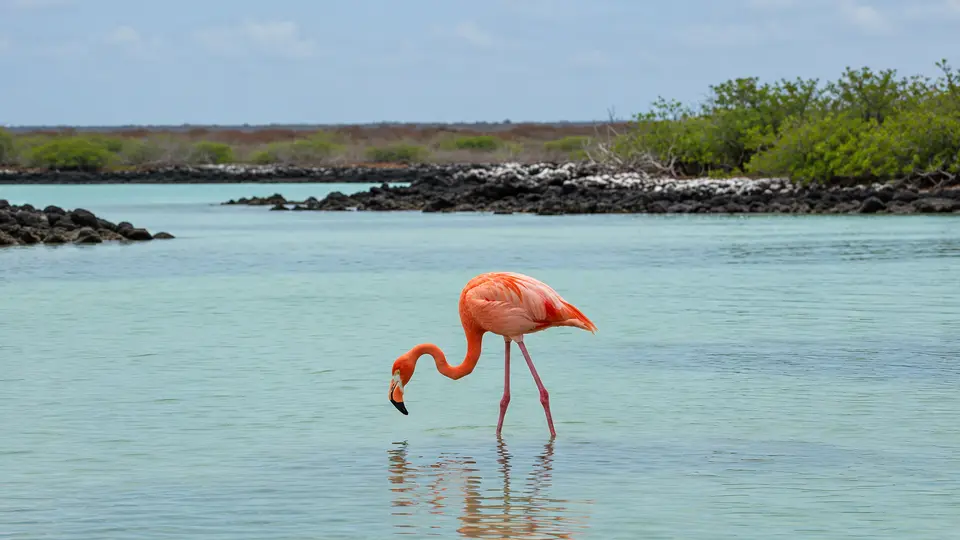
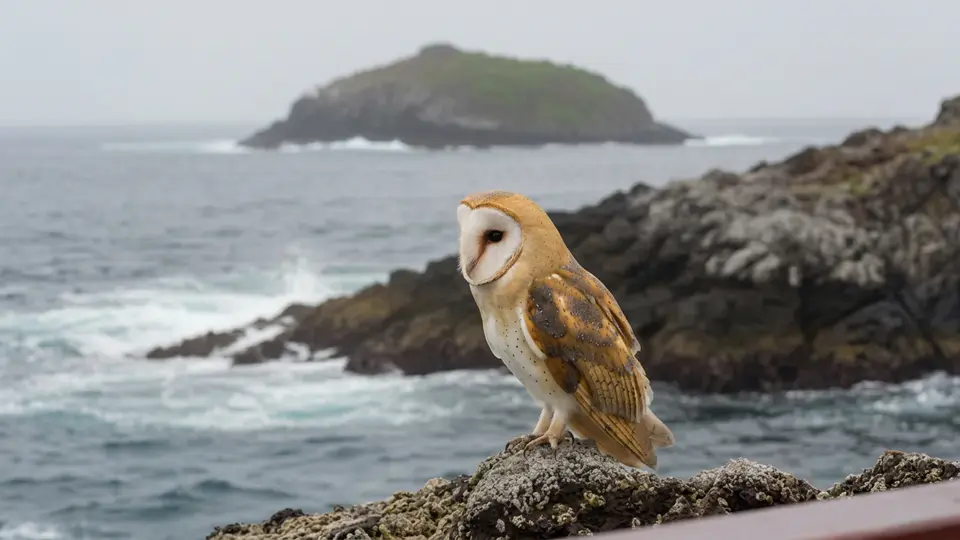
Blue-footed BoobyBlue-footed BoobyAmerican FlamingoAmerican FlamingoBarn OwlBarn Owl
Animal groupBirdsAnimal groupBirdsAnimal groupBirds
DestinationsCosta Rica, Galapagos, MexicoDestinationsGalapagos, MexicoDestinationsGalapagos
All wildlife destinations
Plan your trip

Find your next wildlife adventure

Compare destinations, shore programs and dates with the animals and habitats you would love to see.

  • Naturalist-led shore excursions
  • Responsible wildlife watching
  • Small expedition ships

Newsletter

Take Blue Rides with you

Adventure cruise offers, last-minute deals and trip inspiration.

Free, unsubscribe anytime. Details: Privacy Policy

Partner with Blue Rides

Affiliate Program

Recommend adventure cruises and earn commission on every confirmed booking.

Share. Track. Earn.

Your footage, our stage

Send us your videos or pictures.

Captured beautiful landscapes or wildlife? Share your videos and pictures with us, we may feature them on Blue Rides.