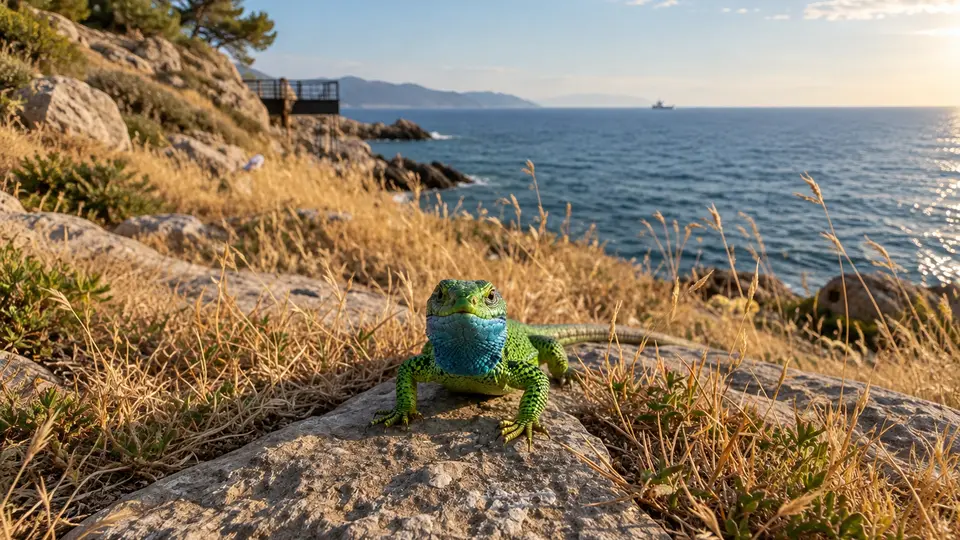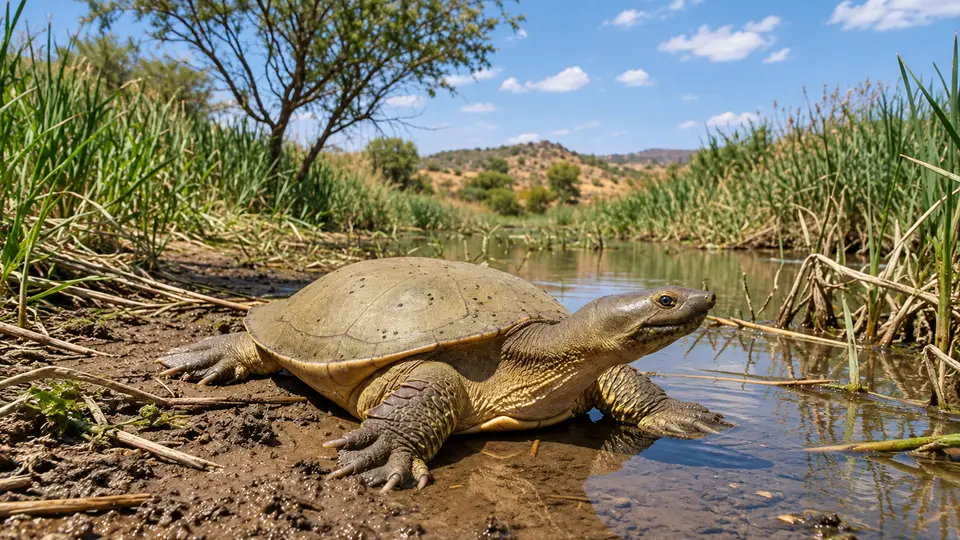
African Softshell Turtle in its natural habitat, AI illustration

African Softshell TurtleTrionyx triunguisWhere and when to see them

African Softshell Turtle at a glance

The African softshell turtle is a large aquatic reptile with a flattened, leathery shell and a long, flexible neck. Its nostrils sit at the end of a short snorkel-like snout, allowing discreet breathing at the surface. Although widespread in parts of Africa, it also survives in scattered eastern Mediterranean populations, including southern Turkey. These northern populations face pressures from wetland alteration, fishing gear, boat traffic and disturbance of sandy nesting areas.

Behaviour & reproduction

Size
60-100 cm carapace length
Weight
20-50 kg
Lifespan
Not reliably established
Status
Vulnerable

Usually secretive, this turtle spends much of its time concealed in soft bottom sediment or resting in quiet water. It may expose only its snout when breathing, making shore detection difficult. Individuals sometimes bask on banks or floating structures, but often retreat quickly when disturbed. Females leave the water to lay eggs in suitable sand or soil. Its powerful jaws and rapidly extending neck make handling dangerous for both turtle and observer. This species exhibits a 'sit and wait' predatory strategy, often remaining motionless for extended periods awaiting unsuspecting prey. During nesting, females can lay multiple clutches of eggs in a single season, typically burying them deeply in sand.

Top wildlife locations

Turkey wildlife habitat

Turkey

Southern Turkish river mouths and coastal wetlands offer possible bank views, including the Dalyan system. An excursion to suitable wetland viewpoints is usually needed; turtles remain elusive and nesting banks require protection.
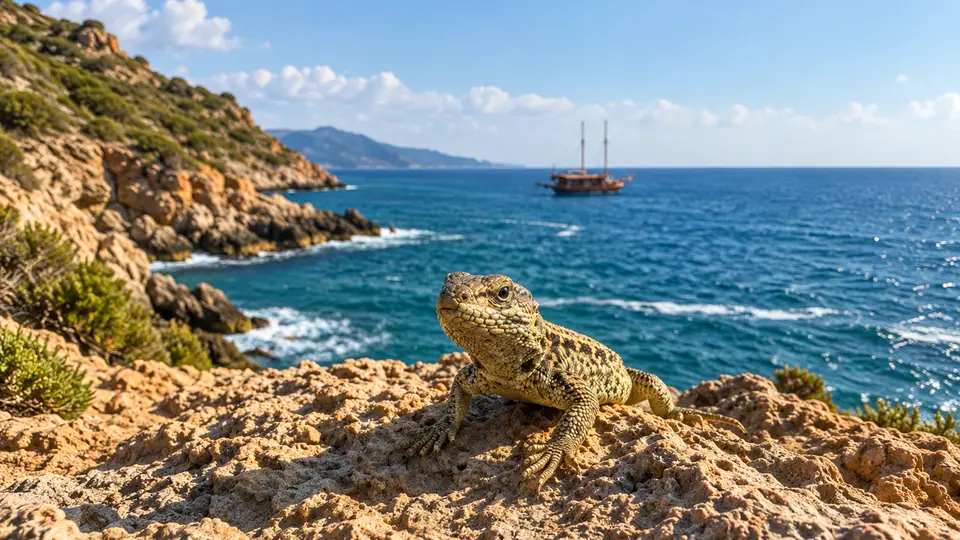
Destinations describe the species' habitat, not guaranteed cruise stops. Some animals require an optional inland excursion or are found in restricted reserves.

Fun facts about the African Softshell Turtle

  • The shell lacks the large external scutes familiar on most turtles.
  • Three clawed digits on each foot are reflected in the name triunguis.
  • It is the only living species currently placed in the genus Trionyx.
  • Mediterranean populations occupy the northern edge of its natural range.

Best time to see the African Softshell Turtle

Late spring through early autumn provides warmer conditions when surface activity and occasional basking may be more evident in Turkey. Cooler mornings can suit patient bank observation. Nesting timing varies locally, and visiting in summer does not ensure a visible turtle. Water temperatures above 20°C encourage greater activity, making warmer months ideal for potential sightings. During the hottest parts of summer, activity might shift towards cooler parts of the day, such as early morning or late evening.

African Softshell Turtle: season matrix by destination

Travel and observation windows vary by region. Highlighted months are an orientation for planning, not confirmed sightings or a guarantee of access.

Turkey

Warmer months support plausible shore observation of active turtles, but local access, water conditions and low detectability limit sightings.

JanFebMarAprMayJunJulAugSepOctNovDec
Cruise ships in Turkey

Where the African Softshell Turtle lives

It inhabits large rivers, lakes, marshes and estuaries, tolerating brackish conditions better than many freshwater turtles. In Turkey, suitable habitat includes lowland river mouths and connected coastal wetlands with soft substrates, sheltered water and nearby sandy nesting banks. While predominantly aquatic, this species requires accessible sandy banks for nesting, often traveling significant distances overland to reach suitable sites. Its presence in Turkey is primarily confined to the Mediterranean and Aegean coastal lowlands, particularly river deltas and connected lagoons.

What the African Softshell Turtle eats

Fish, crustaceans, molluscs and other aquatic animals are important foods, and carrion is also taken. The turtle can ambush prey while partly buried in sediment. Diet changes with local availability, and some plant material may be consumed alongside animal food. Its powerful jaws are well-suited for crushing mollusc shells, a common dietary component. Juveniles and adults may exhibit dietary differences, with smaller individuals consuming more aquatic insects and larvae.

Species at a glance

Common name
African Softshell Turtle
Scientific name
Trionyx triunguis
Animal group
Reptiles
Size
60-100 cm carapace length
Weight
20-50 kg
Lifespan
Not reliably established
Status
Vulnerable
Identification
Its broad, leathery shell without hard scutes and tubular snout distinguish it from Turkey’s hard-shelled freshwater turtles. Beyond its leathery shell, note its three prominent claws on each foot, a feature shared with other softshell turtles. The carapacial length of adults in Turkey can exceed 70 cm, making them one of the largest freshwater turtle species in the region.

African Softshell Turtle: frequently asked questions

Where can I see the African Softshell Turtle?
Turkey. Use binoculars from an established bank viewpoint and avoid approaching sandy nesting areas. Never feed, corner or handle a softshell turtle: its long neck reaches surprisingly far, and its bite can cause serious injury. Be aware of local regulations concerning protected areas; some coastal wetlands in Turkey are important conservation sites for this species. Look for disturbed sand on banks during nesting season as a sign of female activity, but maintain a respectful distance to avoid disturbance.
When is the best time to see the African Softshell Turtle?
Late spring through early autumn provides warmer conditions when surface activity and occasional basking may be more evident in Turkey. Cooler mornings can suit patient bank observation. Nesting timing varies locally, and visiting in summer does not ensure a visible turtle. Water temperatures above 20°C encourage greater activity, making warmer months ideal for potential sightings. During the hottest parts of summer, activity might shift towards cooler parts of the day, such as early morning or late evening.
How big does the African Softshell Turtle get?
60-100 cm carapace length. Adult weight: 20-50 kg. Size varies with age, sex and population.
How should I behave around the African Softshell Turtle?
Use binoculars from an established bank viewpoint and avoid approaching sandy nesting areas. Never feed, corner or handle a softshell turtle: its long neck reaches surprisingly far, and its bite can cause serious injury. Be aware of local regulations concerning protected areas; some coastal wetlands in Turkey are important conservation sites for this species. Look for disturbed sand on banks during nesting season as a sign of female activity, but maintain a respectful distance to avoid disturbance.
What does the African Softshell Turtle eat?
Fish, crustaceans, molluscs and other aquatic animals are important foods, and carrion is also taken. The turtle can ambush prey while partly buried in sediment. Diet changes with local availability, and some plant material may be consumed alongside animal food. Its powerful jaws are well-suited for crushing mollusc shells, a common dietary component. Juveniles and adults may exhibit dietary differences, with smaller individuals consuming more aquatic insects and larvae.
Are wildlife sightings guaranteed on an adventure cruise?
No. Animals move freely and routes, weather, access restrictions and local conditions influence every outing. Confirm the actual itinerary and shore program before booking.

Compare wildlife in the same destinations

Explore other reptiles recorded in these destinations. Similar surroundings do not mean the animals share the same habits or viewing season.

Species comparison by animal group and destination
African Softshell TurtleAfrican Softshell TurtleAnatolian Rock LizardAnatolian Rock LizardBalkan Green LizardBalkan Green Lizard
Animal groupReptilesAnimal groupReptilesAnimal groupReptiles
DestinationsTurkeyDestinationsTurkeyDestinationsTurkey
All wildlife destinations
Plan your trip

Find your next wildlife adventure

Compare destinations, shore programs and dates with the animals and habitats you would love to see.

  • Naturalist-led shore excursions
  • Responsible wildlife watching
  • Small expedition ships

Newsletter

Take Blue Rides with you

Adventure cruise offers, last-minute deals and trip inspiration.

Free, unsubscribe anytime. Details: Privacy Policy

Partner with Blue Rides

Affiliate Program

Recommend adventure cruises and earn commission on every confirmed booking.

Share. Track. Earn.

Your footage, our stage

Send us your videos or pictures.

Captured remarkable nature or wildlife on your journey? Share it with us, we may feature it on Blue Rides.