
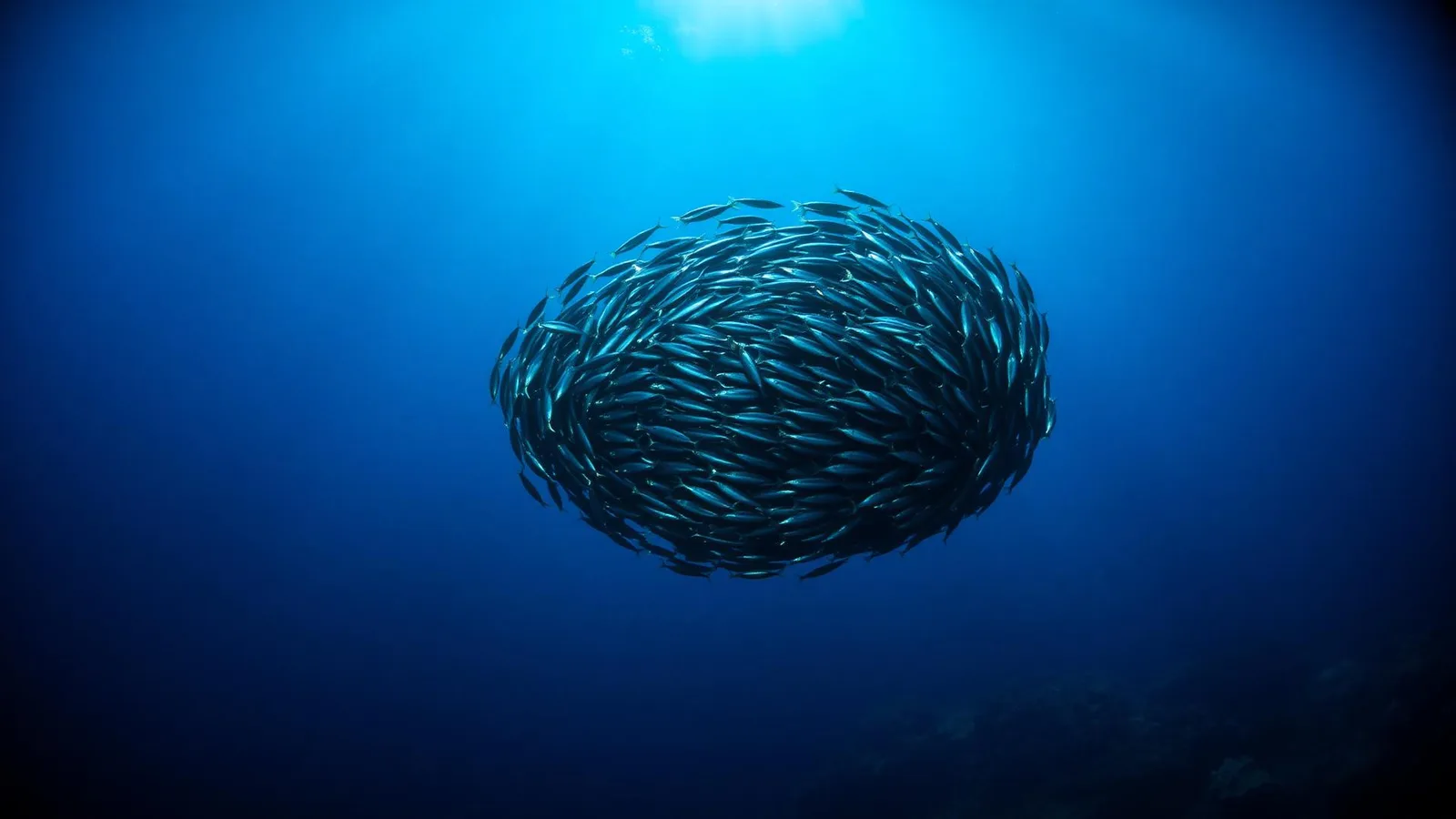
- Mercury from coal combustion and industrial processes enters the ocean, where microbes convert it to toxic methylmercury that biomagnifies up to 10 million-fold from water to top predators.
- PFAS compounds—used in firefighting foams, coatings, and industrial processes—are detectable in Arctic seawater and marine organisms far from any source.
- Persistent organic pollutants (PCBs, DDT, dioxins) persist in marine sediments and animal fat for decades, acting as endocrine disruptors.
- Killer whales and bottlenose dolphins carry PCB concentrations well above thresholds associated with immune suppression and reproductive failure.
- The Minamata Convention (2017) established the first global legally binding framework to reduce mercury emissions.
- PFAS do not degrade in the environment ('forever chemicals'), making remediation extraordinarily difficult once contamination occurs.
- Arctic amplification of chemical contamination means polar species accumulate some of the highest contaminant burdens on Earth despite remote geography.
In 1956, residents of Minamata Bay on Japan's Kyushu island began exhibiting a terrifying constellation of symptoms: uncontrolled tremors, loss of peripheral vision, deafness, cognitive impairment, and paralysis. Cats in the fishing village convulsed and threw themselves into the sea. Seabirds fell from the sky. The cause, eventually identified after years of suppression and denial, was methylmercury discharged from a chemical plant into the bay, bioaccumulated through the food chain, and concentrated to lethal levels in fish and shellfish that formed the dietary staple of the community. Minamata disease killed at least 2,000 people and left tens of thousands with permanent neurological damage. It was one of the most consequential industrial poisoning events in history—and its legacy shapes global environmental chemistry policy to this day. The Minamata Convention on Mercury, a legally binding international treaty that entered into force in 2017, takes its name from this catastrophe. Yet mercury is only one of a growing library of chemical threats to ocean health. Per- and polyfluoroalkyl substances (PFAS), persistent organic pollutants (POPs), polychlorinated biphenyls (PCBs), and endocrine-disrupting chemicals now contaminate marine organisms in every ocean, including in polar regions thousands of kilometres from the nearest factory.
Mercury: From Combustion to the Food Chain
Mercury is a naturally occurring element but has been dramatically redistributed by human industrial activity. Coal combustion is the largest anthropogenic source, releasing elemental mercury vapour into the atmosphere that circulates globally before depositing into the ocean via wet and dry deposition. Artisanal and small-scale gold mining is the second-largest source, releasing mercury directly into river systems that drain to the sea. Chlor-alkali plants, cement production, and non-ferrous metal smelting contribute additional loads. Once in the ocean, inorganic mercury undergoes microbial methylation—primarily by sulphate-reducing and iron-reducing bacteria in low-oxygen sediment zones—converting it to methylmercury (MeHg), a lipid-soluble, highly bioavailable organic form. Mason and colleagues documented the global biogeochemical cycling of mercury through ocean compartments and the policy implications of reducing anthropogenic emissions, demonstrating that ocean mercury burdens will continue rising for decades even after emission reductions begin [9].
Methylmercury's defining ecological property is biomagnification: its concentration increases at each trophic level as predators consume large numbers of prey, accumulating MeHg in their tissues at rates far exceeding metabolic elimination. A 2023 study in *Environmental Science & Technology* developed a global model of methylmercury biomagnification in marine food webs, quantifying the trophic amplification factor and identifying the dietary pathways most important for human exposure [1]. The model confirmed that large, long-lived predatory fish—tuna, swordfish, shark, orange roughy—carry the highest tissue burdens and represent the dominant route of human methylmercury exposure through seafood. Concentrations can be amplified up to 10 million-fold from ambient seawater through the food chain.
Minamata: A Case Study in Chemical Catastrophe
The Minamata disaster demonstrated with horrifying clarity what happens when industrial mercury discharge is concentrated through a local marine food web. The Chisso chemical plant discharged wastewater containing acetaldehyde production waste—rich in mercuric compounds—directly into Minamata Bay from 1932 until 1968. Shellfish, octopus, and fish accumulated mercury to concentrations orders of magnitude above background. Fishing families who ate these organisms daily received cumulative doses that caused irreversible neurological damage. The youngest victims were affected before birth: maternal MeHg crossed the placental barrier, causing congenital Minamata disease in children born to exposed mothers, with symptoms including severe cerebral palsy, intellectual disability, and seizures. The lesson—that a local discharge could contaminate an entire food web and devastate a human community dependent upon it—reverberated through global environmental regulation for decades.
PFAS: The Forever Chemicals Reach Every Corner of the Ocean
Per- and polyfluoroalkyl substances (PFAS) are a family of over 12,000 synthetic chemicals characterised by extremely strong carbon-fluorine bonds—some of the strongest in organic chemistry. This stability is what makes them useful as non-stick coatings (polytetrafluoroethylene), water and stain repellents, surfactants in aqueous film-forming foam (AFFF) firefighting agents, and industrial processing aids. It also means they do not degrade under environmental conditions, earning the informal label 'forever chemicals.' PFAS enter the ocean via wastewater treatment plant effluent, atmospheric deposition, and direct discharge from military and airport firefighting training sites.
A 2020 study published in *Environmental Science & Technology* investigated the transport of legacy PFAS and the PFOA replacement compound HFPO-DA through the Atlantic to the Arctic Ocean along a cruise transect from Europe to Svalbard [2]. The study found measurable concentrations of multiple PFAS compounds throughout the transect, with patterns suggesting that the Arctic Ocean acts as both a sink for southerly-sourced PFAS transported by ocean currents and, as sea ice melts, a potential re-release source as ice-bound contaminants return to the water column. An earlier 2017 study of vertical PFAS profiles in the Arctic Ocean found that perfluorooctane sulfonate (PFOS) and perfluorooctanoic acid (PFOA) dominated the dissolved load, with deep-water concentrations reflecting decades of historical production and atmospheric delivery [3].
A 2021 study confirmed that early thawing Arctic sea ice releases concentrated PFAS back into surface seawater, creating a pulse of contamination that coincides with the period of highest biological productivity in polar seas [8]. Marine organisms bioaccumulate PFAS through dietary and aqueous exposure routes. Unlike methylmercury, which concentrates in muscle tissue, PFAS preferentially bind to proteins and accumulate in blood, liver, and kidney. Seabirds, seals, polar bears, and cetaceans in Arctic regions carry PFAS burdens that have increased over time despite some regulatory restrictions, reflecting the persistence of legacy compounds already cycling through the environment.
Persistent Organic Pollutants and Endocrine Disruption
Persistent organic pollutants (POPs) are carbon-based compounds that resist degradation in the environment, bioaccumulate in fatty tissues, and have demonstrated or suspected toxic effects. The most infamous include polychlorinated biphenyls (PCBs), used as electrical transformer insulating fluids and banned in most countries by the 1980s; dichlorodiphenyltrichloroethane (DDT) and its metabolites; hexachlorobenzene; and dioxins and furans generated as industrial byproducts. The Stockholm Convention on Persistent Organic Pollutants (2001, in force 2004) established an international framework for phasing out or restricting these substances, though legacy contamination in marine sediments, food webs, and animal tissues persists for generations after emissions cease.
The endocrine-disrupting properties of POPs are well established. These chemicals mimic, block, or alter the activity of hormones—particularly oestrogens, androgens, and thyroid hormones—at parts-per-billion or parts-per-trillion concentrations. In marine mammals, the consequences are measurable and severe. A 2021 study in *Frontiers in Marine Science* documented bioaccumulation of PCBs, organochlorine pesticides (OCPs), and polybrominated diphenyl ethers (PBDEs) in marine mammals from West Antarctica, a region far from industrial sources [4]. The study found that species at higher trophic levels—leopard seals and killer whales—carried substantially higher burdens than those at lower levels, consistent with biomagnification. Ringed and grey seals in the Baltic Sea showed statistically significant associations between PCB body burden and depressed sex hormone concentrations, suggesting a direct endocrine mechanism linking contaminant exposure to reproductive impairment [7].
PCBs and the Decline of European Killer Whale Populations
European killer whale populations provide one of the most alarming contemporary case studies in POPs ecotoxicology. The Northeast Atlantic and Iberian populations number only a few dozen individuals, with reproductive rates far below replacement. Analysis of blubber biopsies has revealed PCB concentrations—up to 1,300 mg/kg lipid weight in some individuals—among the highest ever recorded in a wild mammal. At these concentrations, PCBs suppress immune function, interfere with sex steroid synthesis, and reduce calf survival. Because PCBs transfer efficiently from mothers to calves through lipid-rich milk, the contamination burden is effectively inherited. An early study by Lahvis and colleagues established the mechanistic link between PCB exposure and immune suppression in free-ranging bottlenose dolphins in the Southern California Bight, documenting decreased lymphocyte responses correlated with PCB and DDT tissue concentrations [5]. Even if PCB production and release were completely halted tomorrow, the legacy burden in existing animals and marine sediments would continue cycling through food webs for decades.
Heavy Metals Beyond Mercury: Cadmium, Lead, and Arsenic
Mercury receives the most scientific and regulatory attention among marine heavy metals, but cadmium, lead, and arsenic also represent significant ocean contaminants with distinct biological and ecological profiles. Cadmium, released by mining and phosphate fertiliser production, concentrates particularly in cephalopod molluscs—squid and cuttlefish—and in the liver and kidney of marine mammals. It is classified as a confirmed human carcinogen and nephrotoxin. Lead, though substantially reduced in marine inputs since the phase-out of leaded petrol, persists in sediments and continues to accumulate in marine organisms in regions with historical lead mining. Arsenic occurs in multiple organic and inorganic forms in seawater; marine organisms, particularly algae and shellfish, accumulate arsenobetaine—an organic form generally considered non-toxic—alongside inorganic arsenic species that are acutely toxic at elevated concentrations.
Regulatory Progress and Persistent Challenges
The Minamata Convention on Mercury, which entered into force in 2017, represents the most comprehensive international effort to reduce mercury emissions and releases. It mandates controls on coal-fired power plants, artisanal gold mining, dental amalgam, mercury-containing products, and industrial processes. Signatory nations are required to develop national action plans and report progress. The UNEP Global Mercury Assessment 2018 reported that global anthropogenic mercury emissions were approximately 2,220 tonnes per year, with artisanal gold mining having overtaken coal combustion as the largest single source in the intervening years since the first assessment [10].
PFAS regulation has accelerated in recent years following growing evidence of health effects and near-universal environmental detection. The EU's REACH regulation has restricted PFOS and PFOA, and a broader universal PFAS restriction covering the entire chemical family was under regulatory consideration as of 2024. In the United States, the EPA established the first legally enforceable drinking water standards for six PFAS compounds in 2024. However, marine environmental standards for PFAS remain absent or inadequate in most jurisdictions, and the sheer number of compounds in the PFAS family makes case-by-case regulation a Sisyphean task. Regulators increasingly advocate for grouping approaches that regulate whole chemical classes rather than individual substances.
Conclusion: The Chemical Legacy of Industrialisation
The ocean has absorbed the chemical by-products of industrial civilization for more than a century. Mercury, PFAS, PCBs, and the broader suite of persistent contaminants are not uniformly distributed—they travel via atmospheric deposition, ocean currents, and biological food webs to accumulate in the fat of top predators in the most remote regions on Earth. Minamata showed us what chemical contamination does to a local food web and a dependent human community. The diffuse global contamination documented today operates more slowly and less visibly, but the mechanisms are identical: chemicals enter the ocean, concentrate through food chains, and reach organisms and humans at doses that impair health and reproduction. Reversing this trajectory requires not only international agreements but fundamental changes in industrial chemistry—designing compounds that are effective, yet do not persist indefinitely in living systems and ecosystems.
References
- [1] Shi X et al. (2023) Toward a global model of methylmercury biomagnification in marine food webs: trophic dynamics and implications for human exposure. Environmental Science & Technology 57(19):7397–7409. doi:10.1021/acs.est.3c01299
- [2] Joerss H et al. (2020) Transport of legacy perfluoroalkyl substances and the replacement compound HFPO-DA through the Atlantic Gateway to the Arctic Ocean. Environmental Science & Technology 54(8):4798–4809. doi:10.1021/acs.est.0c00228
- [3] Stemmler I & Lammel G (2017) Vertical profiles, sources, and transport of PFASs in the Arctic Ocean. Environmental Science & Technology 51(12):6735–6744. doi:10.1021/acs.est.7b00788
- [4] Corsolini S et al. (2021) Bioaccumulation of PCBs, OCPs and PBDEs in marine mammals from West Antarctica. Frontiers in Marine Science 8:768715. doi:10.3389/fmars.2021.768715
- [5] Lahvis GP et al. (1995) Decreased lymphocyte responses in free-ranging bottlenose dolphins are associated with increased concentrations of PCBs and DDT in peripheral blood. Environmental Health Perspectives 103(Suppl 4):67–72. doi:10.1289/ehp.95103s467
- [6] UNEP (2001) Stockholm Convention on Persistent Organic Pollutants. United Nations Environment Programme.
- [7] Ólafsdóttir K et al. (2020) Polychlorinated biphenyls and sex hormone concentrations in ringed and grey seals: a possible link to endocrine disruption. Archives of Environmental Contamination and Toxicology 79(2):217–229. doi:10.1007/s00244-020-00716-z
- [8] Hao Q et al. (2021) High concentrations of perfluoroalkyl acids in Arctic seawater driven by early thawing sea ice. Environmental Science & Technology 55(17):11513–11521. doi:10.1021/acs.est.1c02283
- [9] Mason RP et al. (2012) Mercury biogeochemical cycling in the ocean and policy implications. Environmental Research 119:101–117. doi:10.1016/j.envres.2012.03.013
- [10] UNEP (2019) Global Mercury Assessment 2018. UN Environment Programme, Chemicals and Health Branch, Geneva.