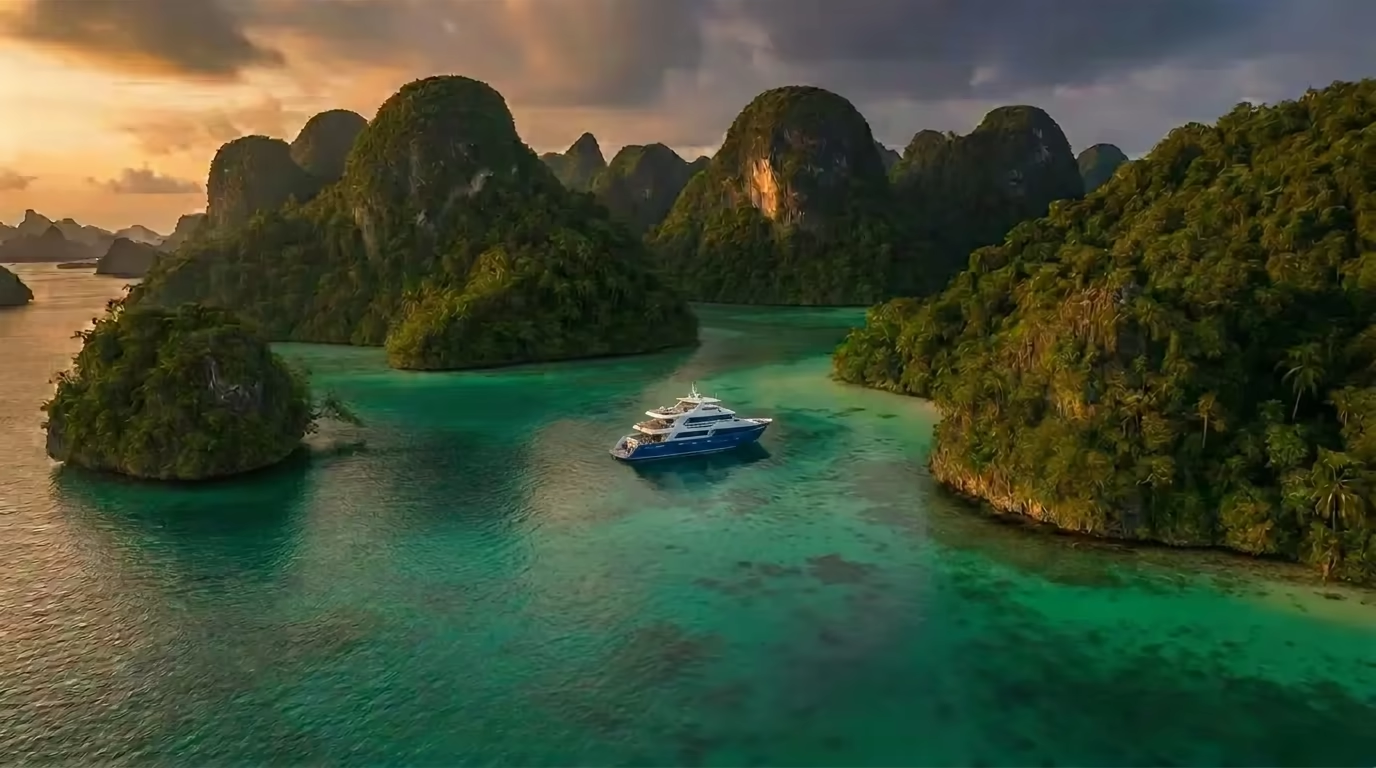
Dive into the Coral Triangle's wild frontier, where biodiversity and adventure are off the charts.
Welcome to Papua New Guinea, one of the last true frontiers in scuba diving. Nestled in the heart of the Coral Triangle, PNG boasts an almost unbelievable level of marine biodiversity, from the tiniest pygmy seahorse to schooling sharks and barracuda. This is where you come for diving that feels like genuine exploration. The signature destinations are legendary: Milne Bay, the birthplace of 'muck diving,' offers unparalleled critter hunting on volcanic sand slopes, while Kimbe Bay and the Bismarck Sea stun with their vast, healthy coral gardens, dramatic seamounts, and curtains of fish. Add in a rich history of WWII wrecks and you have a destination that ticks every box.
Choosing a liveaboard here is about more than just luxury; it's about finding a vessel capable of unlocking these remote wonders safely and comfortably. For this list, we've focused on operators with proven track records in PNG. We've assessed their vessel's range and stability, the quality of their dive tenders, their commitment to safety, and the expertise of their guides. The boats below are our top picks for experiencing the untamed magic of Papua New Guinea.
 #1
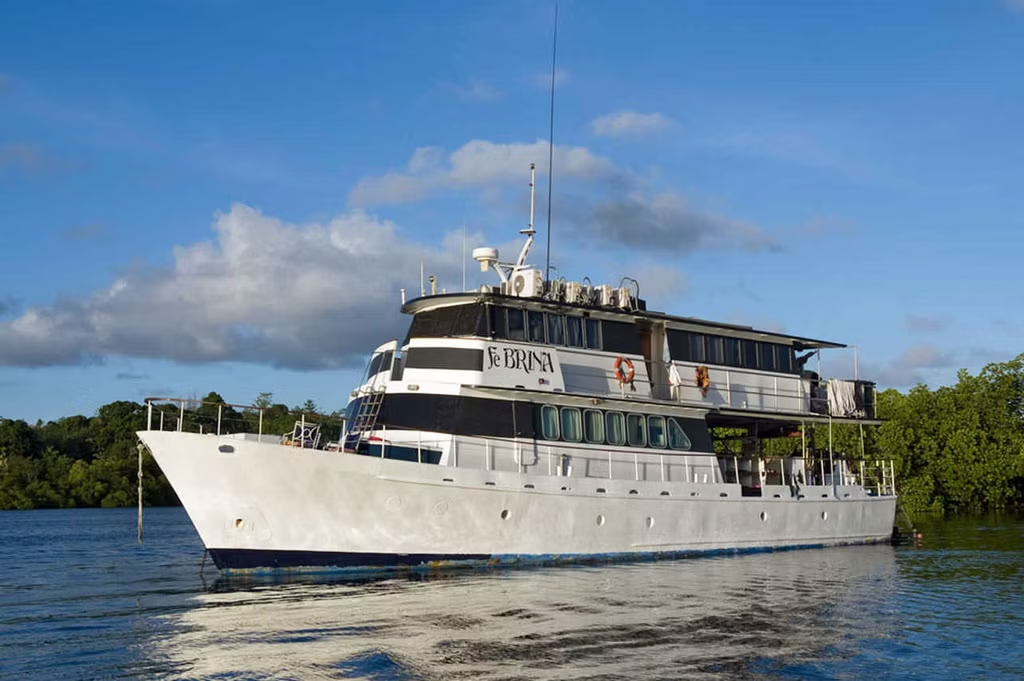
#1The intimate MV FeBrina consistently delivers unparalleled access to PNG's pristine, biodiverse waters. It's the top choice for discerning divers seeking uncrowded sites and exceptional comfort.
 #2
#2The Oceania catamaran offers unparalleled luxury for exploring Papua New Guinea's pristine reefs. Divers can expect diverse shark encounters, playful dolphins, and occasional sightings of majestic marine life like orcas and whale sharks.
The best time to dive Papua New Guinea depends on the region. The Bismarck Sea (Kimbe Bay, Kavieng) generally has its calmest seas and best visibility from May through November. Conversely, Milne Bay in the south is often best from October to January. While PNG is a year-round destination, certain transitional months can bring stronger winds and reduced visibility, so it's wise to plan your itinerary around the optimal season for that specific area. Always check the typical conditions for your chosen route and time of year.
For a remote destination like PNG, your liveaboard is your lifeline. Look for steel-hulled vessels built for stability and long-range cruising between islands. First-rate dive tenders (like RIBs) are non-negotiable for accessing the best, most secluded pinnacles and channels. An onboard nitrox compressor is highly recommended to maximize your bottom time on repetitive dives, especially with so many world-class sites to explore. Finally, a spacious and well-organized dive deck with dedicated camera facilities makes a huge difference, as photographers flock here for good reason.
Due to the extensive travel required just to get there and the vastness of the dive areas, PNG itineraries are typically longer. A 7-night trip is a bare minimum, but 10- and 12-night voyages are more common and highly recommended to truly immerse yourself in a region. This is a premium dive destination, and prices reflect the complex logistics. Expect to budget between $3,500 and $6,500 for a 10-night trip, depending on the vessel's comfort level and the specific itinerary.
One common mistake is underestimating the travel time. Flights to embarkation ports like Alotau (for Milne Bay) or Walindi (for Kimbe Bay) can be long and prone to delays. Pro tip: fly in at least one full day before your liveaboard departs. This provides a buffer and time to acclimatize. Also, don't skimp on essentials. Pack a comprehensive first-aid and save-a-dive kit, as you'll be far from shore. Lastly, ensure you have robust travel and dive insurance; it's mandatory on most vessels for a reason.
Think of it as macro versus wide-angle, though both offer everything. Milne Bay is the historic birthplace of 'muck diving,' world-famous for its critter-rich black sand slopes where you'll find flamboyant cuttlefish, ghost pipefish, and rare octopus. Kimbe Bay, on the other hand, is celebrated for its staggering coral biodiversity, with vast, healthy reefs, dramatic seamounts, and huge schools of fish. Your choice depends on whether your priority is weird critters or epic reefs.
Generally, PNG is better suited for intermediate to advanced divers. Many sites can have currents, and the remote location means self-sufficiency is key. Most operators recommend at least an Advanced Open Water certification and 50+ logged dives to fully appreciate the diving. That said, some calmer itineraries may be possible for a confident, newly-certified diver. It's crucial to be honest about your experience and check with the liveaboard operator before booking.
PNG is the heart of the Coral Triangle, so expect mind-blowing diversity. Macro hunters will find dozens of nudibranch species, pygmy seahorses, and oddball critters. Reef lovers will be awed by pristine coral gardens teeming with anthias and reef fish. Pelagic encounters include grey reef sharks, silvertips, schooling barracuda, and jacks. The region is also famous for its WWII wrecks, which have become incredible artificial reefs. It truly has something for every type of diver.
Visa requirements vary by nationality, so you must check with your nearest Papua New Guinean embassy or consulate well ahead of your trip. For health, consult a travel doctor at least 6-8 weeks before departure. They will likely recommend vaccinations for Hepatitis A, Typhoid, and Tetanus. Malaria is present in PNG, so antimalarial medication is often advised. This is not medical advice, so a professional consultation is essential.
While your trip is mostly inclusive, you'll need cash for several things. Plan to bring USD or local Kina for crew gratuities (a standard tip is 10% of the trip cost), any marine park or port fees not included in your package, and alcoholic beverages. You may also want small amounts of cash for purchasing handicrafts during cultural village visits. ATMs are unreliable outside of Port Moresby, so it's best to arrive with the cash you'll need for the trip.