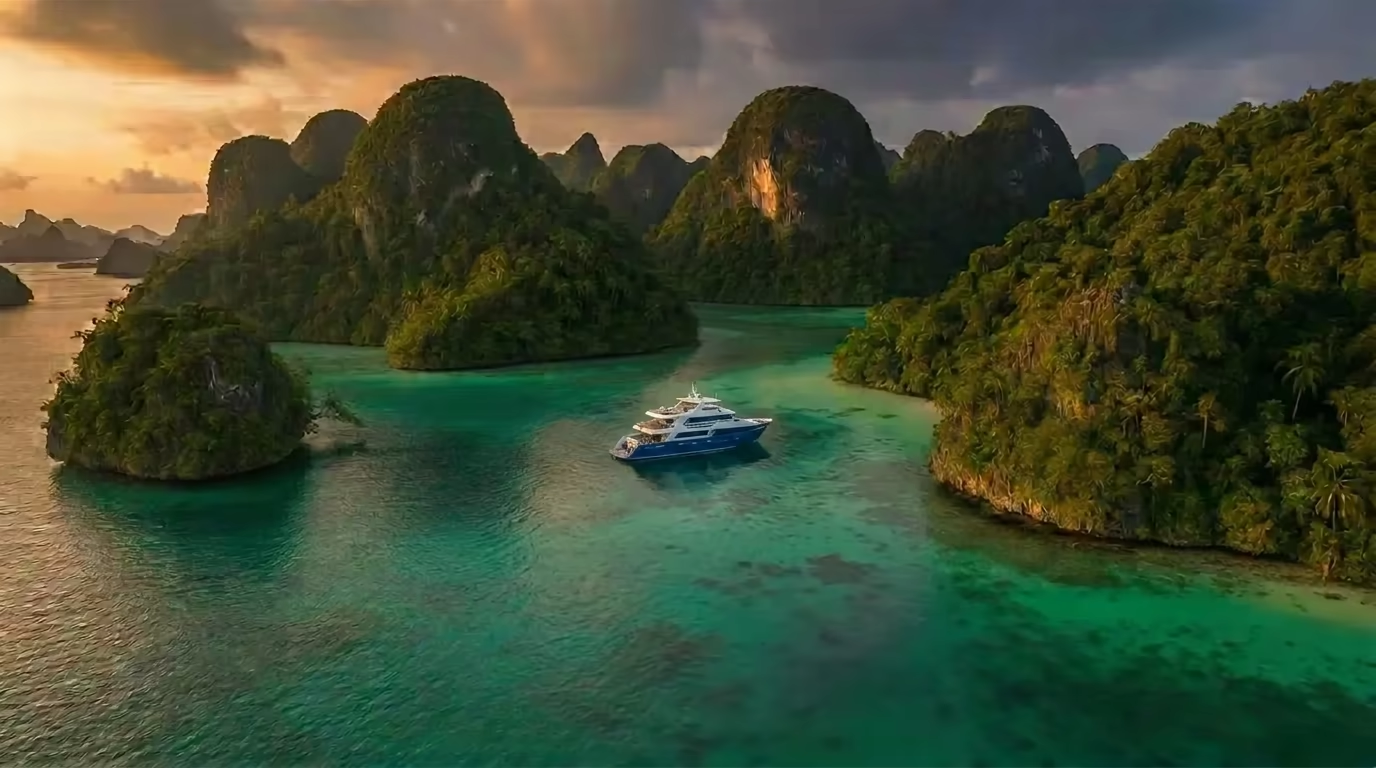
Mari · Indonesia · 12N
This extraordinary expedition explores the remote volcanic waters of the Banda Sea, highlighting its exceptional biodiversity in West Papua's Triton Bay. Divers can expect to encounter schooling hammerheads around isolated volcanic islands and observe whale sharks feeding near traditional fishing platforms. The journey offers unique opportunities to experience some of Indonesia's most dramatic and rarely explored diving destinations, from pristine reefs to intriguing macro life.
Guests are welcomed aboard the KLM Mari in Saumlaki, followed by a transfer from the airport or hotel. After a thorough welcome briefing, cabin check-in, and equipment setup, the vessel departs towards the southern Banda Sea. Dinner is served onboard as the expedition begins, with the departure timing and sea conditions influencing the exact schedule and whether a check dive can be conducted.
Dawera offers dramatic underwater topography, characterized by steep walls adorned with vibrant soft corals and healthy reef systems. This area is known for excellent visibility and a rich variety of reef fish. Dives here often feature impressive coral coverage and diverse marine life, making it a spectacular start to the journey.
Pulau Dai is renowned for its crystal-clear waters, vibrant coral gardens, and thriving reef scenery. Conditions here often allow for relaxed and scenic dives. Divers commonly encounter resting barracuda beneath coral overhangs and observe schooling jacks. The reef is healthy with lush sponges and beautiful coral, and underwater caves are often explored.
This site is characterized by its unique topography, featuring hard coral ridges and mini walls that attract diverse marine life. It is an extensive submerged reef with a relatively shallow reef top and walls that drop into the depths. The area is known for impressive schools of fish, pelagic action, and the chance to encounter hammerhead sharks. Visibility is normally good, and currents can be strong, making it a thrilling dive.
Serua Island is a remote volcanic island in the Banda Sea, known for its active volcano and rich marine life. The underwater terrain features steep drop-offs, swim-throughs, and caverns filled with soft corals and sponges. The area is known for schooling fish, trevally, surgeonfish, fusiliers, and the possibility of encountering hammerhead sharks. Sea snakes are also often seen on most dives.
Manuk Island, also known as 'The Island of Sea Snakes,' is an active volcano. It is one of the most extraordinary sea snake aggregation sites in the world, with dozens of banded sea kraits commonly observed. The area is also known for schools of hammerhead sharks and diverse reef ecosystems, making it a unique diving experience. Underwater, sea snakes are often present by the dozens, including black and white banded snakes.
This uninhabited island chain is prized for its pristine dive sites and rich biodiversity. Divers can explore colorful coral reefs teeming with life, including surgeonfish, angelfish, and various types of coral. Pelagic species like tuna and even occasional dolphin pods may be seen. The area is known for vibrant reefs, particularly during night dives which often reveal a completely different set of creatures, such as sleeping parrotfish and dancing bioluminescent organisms.
Known for its untouched dive sites, Pulau Kur offers spectacular coral gardens and intricate underwater topographies. Divers can explore extensive caves and swim-throughs. The area is also known for abundant fish life, including schools of grunts and snappers, and the presence of larger species like manta rays. Strong currents often bring in a variety of marine life, with nudibranchs and shrimps adding to the macro appeal.
These islands provide fantastic diving opportunities, with diverse habitats ranging from coral gardens to deeper wall dives. The rich biodiversity often features schooling fish, pelagic species, and vibrant reef structures. Kirkaf is a hotspot for seeing large pelagic species and often features drift diving. Divers can explore the thriving coral communities and steep walls, making for exciting encounters.
Triton Bay is famous for its encounters with whale sharks, which are often seen feeding near the bagans, traditional fishing platforms. Divers can snorkel or dive with these gentle giants, experiencing one of the most sought-after encounters in the diving world. The area is also rich in biodiversity, with corals hosting myriad reef fish and macro life. This region is considered a reliable whale shark destination.
Triton Bay, including Aiduma, is known for its breathtaking underwater landscapes, where diverse currents create vibrant reefs. Here, you can encounter everything from schooling coral reefs to rugged rock formations. Marine highlights include the potential for encounters with large pelagic species, schooling fish, and a variety of critters. The area is also known for sightings of mandarin fish and ghost pipefish.
Today marks the final day of diving in Triton Bay, offering last opportunities to explore its remarkable underwater world. The area is celebrated for its pristine corals, diverse fish populations, and exceptional macro life. Divers can enjoy a variety of sites, reflecting the rich biodiversity of West Papua. The last scheduled dive is on the penultimage day of the trip, with a 24-hour no-fly recommendation.
After breakfast, guests disembark and transfer to Kaimana Utarom Airport or their hotel. This concludes the expedition through one of Indonesia's most ecologically diverse corridors, passing from the deep, open-ocean waters of the Banda Sea into the sheltered bays and reef systems of West Papua's Bird's Head Seascape.