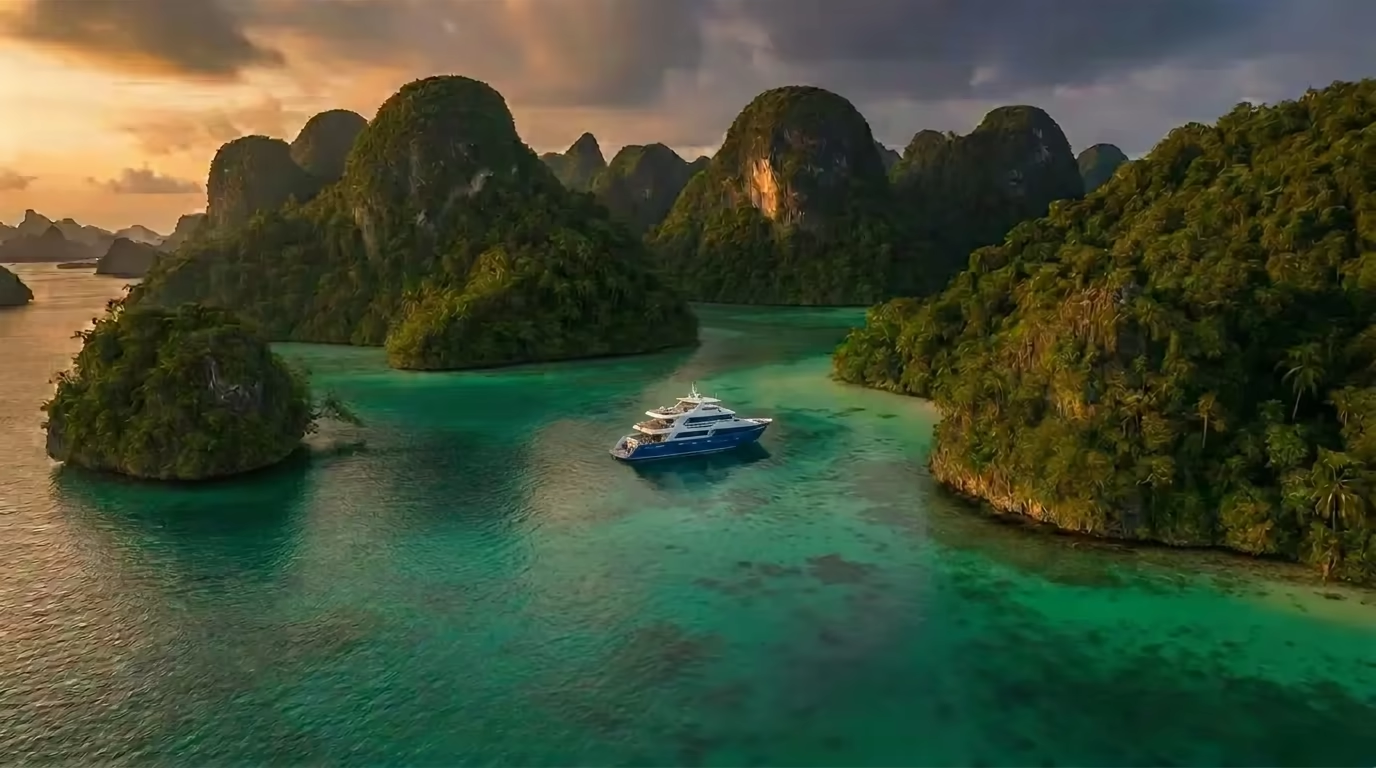
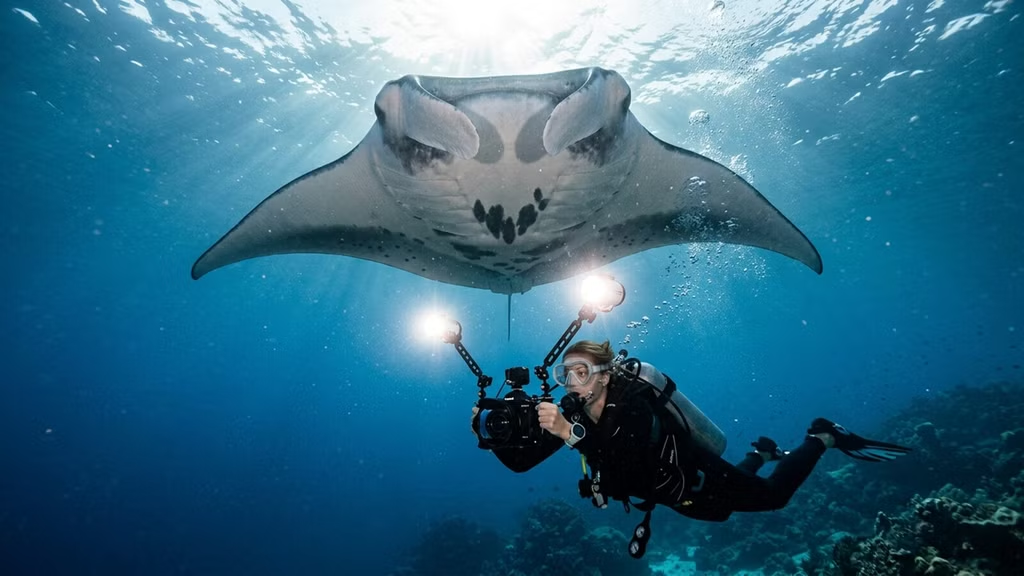
Capture stunning oceanic moments with these top liveaboards, expertly designed for the underwater photographer.
For those who measure a dive's success not just by sightings, but by the perfect shot, choosing the right liveaboard is paramount. You need more than just great dive sites; you need a vessel that understands the unique demands of underwater photography. This means dedicated camera facilities, knowledgeable guides, and often, specific itineraries tailored to capturing the ocean's most elusive and breathtaking residents.
Our curated list focuses on liveaboards that go the extra mile. We're talking spacious camera stations, ample charging points, rinse tanks exclusively for cameras, and even on-board photo pros offering tips and workshops. These are the vessels where your expensive gear is safe, your creative workflow is uninterrupted, and every dive is an opportunity to expand your portfolio. Get ready to shoot incredible images in some of the world's most vibrant marine environments.
 #1
#1The Akomo Isseki offers expert-guided expeditions and small groups, providing photographers with prime opportunities to capture Indonesia's diverse marine life in intimate settings.
 #2
#2The Aldebaran's dedicated platform in the biodiverse Red Sea, complete with comfortable cabins and onboard WiFi, creates an ideal setting for photographers to capture stunning marine life.
 #3
#3With a 2025 refurbishment, Alia Soul offers modern comfort and specialized Red Sea access, providing prime opportunities to capture stunning underwater shots of unique marine life and diverse reef structures.
 #4
#4The Aliikai Voyage provides unparalleled access to Indonesia's richest underwater environments, making it ideal for capturing diverse marine life through its luxurious setting and recent refurbishment.
 #5
#5The All Star Aqua Cat offers direct access to the Bahamas' dramatic wall drop-offs and extensive coral, providing divers with exceptional opportunities for stunning underwater photography of unique topography and diverse marine life.
 #6
#6This liveaboard offers fantastic value, allowing photographers to explore the Bahamas' stunning dive sites and diverse marine life without breaking the bank. It's perfect for capturing vibrant coral reefs and exciting shark encounters.
 #7
#7Explore the BVI's abundant marine life and fascinating wrecks. Capture stunning images in crystal-clear waters aboard this magnificent trimaran, blending sailing luxury with exceptional diving.
 #8
#8With up to 18 dives weekly in the biodiverse Red Sea, the All Star Ghani offers ample opportunities to capture stunning marine life and historic wrecks.
 #10
#10Alsuraya's 2024 launch and purpose-built design cater to photographers accessing Egypt's diverse underwater topography, from dramatic walls to wreck sites, maximizing unique shot opportunities.
When selecting a liveaboard for underwater photography, several crucial factors stand out. First and foremost, assess the vessel's dedicated camera facilities. Look for spacious, dry camera rooms with plenty of individual workstations, ample charging sockets (consider international adapters), and secure storage. Separate rinse tanks specifically for cameras are a huge plus, preventing damage from general dive gear. Also, inquire about the dive deck layout; easy access to entry and exit points is vital, especially with bulky camera setups.
Secondly, consider the expertise of the crew and dive guides. Are they accustomed to divers carrying large camera rigs? Do they understand lighting, animal behavior, and how to position photographers for optimal shots? Some liveaboards even offer dedicated photo pros on board who can provide invaluable guidance, post-processing tips, and even private workshops. This level of support can significantly elevate your photography.
Seasonality and itinerary are also key. While great diving is always good, certain times of year offer specific photographic opportunities, such as manta ray aggregations, whale shark migrations, or pelagic spawning events. Research the best times to visit your desired destination for the subjects you wish to photograph. Don't be afraid to ask about dive site specifics – are they current-heavy or calm, deep or shallow? These details impact your ability to get the shot.
Finally, avoid common mistakes like underestimating power needs (always bring extra batteries!) or neglecting to verify the boat's dedicated camera storage and handling protocols. Ensure clear communication with the crew about your photography goals before and during the trip. A little preparation goes a long way in ensuring a productive and rewarding photographic liveaboard experience.
Look for a spacious dry camera room with individual workstations, abundant charging points, and secure storage. Dedicated camera rinse tanks, separate from general gear, are essential for protecting your equipment.
Yes, always bring all necessary charging cables for your camera, strobes, and accessories. While liveaboards provide power points, specific cables are always the diver's responsibility. Bring adapters too.
Absolutely, if you're looking to improve your skills. A photo pro can offer real-time tips, help with settings, provide valuable post-processing advice, and guide you to the best photographic opportunities underwater.
You can never have too many batteries! For a multi-day liveaboard trip, we recommend bringing enough spare batteries for your camera and strobes to comfortably cover at least 1.5 to 2 dives per day without recharging. Bring power banks too.
Many liveaboards with dedicated camera rooms allow this, especially if they have secure individual workstations. However, always confirm with the crew upon boarding. Never leave it unattended or in an insecure location.
