
Dive the final frontier, where icebergs dwarf ships and penguins are your dive buddies on the trip of a lifetime.
Antarctica isn't just a destination; it's an expedition to the last truly wild place on Earth. For divers, it offers an experience that is simply unparalleled. Imagine descending next to a colossal iceberg, its blue ice filtering the sunlight, or having a curious leopard seal inspect you on a safety stop. This is polar diving: a world of extreme clarity, unique ice topography, and encounters with wildlife that has no fear of humans. The season is short, running through the southern hemisphere's summer, but every trip across the Drake Passage is rewarded with breathtaking landscapes and unforgettable underwater moments.
Choosing a vessel for such a remote and demanding environment is the most critical decision you'll make. It's about much more than just a dive platform. We've curated this list of the best Antarctica liveaboards by focusing on what matters most: ice-class safety, expedition team expertise, diver-specific amenities, and a proven track record. These ships are your lifeline and your basecamp for exploring the bottom of the world.
 #1
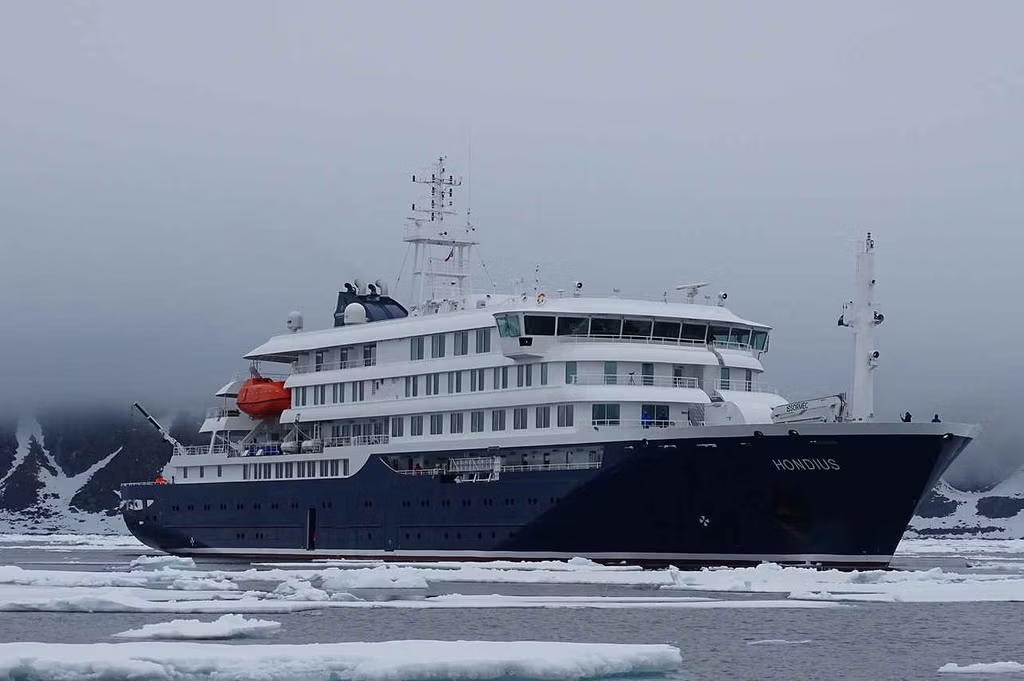
#1The Hondius is a state-of-the-art expedition vessel perfectly equipped for challenging Antarctic diving. Its luxurious and robust design ensures an unparalleled experience.
 #2
#2The Ortelius offers unparalleled access to Antarctica's pristine waters for divers. Witness unique marine life and breathtaking ice formations in a truly adventurous and comfortable setting.
 #3
#3The Plancius offers unparalleled access to Antarctica's pristine waters and vibrant marine life, perfect for divers seeking an authentic, once-in-a-lifetime expedition amongst dramatic ice formations and unique ecosystems.
The Antarctic diving season is short and sweet, running from November to March. Early season (Nov) brings pristine ice and snowscapes, but wildlife is just arriving. Peak season (Dec-Jan) is the sweet spot for seeing penguin chicks and seal pups, with long daylight hours. Later in the season (Feb-Mar) offers the best chance for whale sightings and often calmer seas for crossing the infamous Drake Passage.
The right vessel is everything. Non-negotiable features include a high ice-class rating (like 1A or 1B) for safely navigating icy waters and a skilled expedition crew. For diving, look for boats with two or more powerful Zodiacs (RIBs) for getting to dive sites and making shore landings. A well-organized, heated dive deck is crucial for comfort, along with a robust compressor system offering nitrox to maximize your bottom time in the cold. A dry room for storing suits and undergarments is a massive quality-of-life feature.
Antarctica expeditions are a serious investment in time and money. Due to the distance and the two-day crossing of the Drake Passage each way, itineraries typically range from 10 to 22 days. Prices reflect the complex logistics, robust vessels, and expert teams required, generally starting around $10,000 and heading well north of $25,000 per person. This isn't a budget trip; it's a once-in-a-lifetime adventure, and the price reflects that.
One common mistake is underestimating the cold. You must be proficient and comfortable in a drysuit, with appropriate thermal undergarments. Another pitfall is booking a general expedition cruise that doesn't actually offer a dive program. Our pro tips: get comprehensive travel and evacuation insurance—it's mandatory on most vessels for a reason. Pack redundant critical gear like drysuit seals, gloves, and a backup dive computer. Finally, don't skimp on vessel quality. For a trip this significant, safety, comfort, and expertise are worth the investment.
Yes, when conducted with a certified polar operator following strict protocols. Safety is paramount. Vessels are helmed by experienced ice pilots, and diving is led by specialized polar guides. You must be an experienced cold-water diver with extensive drysuit training. The trips are structured to manage the risks of extreme cold and remoteness, but your personal skill and preparation are key components of a safe expedition.
You'll need an Advanced Open Water certification (or equivalent) coupled with a Drysuit Diver specialty. Operators will require proof of experience, typically asking for a minimum of 30-50 logged dives, with at least 10-20 of those being cold-water dives in a drysuit within the last two years. This is not a destination for novice divers or for learning new skills. Some operators may have even stricter requirements.
The underwater world is surprisingly vibrant. You'll see stunning ice formations, from vast iceberg walls to intricate sea ice caves. The substrate is often covered with colorful sea stars, isopods, anemones, and krill. The main draw is the megafauna: curious leopard seals, playful penguins 'flying' underwater, and the occasional whale. Visibility can be phenomenal, creating a truly surreal and otherworldly experience unlike anywhere else on the planet.
Yes, you are expected to bring your own personal dive equipment, especially your own well-fitting drysuit, undergarments, hood, and gloves. You must also bring your own regulators, as they need to be environmentally sealed and serviced for cold-water use. While tanks and weights are provided by the liveaboard, the remoteness of the location means personal gear for fit, comfort, and safety is not just recommended, it's essential. There are no dive shops.
The Drake Passage is famously unpredictable and can be very rough; seasickness is a real possibility and you should come prepared. Modern expedition vessels are equipped with active stabilizers that significantly reduce the ship's roll, making the crossing more comfortable. For many, it's a two-day rite of passage. Bring your preferred seasickness medication, and rest assured that the tranquil, protected waters of the Antarctic Peninsula are your reward.