
Explore the world's largest reef system and the remote Coral Sea on Australia's top-rated liveaboard dive boats.
Australia is synonymous with the Great Barrier Reef, a sprawling ecosystem so vast it’s visible from space. While day trips scratch the surface, a liveaboard is the only way to experience its true scale and access the pristine outer reefs. Imagine giant potato cod at the legendary Cod Hole or drifting along vibrant walls teeming with life. For the more adventurous, liveaboards venture further into the Coral Sea, offering thrilling shark dives at Osprey Reef with sheer 1000-meter drop-offs and incredible visibility.
The season also brings special guests, like dwarf minke whales in June and July. With so much on offer, picking the right vessel is key. This list isn't just about fancy cabins; it's curated from our team’s first-hand experience and thousands of diver reviews. We've selected boats that deliver on what matters most in Oz: range, safety, professional crews, and a proven ability to get you to the best sites comfortably.
 #1
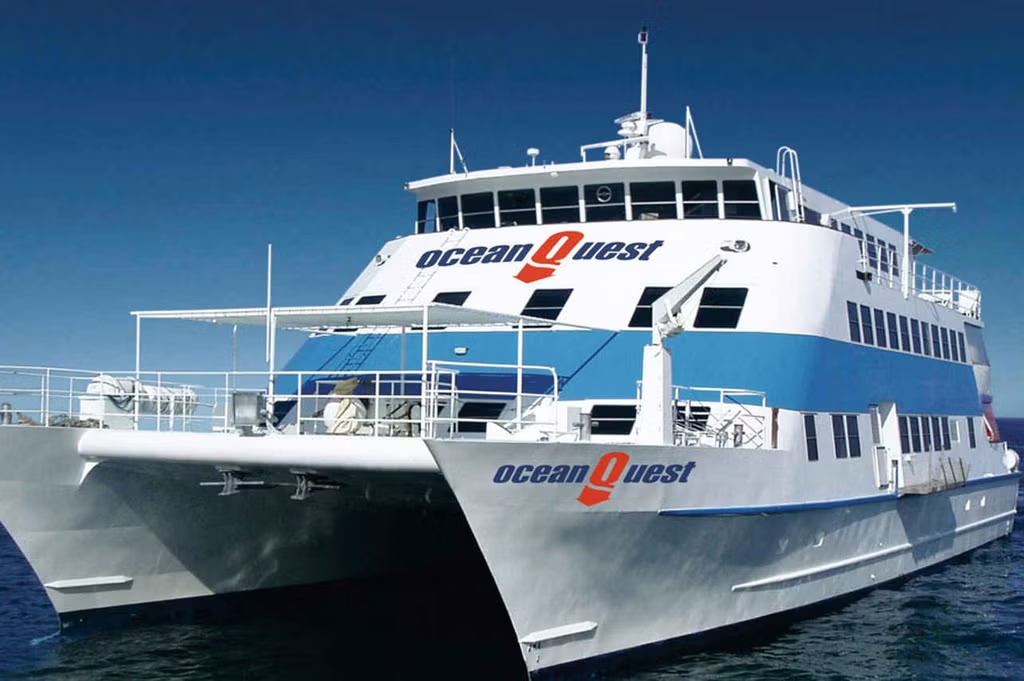
#1Ocean Quest offers continuous access to the Outer Great Barrier Reef, maximizing your encounters with its vibrant marine life and pristine dive sites from Cairns. Ideal for deep dives and night explorations.
 #2
#2Odyssey offers an elegant Red Sea liveaboard experience. Its generous living spaces and European flair provide exceptional comfort while exploring diverse marine life and historic wrecks.
 #3
#3The Odyssey Liveaboard provides unparalleled access to Australia's remote Rowley Shoals, a true marine wonderland with vibrant, untouched coral and diverse marine life perfect for experienced divers seeking unique drift dives.
 #4
#4With purpose-built vessels designed for both diving and relaxing on the Outer Great Barrier Reef, Pro Dive Cairns excels at offering unparalleled access to this natural wonder.
 #5
#5The Rum Runner offers an accessible and authentic adventure into the Great Barrier Reef, highlighted by thrilling shark dives, making it ideal for cost-conscious explorers.
 #6
#6Explore the iconic Great Barrier Reef and remote Coral Sea. The Spirit of Freedom offers exclusive access to pristine dive sites and the chance to encounter migrating dwarf minke whales.
 #7
#7The Spoilsport offers unparalleled access to Australia's Great Barrier Reef and Coral Sea, renowned for its vibrant biodiversity. It’s an award-winning choice for unforgettable diving adventures.
Diving in Australia is a year-round affair, but the best time depends on what you want to see. For peak conditions, aim for April through June when the water is calm and visibility is often at its best. The cool-water season from June to August is prime time for dwarf minke whale encounters on the Ribbon Reefs—a truly unforgettable experience. From September to December, the water warms up, and you might get to witness the spectacular annual coral spawning event, though winds can be a bit more unpredictable.
When choosing a vessel, range and stability are paramount. The best dive sites in the GBR and especially the Coral Sea are a long way offshore, so you need a sturdy boat built for open ocean crossings. Look for liveaboards with large, dedicated dive tenders (RIBs or zodiacs), as these are essential for dropping divers precisely on top of remote pinnacles and navigating specific channels. Given the multi-dive days, Nitrox is a huge plus for extending bottom time and reducing fatigue. Finally, a spacious, well-organized dive deck makes gearing up and down so much more comfortable.
Itineraries vary in length and focus. Classic Great Barrier Reef trips exploring the outer reefs typically last 3 or 4 nights, making them an easy add-on to a land-based holiday. For the full experience, including the remote Coral Sea, you’ll need a 7-night expedition. These longer trips are a must for advanced divers seeking big pelagic action. Price-wise, expect to pay between $1,500 and $2,500 for a short GBR trip, while a week-long Coral Sea adventure will generally run from $3,000 to over $4,500 depending on the vessel's comfort level.
A common mistake is underestimating the travel time to the departure port, usually Cairns. Fly in at least a day before your liveaboard departs to avoid stress from flight delays. Don't book a short GBR trip if you're an experienced diver craving pelagics; the Coral Sea is where you want to be. Another tip: special trips, like minke whale or coral spawning expeditions, sell out a year or more in advance, so book early. Lastly, always check what's included. Reef taxes, port fees, and fuel surcharges are often billed separately.
Not necessarily. Great Barrier Reef trips (3-4 nights) often cater to all levels, including Open Water divers. However, Coral Sea itineraries are for experienced divers, usually requiring an Advanced Open Water certification and 50+ logged dives due to deep walls, strong currents, and remote locations. Always check the specific trip requirements before booking.
Shark encounters, particularly grey reef, whitetip, and silvertip sharks, are a year-round highlight at the Coral Sea's Osprey Reef. For a truly unique experience, visit between June and July to combine Coral Sea shark action with the chance to snorkel or dive with dwarf minke whales on the northern Great Barrier Reef during their annual migration.
Absolutely. Most itineraries involve 3-4 dives per day. Using Nitrox extends your no-decompression limits, allowing for more bottom time, especially on the second and third dives of the day. It also helps reduce fatigue on multi-day trips. Most Australian liveaboards offer Nitrox, either included or for a reasonable fee, and it's highly recommended for maximizing your dive experience.
Yes, a liveaboard is the best way to witness this incredible natural event. Coral spawning on the Great Barrier Reef typically occurs a few nights after the full moon in October or November. Specialized itineraries are offered during this period, focusing on night dives timed to catch the mass synchronized release. These trips are very popular, so book well in advance.
The vast majority of Great Barrier Reef and Coral Sea liveaboards depart from Cairns in Queensland. It's the primary hub with excellent flight connections and infrastructure. A few vessels may also depart from Port Douglas, a smaller resort town located about an hour north of Cairns. Always confirm your specific boat's departure point and plan your pre-trip travel accordingly.