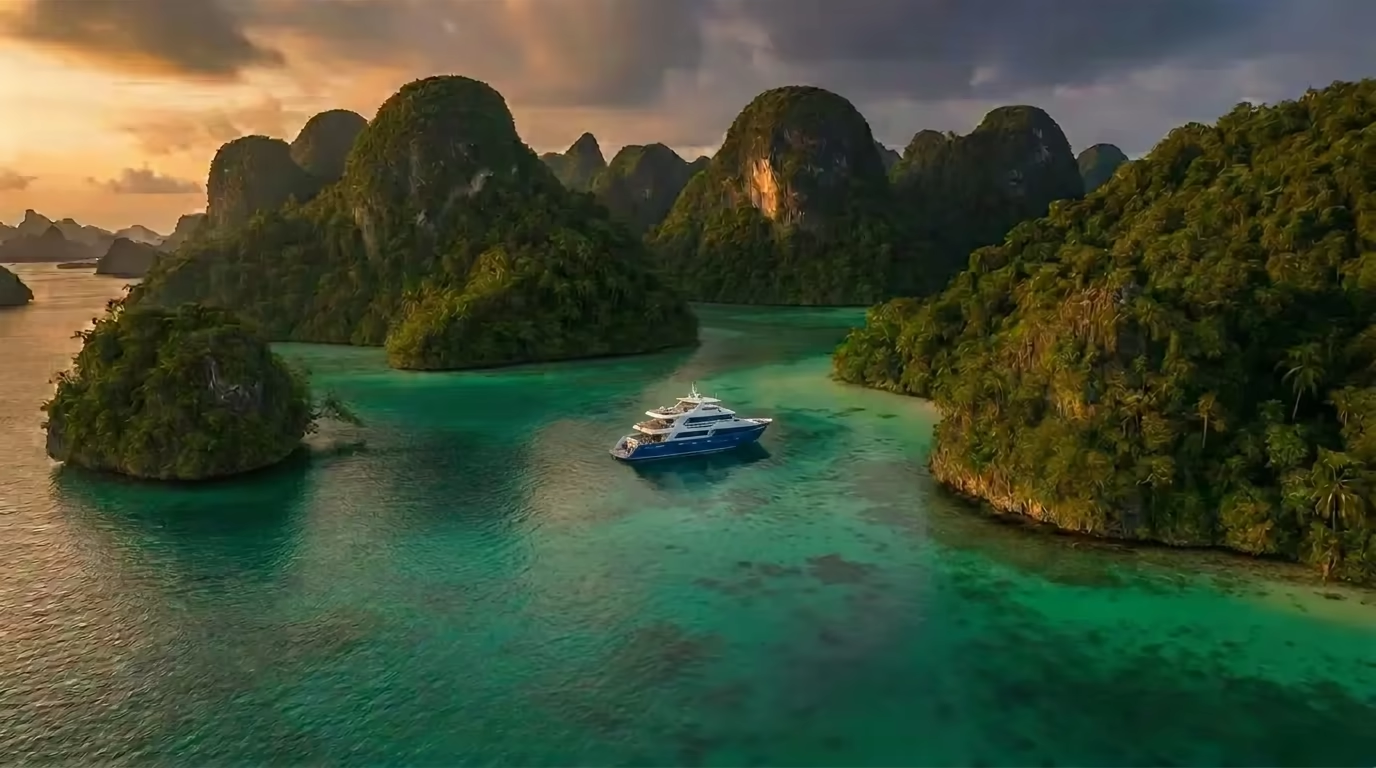
Dive the world's soft coral capital, swim with sharks, and explore Fiji's best remote reefs by liveaboard.
Known as the 'Soft Coral Capital of the World,' Fiji is a kaleidoscope of colour waiting to be explored. Liveaboards are the ultimate way to access its most pristine and remote dive areas, like the Bligh Water and the Namena Marine Reserve. Here, you'll find current-swept passages nourishing world-class coral gardens, dramatic pinnacles, and sheer walls carpeted in vibrant life. These nutrient-rich waters attract an incredible density of marine life, from massive schools of anthias and fusiliers to grey reef sharks, whitetips, and occasional hammerheads.
Diving is fantastic year-round, though conditions vary. The warmer, calmer season from November to April brings manta rays to key feeding stations, while the cooler May to October period offers staggering visibility. No matter when you go, a liveaboard unlocks sites that are simply out of reach for day boats. We've curated this list by analyzing guest reviews, vessel safety and comfort, the quality of their itineraries, and overall value to help you find the perfect floating home for your Fijian adventure.
 #1
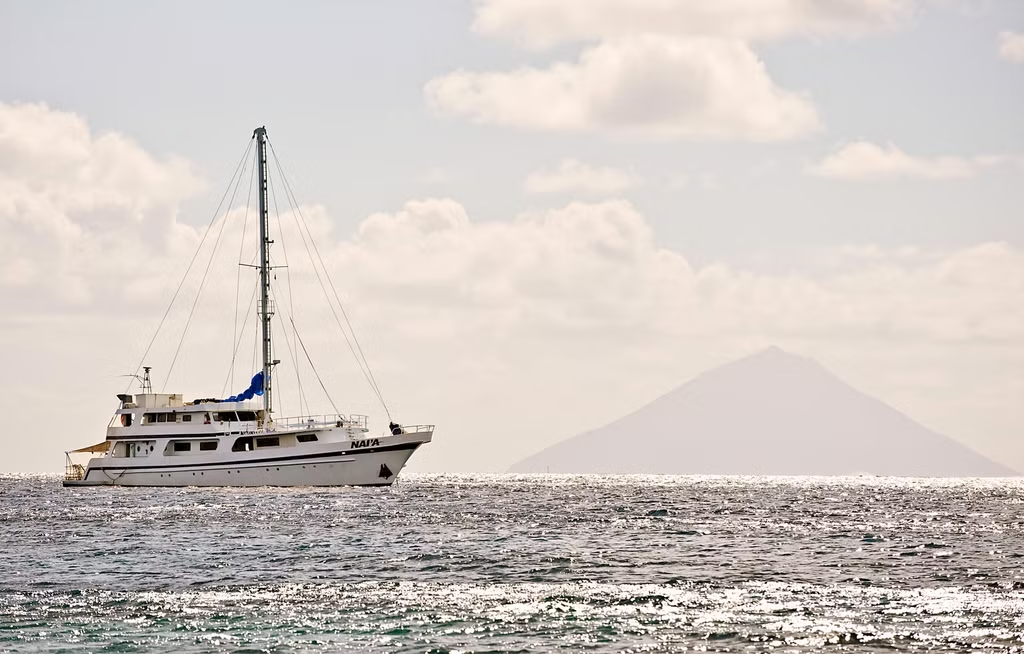
#1The Nai'a is renowned for its access to Fiji's iconic soft coral gardens. Dive into a world of vibrant color and unparalleled marine biodiversity aboard this luxurious vessel.
The best time to go depends on your priorities. Fiji offers great diving all year, split into two main seasons. The dry season (May-October) brings cooler water (24-27°C / 75-81°F), incredible visibility often exceeding 30 meters, and more sunshine. However, trade winds can make for choppier sea conditions. The wet season (November-April) offers warmer water (27-30°C / 81-86°F) and calmer seas, but with reduced visibility and a higher chance of rain. This warmer period is also considered the peak season for encountering manta rays at cleaning stations.
For navigating Fiji's scattered islands and current-swept channels, look for a stable, seaworthy vessel with a good range. The best dive sites, like the pinnacles in the Vatu-i-Ra passage, require precise drops. This makes boats with fast, maneuverable dive tenders (zodiacs or RIBs) essential for getting you right on the action. Given the quality and depth of the reefs, Nitrox is a must-have to maximize your bottom time safely. A spacious, well-organized dive deck with individual stations also makes a huge difference in comfort over a week of 3-4 dives per day.
Fiji liveaboard itineraries are typically 7 or 10 nights long. A 7-night trip is the most common, focusing on the core 'central Fiji' circuit, including the Bligh Water, Namena Marine Reserve, and Vatu-i-Ra—the heart of the country's best diving. Longer 10-night journeys allow for a more relaxed pace or exploration of more remote areas like the Lau Islands when offered. Prices for a 7-night trip generally range from $3,500 to over $6,000 USD, depending on the vessel's luxury level. This cost almost always includes your accommodation, all meals, and diving.
A common mistake is underestimating Fiji's currents. The nutrients that create the stunning soft corals are delivered by strong water movement. This destination is best for divers comfortable with drift diving; it's not ideal for beginners. Bringing your own SMB and reef hook is a pro move. Another tip is not to overlook the 'winter' months (June-September). While the water is cooler, the visibility can be truly epic. Finally, book far in advance. Fiji only has a handful of top-tier liveaboards, and their schedules fill up 12-18 months ahead, especially for popular dates.
We strongly recommend an Advanced Open Water certification with at least 50 logged dives. Fiji's premier sites in areas like Bligh Water are characterized by strong currents, deep pinnacles, and drift diving. To fully and safely enjoy what makes this destination so special, you need solid buoyancy control and confidence in dynamic conditions. Some operators require an AOW certification to access all dive sites on their itinerary.
Absolutely. Fiji’s diving often involves multiple dives per day on deep walls and pinnacles teeming with life. Using Enriched Air Nitrox extends your no-decompression limits, allowing you to safely spend more time exploring the vibrant soft corals and watching for sharks. It also helps reduce fatigue over a week of intensive diving, making your overall experience more enjoyable.
You can expect fantastic shark encounters in Fiji year-round. Whitetip, blacktip, and grey reef sharks are common residents of the reefs visited by liveaboards, so you'll likely see them on most dives regardless of the season. The world-famous bull shark dive is a land-based trip in Beqa Lagoon and not typically part of standard liveaboard routes. For general reef shark sightings on your liveaboard trip, any month is a good month.
Yes, and it's a fantastic way to experience more of the country. Most liveaboards depart from ports on or near Viti Levu, the main island where Nadi International Airport (NAN) is located. Arriving a few days early or staying on after your trip is easy to arrange. You can relax at a resort, experience Fijian culture, or even book the famous land-based bull shark dive in Beqa Lagoon.
Besides your core dive gear, a 3mm to 5mm wetsuit is recommended—use the 5mm for the cooler, high-visibility season (May-Oct). A reef hook for currents and a safety sausage (SMB) are essential. For life on board, pack light clothing, reef-safe sunscreen, a hat, and polarized sunglasses. Even in the tropics, evenings on the water can get breezy, so a light jacket or hoodie is always a good idea.