
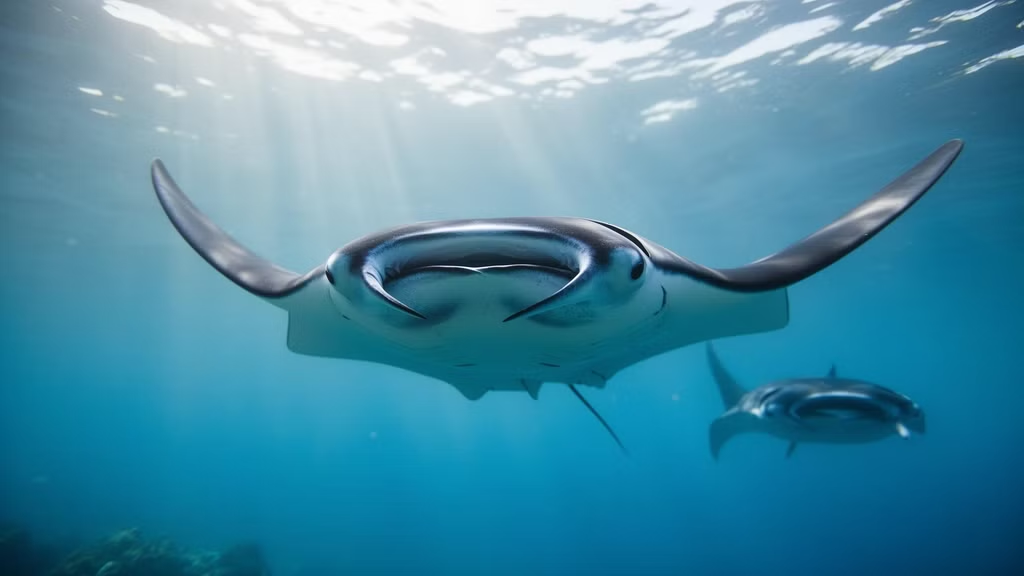
Dive the world's most spectacular mobula aggregations, from Mexico's feeding frenzies to the Azores' epic schools.
Mobula rays, often called devil rays, form some of the ocean's most breathtaking spectacles. For divers seeking these massive schools, a few key destinations deliver unparalleled encounters. Mexico stands out, with the remote Socorro Island offering close passes at cleaning stations, and the Sea of Cortez hosting enormous springtime aggregations that can number in the thousands. Across the Atlantic, the Azores archipelago is another prime location, where divers can witness huge schools congregating around offshore seamounts during the summer months. Other notable hotspots include the Galápagos Islands and specific regions in the Philippines.
A liveaboard is essential for reaching these remote, pelagic environments. Vessels are positioned to take advantage of short, specific seasonal windows when mobula numbers peak. Staying on site for days increases your chances of witnessing schooling behavior, feeding events, or cleaning station activity. The itineraries listed here were selected for their focus on peak mobula seasons in world-class destinations. We've chosen operators known for their experienced guides, robust safety protocols, and a commitment to respectful marine life encounters, ensuring you have the best possible platform for this remarkable experience.
Timing is everything when it comes to mobulas. For the truly massive aggregations in Mexico's Sea of Cortez, plan your trip between May and July. The waters are warm, and thousands of rays gather to feed and mate. For Socorro Island, the season runs from November to May, offering consistent cleaning station action with giant oceanic mantas as well. The best conditions are often at the beginning and end of this window. In the Atlantic, Portugal's Azores islands are the place to be from July to September, when Mobula tarapacana form huge schools around submerged volcanic pinnacles in the deep blue.
The right vessel makes a significant difference. Because these are offshore destinations, look for a sturdy, seaworthy liveaboard with a good cruising range. Essential features include spacious and fast dive tenders (RIBs or skiffs) that can deploy divers quickly and safely near the action. A well-organized dive deck with individual stations prevents delays and crowding. We strongly recommend choosing a boat that offers nitrox; the extended no-decompression limits are invaluable for maximizing your time with rays that are often found between 15-30 meters (50-100 feet).
Mobula-focused itineraries are typically full-week trips or longer. Socorro expeditions usually last 8 to 10 nights due to the long crossing times. Sea of Cortez and Azores trips are commonly 7 nights. Prices reflect the remote nature of these dives. Expect to budget between $3,000 and $4,500 USD for a quality trip in the Sea of Cortez or Azores. Given its exclusivity and distance, Socorro trips are a premium experience, generally ranging from $3,800 to over $6,000 USD per person.
Always follow strict ethical guidelines for a rewarding and sustainable encounter. The cardinal rule is to never chase, touch, or block the path of a ray. Maintain neutral buoyancy and stay calm, letting the animals approach on their own terms. A common mistake is rushing towards a school, causing them to scatter. Instead, find a good position, minimize your movements, and exhale slowly to reduce bubble noise. The best encounters happen when divers are patient observers. Remember that some surface aggregations may be best experienced by snorkeling.
Mexico and the Azores are the top destinations. Mexico's Sea of Cortez is famous for massive schooling events with thousands of rays from May to July. Socorro Island offers more intimate encounters at cleaning stations from November to May, often alongside giant mantas. The Azores in Portugal see huge schools of Mobula tarapacana around offshore seamounts from July to September. Each location offers a distinct and incredible experience for divers.
The best time varies by region. For the huge aggregations in the Sea of Cortez, Mexico, the peak season is May to July. For Socorro Island, plan your trip between November and May. If you're heading to the Azores in the Atlantic, the prime window is during the summer, from July to September. Booking a liveaboard during these specific periods gives you the highest probability of witnessing peak mobula activity.
Yes, an Advanced Open Water certification (or equivalent) is typically required. Dives often take place in open ocean conditions with potential for currents and depths of up to 30m (100ft). Many operators will also want to see proof of 50+ logged dives. Nitrox certification is highly recommended to maximize your bottom time safely on deeper dives. These requirements ensure divers are comfortable and safe in challenging pelagic environments.
The cost varies by destination and vessel standard. A 7-night trip to the Sea of Cortez or the Azores typically ranges from $3,000 to $4,500 USD. Due to the remote location and longer trip duration (8-10 nights), a liveaboard to Socorro Island is more of a premium experience, costing between $3,800 and $6,000+ USD. These prices generally include your accommodation, meals, tanks, weights, and all scheduled dives.
No, encounters with any wild animal, including Mobula Rays, can never be 100% guaranteed. However, liveaboards vastly increase your chances of a successful trip. They are designed to visit remote hotspots during peak seasonal windows when mobula aggregations are known to occur. With experienced guides who understand local animal behavior and migration patterns, you are placing yourself in the best possible position for a truly remarkable encounter.