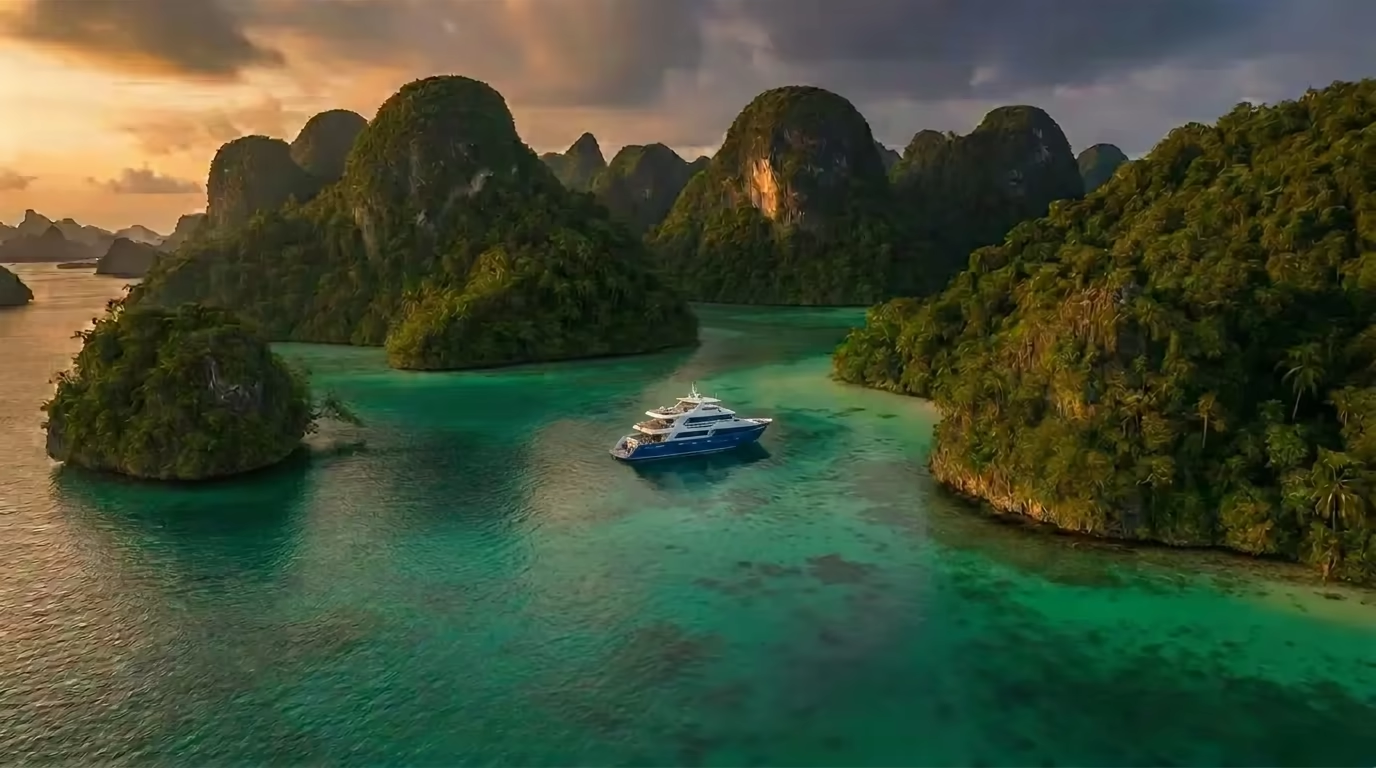
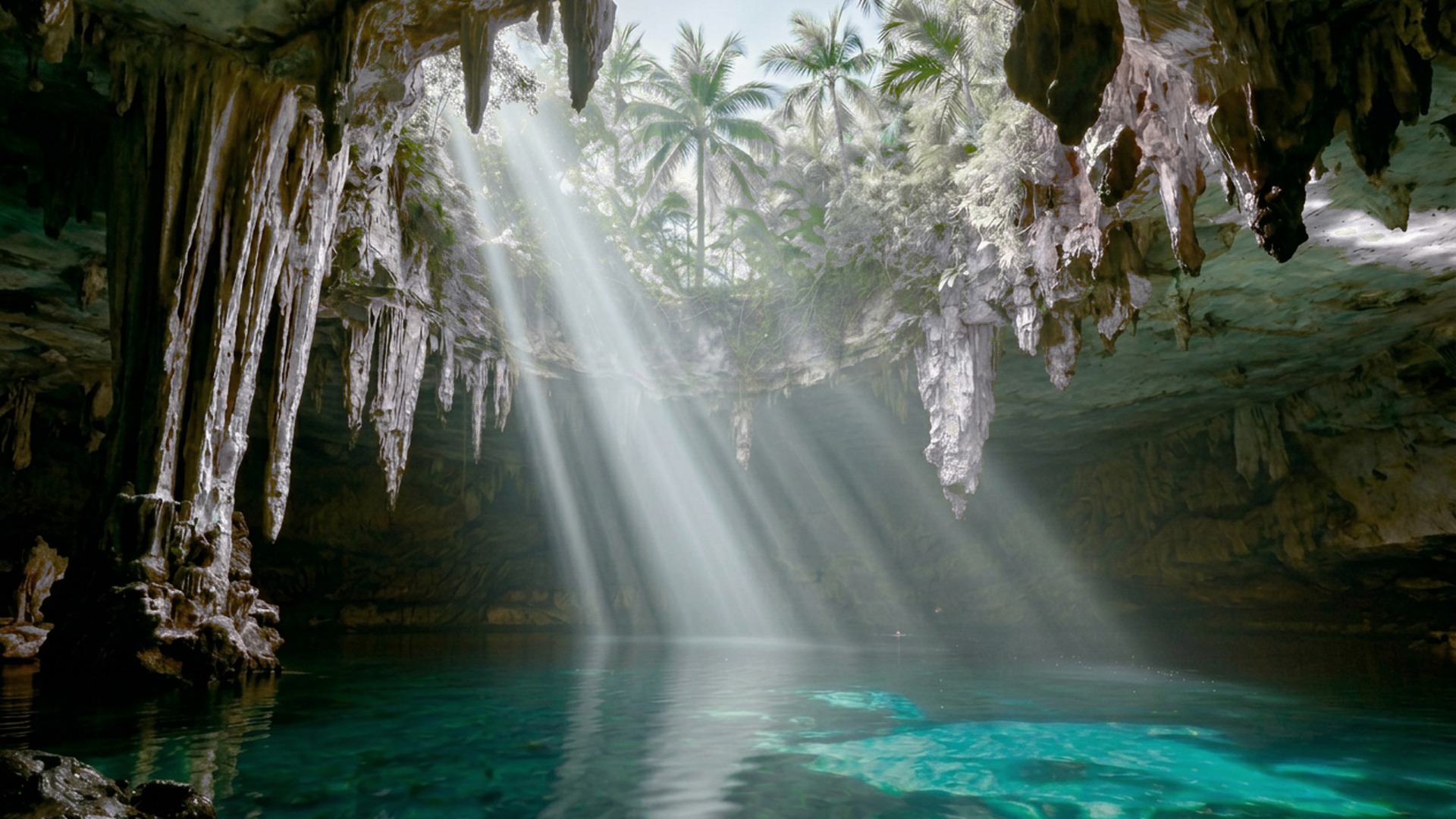
Explore Socorro's giant mantas and Guadalupe's great whites from the comfort of a world-class liveaboard.
Forget everything you think you know about North American diving. Mexico’s Pacific coast isn't about gentle reef drifts; it's a raw, pelagic wilderness that serves up some of the world's most breathtaking big animal encounters. Liveaboards are the only way to reach its legendary offshore islands. The Revillagigedo Archipelago, better known as Socorro, is the main event—a UNESCO World Heritage site where giant oceanic mantas with 20-foot wingspans actively seek out interactions with divers. Add in pods of dolphins, ten species of sharks, and migrating humpback whales, and you have a trip of a lifetime.
But that's not all. Further north, Guadalupe Island offers the world's most reliable great white shark cage diving in astonishingly clear water. And let's not forget the 'Aquarium of the World,' the Sea of Cortez, with its playful sea lions and seasonal whale sharks. The sheer scale and wildness of these destinations make a liveaboard not just an option, but a necessity. To help you choose, we’ve put together this list based on vessel quality, safety records, crew experience, and real-world diver feedback.
 #2
#2Explore Mexico's Pacific marvels and world-renowned pelagic encounters aboard this luxurious, custom-built dive vessel, perfect for giant manta rays and diverse shark species.
 #3
#3The Nautilus Explorer excels in accessing remote Pacific archipelagos like Socorro and Guadalupe, offering unparalleled encounters with giant mantas, hammerheads, and Guadalupe's great white sharks.
 #4
#4This vessel offers unparalleled luxury access to the Sea of Cortez's 'aquarium of the world,' delving into both northern dives and the vibrant Cabo Pulmo.
 #5
#5Dive into history aboard the Nautilus Under Sea, where a storied vessel meets Mexico's incredible pelagic giants like mantas, hammerheads, and even whale sharks in the rich waters of Socorro.
 #6
#6The Quino del Mar offers a brand-new, purpose-built platform for accessing Mexico's rich pelagic environments, ensuring prime encounters with large marine life in challenging open-ocean conditions.
 #7
#7This vessel perfectly bridges the distinct pelagic wonders of both the Sea of Cortez and Socorro, offering an unparalleled range of big-animal encounters.
 #8
#8Expert-led diving journeys unveil Mexico's dramatic marine encounters, from schooling hammerheads and giant mantas to inquisitive dolphins, making it ideal for pelagic enthusiasts.
The best time to visit Mexico's liveaboard destinations depends entirely on what you want to see. Socorro's season runs from November to May. This window offers the calmest seas for the 24-hour crossing and is peak time for the famous giant oceanic mantas and dozens of sharks. For a truly special treat, aim for January through March, when humpback whales arrive to breed and calve. For great white sharks, the season at Guadalupe Island is short and specific, running from August to October when the massive sharks congregate in crystal-clear water.
These are not your typical Caribbean island-hoppers. Mexican liveaboards are serious, long-range expedition vessels, often built with steel hulls for stability during open-ocean crossings. When choosing a boat, look for one with a spacious, well-organized dive deck, as gearing up can be hectic. Powerful dive tenders (called 'pangas' or RIBs) are essential for dropping divers right on the action. Given the deep, multi-dive profiles, Nitrox is a must-have for maximizing your bottom time and reducing fatigue—confirm it's available onboard.
Due to the significant travel time to the dive sites, itineraries are long. A trip to Socorro typically requires 8 or 9 nights, which includes two full days of travel. Guadalupe trips are a bit shorter, usually lasting 5 or 6 nights. The Sea of Cortez offers more flexibility with 7-night itineraries being common. This is a premium dive destination, and prices reflect the logistical complexity. Expect to pay between $3,500 and $6,000+ per person, depending on the vessel's luxury level and the trip length. Park and port fees are almost always an additional charge.
Don't underestimate the travel involved. The crossings to both Socorro and Guadalupe can be rough. Pack effective seasickness medication and be prepared for a bumpy ride. A common mistake is not booking far enough in advance; the top boats fill up 18-24 months out, especially for peak whale season in Socorro. Lastly, be honest about your dive experience. These are advanced, open-ocean environments with potential for current and deep profiles. Most operators require an Advanced Open Water certification with at least 50 logged dives for good reason.
The prime season for Socorro is November to May. This period offers the best weather for the ocean crossing and is when the famous giant oceanic mantas are most abundant and interactive. If you're hoping to see humpback whales, plan your trip between January and March, when they arrive to calve and breed. Water temperatures are cooler, typically 21-26°C (70-78°F), so a 5mm or 7mm wetsuit is recommended.
For Socorro and Guadalupe, yes. These are challenging open-ocean destinations with deep dive sites, potential for strong currents, and blue-water safety stops. Most operators require an Advanced Open Water certification and a minimum of 50 logged dives. The Sea of Cortez can be more accessible for newer divers, but it's always best to check the specific requirements of the itinerary and vessel you are interested in.
Yes, it is extremely safe when conducted by licensed, professional operators. The surface cages use a hookah system (surface-supplied air), so even non-divers can participate. Submersible cages, which descend to about 30 feet, require scuba certification. All operations follow strict safety protocols, using robust cages and experienced crews to ensure a secure and thrilling encounter with great white sharks. Always choose a reputable company.
Socorro (Revillagigedo Archipelago) is a remote, volcanic archipelago in the open Pacific Ocean, famous for guaranteed encounters with giant oceanic mantas, dolphins, and up to ten species of shark. The Sea of Cortez, by contrast, is a sheltered body of water known as 'the world's aquarium' for its incredible biodiversity. It’s famous for playful sea lions, schooling mobula rays, and seasonal whale sharks, offering a wider variety of diving that includes reefs and walls.
For Socorro and Guadalupe, water is cool. From November to May in Socorro, temperatures range from 21-26°C (70-78°F), making a 5mm or 7mm wetsuit advisable. Guadalupe is colder at 19-21°C (66-70°F), so a 7mm wetsuit or semi-dry is best. The Sea of Cortez is warmer, especially in late summer when temperatures can reach 29°C (85°F), and a 3mm or 5mm suit is usually sufficient.
